

An airstrike hit a residential building in Gaza City’s Rimal neighborhood on Friday evening, targeting Izz al-Din al-Haddad, identified by Israel as the head of Hamas’ military wing in the Gaza Strip, Israeli officials said.
The IDF did not immediately confirm Haddad’s fate. However, Israeli officials expressed cautious optimism, saying there were “initial indications” the strike was successful.
Attack on a residential building in Gaza


In a joint statement, Prime Minister Benjamin Netanyahu and Defense Minister Israel Katz said the military had struck “Ezz al-Din al-Haddad, head of the military wing of the Hamas terrorist organization and one of the architects of the October 7 attack.” The statement said he was responsible for the killing, abduction and injury of thousands of Israelis and Israeli soldiers.
The statement added that Haddad had held Israeli hostages during the war, directed attacks against Israeli forces and rejected an agreement Israel said was backed by U.S. President Donald Trump to disarm Hamas and demilitarize the Gaza Strip. “This is a clear message to all terrorists seeking our lives: sooner or later Israel will reach you,” the statement said.
Palestinian media reported casualties in the strike on the apartment building. Those reports could not be independently verified.
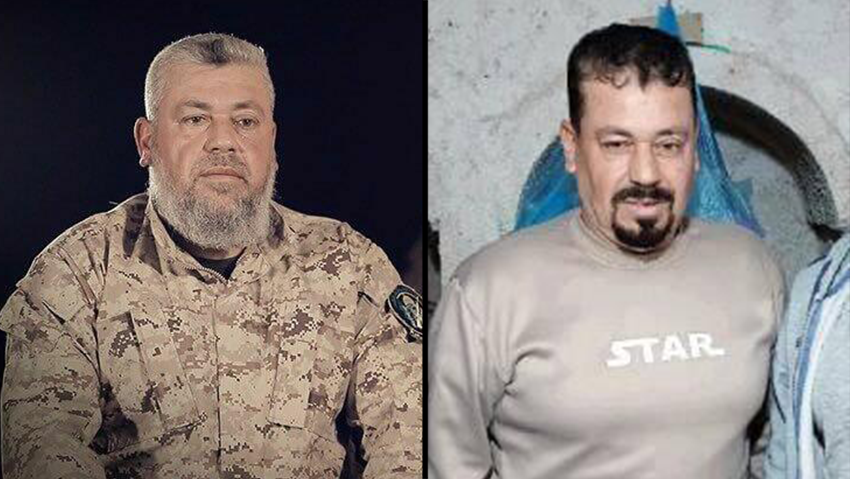
Haddad emerged as a central figure in Hamas’ military leadership following the killing of Mohammed Sinwar in May of last year. Israeli officials have previously described him as having survived several assassination attempts and becoming one of the most senior remaining Hamas military commanders in Gaza.
Haddad, in his mid-50s, took part in planning the October 7 attack, according to Israeli accounts, and has said in a past interview with Al Jazeera that he was involved. He speaks Hebrew and was reported to have held hostages in northern Gaza during the war, including surveillance soldiers later released: Liri Albag, Daniela Gilboa, Karina Ariev, Naama Levy and Agam Berger.
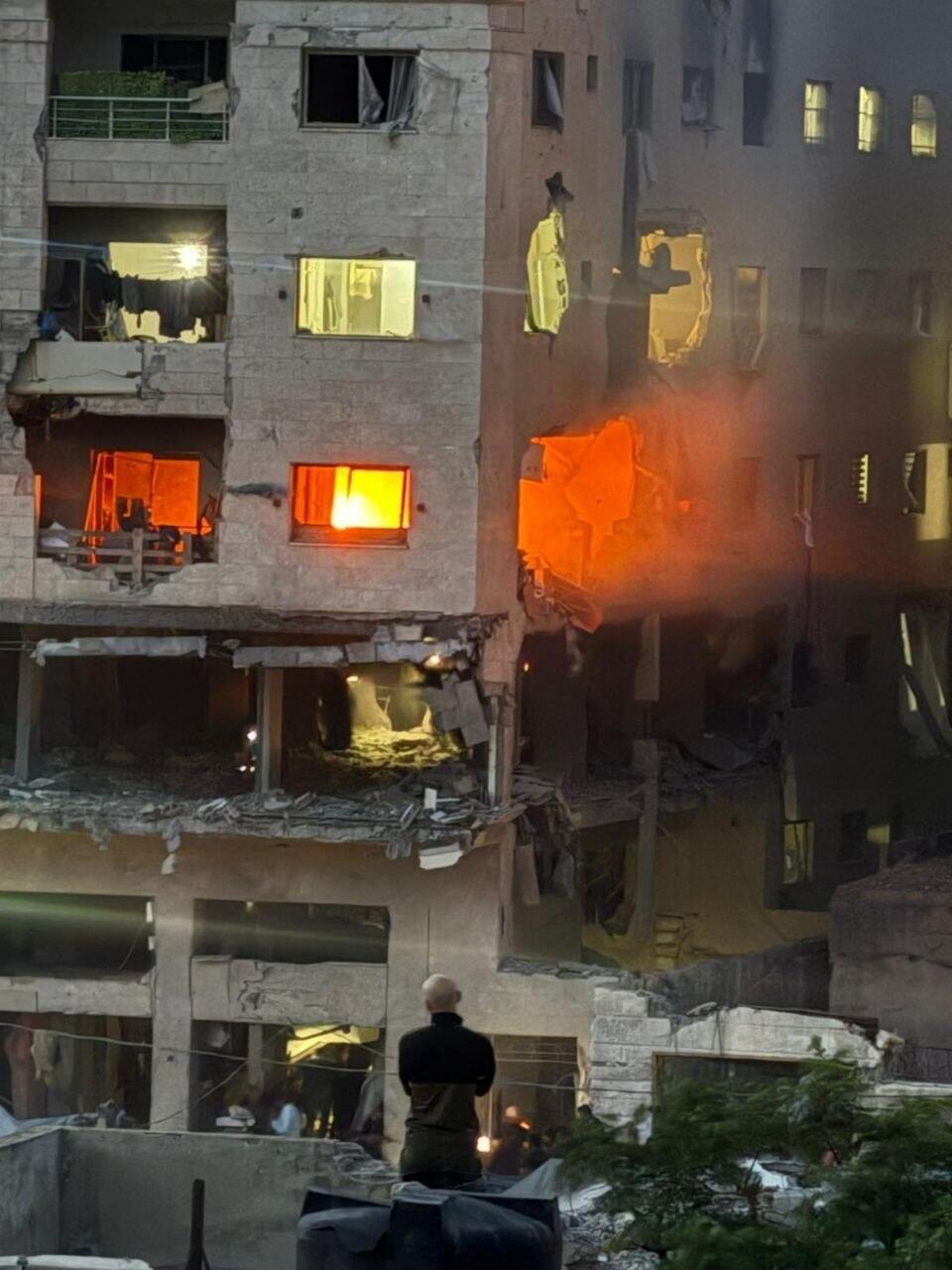
Attack on a residential building in Gaza
Security officials tracked Haddad for about a week and a half before approval for the strike was granted, a security source said. The decision, according to the source, came after intelligence indicated he had left his hideout and once there was sufficient certainty, the order was given to strike and Israeli Air Force aircraft were scrambled.
After the initial strike, a vehicle that left the building was also hit in an apparent effort to confirm the kill, the source added.
Throughout the war, Haddad repeatedly changed hiding locations and, according to Israeli security assessments, at times positioned himself near or around hostages as a protective measure against assassination.
The security source said the strike was carried out at this time due to what was described as “a high-probability operational opportunity for elimination.”
Defense Minister Israel Katz personally informed Albag’s family about the reported killing. Albag later posted on Instagram: “Every dog gets what it deserves - and you are a piece of dog.”
Former hostage Emily Damari said she was also held by Haddad, thanking security forces and calling it “a very significant closure for many people.” She said he planned October 7, “murdered my friends and many others,” and was involved in her abduction and held her in Hamas tunnels, adding: “With God’s help we will reach every one of them.”
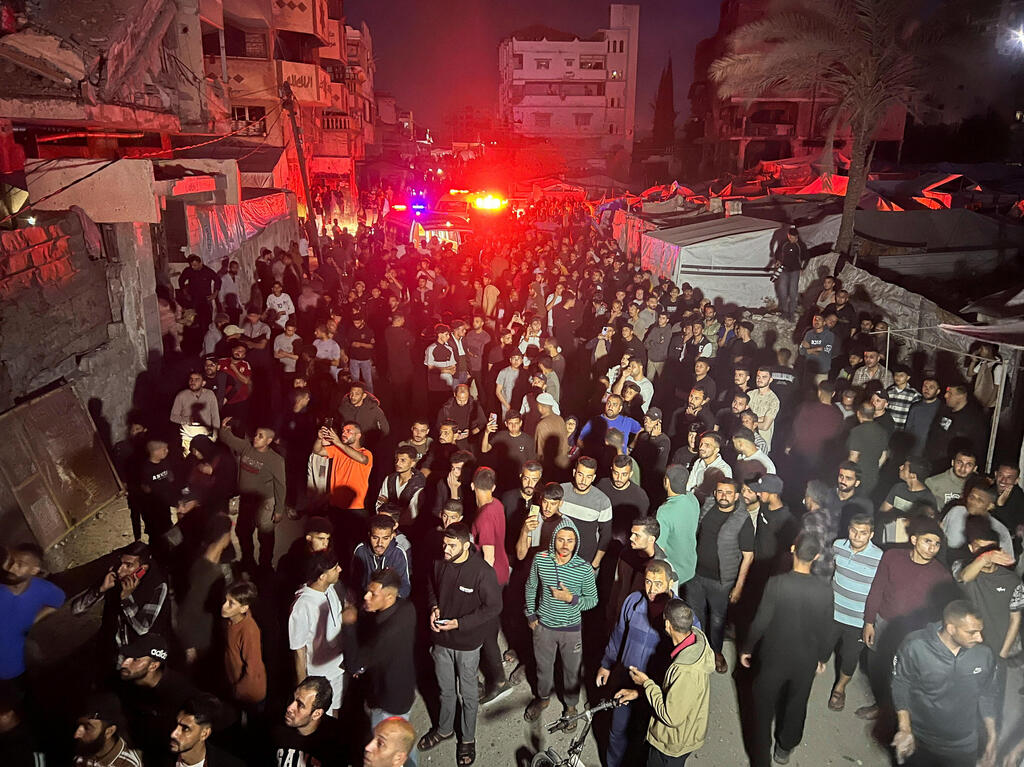
Attack on a residential building in Gaza
(Photo: REUTERS/Ebrahim Hajjaj)
Former hostage Eitan Mor has said he met Haddad during captivity, describing interactions in which Haddad spoke Hebrew and questioned him about personal details.
Mor said Haddad told him not to worry and suggested he would be released within weeks, according to the account. He added that he later understood Haddad’s role after spending extended time in Gaza.
Israeli officials said Haddad had also altered his appearance during the war, including changes to his hair and beard, in an effort to avoid detection.
First published: 20:38, 05.15.26