

The Knesset’s Constitution, Law and Justice Committee continued discussions on Monday about a proposed law to tax donations from foreign governments, aimed at curbing organizations accused of undermining Israel’s legitimacy and preventing foreign interference.
The bill, which could impact NGOs in education, human rights, labor rights and support for marginalized groups, proposes a 23% tax, similar to corporate tax, on donations to organizations significantly or partially funded by foreign entities like the European Union or foreign embassies. An earlier draft suggested a steeper 80% tax.
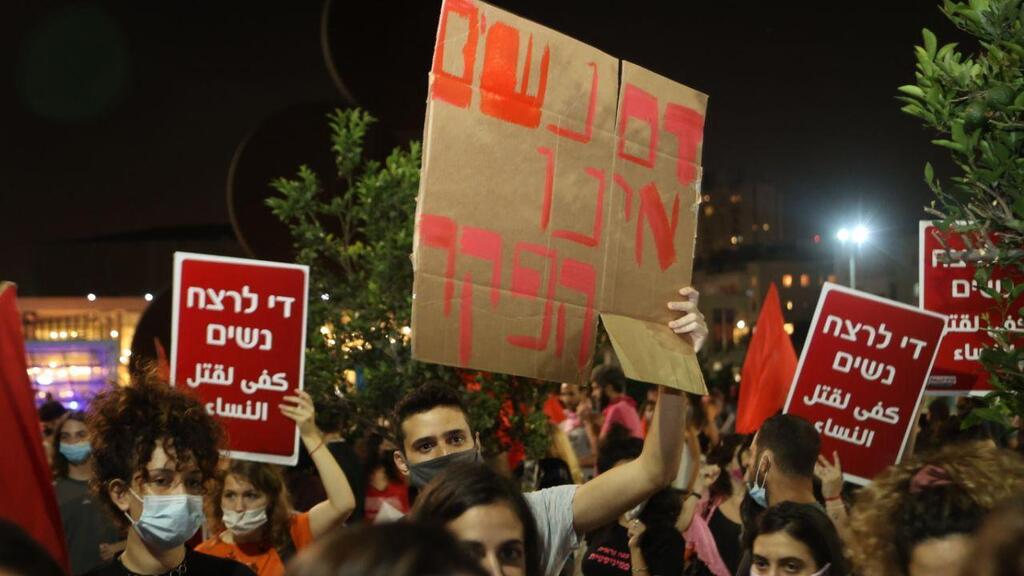
The revised proposal includes an exemption for NGOs that declare they do not engage in political activities, affiliate with political parties or entities or criticize government policy. This replaces a prior mechanism allowing the finance minister to determine exemptions.
Committee chair MK Simcha Rothman told Ynet the new exemption ensures NGOs can receive funds for research and education but prevents foreign governments from advancing their agendas under the guise of civil society. “I’m ensuring free speech for Israel, not the EU,” he said.
NGOs reliant on foreign funding for collaborative projects warn the exemption forces them to avoid government criticism, stifling their work. Hiddai Negev, CEO of the Movement for Freedom of Information, which has challenged government transparency through petitions like exposing COVID-era Cabinet protocols, called the law absurd.
“If we publish a paper urging better transparency, we’d face a fine,” he said, noting the group’s occasional EU grants for transparency initiatives. “NGOs exist to critique government when it veers off course. This law aims to silence us.”
Get the Ynetnews app on your smartphone: Google Play: https://bit.ly/4eJ37pE | Apple App Store: https://bit.ly/3ZL7iNv
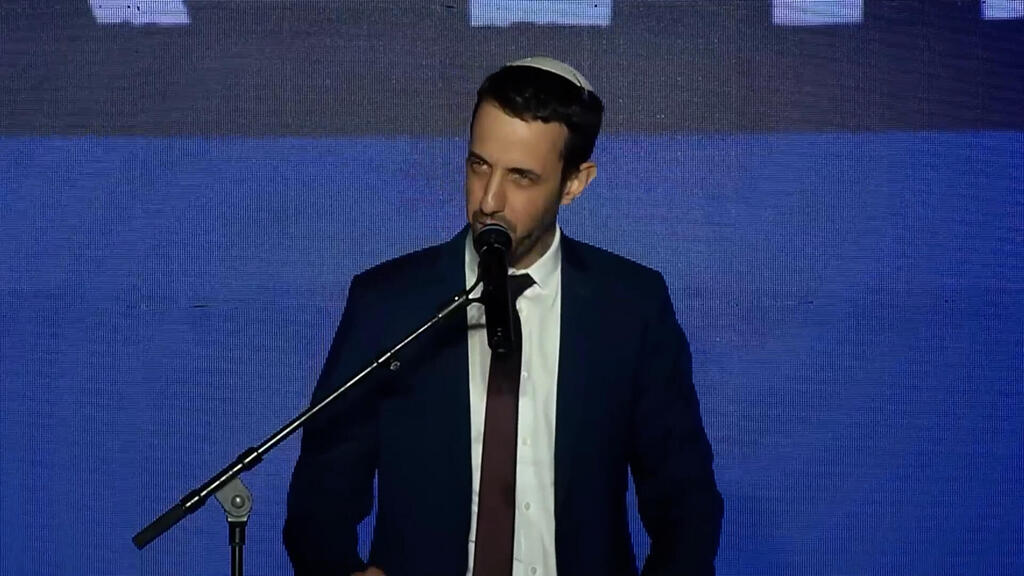
Ariel Kellne
(Photo: satview)
Batsheva Moshe, chair of Yozmot Atid, which supports women in economic distress to start businesses, acknowledged the legitimacy of monitoring funds aimed at regime change but warned the law could burden NGOs with bureaucracy, deterring valid criticism in areas like education and welfare.
Dr. Amir Fuchs from the Israel Democracy Institute argued the reduced 23% tax still devastates NGOs, as foreign donors may withdraw funding altogether. “The law forces a cruel choice: face financial ruin or abandon advocacy, protests or engaging with lawmakers,” he said.
“Should NGOs aiding Holocaust survivors be penalized for defending them in the Knesset?” Attorney Ela Alon, co-CEO of Itach-Maaki, which promotes rights for marginalized women, highlighted the funding scarcity for women’s organizations.
“This law demands NGOs act like state employees but our role is to challenge the state and address unmet needs, especially for women, whose needs laws often overlook,” she said.
Likud MK Ariel Kellner, the bill’s sponsor, countered that foreign governments should not promote their values through NGOs. “Whether it’s feminism or sovereignty over Israel, it’s improper to receive tax exemptions for that,” he said.
“The rules must be clear: foreign governments shouldn’t operate through civil organizations.” The debate underscores tensions between government oversight and NGOs’ freedom to critique, with fears the law could silence advocacy for vulnerable populations.