

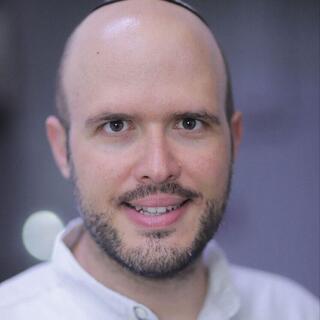
The city of Kiryat Shmona in northern Israel suffered heavy blows during the war, and nearly a third of its evacuated residents have yet to return.
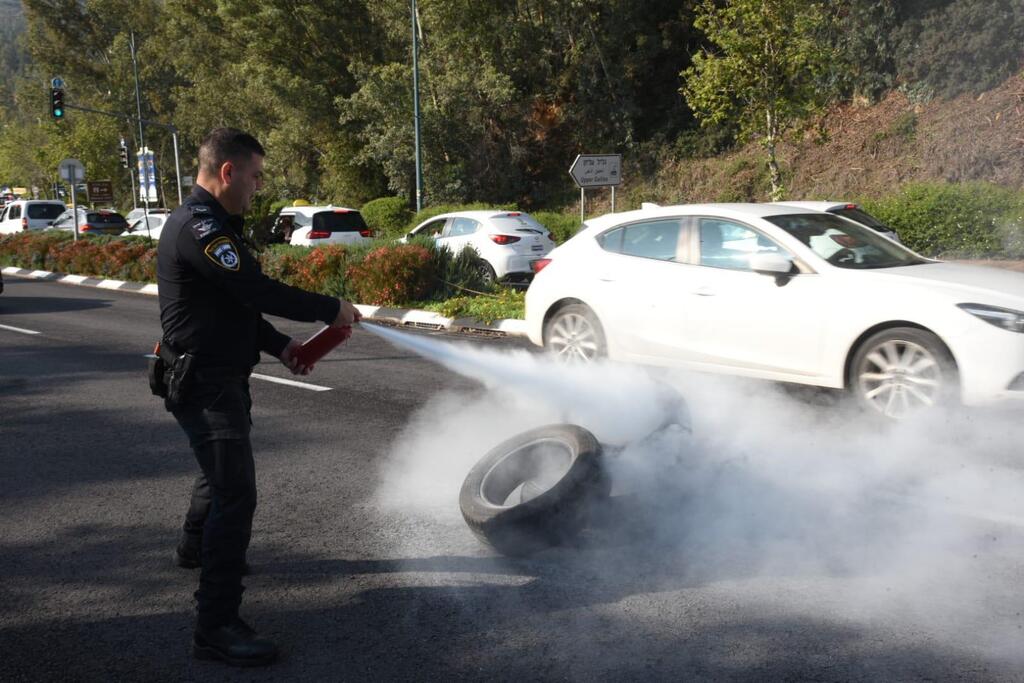
On Monday, around 100 residents took to the streets for the second week in a row, blocking the main entrance to the city for several hours in protest. Their message: the government must recognize Kiryat Shmona as a disaster-stricken area and provide targeted, long-term support. Here are the stories of four of them.
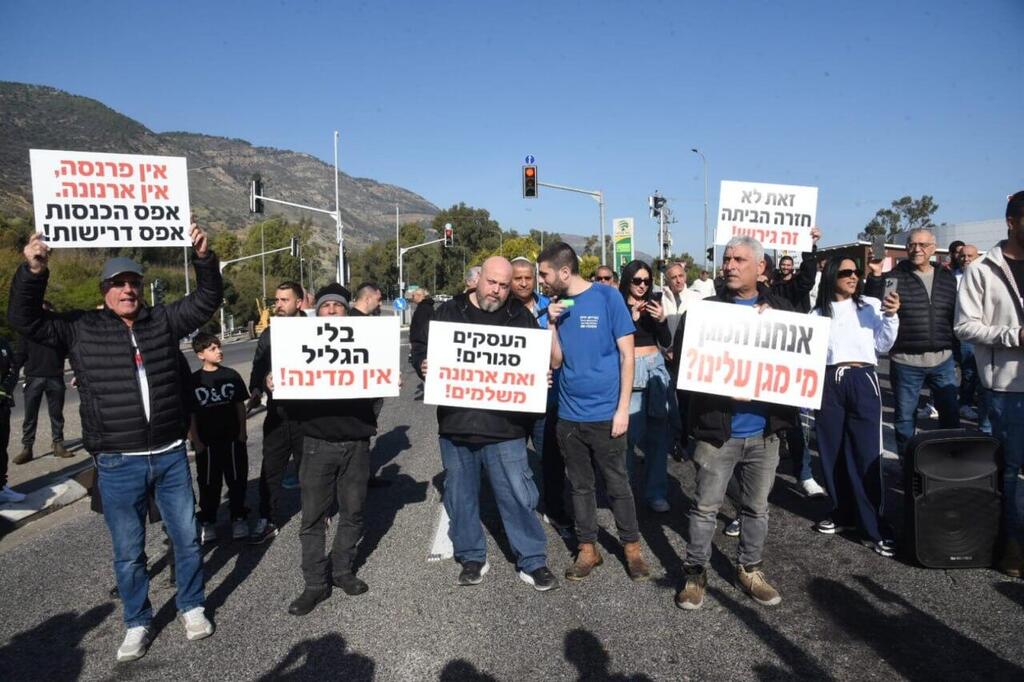
Batya Amar, 65, a mother of four and grandmother
"Since I was a child, we’ve lived under rocket fire, through wars, carrying trauma. And during the evacuation, we saw a different world"
“This is the first time in my life I’ve demonstrated,” she said. “I’ve never been to any protest before. But this time, it’s a real fight for the survival of our city, for Kiryat Shmona. I can’t just sit on the sidelines and watch.”
Amar was born and raised in the city, as was her entire family. “We love this place,” she said. “But since the evacuation, it’s not the same. The city feels empty. Many haven’t come back, especially the young people — and that’s deeply worrying.”
She described life on the border as a form of civic service. “We’ve lived like soldiers here all our lives,” she said. “Since I was a child, we’ve lived under rocket fire, through wars, carrying trauma — me and my children. And during the evacuation, we saw a different world. A world with proper healthcare, employment, culture, opportunities. Coming back here, it feels like we can’t go on like this.”
Amar described a city that shuts down by 4 p.m. “There’s nothing to do here besides work and home. Yes, they’ve tried to bring some activities to the community centers, but it’s not enough. The evacuation changed everything. Two of my four children didn’t come back. They found jobs and new lives in the center of the country.”
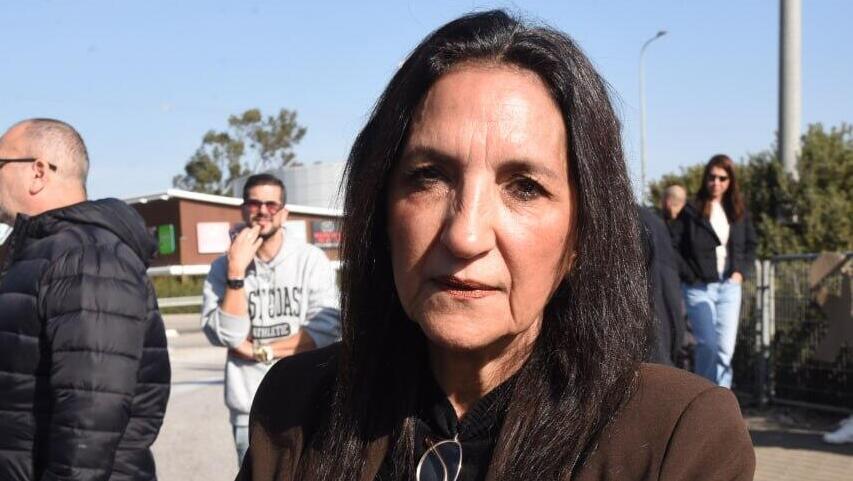
Batya Amar
(Photo: Avihu Shapira)
Since returning, she said she has been overcome with a constant sense of sadness and worry. “What will happen to Kiryat Shmona? I hear more young families talking about leaving. The government needs to understand: if they leave, who will protect the border?”
Amar called on officials to visit the city, sit with residents and listen to their frustration and pain. “It’s their duty,” she said.
She proposed creating a “financial Iron Dome” for Kiryat Shmona — a robust package of incentives to support local businesses, attract major employers and provide affordable housing through immediate subsidies and grants. She also called for investment in medical services, including an active emergency care center, and funding for growth engines such as tourism and hotel development.
Above all, she demanded tax and property rate parity with southern communities near Gaza that have received stronger government support.
Elimelech Shalom, 51, father of five
"If I had the financial means to leave, I wouldn’t be here"
“My shop — a toy and housewares store — has been here for 33 years, but today all I see around me are broken businesses. Every week, more shops close, no matter how long they’ve been open.
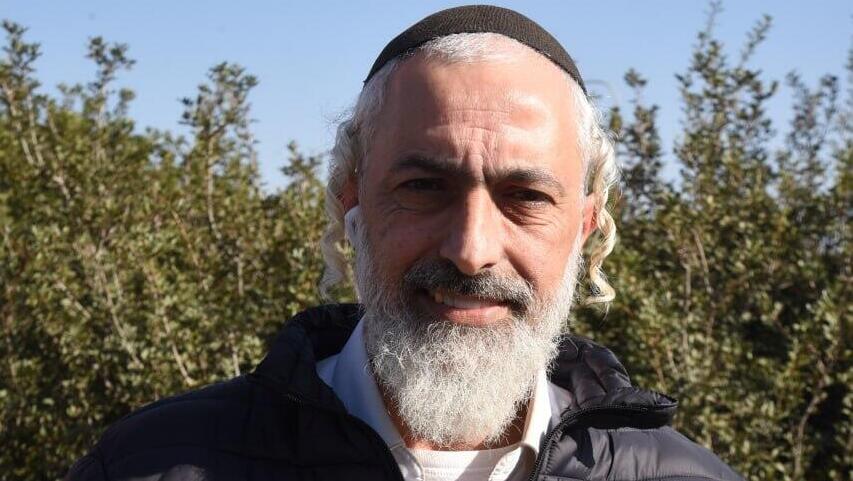
Elimelech Shalom
(Photo: Avihu Shapira)
"We’re out of oxygen. My revenue is down over 50%, and in some months since we returned, it dropped by as much as 70%. And it’s not just me. As far as the government is concerned, once the evacuation ended, the crisis was over. But we’re still in a daily battle — with the authorities, with the banks.
"The government talks about a 600 million shekel aid package for the north, but as residents and business owners, we haven’t received any help — not from the government, not from city hall. Meanwhile, we’re expected to keep paying everything: property tax, rent, regular bills. Expenses stay the same, but our income has collapsed.
"They say 16,000 people have returned to the city — that’s not true. Here, we see the reality. I doubt there are even 12,000 residents now. Many people who left are still officially registered here because it’s their first year away, but they’re not really here anymore, especially the younger ones. So where are the customers supposed to come from? If I once had 50% of the city as clients, today I fight for every single one.
"To stay afloat, I had to lay off two employees. I’m cutting expenses, running sales, slashing prices — sometimes even selling below cost — just to get people through the door. That’s the only way I can survive.
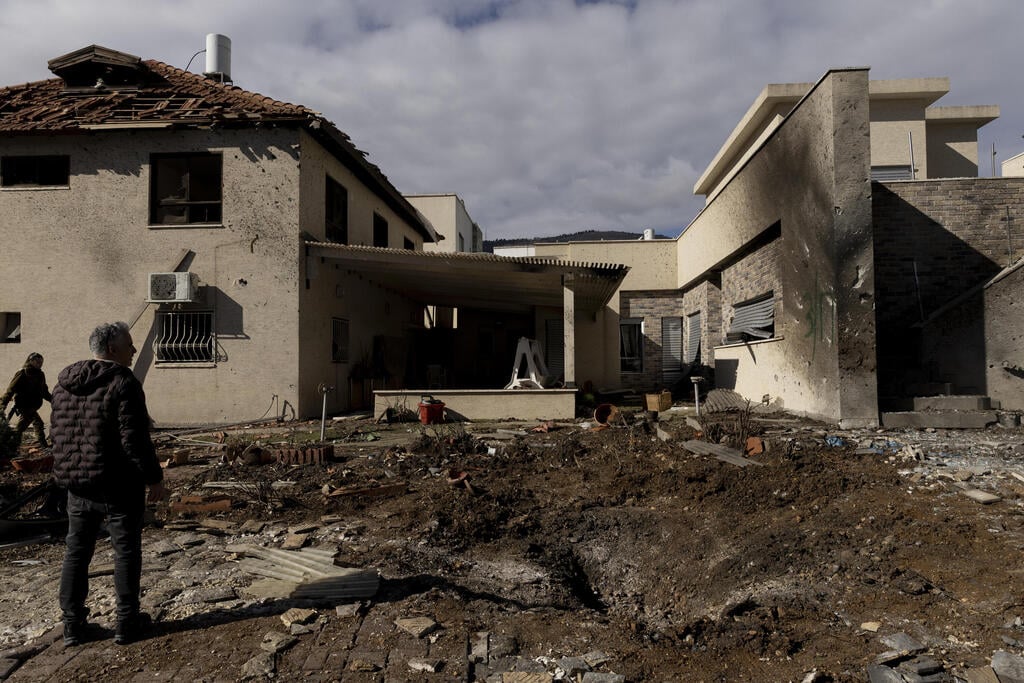
Kiryat Shmona home damaged by a Hezbollah rocket during the war
(Photo: Amir Levy/Getty Images)
"I insisted that all five of my children, aged 6 to 26, return with us to the city. But honestly? If I had the financial means to leave, I wouldn’t be here. I don’t see a future. I don’t see hope.”
Kobi Weinberg, 38, father of five
"A city can’t run on artificial life support forever"
“For a year and a half, we dreamed of coming home. I spent about 400 days on reserve duty along the northern border and brought my family back with our heads held high.
"We knew returning wouldn’t be easy, but the beginning was surprisingly good. There were many top-tier cultural events, emotional support was available and most of all, we were happy to be back near nature, the stream, the bird migrations.
"But not everything is rosy. The challenges are surfacing, and the problems that existed before have only grown worse. Many businesses never reopened, and it shows. I have talented friends who’ve been job-hunting for months with no luck because many companies that once operated here have left.
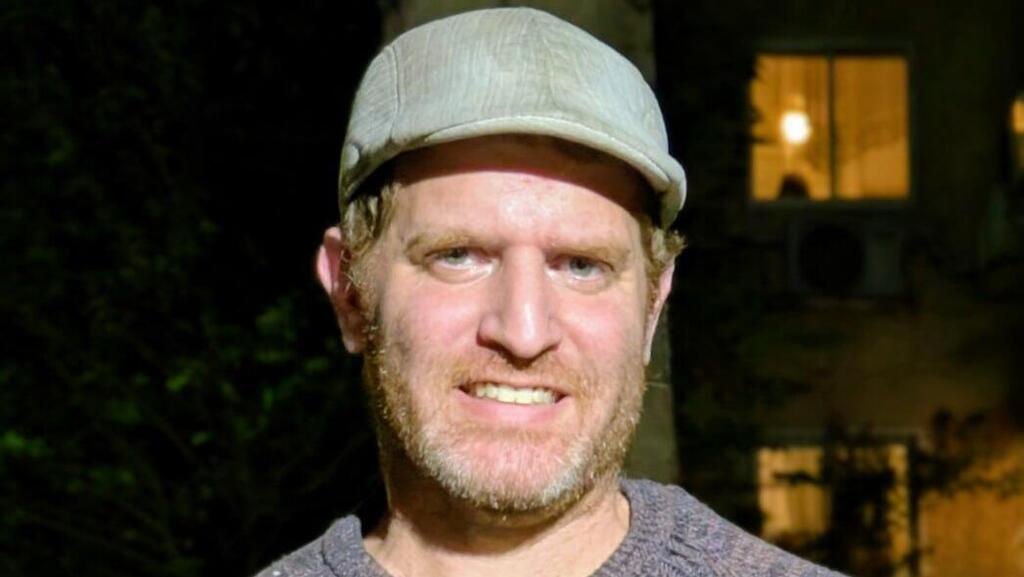
Kobi Weinberg
(Photo: Neta Weinberg)
"Kiryat Shmona went through a 25% population drop almost overnight. In our minds we’re still a city of 25,000, but in reality we’re likely fewer than 17,000. When an evacuation lasts over a year, it stops being an evacuation — it becomes migration. People have built lives elsewhere.
"But the deeper trauma isn’t just that people left — it’s the loss of the ability to plan. Over and over again, decisions were delayed until the last minute. We’ve developed a survival mindset that only looks one step ahead.
"During the war, gaps were filled with money. That’s easy, convenient — even addictive. But a city can’t run on artificial life support forever. Businesses need foot traffic, not grants. All the thousands who came to volunteer here — now we need them to come shop and enjoy. We need customers. We need routine.
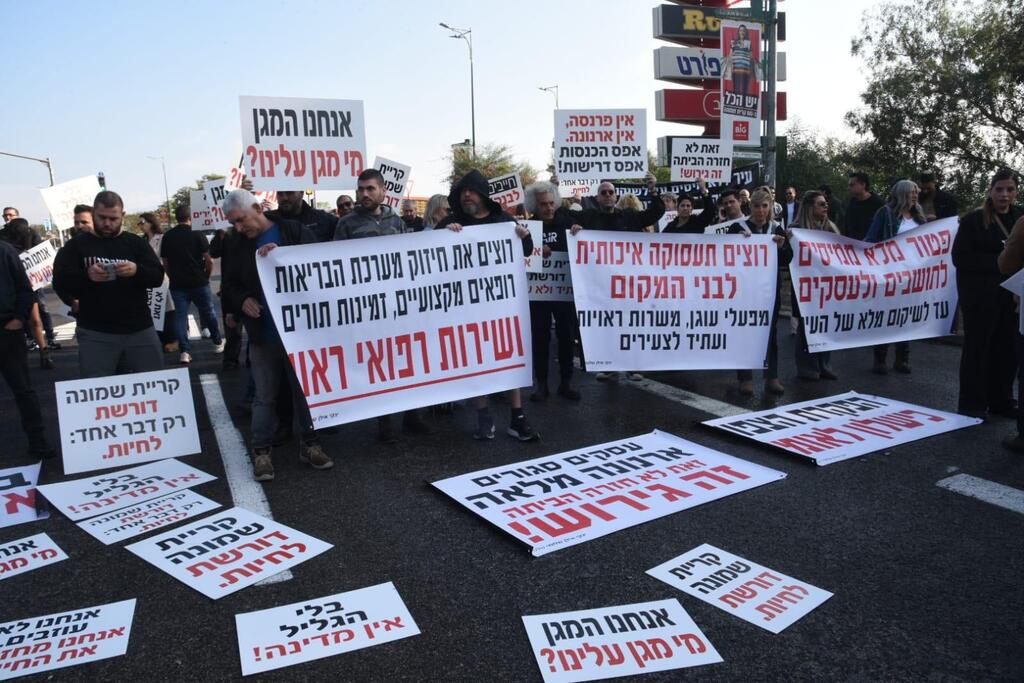
(Photo: Avihu Shapira)
"Our protests as residents give me hope. But if all this ends with just a demonstration and a hope that someone will save us, it will fail.
"The state hasn’t given up on us — it just doesn’t know what to do. And we’re confused too. Now it’s time to take a breath and start building something stable. There’s a chance here to create a stronger city and region. And things are happening — at Kiryat Shmona’s pace.”
Hana Albilia, 62, mother of one and grandmother
"We’re taken for granted, maybe because they assume people here will vote for them no matter what"
“I spent the entire war evacuated at the Crowne Plaza Hotel at Azrieli in Tel Aviv. There, I discovered things I had never known — things every citizen deserves. Like proper healthcare.
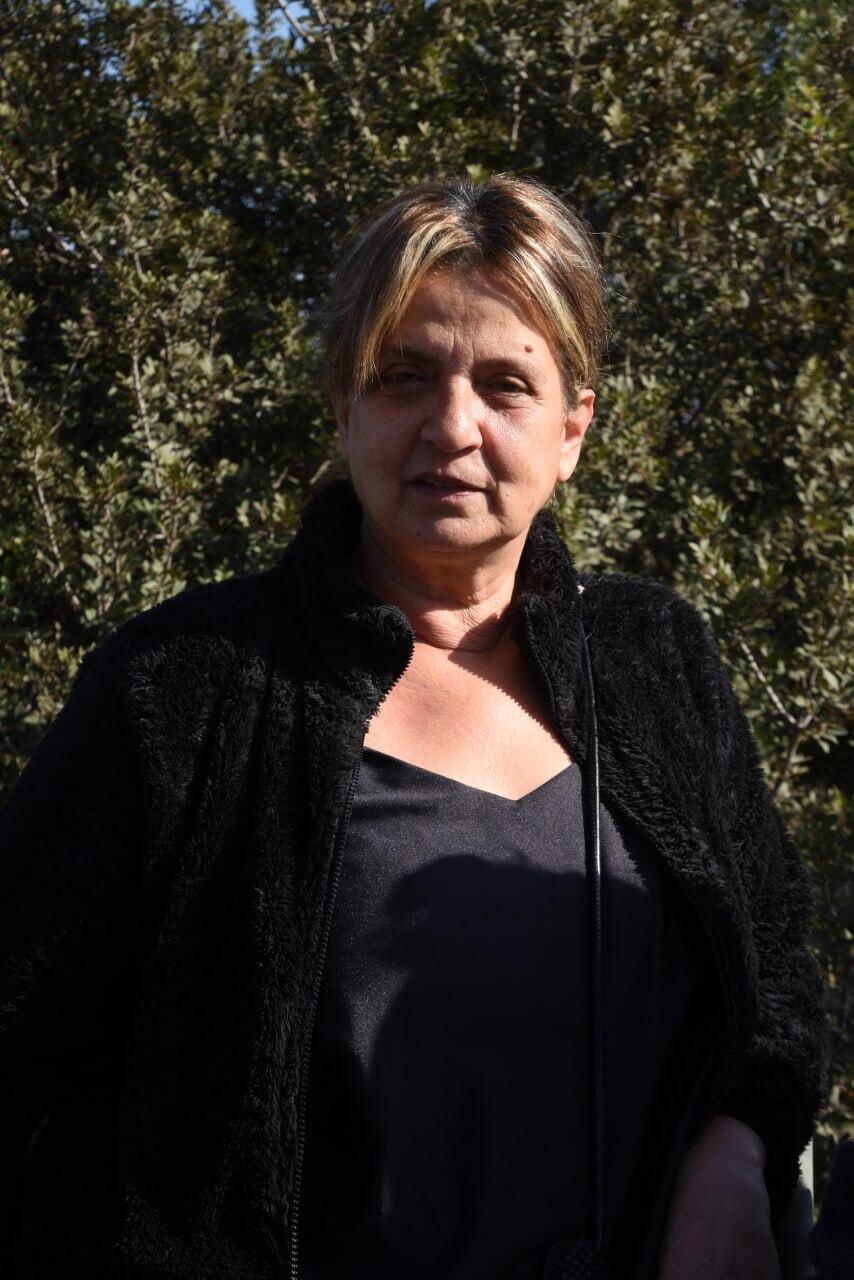
Hana Albilia
(Photo: Avihu Shapira)
"In Tel Aviv, everything is accessible. Here, if I need a hearing test, I wait six months. Even the hospital in Safed can’t provide everything, so we have to travel to Rambam in Haifa or to Tel Aviv. Do you know how many people died on the way to the hospital before even reaching Safed?
"The government doesn’t understand — Kiryat Shmona is already dead. Businesses are closed. Try going out at 5 p.m. to buy something — everything’s shut because it’s not profitable to stay open. There are no people.
"I believe more than 50% of the city has left, and more are leaving. I feel like we’re treated this way because they know we came back only because we had no choice. Those who did have a choice stayed in the towns they evacuated to.
(Photo: Avihu Shapira)
"I have one grandchild. When he finishes school, there’s nowhere to take him. No decent playgrounds — everything’s filthy. There’s no clean or pleasant place to sit. They barely opened any afternoon activities for kids.
"We’re talking about basic needs. We pay full property tax but get nothing in return. We’re taken for granted, maybe because they assume people here will vote for them — for Likud — no matter what.
"The politicians come, show their faces and leave. I’ve always relied on myself, not the municipality or anyone else. But I’ve had enough. We’re holding the north. Without us, what will be left here? Just a military base?”