

The global oil and gas crisis triggered by the blockade of the Strait of Hormuz is “more serious than the ones in 1973, 1979 and 2022 combined,” International Energy Agency Executive Director Fatih Birol said in an interview with the French newspaper Le Figaro.
“The world has never experienced a disruption to energy supply of such magnitude,” Birol said in remarks published in Tuesday’s edition.
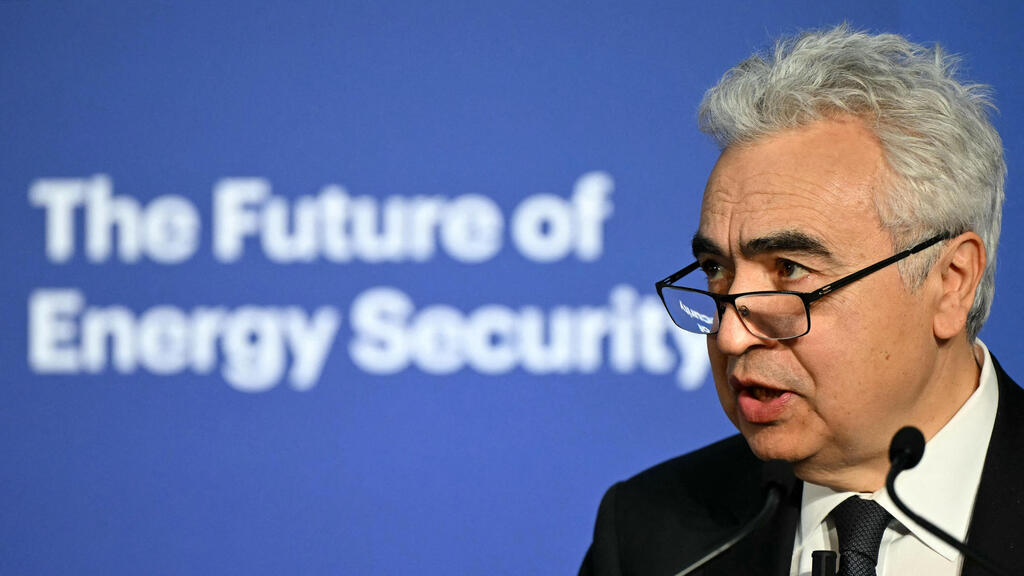
Fatih Birol
(Photo: Justin Tallis/Pool/AFP)
Oil prices are rising again ahead of the expiration of an ultimatum set by U.S. President Donald Trump for Iran. Energy markets are closely watching developments in the conflict, particularly Trump’s demand that Iran reopen the Strait of Hormuz or face U.S. strikes on civilian infrastructure.
A barrel of West Texas Intermediate crude is trading at around $114, while Brent crude is trading at about $111 per barrel.
Birol said that European countries, along with Japan, Australia and others, are expected to be affected. However, developing nations face the greatest risk, with higher oil and gas prices likely to drive up food costs and accelerate inflation.
IEA member countries agreed last month to release part of their strategic reserves. Birol said some supplies have already been released and the process is ongoing.
The waterway, a critical global shipping route, carries about 20% of the world’s oil and gas supply, and the blockade has driven a sharp increase in energy prices.