

UNESCO is expected this week to declare Beaufort Castle and several other sites in southern Lebanon as cultural heritage locations in danger, as the war between Israel and Hezbollah approaches its third year.
The Crusader fortress, a powerful symbol of Israel’s long military presence in Lebanon, is expected to be added to the endangered list alongside other sites that UNESCO says face threats from war, environmental damage and climate change.
Gallery
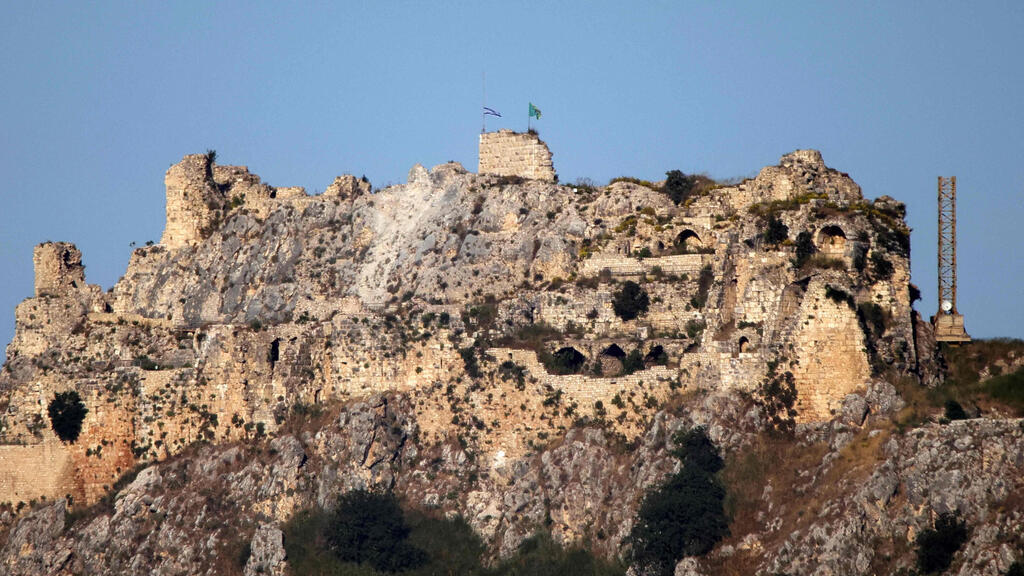
UNESCO is expected to declare Beaufort Castle and several other sites in southern Lebanon as cultural heritage locations in danger
(Photo: AFP stringer / AFP)
Representatives of UNESCO’s 196 member states will begin voting Friday on additions to the World Heritage List and the List of World Heritage in Danger during the organization’s conference in Busan, South Korea.
“We may not have the means to deploy peacekeepers, but we can send a message to the entire world,” Lazare Eloundou Assomo, director of UNESCO’s World Heritage Center, told AFP.
“These sites matter, and everything must be done to prevent their destruction,” he said, adding that protecting cultural heritage can help traumatized communities begin recovering after conflict.
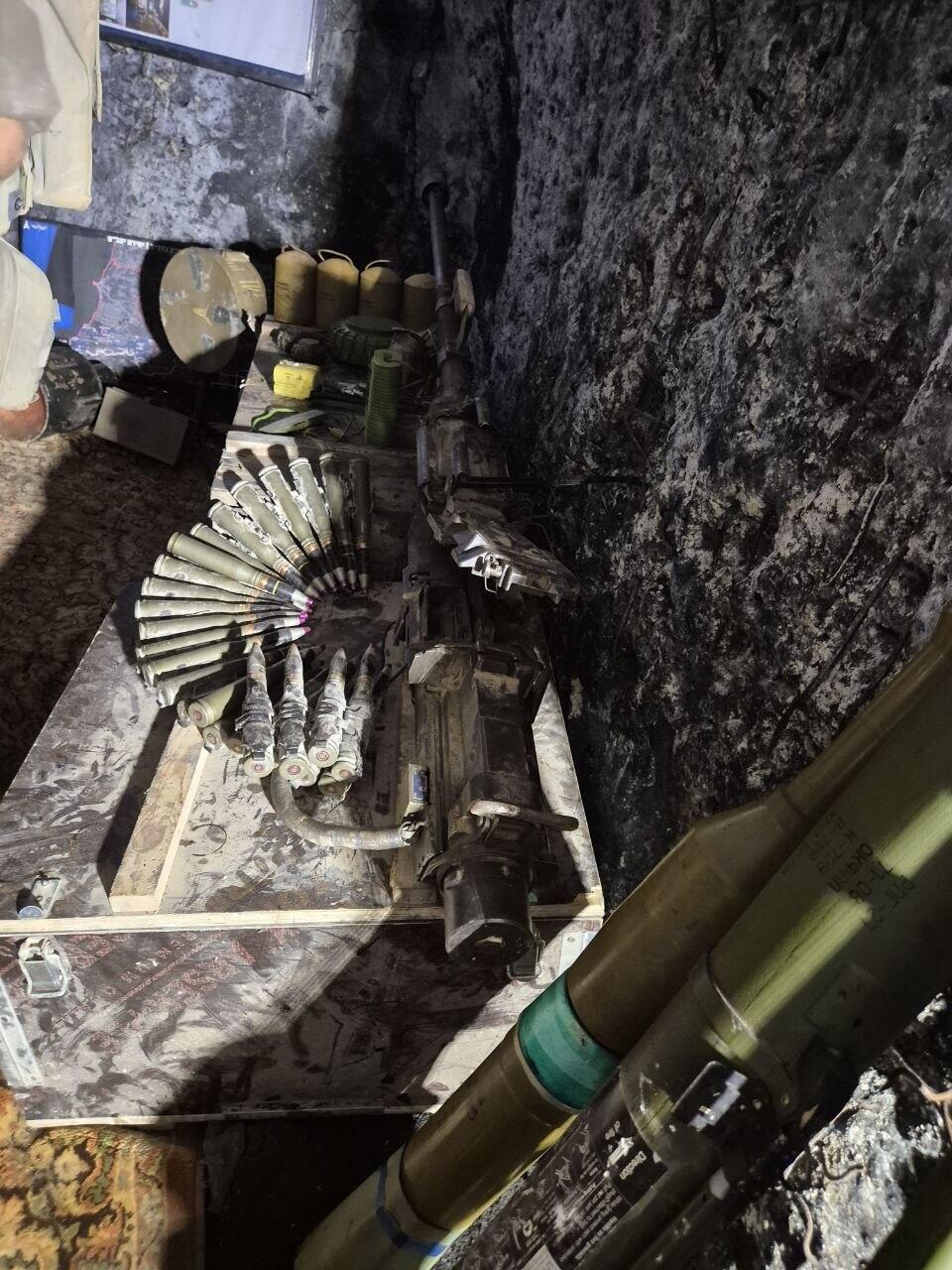
Hezbollah weapons located at the Beaufort area
(Photo: Elisha Ben Kimon)
Around 1,200 sites worldwide are currently included on UNESCO’s World Heritage List. Designation can boost tourism and economic activity while opening access to funding for preservation work.
Assomo stressed that placing a location on the endangered list is not intended as a reprimand, but as a way to help governments secure “funding, partners and attention” for its protection.
Three locations that are not yet recognized as World Heritage sites are expected to undergo an expedited process and be considered directly for inclusion on the endangered list.

Footage of Hezbollah terrorist in a tunnel at the Beaufort area
(Photo: IDF)
Among the leading candidates are five fortresses in southern Lebanon, including Beaufort Castle, known in Arabic as Qal’at al-Shaqif. The IDF captured the fortress in May, 26 years after withdrawing from the site.
A strategic symbol overlooking southern Lebanon
Beaufort Castle stands on a high ridge near the bend of the Litani River, overlooking large parts of southern Lebanon and the area facing Israel’s Galilee Panhandle.
Its commanding position has made it one of the region’s most strategically important and politically charged locations for decades. Control of the fortress provides extensive observation capabilities across the surrounding terrain, and Israeli defense officials have long regarded it as a valuable position for monitoring and distancing threats from northern communities.
Before the First Lebanon War, the fortress was held by Palestinian terrorists from the PLO, who used its elevated position to fire mortars and rockets toward communities in northern Israel and monitor possible IDF movement routes into Lebanon.
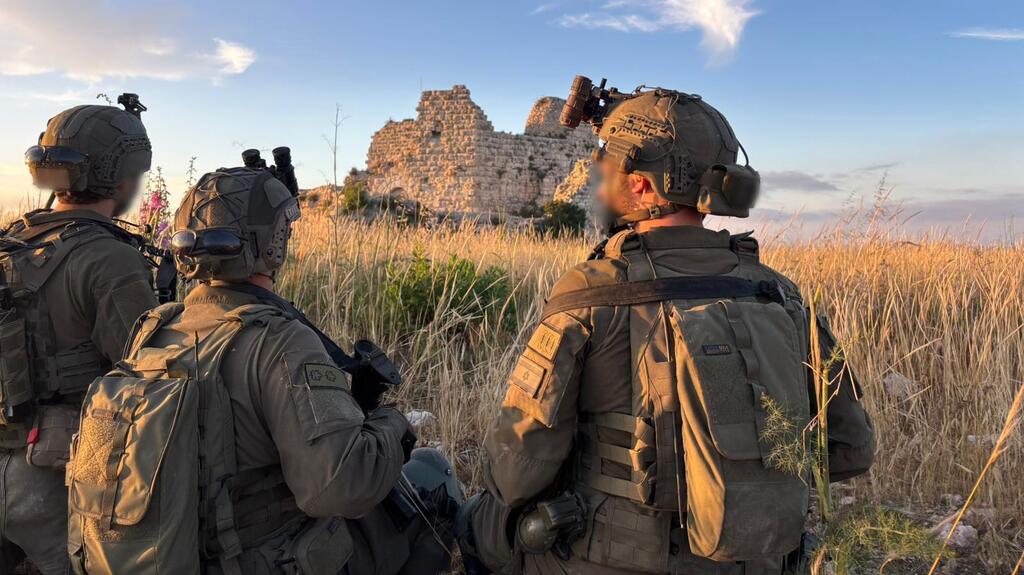
IDF forces at the Beaufort area
(Photo: IDF)
When Israel launched Operation Peace for Galilee in 1982, capturing the fortress became one of the IDF’s first and most symbolic objectives. Golani reconnaissance troops took the site in June of that year.
After the IDF withdrew to the security zone in 1985, Beaufort’s role changed from an offensive staging point to an isolated forward outpost deep inside southern Lebanon.
For around 15 years, Israeli soldiers remained at the fortified position under repeated Hezbollah fire. The road leading to the outpost became known as the “Route of Blood” because of the roadside bombs and attacks that killed numerous troops.
For a generation of Israeli soldiers and families, Beaufort became a symbol of the country’s prolonged and costly presence in Lebanon.

IDF soldiers during the May 2000 withdrawal from Lebanon. The military returned 26 years later
The IDF evacuated the position during Israel’s withdrawal from southern Lebanon in May 2000. The military installations built around the historic fortress were then demolished to prevent Hezbollah from staging a victory display at the site.
Israeli forces returned to the fortress in May. The IDF later released footage of a tunnel network built in the area over roughly a decade and used as a command center for hundreds of terrorists.
According to the military, around 400 rockets were launched toward northern Israel from the complex. The IDF said it had begun destroying the underground infrastructure.
Sebastia also expected to receive endangered status
UNESCO members are also expected to vote on adding the archaeological site of Sebastia in the West Bank to the endangered heritage list.
The site contains the remains of the biblical city of Samaria. AFP reported that Palestinians living in the nearby village, which is under combined Israeli and Palestinian control, have long depended on visitors to the ruins for their livelihoods and fear Israel could restrict access entirely.
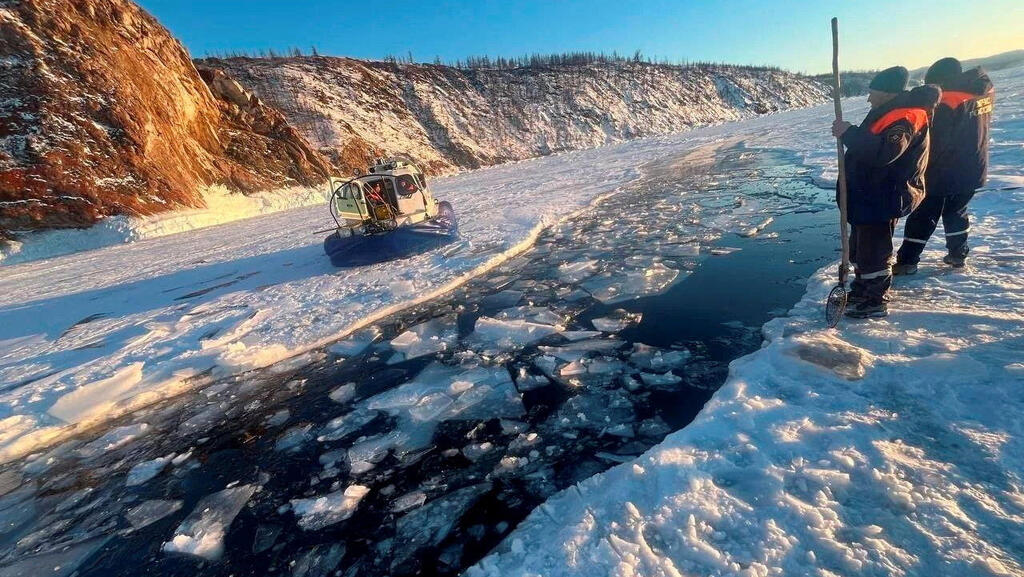
Frozen Lake Baikal, which holds 20% of the world’s unfrozen freshwater reserves
(Photo: THIRD PARTY MANDATORY CREDIT REUTERS )
The site has also suffered repeated damage in recent years, including fires and Arabic graffiti left on archaeological remains.
Israel withdrew from UNESCO in 2017 but remains a member of the World Heritage Committee, which has the final authority over sites placed on the organization’s heritage lists.
Other candidates for immediate endangered status include the Boma-Badingilo grasslands and wooded savannas of South Sudan, where war and climate change threaten one of the world’s largest wildlife migrations.
Around one million animals, including antelopes and gazelles, move annually through the vast wilderness between the White Nile and the Ethiopian border.
Several existing World Heritage sites may also be reclassified as endangered.
These include the Roman baths, a second-century triumphal arch and the hippodrome in the southern Lebanese city of Tyre, which has been heavily bombed during the conflict.
Another potential candidate is the ancient Greek settlement of Chersonesus in Crimea, which Russia unilaterally annexed from Ukraine in 2014. Ukraine says unauthorized excavations, major construction projects and the removal of antiquities have placed the site at risk.
Russia’s Lake Baikal, the deepest lake in the world, may also be added to the endangered list because of pollution, mass tourism, deforestation and declining water levels linked to a dam built upstream in Mongolia.
Russia says the vast Siberian lake holds around 20% of the world’s unfrozen freshwater reserves. Known as the “Galapagos of Russia,” it supports an exceptional variety of plants and wildlife.
Other sites competing for regular World Heritage status include the Normandy beaches in France, where Allied forces landed on June 6, 1944, two theaters built in the Brazilian Amazon and the Tunisian village of Sidi Bou Said.