

CNN reported Monday that a senior intelligence officer at U.S. Central Command sent a broad internal email asking military analysts to suggest new ways to increase pressure on Iran.
“We are looking for new creative and unconventional ways to pressure and punish Iran,” the officer wrote in the message, which was distributed Wednesday, according to a source familiar with it. A second source confirmed that a senior U.S. military officer had solicited proposals for dealing with Tehran.
Gallery
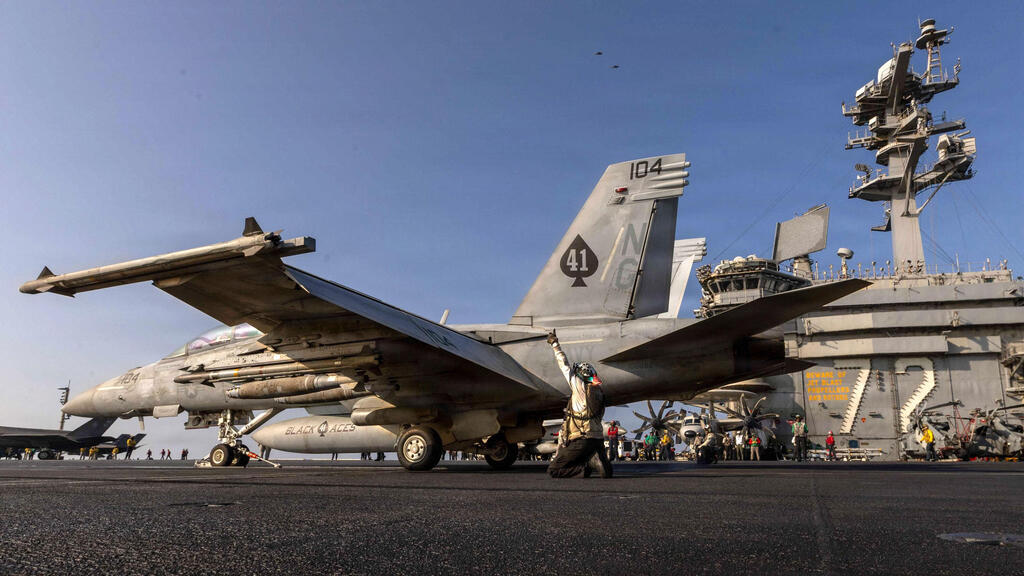
'We are looking for new creative and unconventional ways to pressure and punish Iran,' the US officer wrote in the message
(Photo: US NAVY / AFP)
The unusual crowdsourcing effort reflects the limited and politically difficult options available to President Donald Trump as he attempts to compel Iran to accept an agreement on U.S. terms.
CENTCOM is reassessing its current approach and examining a wide range of alternatives, one source said. The senior officer initiated the email brainstorming effort in the hope that analysts might identify an option that had not yet been considered.
“U.S. Central Command has a long history of thinking and working in innovative ways,” Capt. Timothy Hawkins, a spokesperson for CENTCOM, said in a statement. “Admiral Cooper, in particular, reaches out to members of our great team, regardless of rank, to achieve the highest levels of operational performance possible.”
The request was sent shortly before Trump threatened another major attack on Iran, only to cancel the planned strikes over the weekend after regional leaders, including Saudi Crown Prince Mohammed bin Salman, urged him to de-escalate.
The United States has conducted weeks of airstrikes intended to weaken Iran’s ability to threaten shipping in the Strait of Hormuz and push Tehran back into negotiations. So far, however, there has been no clear indication that the campaign has produced an agreement.
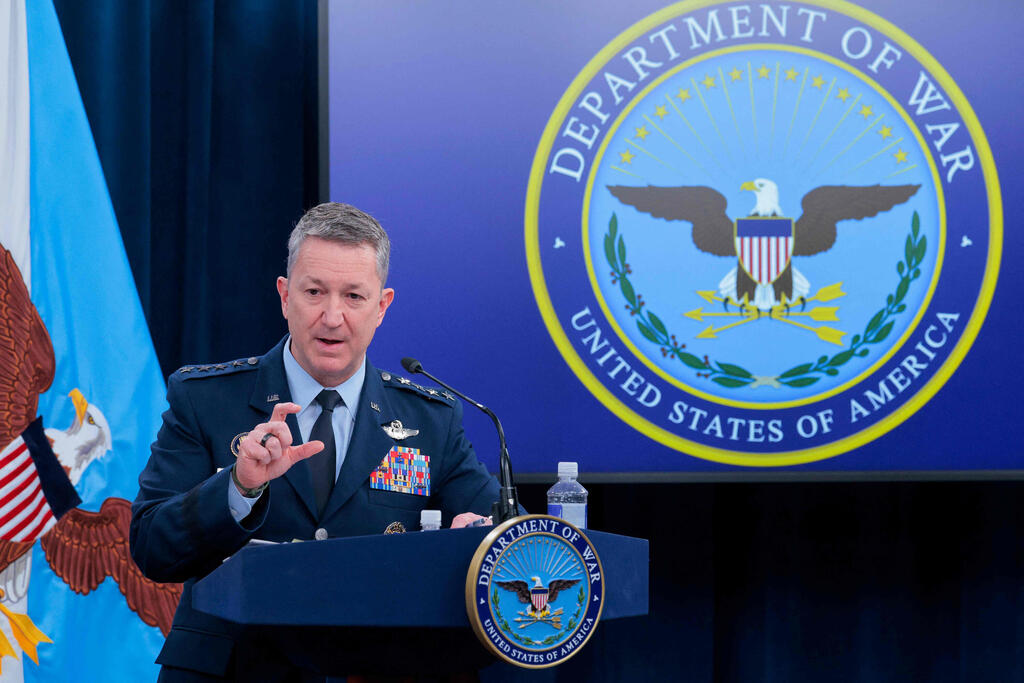
Joint Chiefs Chairman Gen. Dan Caine acknowledged that air power alone would not achieve the objectives
(Photo: CHIP SOMODEVILLA / GETTY IMAGES NORTH AMERICA / AFP)
Trump has considered expanding the military operation, including renewed strikes on Iranian nuclear facilities. Two people familiar with the planning said the U.S. military had prepared options targeting Pickaxe Mountain and other locations believed to contain nuclear material or equipment.
Those sites are believed to be buried so deeply underground that conventional missiles and bombs may be unable to destroy them. Achieving that objective could require ground forces, an option carrying substantial risks that Trump has so far been reluctant to accept.
Eighteen U.S. service members have been killed in the fighting, according to the report, amid growing questions about the administration’s transparency regarding military casualties.
Trump has also considered highly visible strikes resembling a “fireworks” display, according to another source. Such an operation could target sites struck previously and provide a symbolic victory, allowing the president to reduce U.S. involvement without eliminating Iran’s nuclear program.
That approach would also be unlikely to settle the central dispute over Iranian claims in the Strait of Hormuz.
“At the end of the day, POTUS will want a deal, so he’ll continually look for ways to get tough and get out of this,” one person familiar with recent planning discussions said.
“You need creative minds at times, especially if you’re running out of conventional options.”
Recent assessments by the Central Intelligence Agency and Defense Intelligence Agency concluded that the current bombing campaign was unlikely to alter Iran’s negotiating position.
Gen. Dan Caine, chairman of the Joint Chiefs of Staff and Trump’s senior military adviser, has also acknowledged that airstrikes alone are unlikely to achieve all the administration’s stated objectives.
“Air power has its limits,” Caine told lawmakers last month.
Military officials have spent months preparing and debating possible escalation plans, while additional American forces and equipment have been deployed to the region.
One CENTCOM proposal would involve an intensive one- or two-week bombing campaign aimed at destroying Iran’s missile capabilities, according to U.S. officials.
Trump has not approved that plan, partly because Caine raised concerns about shrinking U.S. stocks of air-defense interceptors. Officials have also warned that attacks on bridges, desalination plants and other infrastructure could cause large numbers of civilian deaths.
A ground operation would offer another route for escalation. Trump has repeatedly discussed occupying the strategically important Kharg Island or seizing Iran’s highly enriched uranium.
Sending American troops into Iran, however, would contradict a central promise Trump made to his political base.
“I will not send you to fight and die in stupid foreign wars that never ends,” he said during a 2024 campaign rally in Pennsylvania.
The alternative may be a prolonged cycle of U.S. and Iranian strikes that costs additional American lives and leaves shipping through the Strait of Hormuz under constant threat, resembling the open-ended wars Trump has repeatedly criticized.
“I think we just want to win,” Trump said during a Cabinet meeting Friday when asked how the war might end. “We’ll be hitting them very hard, and you know, at some point, they’re going to say, ‘We just can’t take it anymore.’”