

U.S. President Donald Trump said Tuesday that the Strait of Hormuz was open to all shipping except vessels linked to Iran, as American forces resumed a naval blockade on Iranian ports following a new wave of strikes across the Persian Gulf.
“Oil is flowing like never before, thanks to the awesome power of the United States military,” Trump wrote on Truth Social, praising Defense Secretary Pete Hegseth, Joint Chiefs Chairman Gen. Dan Caine and U.S. Central Command chief Adm. Brad Cooper.
Footage shows smoke rising from Chabahar, Iran


“The Strait of Hormuz is open to all ship traffic except for Iran,” he wrote, blaming Tehran’s “lying, violent, malicious leadership” and warning that it was leading the country toward “total destruction.”
Trump said the United States would enforce a “full blockade” on ships sailing to or from Iranian ports, as well as vessels carrying Iranian cargo.
He also announced that he had dropped a proposed 20% reimbursement fee on cargo passing through the strait after talks with Gulf leaders. Instead, he said regional states would make “massive” trade and investment commitments in the United States that would create millions of American jobs.
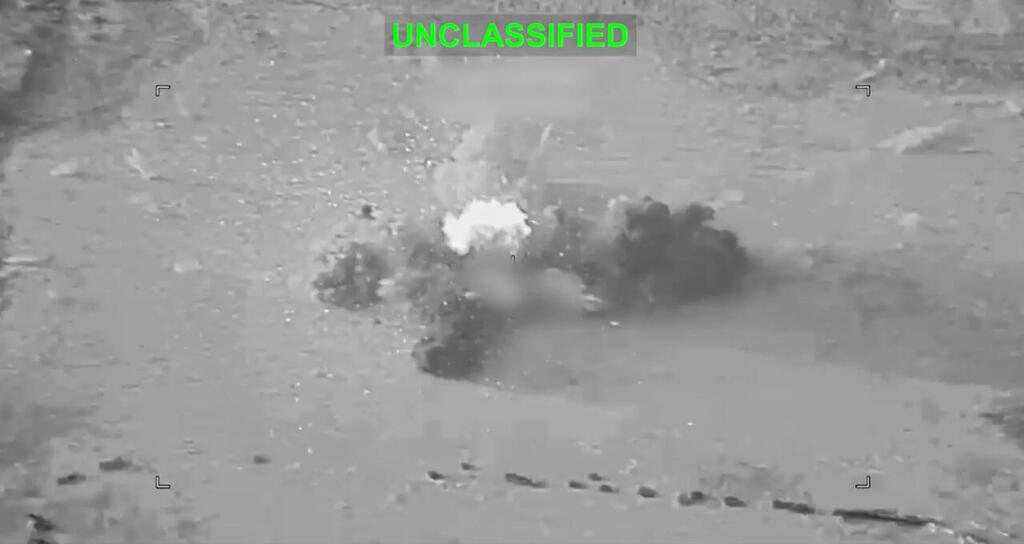
US military strikes in Iran
(Photo: CENTCOM)
Trump concluded the post by declaring that the era of Iranian regional violence was over and that “Iran will never have a nuclear weapon.”
The statement came after U.S. Central Command said American forces had resumed the naval blockade against vessels entering or leaving Iranian ports and coastal areas.
CENTCOM said more than 20 U.S. Navy warships and hundreds of military aircraft were operating across the Middle East, adding that American forces remained “vigilant, lethal, and ready.”
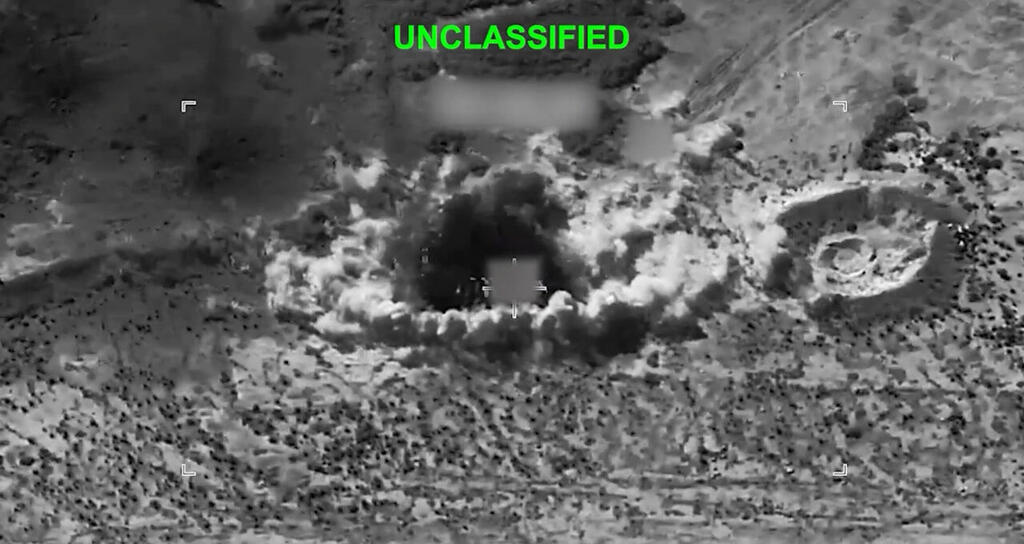
(Photo: CENTCOM)
Earlier Tuesday, U.S. fighter jets, drones and naval vessels carried out a roughly seven-hour operation against dozens of Iranian military targets near the Strait of Hormuz and along Iran’s coastline.
A U.S. official said the strikes were intended to destroy emerging threats. Iranian media reported explosions in the southwestern city of Ahvaz, on Qeshm and Kish islands, in Bandar Abbas and near a power station on Kish.
CENTCOM later announced another wave of strikes aimed at degrading Iran’s ability to attack commercial vessels in the strait.
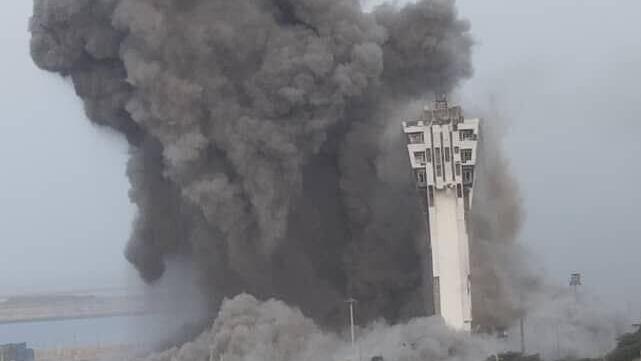
US strikes Iran
Iran also launched attacks across the Gulf. Kuwait said it intercepted one ballistic missile, five cruise missiles and 33 drones, while Bahrain reported dealing with Iranian launches. Four Kuwaiti naval personnel were wounded after interceptor fragments struck several locations, according to the Kuwaiti military.
Iran’s Revolutionary Guard Corps claimed it had struck military facilities in Bahrain and Kuwait, damaged equipment and targeted U.S. naval fuel tankers. It warned that its attacks would continue as long as U.S. strikes continued.
The IRGC also repeated its threat to close the Strait of Hormuz, declaring that either all regional countries would be permitted to export oil and gas or none would.
Iranian officials rejected the legality of the blockade and said no agreement had been reached with Oman over the strait.
Deputy Foreign Minister Kazem Gharibabadi said Tehran had no current obligations under previous understandings and accused Washington of attempting to force Iran back into negotiations through military pressure.
Trump later said Iran had squandered an opportunity to reach an agreement and had made a “big mistake” by striking first.
“We have been knocking the hell out of them,” he said during a White House meeting with Iraqi Prime Minister Ali al-Zaidi.
In a separate interview with Fox News, Trump said U.S. military operations would continue “until I say enough” and warned that bridges and power stations could be targeted if Tehran refused to return to negotiations.
He also said Iran had little military capability left and suggested that strikes on the country’s energy infrastructure were being held in reserve.