


Israel has raised its military alert level and is preparing for the possibility of renewed fighting with Iran at short notice, but Prime Minister Benjamin Netanyahu and senior defense officials remain reluctant to initiate another military campaign ahead of the October 27 election. The heightened readiness comes as U.S. President Donald Trump leaves open the possibility of additional strikes against Iran, raising concerns that a miscalculation could trigger a war neither Israel nor Tehran necessarily intended to start.
The IDF is closely monitoring developments in Iran and preparing for a rapid return to combat if necessary. Tehran, meanwhile, is working to rebuild its military capabilities, strengthen its defenses and prepare for another possible confrontation with Israel and the United States. However, Iranian military preparations do not necessarily indicate that an attack is imminent, nor do they automatically justify an Israeli preemptive strike.
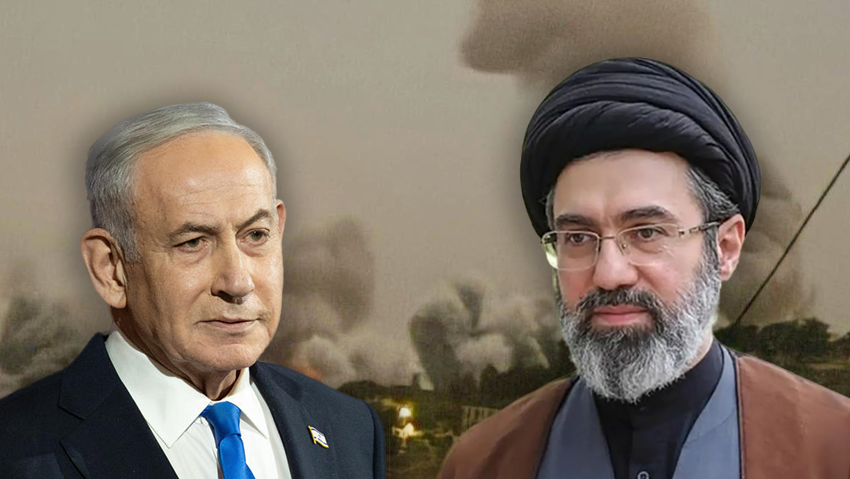
Conversations with Israeli defense officials suggest that Netanyahu, who has publicly said Israel does not intend to initiate another war, is also unenthusiastic about launching a new offensive against Iran in internal discussions. With less than two weeks remaining before the election, officials are struggling to identify a clear strategic objective that could justify the costs of another war and produce a meaningful result within such a short period.
The killing of Iran's former supreme leader, Ali Khamenei, has already taken place. A decisive blow to Iran's nuclear program could constitute another major strategic achievement, but beyond that, there is currently no obvious objective of comparable importance that could be achieved quickly enough to fundamentally change the situation.
More importantly, Israeli officials do not appear to see an immediate threat so urgent that military action cannot wait another two weeks.
Even the assumption that Israel could launch a limited operation, achieve its objectives and quickly return to normal life is being treated with caution. Israel can decide how to begin a military campaign, but it cannot determine on its own how Iran will respond or when the fighting will end.
Tehran could choose a much broader response in an effort to restore deterrence against Israel and the United States, turning a limited strike into a prolonged confrontation.
The consequences could be severe, including missile attacks on Israel's home front, disruptions to economic activity, substantial military costs and fighting on additional fronts. Another escalation could also significantly affect civilian life and the country's ability to conduct its upcoming election under normal conditions.
That raises a difficult question for Israel's political and military leadership: If there is no immediate threat requiring action, is it worth risking another major war just days before Israelis head to the polls?
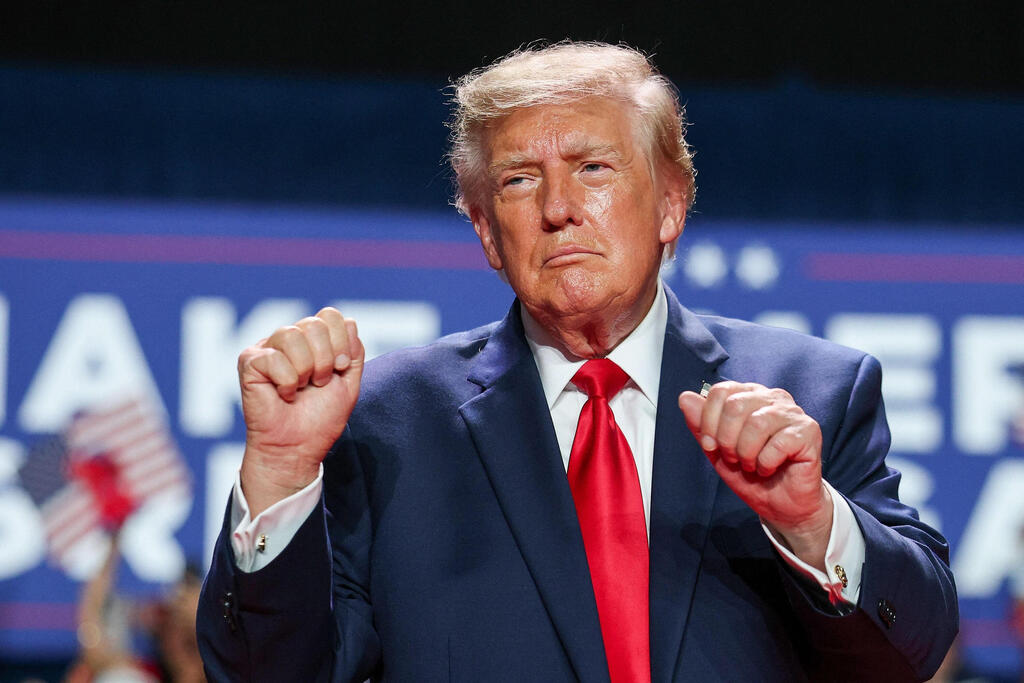
US President Donald Trump at a midterm election rally in Texas on Wednesday. His decisions could prove decisive
(Photo: Win McNamee/Getty Images/AFP (Photo by WIN MCNAMEE / GETTY IMAGES NORTH AMERICA / AFP)
Trump's latest remarks add to the uncertainty
Much of the calculation, however, may ultimately depend on decisions made in Washington rather than Jerusalem. Trump's latest comments have reinforced the possibility that the United States could resume military operations against Iran even as Israel remains cautious about initiating another confrontation.
In an interview with Newsmax on Thursday, Trump discussed the possibility of additional strikes against Iranian nuclear facilities, including a heavily fortified site known as Pickaxe Mountain.
"Now, we're looking at Pickaxe Mountain. We may have to go there," Trump said. "We'll take a shot at that one. We'll knock it out fast."
His remarks came against the backdrop of a CNN report that the U.S. military has developed new strike plans that include the possible use of the GBU-43/B Massive Ordnance Air Blast Bomb, commonly known as the "mother of all bombs," against Iranian nuclear sites and energy infrastructure.
The massive conventional weapon is designed primarily to produce a devastating surface blast rather than penetrate facilities buried deep underground, raising questions about its effectiveness against heavily fortified nuclear installations.
Trump did not rule out using the weapon, but emphasized that it is not nuclear. "Well, the mother of all bombs is not nuclear," he said.
"No, it's not nuclear at all. This is just an extremely large bomb," he added.
The president also dismissed the prospect of deploying American ground troops inside Iran. "No, I don't see that. I don't see that," he said when asked about the possibility.
At the same time, Trump suggested that negotiations with Tehran were continuing and that Iranian officials had requested a halt to American and Israeli attacks. "They've asked us to please stop. And we do, because we're negotiating with them," he said.
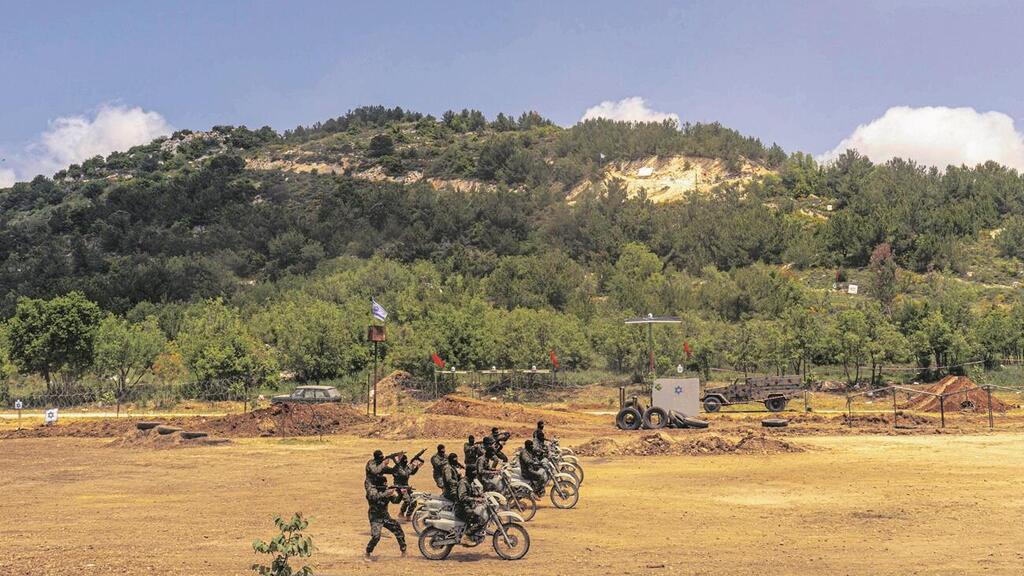
Hezbollah terrorists take part in a military exercise in southern Lebanon simulating the abduction of an Israeli soldier
(Photo: Fatma Jomaa/IMAGO/APA images/Reuters)
Trump also addressed his relationship with Netanyahu during the interview. Asked whether he trusted the Israeli prime minister, he replied, "I don't trust anybody, honestly," clarifying that he meant politics generally rather than singling out Netanyahu. He went on to praise their cooperation, saying, "Look, I've had a very good relationship with him. We've had good success together."
The president also claimed that Israelis would like him involved in the October 27 election, although he stopped short of committing to participate in Netanyahu's campaign.
For Israeli defense planners, the more pressing question is what Trump might decide regarding Iran. If the American president concludes that U.S. interests require renewed military action, particularly amid Saudi Arabia's security concerns and fears of Iranian aggression, Israel's strategic calculations could change substantially.
The prevailing assessment is that another large-scale confrontation would likely involve close operational coordination between Israel and the United States, rather than separate military campaigns. Whether Trump will ultimately authorize another offensive, however, remains uncertain.
Hezbollah could also join a renewed confrontation, as it did during the previous round of fighting known as Operation Roaring Lion. Israeli planners must account for that possibility, although Hezbollah's participation would not necessarily determine the outcome of the conflict.
Above all, the danger of miscalculation remains. Israel is increasing its military readiness because of concerns about Iran, but Tehran could interpret those measures as preparations for an imminent Israeli attack.
Both sides are taking precautions to avoid being caught off guard, yet those preparations could themselves create the conditions for escalation. A localized incident, a faulty intelligence assessment or a military response perceived as disproportionate could ignite a wider confrontation without either side having made a deliberate decision to go to war.
That is the central dilemma facing Israel's leadership. Military readiness is essential in the face of the Iranian threat, but preparing for war does not necessarily mean that launching one is justified. Any decision to initiate another offensive would require a clear objective, an assessment of its likely costs and a realistic understanding of how the fighting might end.
The question is not simply whether Israel is capable of fighting another war, but what it could achieve through military action that cannot be achieved by other means. As long as no clear strategic objective justifies the potential costs, choosing not to strike should not be mistaken for weakness.
For now, the combination of Israeli military preparations, Iranian efforts to rebuild its defenses and Trump's willingness to consider additional strikes has created a particularly sensitive situation. Whether the current tensions remain a contest of deterrence or develop into another regional war may ultimately depend on decisions made in Washington, Jerusalem and Tehran, or on a single miscalculation that none of them anticipated.