

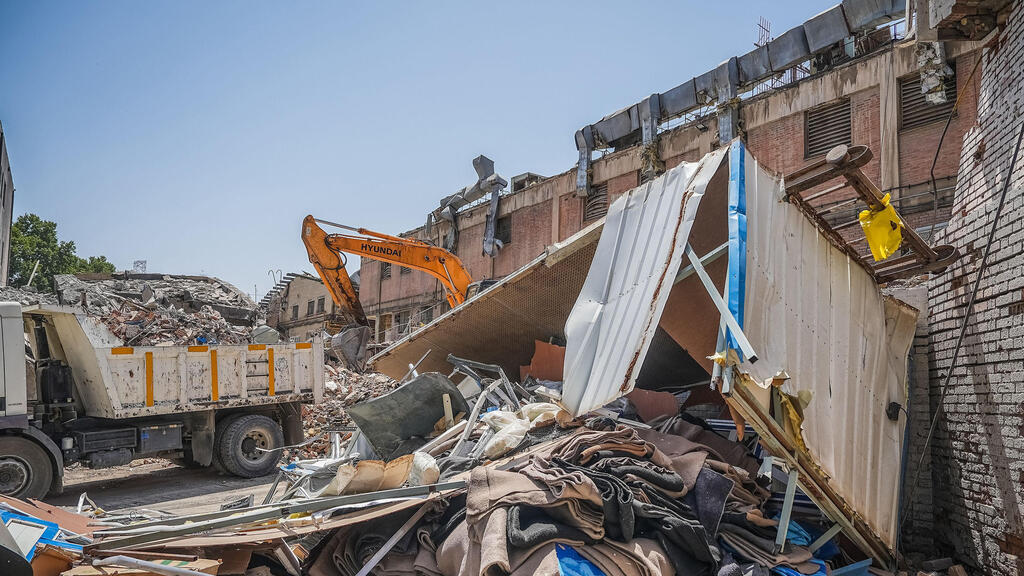
During Operation Rising Lion, missiles and bombs struck Tehran daily, a city of 10 million. U.S. bombers targeted key nuclear facilities in southern Iran. Still, it was the attacks on the capital that left the deepest mark on residents, signaling that the longstanding rivalry with Israel had reached a dangerous new stage.
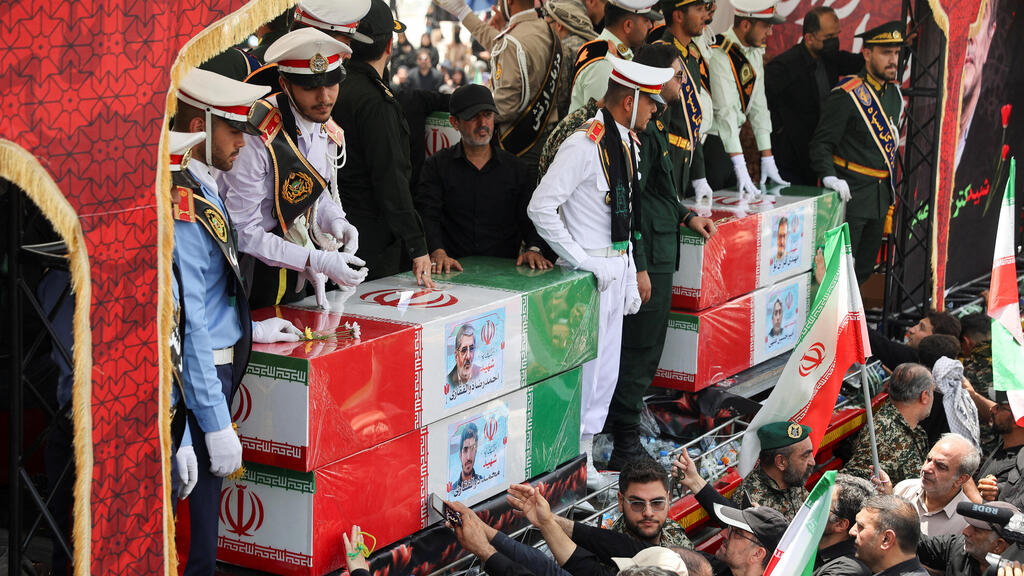
Official Iranian Health Ministry figures reported 700 civilian deaths and nearly 400 military and nuclear personnel casualties during the conflict. Independent sources, such as the Human Rights Activists News Agency, reported 436 civilian and 435 military deaths, with an additional 319 deaths unverified.
The last time Tehran faced such intense attacks was in 1988, during the Iran-Iraq War, when Iraqi Scud missiles hit crowded neighborhoods, killing at least 400 civilians. Many residents say June’s strikes were far more severe. Confidence in the fragile cease-fire signed on June 25 is low, with skepticism that it will hold. “We’re always looking to the sky,” said Fereydoun Soltani, a quarry worker, during a memorial for General Hossein Salami, head of the Revolutionary Guards, assassinated by Israel. “No one believes it’s over.”
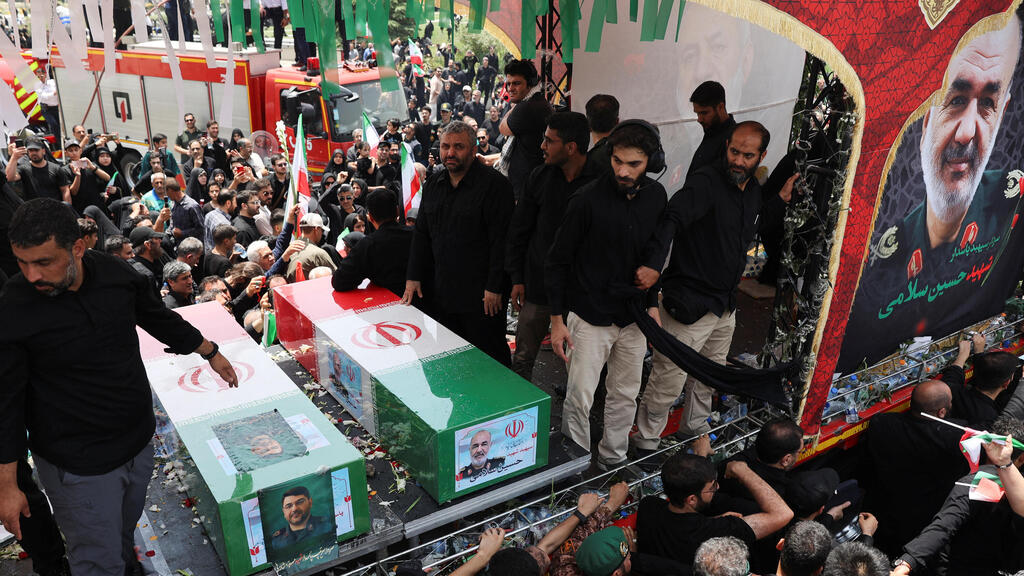
(Photo: Majid Asgaripour/ Reuters)
The deadliest strike of the war targeted Evin Prison in Tehran, a notorious facility holding many regime opponents. According to Iran’s Health Ministry, 80 people—including prisoners, staff, and children—were killed. Israeli officials justified the attack as a blow against oppression, but prominent human rights groups, including Human Rights Watch and Amnesty International, called it a war crime.
In the wake of the strikes, Iranian leaders sought to project resilience, channeling national grief into militant nationalism. “What doesn’t kill you strengthens you,” said Ibrahim Rezaei, a spokesman for the Parliament’s National Security Committee.
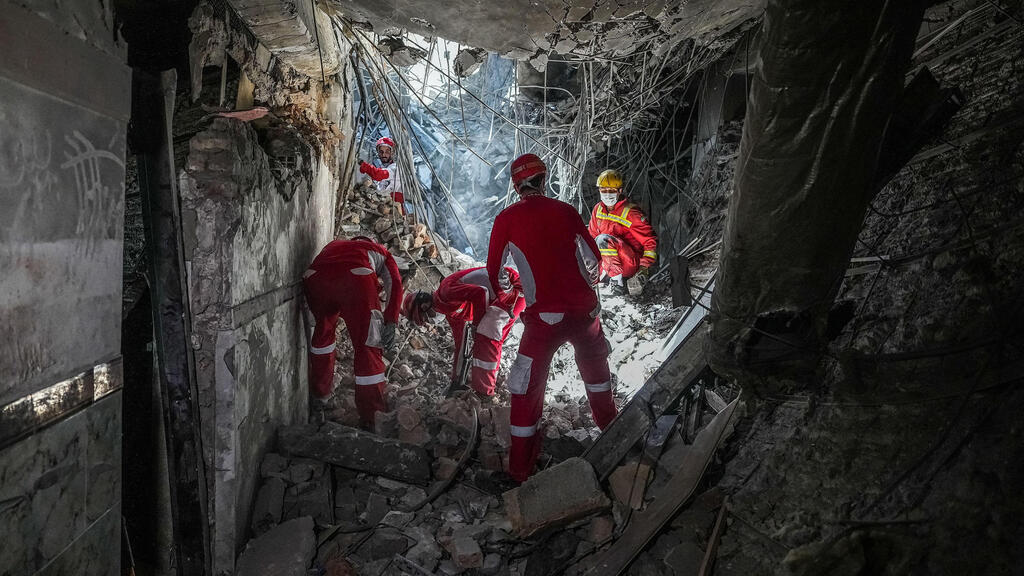
(Photo: Mostafa Roudaki / Mizanonline/ AFP)
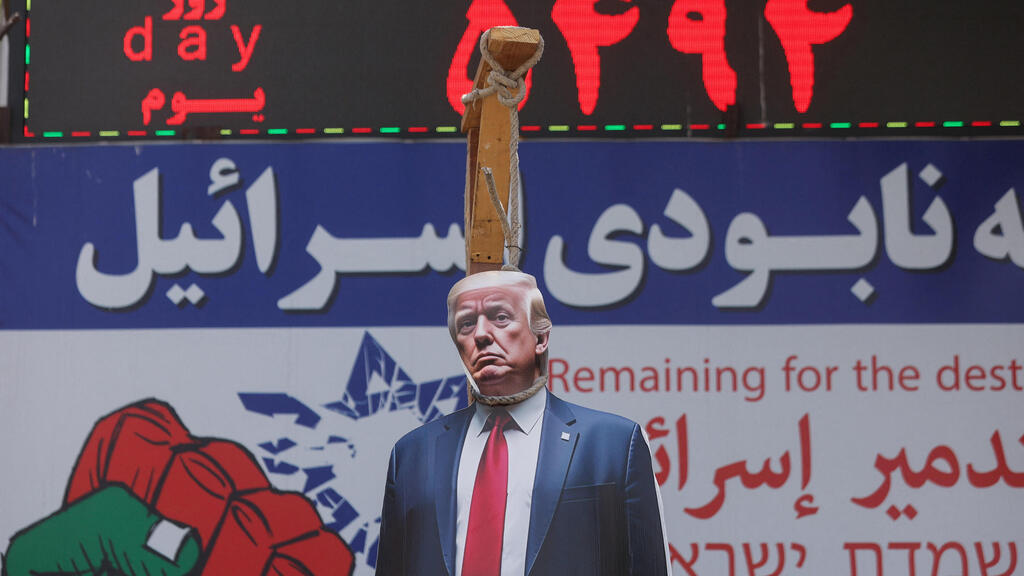
Following the war, Tehran’s streets were filled with portraits of slain generals and nuclear scientists, and official ceremonies displayed missiles fired toward Israel. The countdown clock in Palestine Square, signaling the eventual destruction of Israel, remained active, and at the University of Tehran, students watched a cleric representing Supreme Leader Ali Khamenei, who claimed Israel and the U.S. begged for a cease-fire.
Some Iranians, like 24-year-old student Fatemeh Panji, recall the fear of hiding in dormitories during the bombings. The war strengthened her patriotic feelings and commitment to Iran. Others were more ambivalent, angered by Israel but frustrated with their government amid U.S. sanctions, water and electricity shortages, and record-breaking heat. Many no longer feel safe in their own homes.
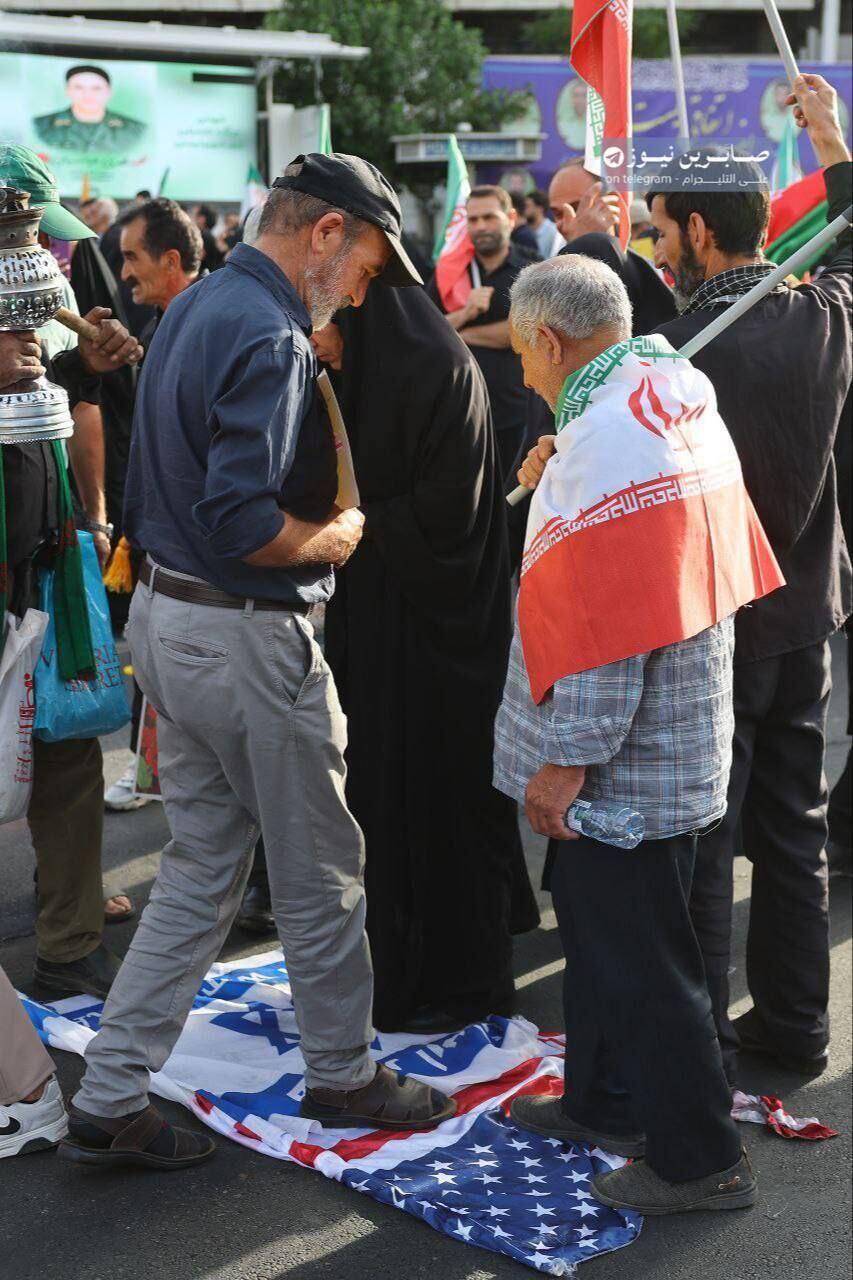
Iranians step on the flags of Israel and the United States
On June 13, retired businessman Ahmad Khayyatizadeh thought a massive earthquake had struck Tehran. In reality, a bomb targeted Dr. Ahmadreza Zolfagari, a senior nuclear scientist, killing him and neighbors, including 14-year-old Amirali Khormi. Khayyatizadeh, traumatized, struggles to sleep. “If I’m not safe here, where can I go?” he asked.
Tehran
(צילום: Majid Asgaripour/WANA (West Asia News Agency) via Reuters)
Contrary to Israeli expectations, the war did not spark a public uprising against the regime. Most Iranians returned to daily life: restaurants in northern Tehran reopened, traffic jams returned, and citizens sought a semblance of normalcy. Yet a sense of vulnerability persists, compounded by the collapse of Iran’s air defense system during the 12-day conflict. Authorities have pursued “traitors,” issuing 10 espionage convictions since June.
(Photo: Mostafa Roudaki / Mizanonline/ AFP)
Funerals for war victims briefly united ordinary Iranians with security forces, blending grief and anger. “They think killing our commanders will weaken us, but it only strengthens us,” said Leila Alizadeh, whose brother, an Air Force officer, died near the underground Fordow uranium enrichment site. Others, like fashion manager Hadis Pazouki, mourned family members killed near Evin Prison, questioning the fairness of their deaths.
The war evokes conflicting emotions among Iranians. While young people admire the “American dream,” many blame former U.S. President Donald Trump for withdrawing from the 2018 nuclear deal, linking him to the conflict. Many ordinary Iranians insist they are not like their government. “No sane mother would let her children stay in a country at war,” said Hadijeh, standing beside her daughter who plans to study German abroad. “What Iranians want most is peace and freedom.”