

Prime Minister Benjamin Netanyahu’s adviser, Jonathan Urich, was unexpectedly re-arrested Wednesday just before the end of his house arrest, as a new suspect emerged in the expanding Qatargate investigation into alleged ties between Netanyahu staffers and the Qatari government.
Urich, who had been under house arrest, was summoned for questioning and then informed he would remain in custody. On Thursday, police brought him before the Rishon Lezion Magistrates' Court and requested to extend his detention by five days. Judge Menachem Mizrahi denied the request, ordering his release and lifting the house arrest. However, at police request, the release was delayed by 24 hours to allow an appeal.
During the hearing, Judge Mizrahi harshly criticized the police, questioning the grounds for the re-arrest. “The investigation is racing forward without anyone asking what the offense is,” he said. Mizrahi also rejected a request to extend the house arrest of Eli Feldstein, Netanyahu’s former spokesman, who is also a suspect in the case.
A new figure questioned in the case is a former Mossad operative reportedly close to a retired IDF general linked to business dealings with Qatar. He is suspected of bribery, contact with a foreign agent and money laundering. He was released to house arrest after appearing before Judge Mizrahi in court.
In a heated exchange during Urich’s hearing, the judge asked, “Why is Urich even under arrest?” The police investigator cited new information suggesting intensified suspicion of bribery. Mizrahi, unsatisfied, demanded clarity: “Explain to me what justified this renewed arrest. Take the report—highlight for me where the suspicion was strengthened."
Urich’s attorney, Amit Hadad, also denounced the conduct of police, recounting how Urich’s wife had been summoned to collect him from detention — only to be kept waiting for hours before being told he would remain in custody. According to Hadad, investigators only informed them of the arrest decision well past midnight.
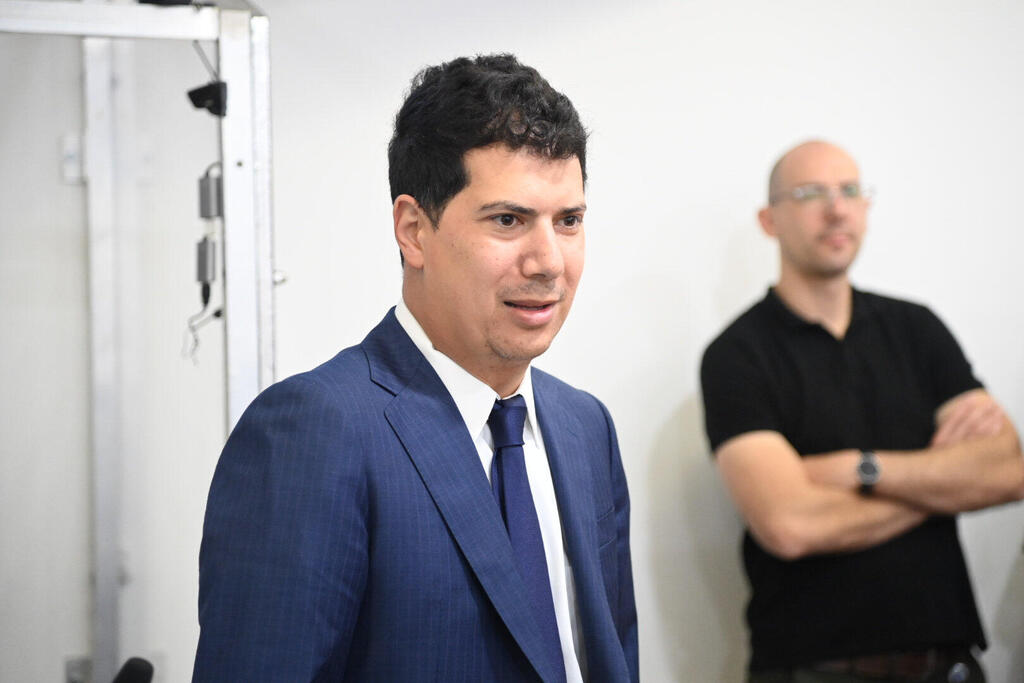
Attorney Amit Hadad
(Photo: Yair Sagi)
The court reviewed the new material submitted by police, but Judge Mizrahi was unconvinced. “This? This is old news — it’s not new,” he said.
Mizrahi later stated that Urich had been under house arrest, was questioned from 3:21 p.m. to 11:49 p.m., and was arrested minutes later. He found no legal basis for the arrest, asserting that the officer acted unlawfully. “There was no offense, and there is no fear that he will obstruct the investigation — he had just completed questioning,” Mizrahi said.
The judge also cast doubt on the bribery allegations against Urich and Feldstein, noting the need to prove their status as public officials for such charges to apply. Regarding allegations of money laundering, he questioned whether the suspicions justified such a severe infringement on personal liberty. Addressing the accusation of contact with a foreign agent, Mizrahi emphasized that the offense requires a clear intent to harm national security.
“It feels like the investigation is racing forward without anyone asking what offense are we actually investigating here?” Mizrahi said.
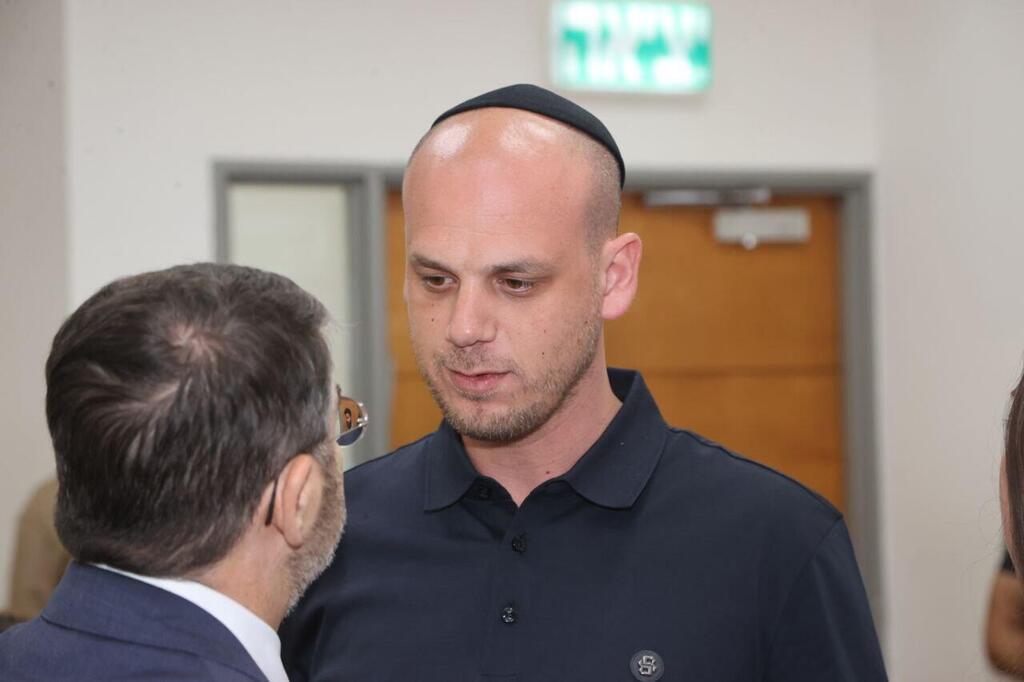
Eli Feldstein
(Photo: Moti Kimchi)
He ordered Urich’s release from all forms of detention under previously set conditions: a travel ban, passport deposit and mandatory attendance at future interrogations. He urged investigators to file their appeal swiftly so the district court could review the matter. Feldstein, who missed the hearing due to a dental procedure, was also released from house arrest.
“A court that values human liberty must not permit this,” Mizrahi concluded.
Focusing on the Qatari money trail
Last week, Urich was summoned for questioning by the Israel Police’s anti-corruption unit Lahav 433, but the session was canceled at the last minute.
The investigation has intensified over the past two weeks, with law enforcement focusing on the alleged Qatari money trail—who paid, how much was paid, to whom and for what purpose.
Get the Ynetnews app on your smartphone: Google Play: https://bit.ly/4eJ37pE | Apple App Store: https://bit.ly/3ZL7iNv
Urich has denied any wrongdoing, telling investigators that payments found in his bank account stemmed from private consulting work for the PR firm Perception, run by Israeli media strategist Israel Einhorn. He insisted the payments were unrelated to Qatar, but investigators suspect otherwise.
Urich was due to complete a two-week house arrest on Thursday, which had been extended last month by the district court following a police appeal. That extension came after a lower court had ordered both Urich and Feldstein released from house arrest, citing no violations of their release terms and no investigative actions justifying continued detention. Judge Mizrahi said at the time that the two could be trusted and that there was no legal basis to keep them confined.

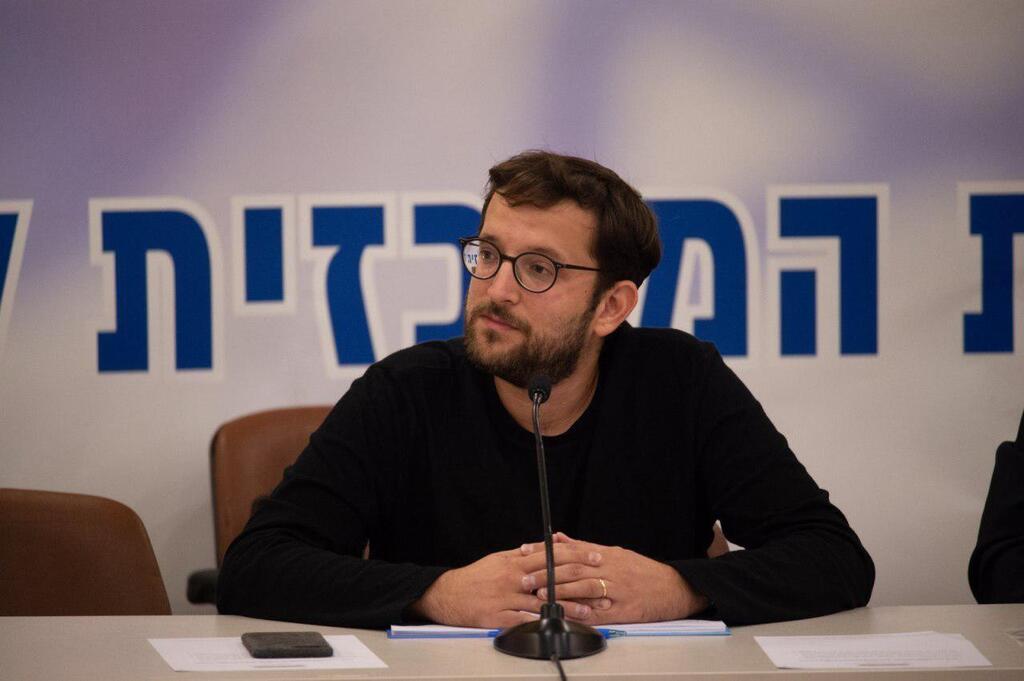
Jonathan Urich
(Photo: Ohad Zwigenberg)
At that earlier hearing, police submitted classified documents to District Court Judge Amit Michles, allegedly outlining the financial path at the heart of the case. Urich’s attorney, Amit Hadad, said the house arrest extension was linked to a parallel investigation in the United States involving Jay Footlik, a lobbyist for the Qatari government.
Police also previously informed the court that Urich was being investigated in connection with two separate matters: the Qatar-related case and a separate inquiry into the leak of classified information. However, the charge of leaking sensitive information was dropped after Prime Minister Netanyahu told investigators he had authorized the release. According to Netanyahu’s testimony, Urich acted “with authority and permission.” The Prime Minister’s Office later said the leak was aimed at advancing the release of Israeli hostages held in Gaza.
Last month, police claimed a new suspicion had emerged against Urich—obstruction of justice—and argued this justified keeping him under house arrest. Investigators said they had submitted a document outlining the potential disruption to their work.
Communications Minister Shlomo Karhi, a close Netanyahu ally, denounced Urich’s arrest on Thursday, calling it politically motivated. “The legal mafia, led by the attorney general, continues to persecute Urich—this time with a full arrest, right after he finished house arrest. No justification. No shame. Just schemes and excuses to try and break the prime minister’s associates and tarnish Netanyahu and the entire right-wing government,” Karhi said. “As fabricated cases unravel and illegally recruited state witnesses collapse, a new tactic emerges—rule-of-law intimidation. But we will not be broken. We will not flinch. We will not surrender.”