

During high‑stakes Gaza ceasefire talks, Qatar’s prime minister secretly passed a note to U.S. President Donald Trump's envoys Jared Kushner and Steve Witkoff, urging pressure on Israel to compromise, the New York Times reported Tuesday.
The message came as the head of Egyptian intelligence updated mediators on the status of negotiations. Kushner and Witkoff arrived by private jet in Sharm el‑Sheikh on Oct. 8, hoping to broker a deal to end the war. At the time, Hamas had signaled willingness to free all hostages without a total Israeli withdrawal, provided guarantees that Israel would not resume fighting. Meanwhile, Israel was prepared to release thousands of Palestinian prisoners, including 250 serving life sentences. But the negotiations stalled.
Gallery

Khalil al-Khayya, Steve Witkoff, Benjamin Netanyahu
(Photo: AP, REUTERS/Nir Elias, REUTERS/Evelyn Hockstein, Omar AL-QATTAA / AFP, REUTERS/Ronen Zvulun)
Over two days of indirect talks, negotiators avoided pressing Israel and Hamas on how much territory Israel would need to withdraw, fearing that delving into specifics would collapse the process. According to interviews with 15 U.S., Israeli and Arab officials involved or briefed on the talks, Hamas initially demanded full Israeli withdrawal from Gaza except for a narrow buffer zone. Prime Minister Benjamin Netanyahu, however, insisted Israel retain control over several Gaza cities to show restraint to his hard‑line coalition. To bridge the divide, pressure from the U.S. was directed at the Israeli lead negotiator, Ron Dermer, and three phone calls from Trump to mediating nations.
Eventually, the parties reached a compromise: Israel would hold on to more ground than Hamas wanted, while withdrawing from certain built-up areas. Some zones were to remain off limits to both sides. A draft map of the agreement obtained by the Times shows that Hamas reluctantly accepted the compromise, according to Israeli and Arab sources.
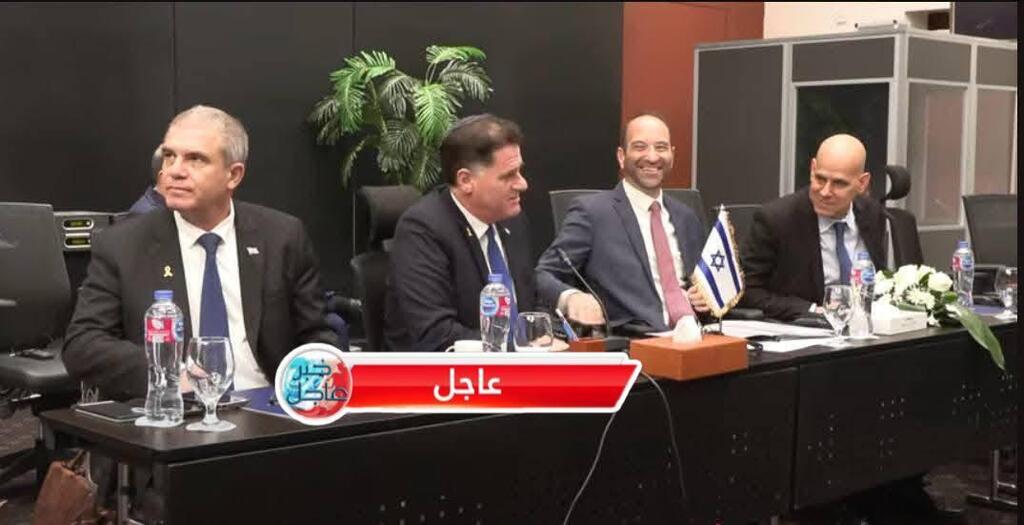
The Israeli delegation in Sharm al-Sheikh
Mediators concluded that negotiations focusing on discrete goals—such as a hostage exchange and pause in fighting—had stronger prospects than attempting a full Israeli withdrawal or disarmament of Hamas in a single stroke. Previous rounds broke down with Israel demanding total victory, and Hamas insisting on complete Israeli exit. Earlier delegations reportedly lacked explicit authorization from Netanyahu to strike a deal. In this round, Dermer arrived with a mandate, as did Khalil al-Hayya, head of the Hamas negotiating team.
Trump reportedly urged Israel to agree to the deal after a failed strike targeting Hamas leaders in Qatar, voicing his support and assuring Netanyahu that he would not force actions damaging Israel’s security. Hamas entered the talks under pressure from Muslim and Arab states, including Qatar and Turkey, and took seriously the threat that rejecting a U.S.-backed plan would free Washington to act unilaterally in Gaza. According to U.S. officials, Hamas came to view hostages more as liabilities than assets.
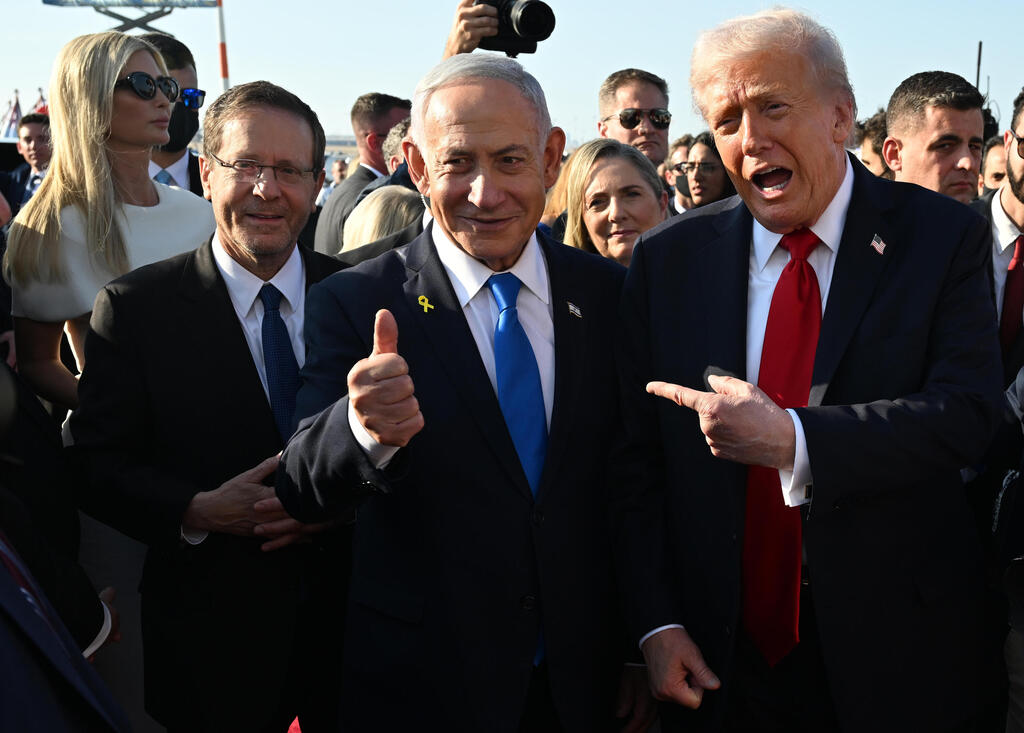
President Isaac Herzog, Prime Minister Benjamin Netanyahu and US President Donald Trump at Ben Gurion Airport
(Photo: Chip Somodevilla/Getty Images)
By Wednesday afternoon, negotiators believed the agreement was within reach. Under intense urging from Witkoff and Kushner, Israel agreed to a territorial concession strategy, retaining roughly half of the areas to be contested, to maintain leverage in later talks.
Late that night, al‑Hayya consulted with Hamas leaders and sought to delay a formal response. Qatar’s prime minister then dispatched a senior aide to the meeting site, and al‑Hayya agreed to reply by 10 p.m., five hours after formal talks had ended.
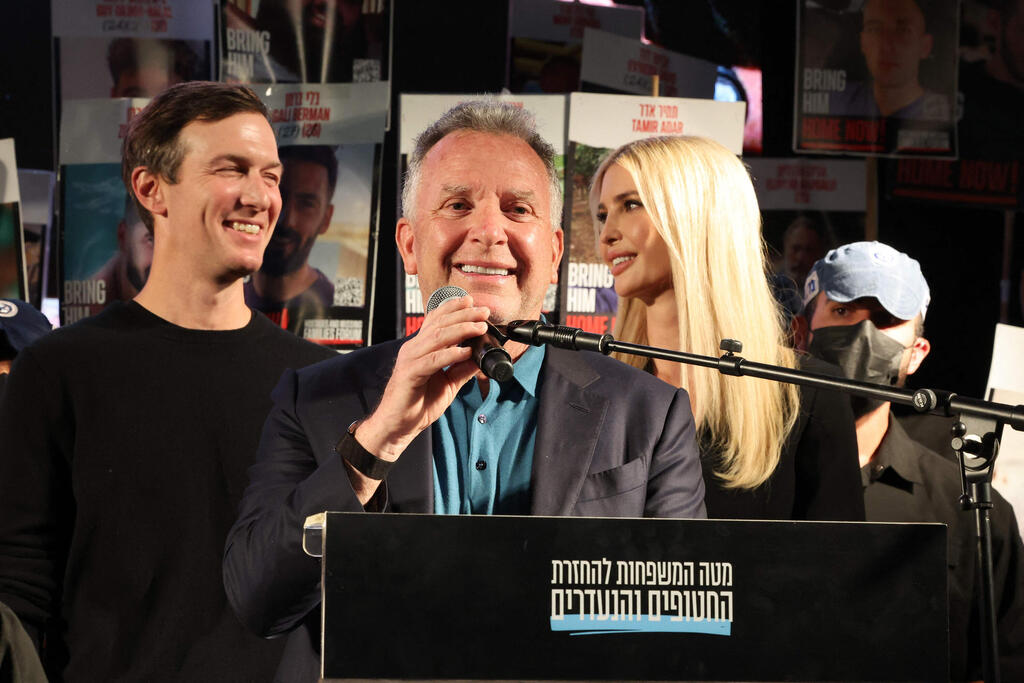
Witkoff and Jared Kushner at Hostage Square
(Photo: Jack GUEZ / AFP)
Meanwhile, U.S., Israeli, Turkish, Egyptian and Qatari delegations moved from the talks venue to villas in the Four Seasons hotel in Sharm el‑Sheikh. Qatari Prime Minister Mohammed Al Thani and the Egyptian intelligence chief were already present, and when al‑Hayya arrived, he expressed dissatisfaction with some terms but continued to hope mediators could improve them. His reluctance was considered acceptance in practice.
Within minutes, Wittkoff and Kushner arrived and relayed al‑Hayya’s response to the White House. Although final issues, such as the identities of convicted terrorists to be released from Israeli prisons, remained unresolved, mediators believed none would derail the deal. In Washington, Secretary of State Marco Rubio presented Trump a note stating the parties were “very close,” prompting the president to prepare a formal announcement.
Egyptian officials seated next to an Israeli intelligence officer finalized the language. Al Thani signed first, followed by Dermer on the English version and al‑Hayya in Arabic. Around 1 a.m., a U.S. envoy received a call from Trump and patched him through to signatories via speakerphone. “It’s a big day,” Trump reportedly told attendees.