

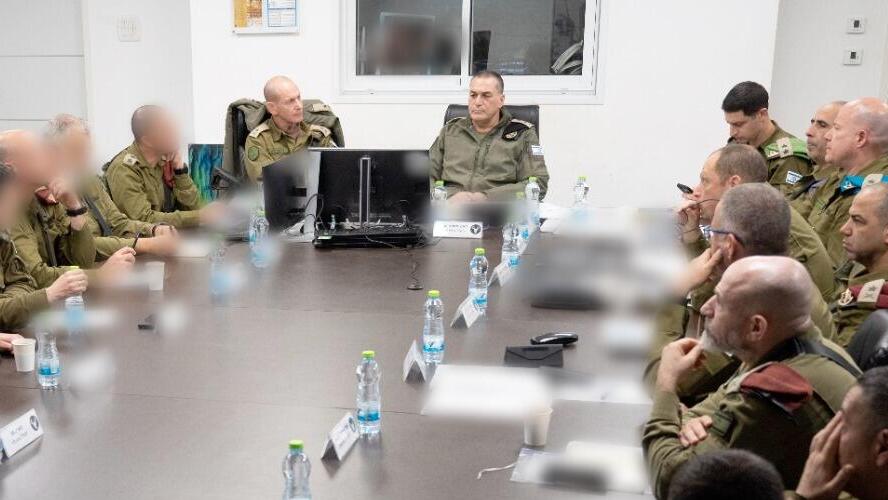
IDF Chief of Staff Lt. Gen. Eyal Zamir has approved plans to deepen Israel’s ground maneuver in Lebanon, signaling a further escalation in operations against Hezbollah as the military expands its campaign along the northern border.
Zamir approved the plans in coordination with the General Staff Forum, division commanders and brigade commanders operating in the northern sector, the IDF said Sunday.
IDF strikes the al-Qasmiyeh bridge
(Video: Reuters)


“Iran is our primary effort, and the northern arena is an additional central front. They are interconnected,” Zamir said. “The Hezbollah terrorist organization is a central arm of the Iranian regime and made a grave mistake by joining the campaign against Israel. This decision harms both Hezbollah and the state of Lebanon.”
He added: “The message is clear: there is no safe place for the regime and its proxies. Any threat to Israeli civilians will be met with a determined, precise and powerful response.”
According to Zamir, Israeli forces have struck more than 2,000 targets in recent weeks, including dozens of weapons depots, and killed hundreds of Hezbollah terrorists.
“The campaign against Hezbollah has only just begun,” he said, adding that once operations against Iran conclude, Hezbollah “will remain alone and isolated.” He warned the fighting would be prolonged.
The announcement comes as Israel continues to expand its operational footprint in southern Lebanon, pushing deeper into territory in an effort to move Hezbollah terrorists away from the border and reduce threats to northern communities.
In some areas, the IDF’s security zone now extends between 9 and 11 kilometers into Lebanese territory. The expansion follows a strategic decision by Northern Command not to evacuate Israeli border communities but instead to conduct a defensive battle inside Lebanon.
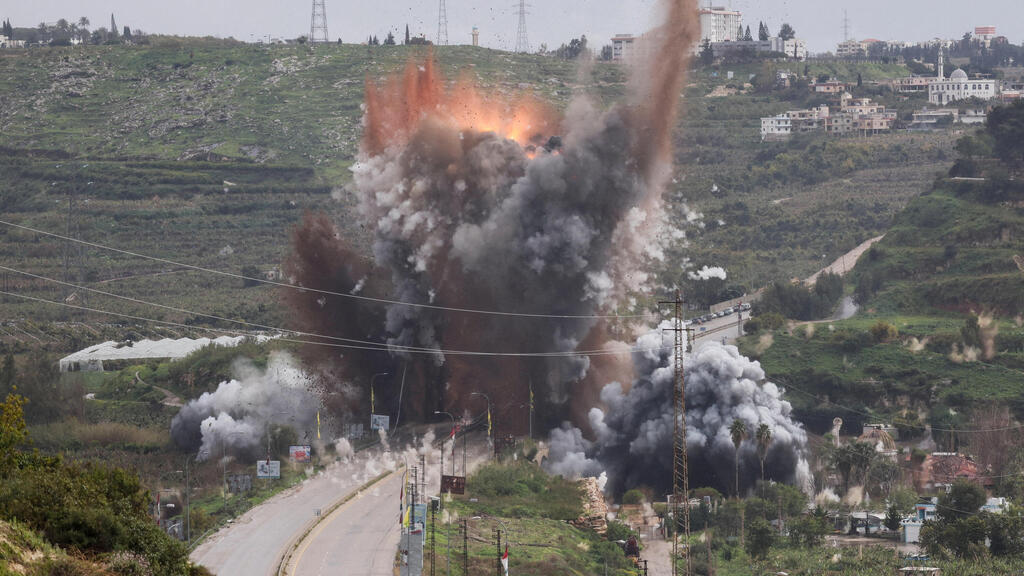
(Photo: Amr Abdallah Dalsh/ Reuters)
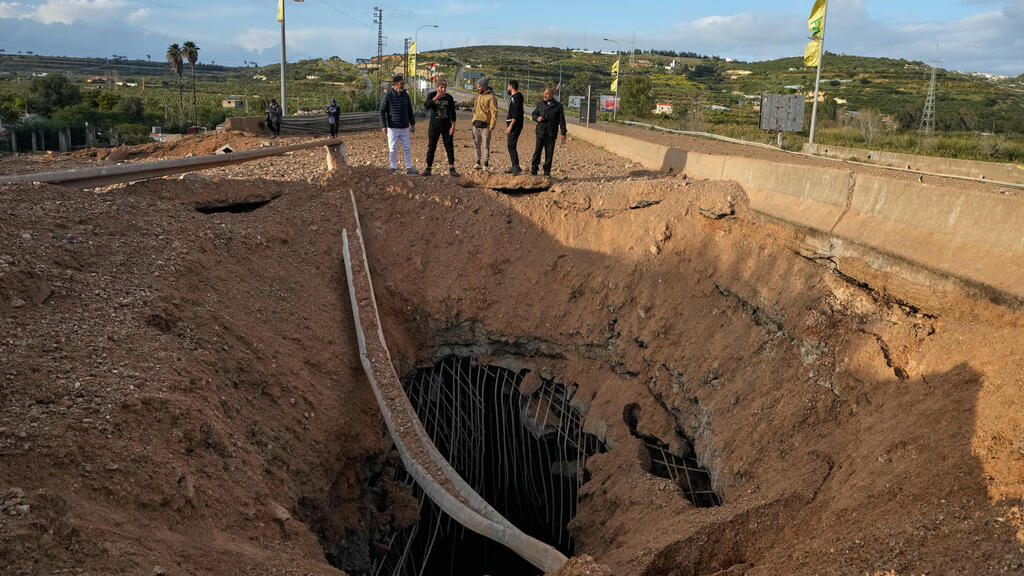
The al-Qasmiyeh bridge
(Photo: Mohammad Zaatari/ AP)
Israeli forces, including the 162nd and 36th divisions, have carried out targeted ground operations to destroy Hezbollah terrorist infrastructure. Troops have raided military compounds, uncovered weapons caches, and killed more than 10 Hezbollah terrorists in recent operations.
A senior military official described the approach as slow, methodical and heavily supported by firepower.
“Villages in the second and third lines of homes are expected to be empty after evacuation warnings. Anyone remaining is considered a terrorist,” the official said. “Operations are therefore conducted aggressively, with extensive firepower and advanced technology. Many lessons have been learned from the fighting in Gaza.”
As part of the expanding campaign, the Israeli Air Force has intensified strikes on infrastructure used by Hezbollah, including key bridges along the Litani River.
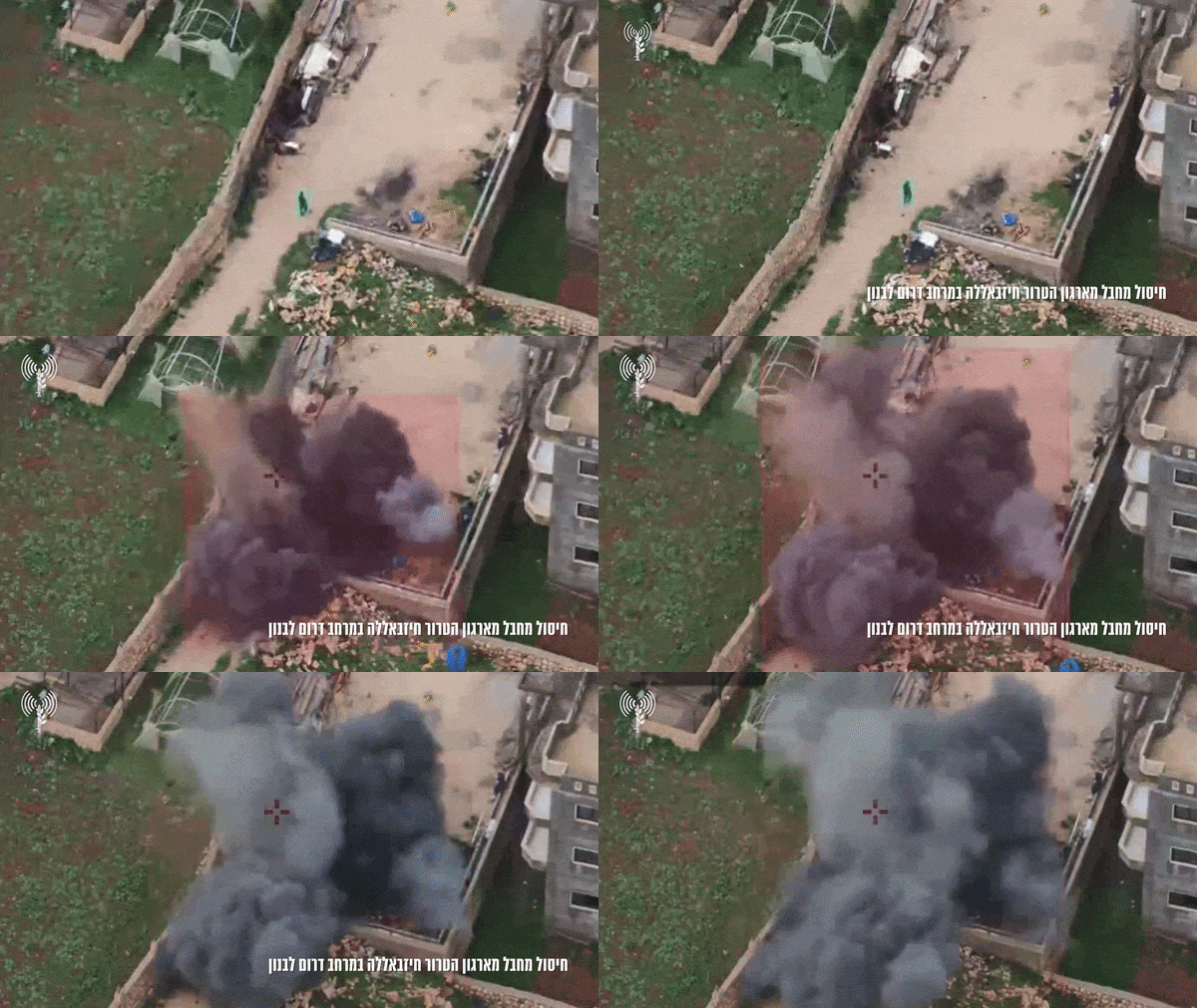
IDF eliminates a Hezbollah terrorist
(Photo: IDF)
IDF forces operate in Lebanon
(Video: IDF)
One of the most significant targets, the al-Qasmiyeh bridge on Lebanon’s coastal highway near Tyre, was struck twice on Sunday after an earlier warning to civilians. The bridge is considered a critical route connecting southern Lebanon to the rest of the country and has been used to transport weapons and operatives.
The IDF said the strikes are intended to disrupt Hezbollah supply lines and prevent the movement of terrorists and weapons toward the Israeli border.
Defense Minister Israel Katz said Israel had ordered the immediate destruction of all bridges over the Litani River used for “terrorist activity,” as well as an acceleration in the demolition of homes in frontline villages.
The policy reflects what Israeli officials describe as a Gaza-style approach, in which structures in combat zones are systematically destroyed to eliminate threats and create buffer zones.
Lebanese President Joseph Aoun condemned the strikes, calling them a “dangerous escalation” and warning they could signal preparations for a broader ground invasion.
“These attacks on infrastructure and vital facilities, especially bridges over the Litani River, are a prelude to a ground incursion,” Aoun said. He accused Israel of attempting to sever southern Lebanon from the rest of the country and described the actions as part of a plan to establish a buffer zone and expand Israeli control.
Aoun also warned that targeting infrastructure could disrupt humanitarian aid and constitute collective punishment of civilians, urging the international community to intervene.
Despite the escalation, Israeli defense officials have so far refrained from striking Lebanon’s national energy, economic or government infrastructure, citing concerns that such actions could trigger wider escalation and strengthen Hezbollah’s standing among the Lebanese public.
Officials warned that broad attacks on state infrastructure could foster solidarity with Hezbollah by portraying it as a defender of Lebanon.
Meanwhile, Israel’s broader military effort remains focused on its ongoing campaign against Iran, with operations in Lebanon running in parallel as part of a wider regional confrontation.
Israeli officials say the dual-front strategy reflects the interconnected nature of the conflict, with Hezbollah viewed as a key Iranian proxy.
Zamir emphasized that Israel is preparing for a prolonged campaign.
“We will not stop until the threat is pushed away from the border and long-term security for residents of the north is ensured,” he said. “We are ready for a long campaign and will continue to act as required, both offensively and defensively.”
As the fighting intensifies, the situation along Israel’s northern border appears set to remain a central front in a broader regional war.