

Media outlets and officials across the Arab world are closely following developments in the Jeffrey Epstein case, with Iran and its regional allies using the scandal to advance longstanding accusations of Western moral corruption and to direct criticism at the United States and Israel.
Iranian Foreign Ministry spokesman Esmail Baghaei was asked about the case Sunday and described it as “a sign of a very deep moral crisis in the governing system of Western countries, especially given the involvement of many senior political figures.”
He added that from another perspective, the affair was also a criminal matter and a tragedy that had hurt public sentiment worldwide. Referring to Israel, Baghaei said suspicions were growing that the case had been “a long-term project to advance the political goals of certain actors, especially the Zionist regime.”
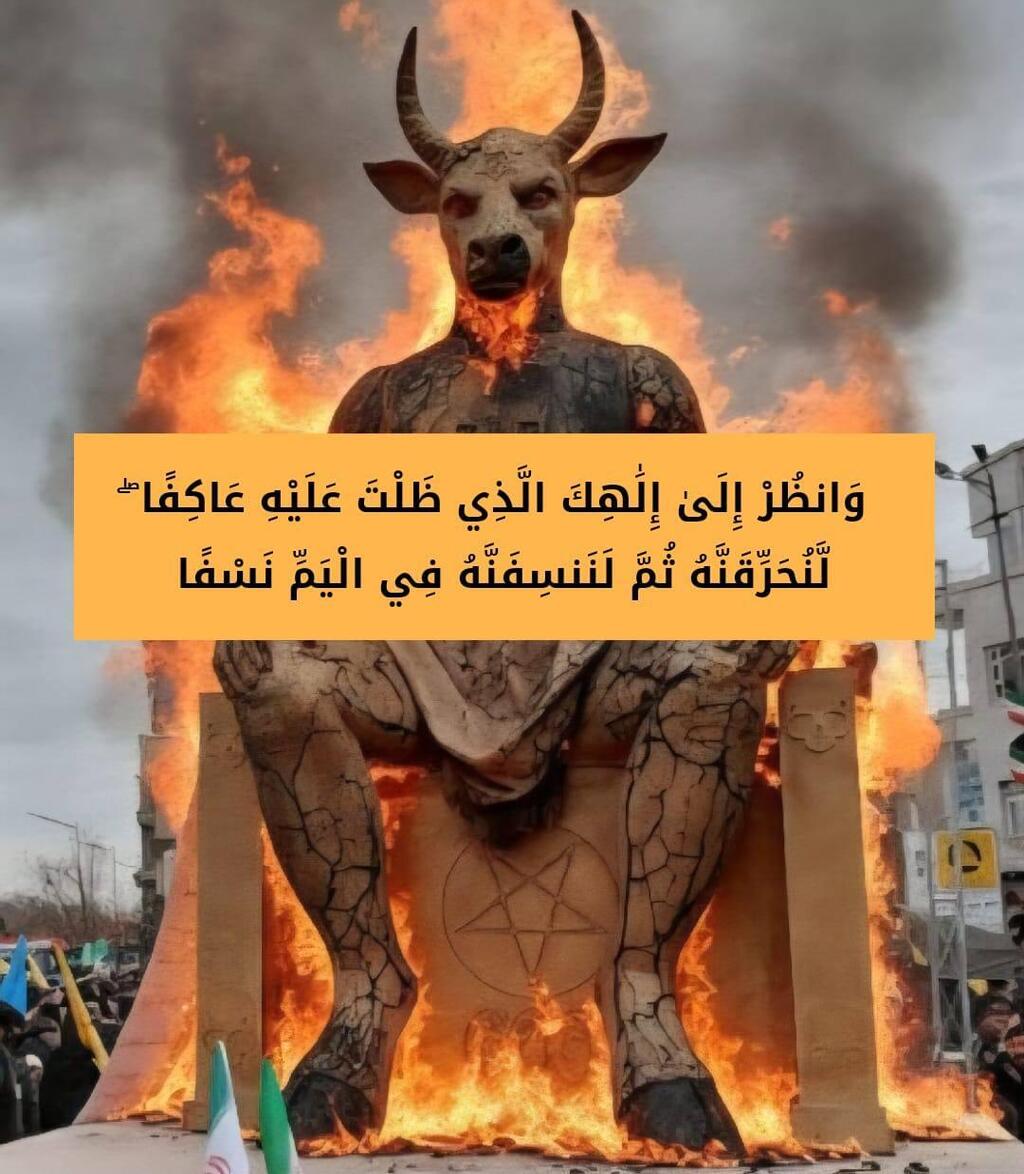
Iranian state-affiliated and pro-regime outlets have amplified such claims. During rallies marking the 47th anniversary of the Islamic Revolution, video circulated showing demonstrators burning a statue in Tehran’s Revolution Square. Iran’s Tasnim news agency claimed it was a statue of Epstein.
Images from the scene, however, showed the statue depicted Baal, a deity historically associated with child sacrifice in ancient mythology. A Star of David had been placed on the statue’s head, and it was described in some reports as representing evil.
Press TV, a channel affiliated with the Iranian government, said in its Hebrew-language platform that Iranians had burned a statue of Baal “as a symbolic act due to anger over the Epstein scandal and child sacrifice.” It also claimed that Epstein had named a bank account “Baal,” referencing what it described as a figure worshipped in ancient times.
The Houthi movement in Yemen, aligned with Iran, has also prominently featured the case in its messaging. Its outlets have focused on allegations of Western corruption and abuse, while also highlighting a widely circulated image of Epstein with Saudi Crown Prince Mohammed bin Salman amid tensions between the Houthis and Saudi Arabia.
Houthi leader Abdul-Malik al-Houthi said Feb. 5 that “Trump, the criminal unbeliever, and the leaders of America, Britain and the Zionist Jews” commit grave crimes. In a later speech, he described documents related to Epstein as evidence of what he called attempts by enemies to spread corruption.
Senior Houthi official Hazam al-Assad wrote on social media that Western countries had spent years criticizing Islam over issues such as child marriage and child recruitment while allegedly engaging in abuse themselves. In other posts, he questioned whether U.S. escalation against Iran was an effort to deflect from the scandal.
Another Houthi figure, Mohammed al-Farah, wrote on social media that one could be president of a country that calls itself a beacon of democracy while lacking moral values.
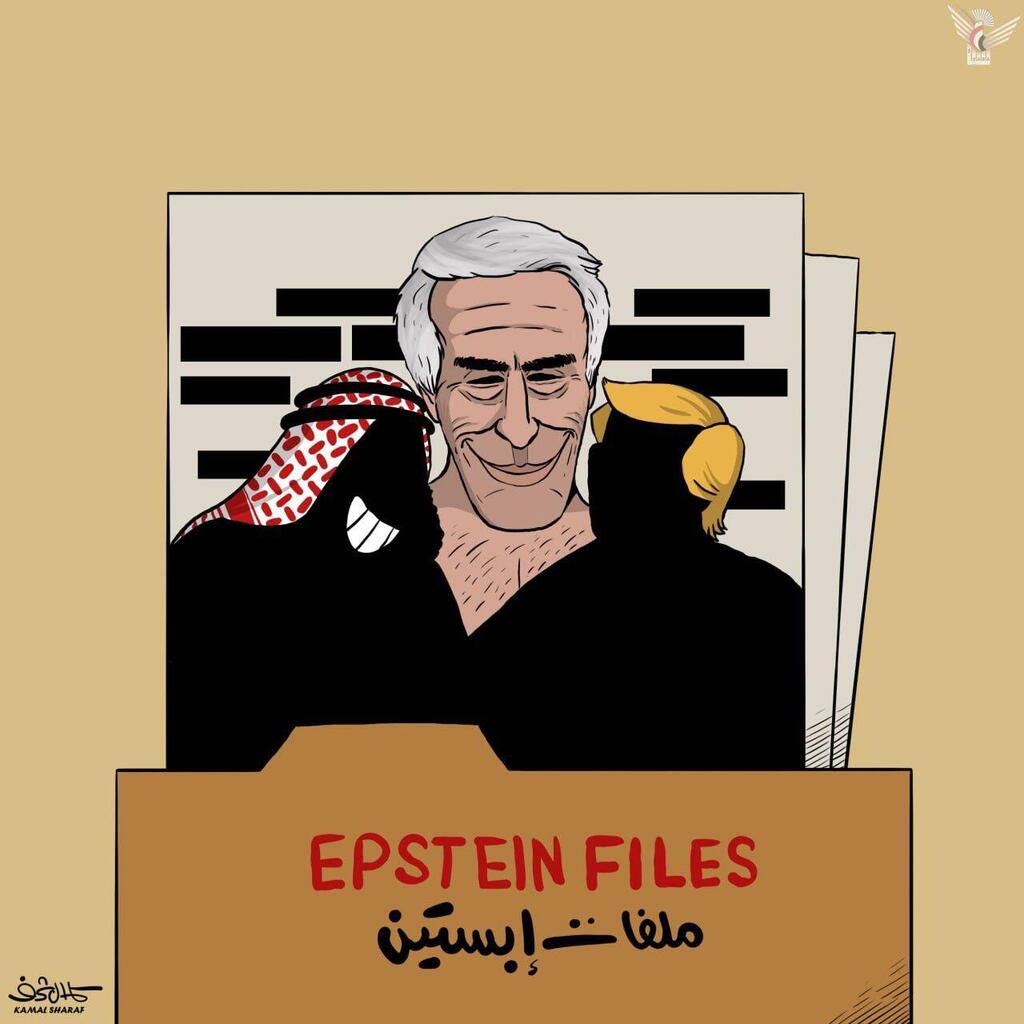
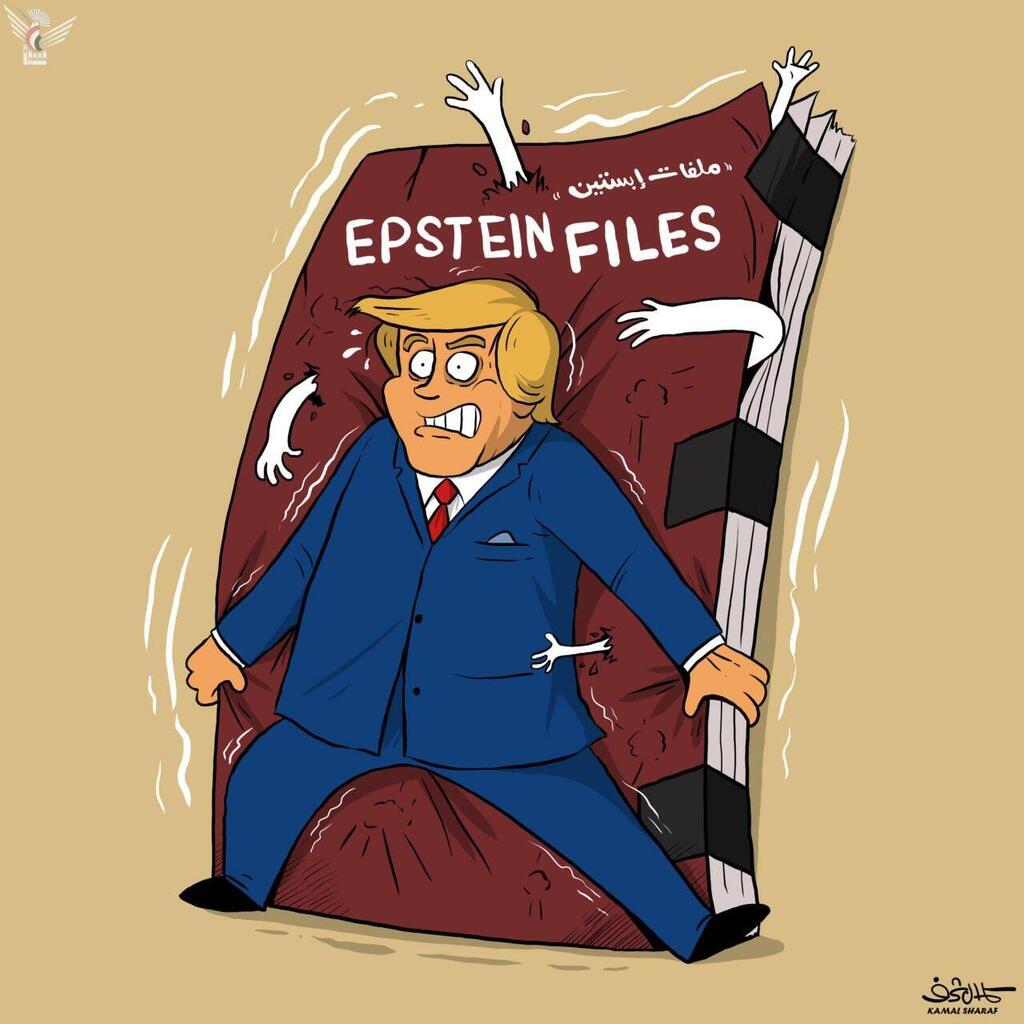
Pro-Houthi comedian Mustafa al-Momari also referenced the case in videos, criticizing Arab media for focusing on Houthi recruitment of minors while asking why they were not speaking about “children recruited to Epstein’s island.” Yemeni cartoonist Kamal Sharaf, who supports the Houthis, published cartoons and videos about the affair, including material widely viewed as antisemitic in connection with the Tehran statue-burning.
Lebanon’s Al-Manar television, affiliated with Hezbollah, aired a report titled “Epstein’s Scandals: The West as It Really Is,” quoting a political science and international law expert who said the scandal revealed the true face of Western systems that speak of values, freedom and democracy while allegedly violating them.
In Egypt, the controversy surfaced in a different context. The Interior Ministry announced Feb. 10 that it had canceled a party at a Cairo nightclub called “A Day on Epstein’s Island.” The event, which reportedly offered free entry for women, drew public criticism. Authorities said the gathering had not received required permits and that the organizer, a Cairo-based event producer, was arrested.