

U.S. President Donald Trump, who proudly refers to himself as the “Tariff King,” has made frequent use of tariffs as a tool of political pressure since returning to the White House last year. But his latest announcement—of sweeping new tariffs against a group of European nations opposing his demand to acquire Greenland—has drawn rare and united criticism across Europe’s political spectrum.
Even senior figures on the continent’s far right have voiced opposition, with Jordan Bardella, deputy leader of France’s far-right National Rally party, calling the move outright blackmail.
Thousands march in Nuuk, Greenland, in protest of US President Donald Trump's demand to take over the Arctic island
(Video: Reuters)


Trump announced Saturday that the U.S. would impose a 10% tariff on imports from Denmark and seven other countries—Norway, Sweden, France, Germany, the United Kingdom, the Netherlands and Finland—after they sent small, symbolic military contingents to Greenland last week in a show of support for Denmark amid Trump’s renewed push to buy the Arctic island. Denmark, a NATO ally, governs Greenland as an autonomous territory.
The new tariffs are set to take effect Feb. 1 and will rise to 25% by June 1 unless a deal is reached for the “Complete and Total purchase of Greenland,” Trump wrote in a Truth Social post. The U.S. has already levied tariffs of 10–15% on many of these countries in the past. However, how the new measures would be applied to individual European Union member states remains unclear, raising concerns they could impact other EU countries as well. Notably, Norway and the UK are not part of the EU.
Gallery
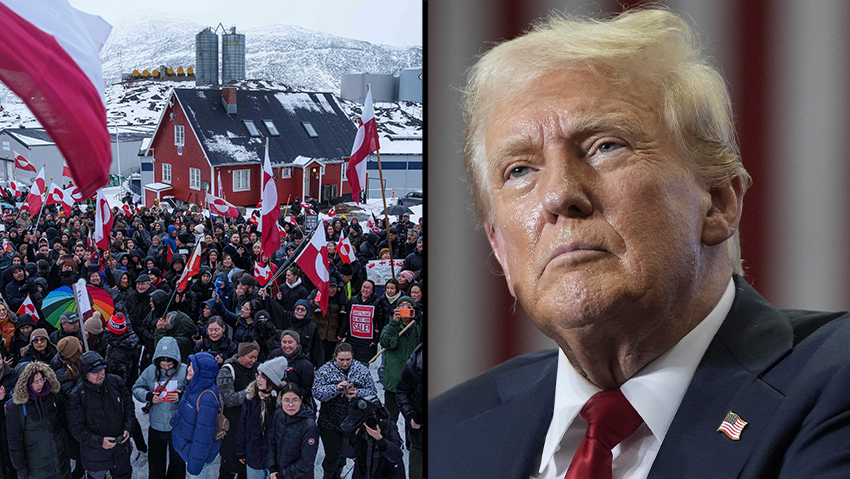
Thousands march in Nuuk, Greenland, in protest of US President Donald Trump's demand to take over the Arctic island
(Photo: AP Photo/Evgeniy Maloletka/Alex Brandon)
(Photo: REUTERS/Marko Djurica)
(Photo: AP Photo/Evgeniy Maloletka)
Trump described the deployment of European troops to Greenland as a threat to U.S. national security, even though the troop numbers were minimal and the countries involved are close U.S. allies. France sent 15 alpine troops; Germany, 13, who left the island Sunday in response to Trump’s threats.
Trump also repeated a disputed claim that China and Russia are eyeing Greenland and that Denmark lacks the capacity to defend it. “They currently have two dogsleds as protection, one added recently,” he wrote. “Only the United States of America, under PRESIDENT DONALD J. TRUMP, can play in this game, and very successfully, at that! Nobody will touch this sacred piece of Land, especially since the National Security of the United States, and the World at large, is at stake.”
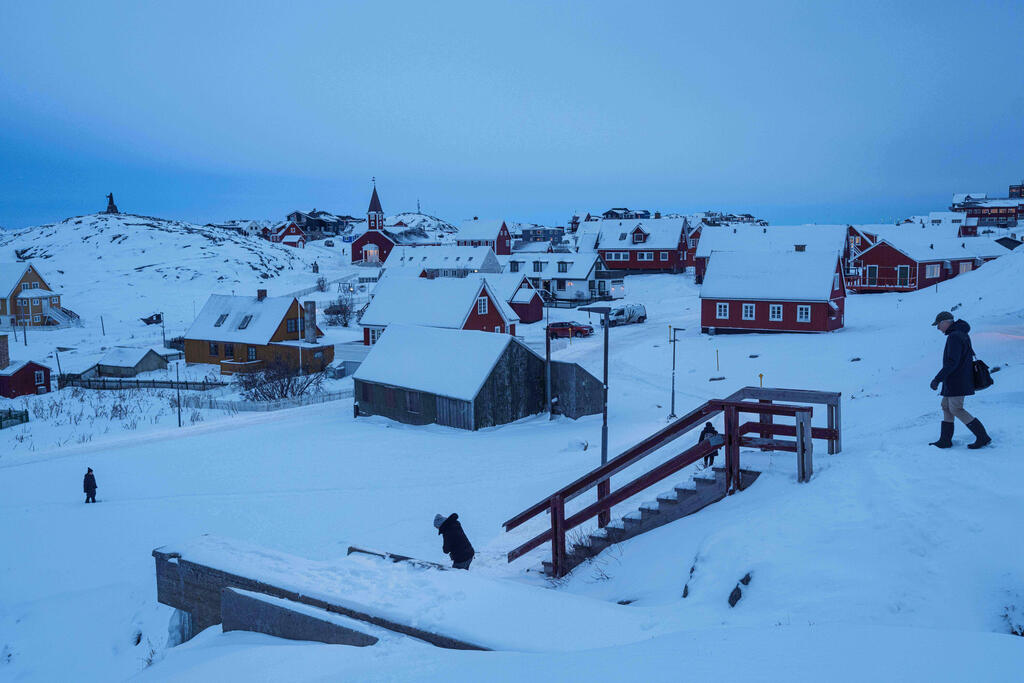
Nuuk, the capital of Greenland
(Photo: AP Photo/Evgeniy Maloletka)
Referring to the European show of support for Denmark, Trump wrote: “On top of everything else, Denmark, Norway, Sweden, France, Germany, The United Kingdom, The Netherlands, and Finland have journeyed to Greenland, for purposes unknown. This is a very dangerous situation for the Safety, Security, and Survival of our Planet. These Countries, who are playing this very dangerous game, have put a level of risk in play that is not tenable or sustainable. Therefore, it is imperative that, in order to protect Global Peace and Security, strong measures be taken so that this potentially perilous situation end quickly, and without question.”
Trump’s announcement sparked shockwaves across Europe and is being viewed as a dramatic escalation that threatens to widen the growing rift between the U.S. and its NATO allies. The very future of the alliance is now seen as at risk, particularly amid Trump’s thinly veiled threats of a potential military invasion of the island.
(Photo: Alessandro RAMPAZZO / AFP)
(Photo: AP Photo/Evgeniy Maloletka)
By Sunday afternoon, the eight targeted countries—Denmark, Finland, France, Germany, the Netherlands, Norway, Sweden and the United Kingdom—issued a rare joint statement condemning Trump’s proposed tariffs. “We stand in full solidarity with the Kingdom of Denmark and the people of Greenland,” the statement read. “We will continue to stand united and coordinated in our response. We are committed to upholding our sovereignty.”
The countries emphasized that, as NATO members, they are also committed to strengthening defense in the Arctic region, which they described as a “shared transatlantic interest” with the U.S. They said the recent troop deployments to Greenland were part of a defensive exercise, not a provocation, directly rebutting Trump’s claim that the move threatened U.S. national security.
European leaders are now weighing potential economic responses to the tariffs. A special emergency meeting of EU ambassadors was scheduled to take place Sunday evening in Brussels.
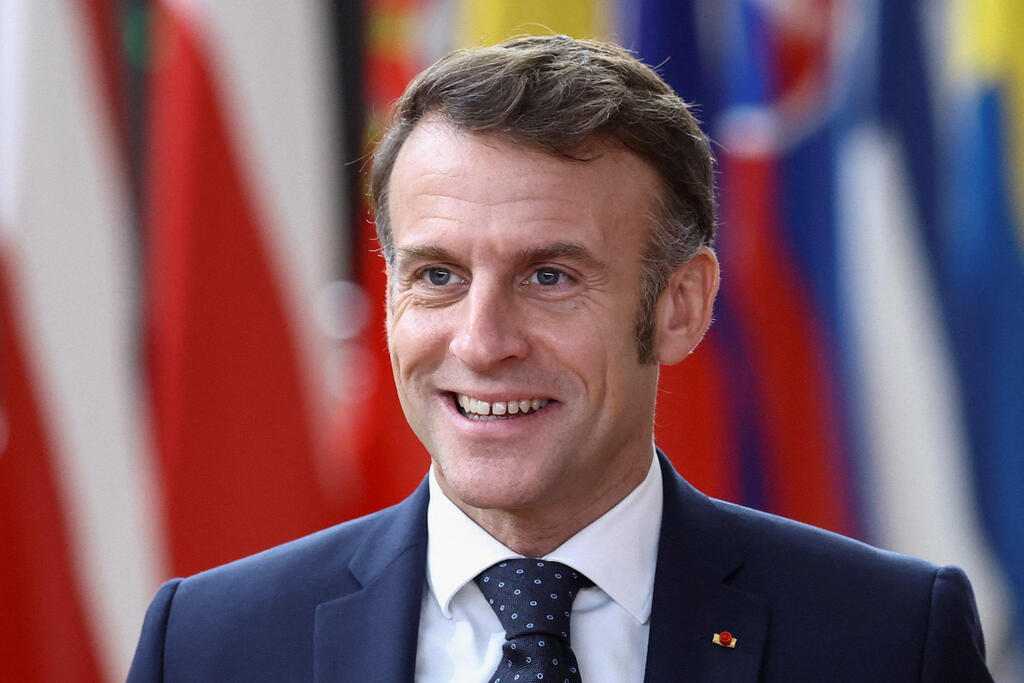
French President Emmanuel Macron
(Photo: REUTERS/Yves Herman)
A source close to French President Emmanuel Macron told Reuters he is pushing to invoke a rare EU trade mechanism that would allow the bloc to take retaliatory measures, such as restricting U.S. access to service sectors where it runs a trade surplus with Europe. However, some diplomats cautioned against escalating tensions further.
Italian Prime Minister Giorgia Meloni, whose country was not among those sanctioned and did not send troops to Greenland, is reportedly working to mediate between the sides.
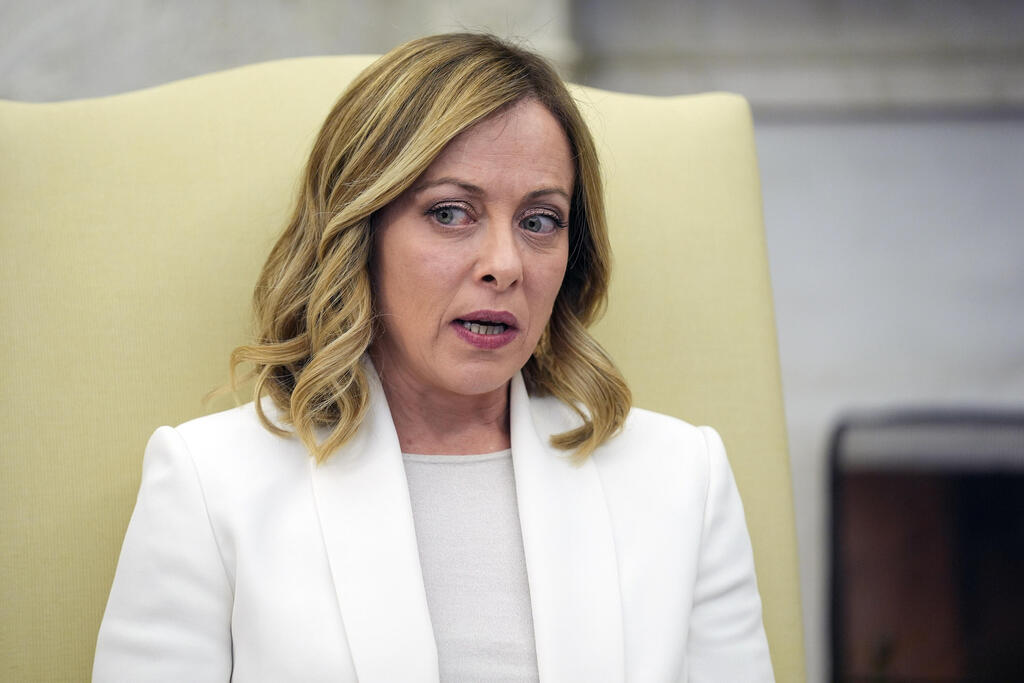
Italian Prime Minister Giorgia Meloni
(Photo: P Photo/Evan Vucci)
Speaking during a visit to South Korea, Meloni called Trump’s move a “mistake,” saying Washington misunderstood the nature of the European deployment, which she said was aimed at deterring “other actors,” a reference to Russia and China. She said she had already spoken to Trump and planned to consult with European leaders as well.
Criticism of Trump also came from European far-right figures, some of whom have previously enjoyed close ties with his administration and typically avoid criticizing him. Jordan Bardella, deputy to Marine Le Pen of France’s National Rally party, called the tariff threat “economic blackmail” and urged the EU to cancel its trade deal with the U.S. signed last year.
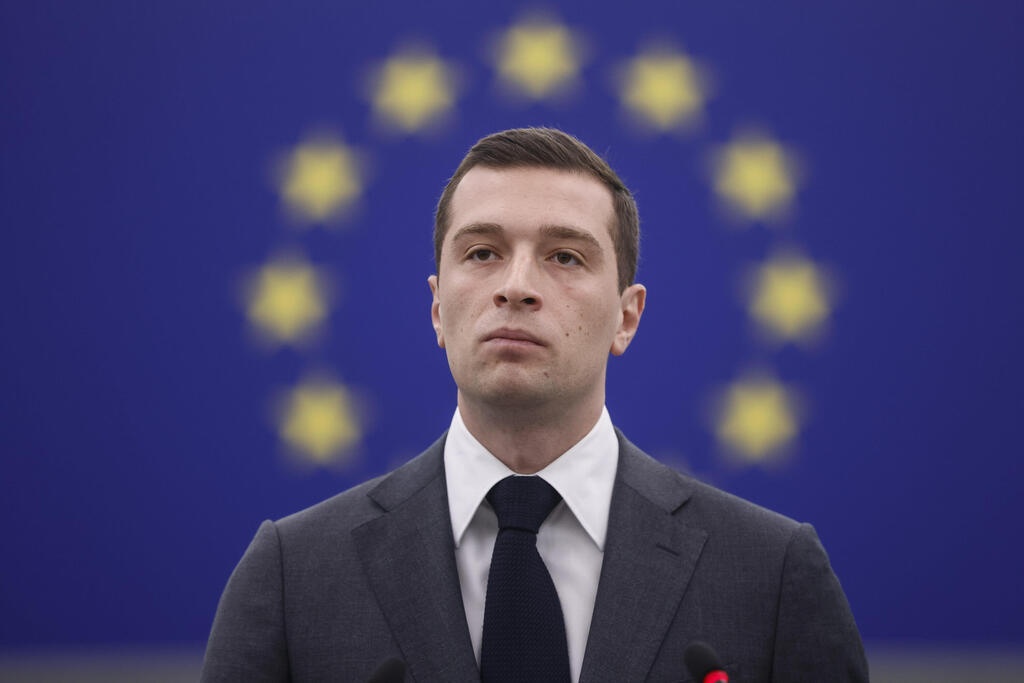
Jordan Bardella
(Photo: Photo/Jean-Francois Badias, File)
In the UK, Brexit champion and longtime Trump ally Nigel Farage voiced disapproval: “We don’t always agree with the US government and in this case we certainly don’t. These tariffs will hurt us,” he wrote on X, though he stopped short of criticizing Trump’s push to take over Greenland.
German far-right leader Alice Weidel, co-leader of the Alternative for Germany (AfD) party, went further. According to Bloomberg, she said even before Trump’s Saturday announcement that his actions, both in attempting to take Greenland and in abducting Venezuelan President Nicolás Maduro, showed he was “acting no differently from Russia’s Vladimir Putin.” “Trump has violated a fundamental campaign promise — namely not to interfere in other countries,” she said.
Thousands protest in Nuuk
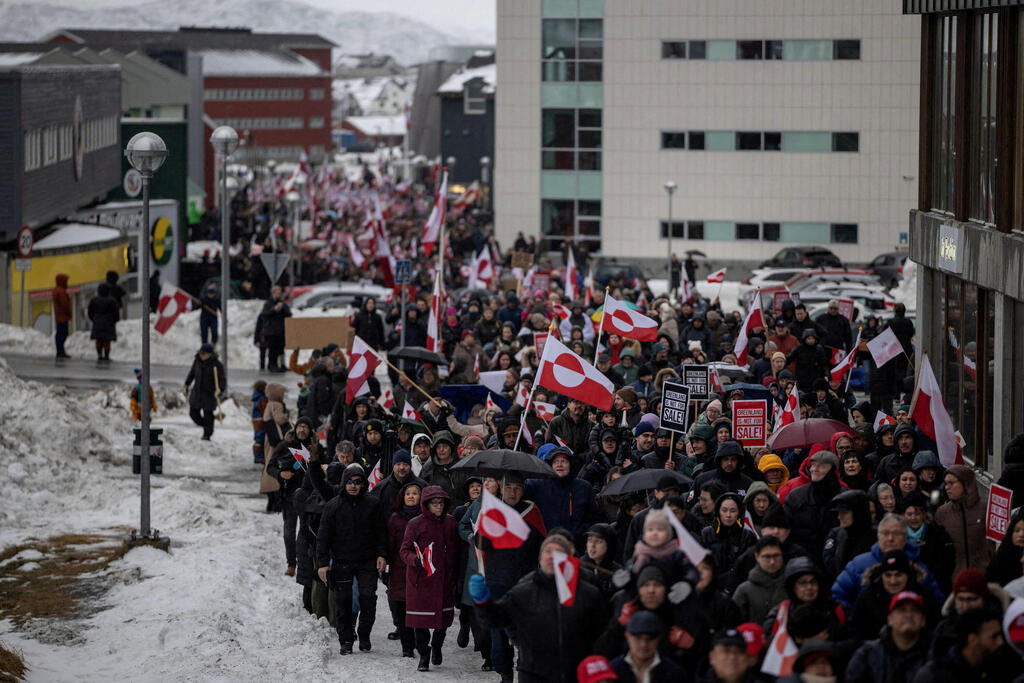
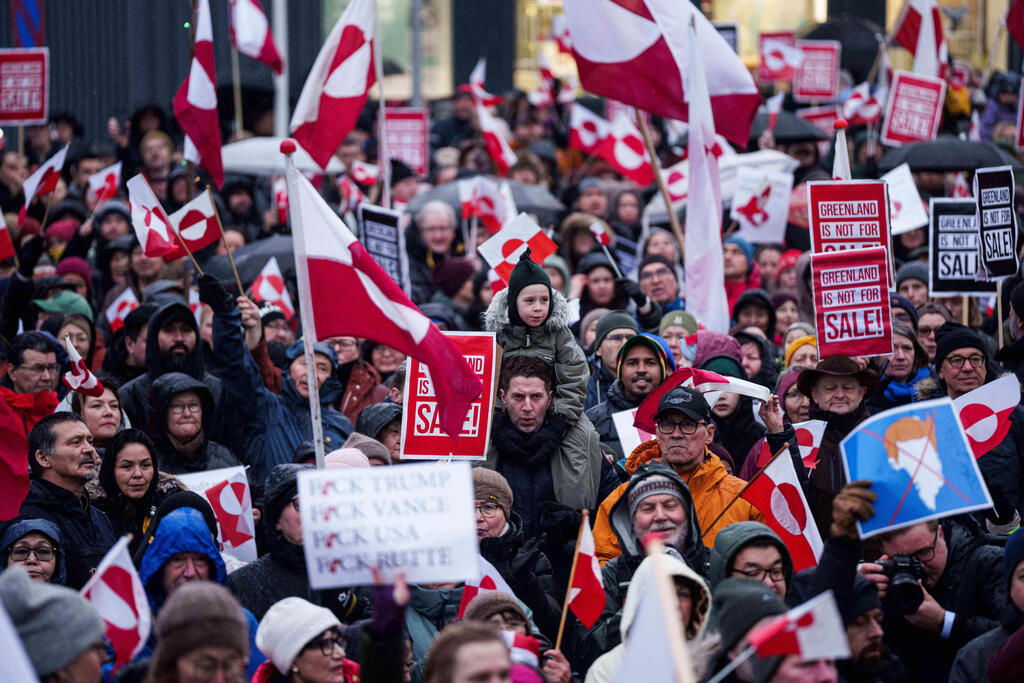
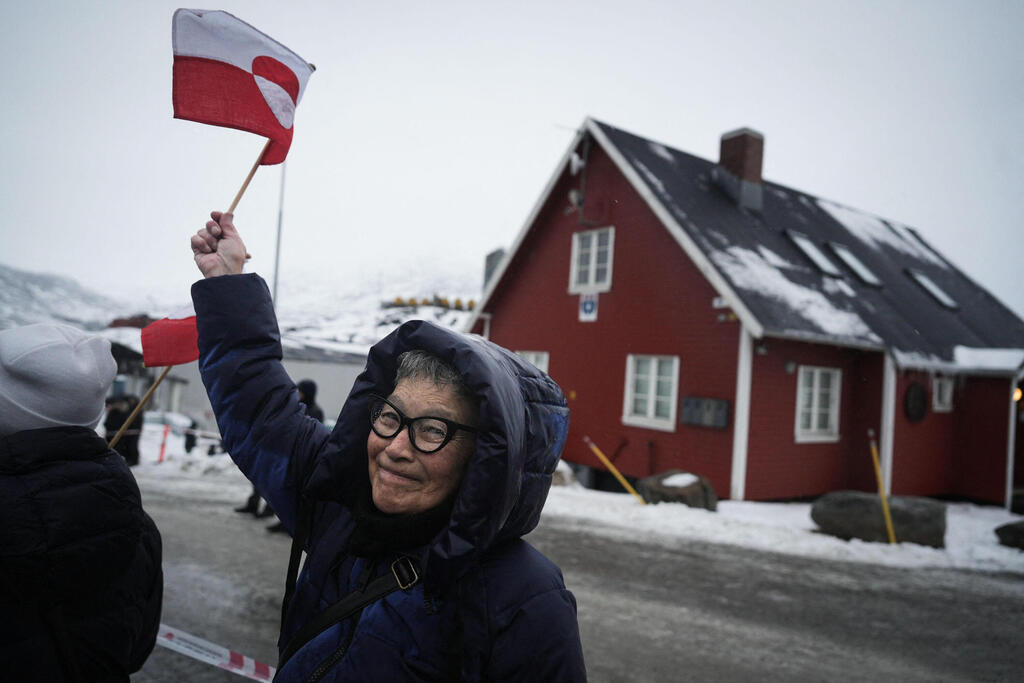
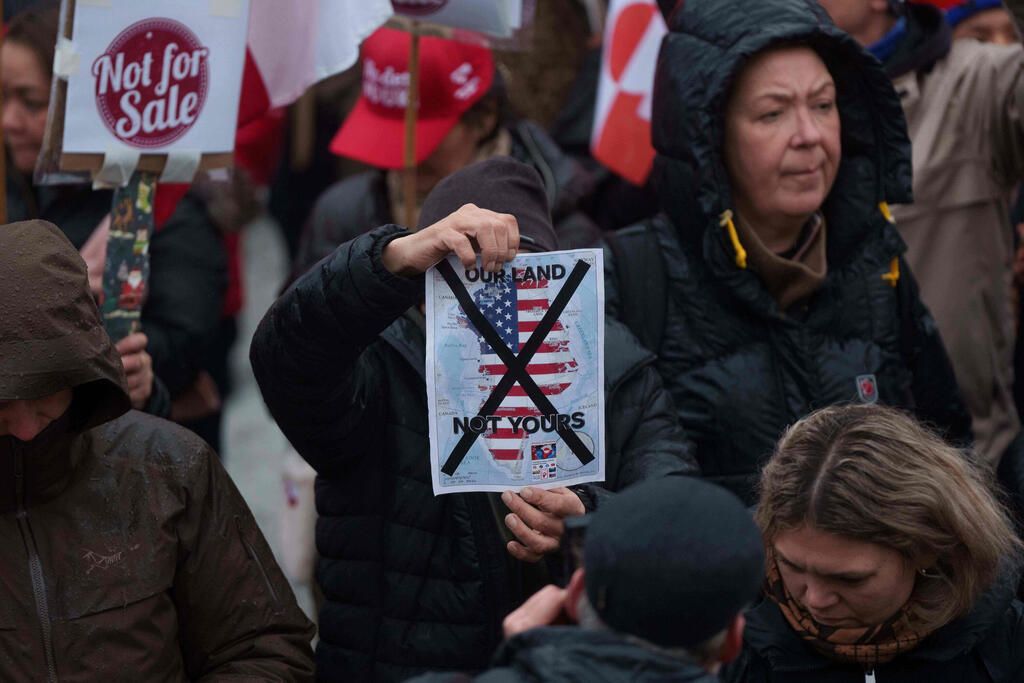
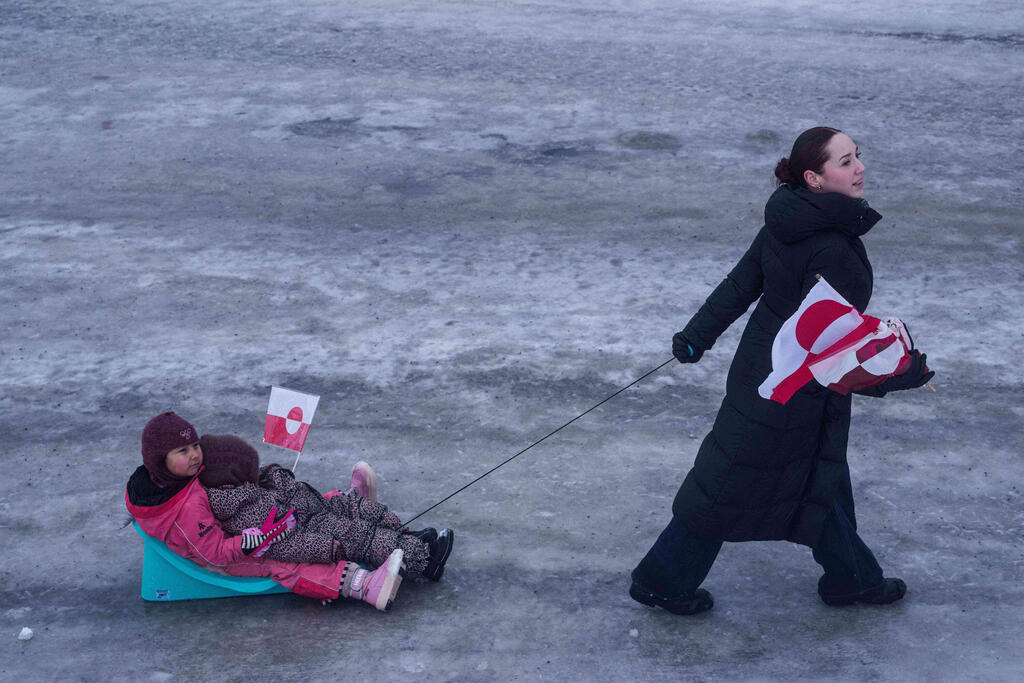
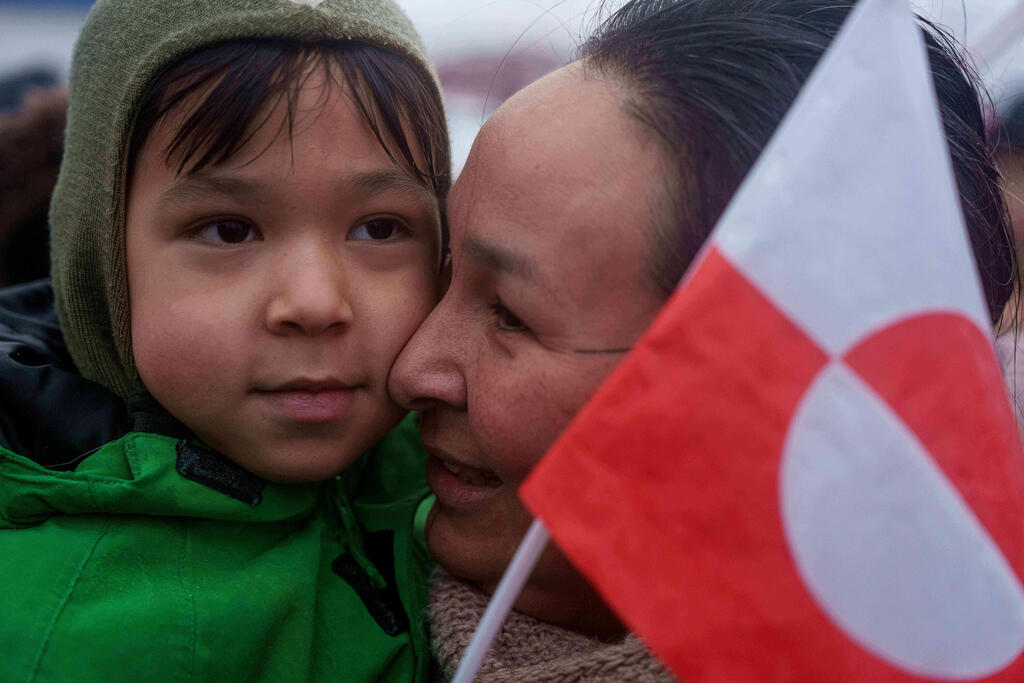
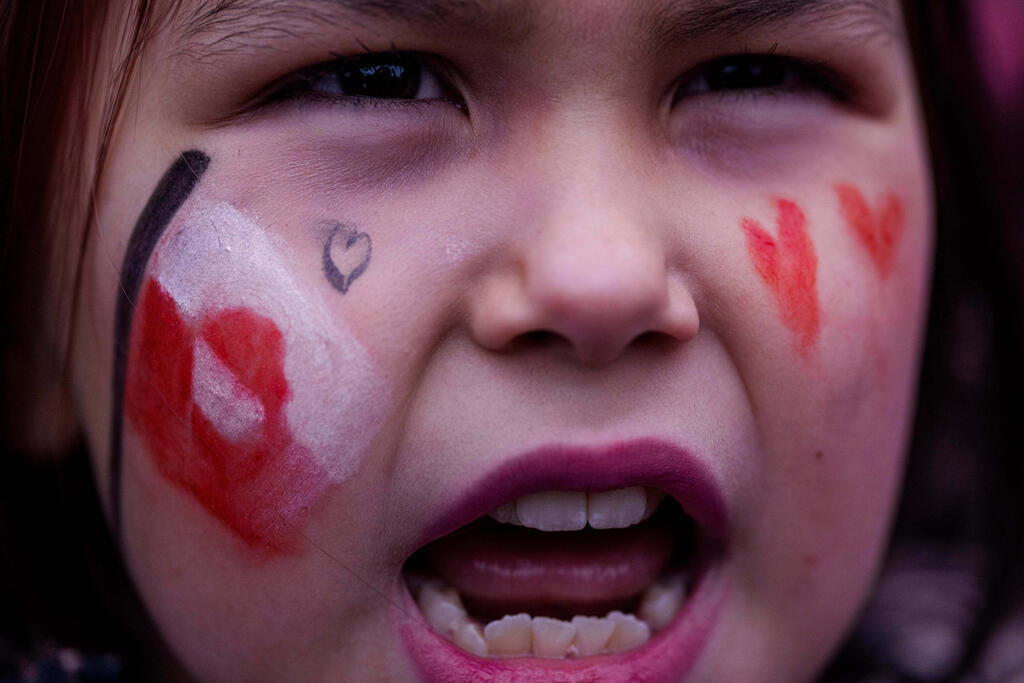
Trump’s surprise tariff announcement Saturday came just as thousands were gathering in the Greenlandic capital of Nuuk for a mass protest, an unprecedented turnout on an island with only around 57,000 residents. Demonstrators called on Trump to “keep his hands off Greenland,” chanting slogans such as “Greenland belongs to the Greenlanders!” Simultaneous protests were held in Denmark’s capital, Copenhagen.
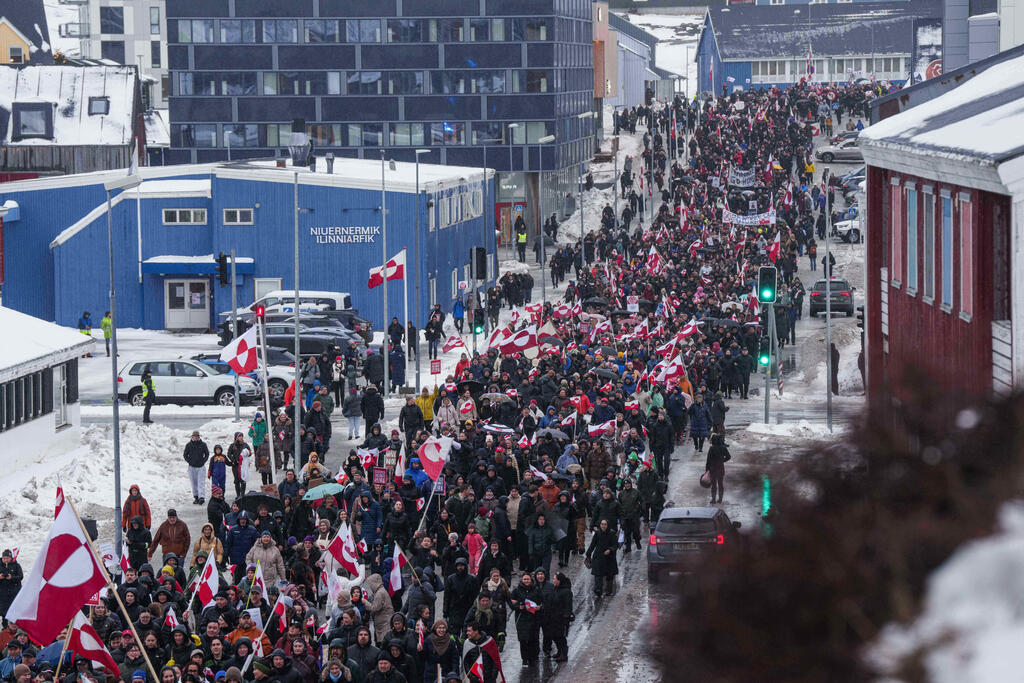
Protest in Nuuk, Greenland’s capital, against US President Donald Trump’s threats to take control of the island, Jan. 17
(Photo: AP Photo/Evgeniy Maloletka)
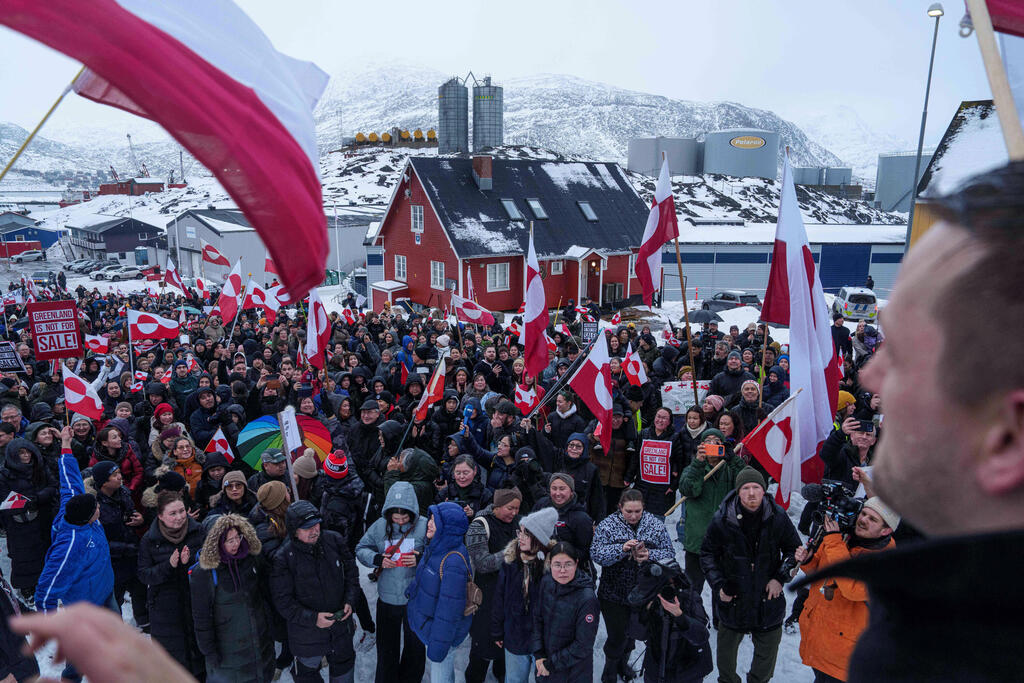
(Photo: AP Photo/Evgeniy Maloletka)
In Berlin, German Finance Minister Lars Klingbeil said Germany and its allies “will not be blackmailed” by Trump’s tariff threats, promising a “European response.” However, Bild later reported what some interpreted as Berlin caving to pressure: a small German military contingent sent to Greenland was seen boarding a plane out of Nuuk just 44 hours after arriving.
Greenland, a vast Arctic island larger than Mexico, has been part of the Kingdom of Denmark for centuries but enjoys broad autonomy, including the legal right to declare independence if its people choose. Trump first floated the idea of purchasing Greenland during his first term, citing its untapped natural resources and strategic location. He has renewed the push since returning to the White House in January 2025.
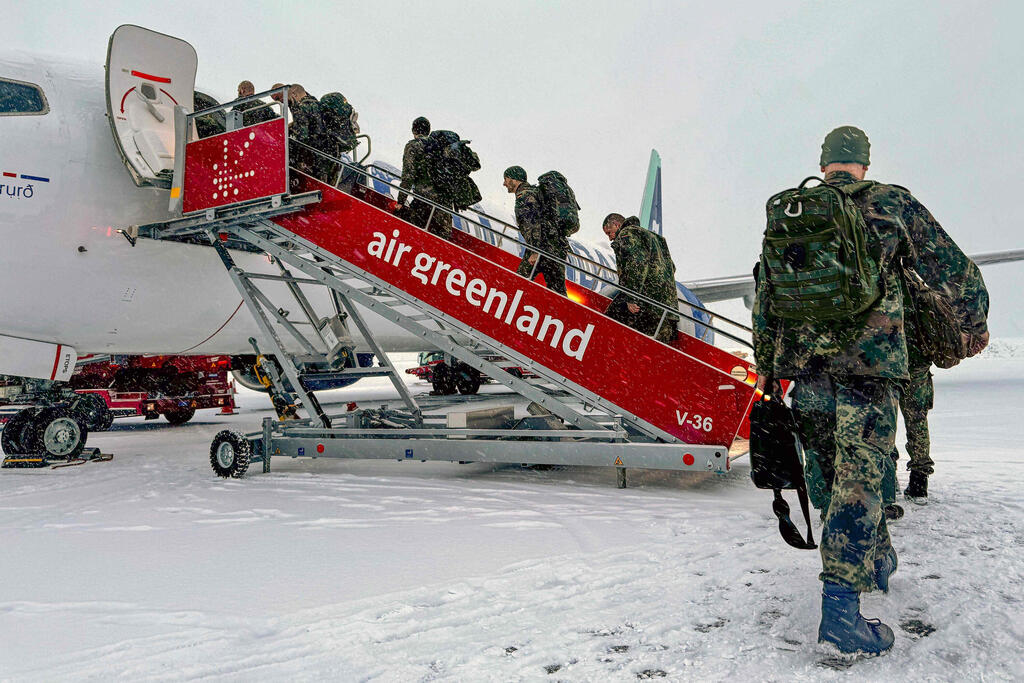
German soldiers board a plane in Nuuk, Greenland, leaving the island amid threats from US President Trump
(Photo: Alessandro RAMPAZZO / AFP)
Despite Denmark’s firm refusal, Prime Minister Mette Frederiksen has repeatedly stated that “Greenland is not for sale” and that only its residents will determine its future, Trump has taken several steps to signal his intentions. These include appointing a special U.S. envoy for Greenland affairs and dispatching his influential son, Donald Trump Jr., to visit the island.
Following the U.S.-led military operation that ousted Venezuelan President Maduro, Trump has made a series of increasingly provocative statements about Greenland. The White House recently confirmed that top administration officials are exploring ways to “secure control” of the island, including potential military options.
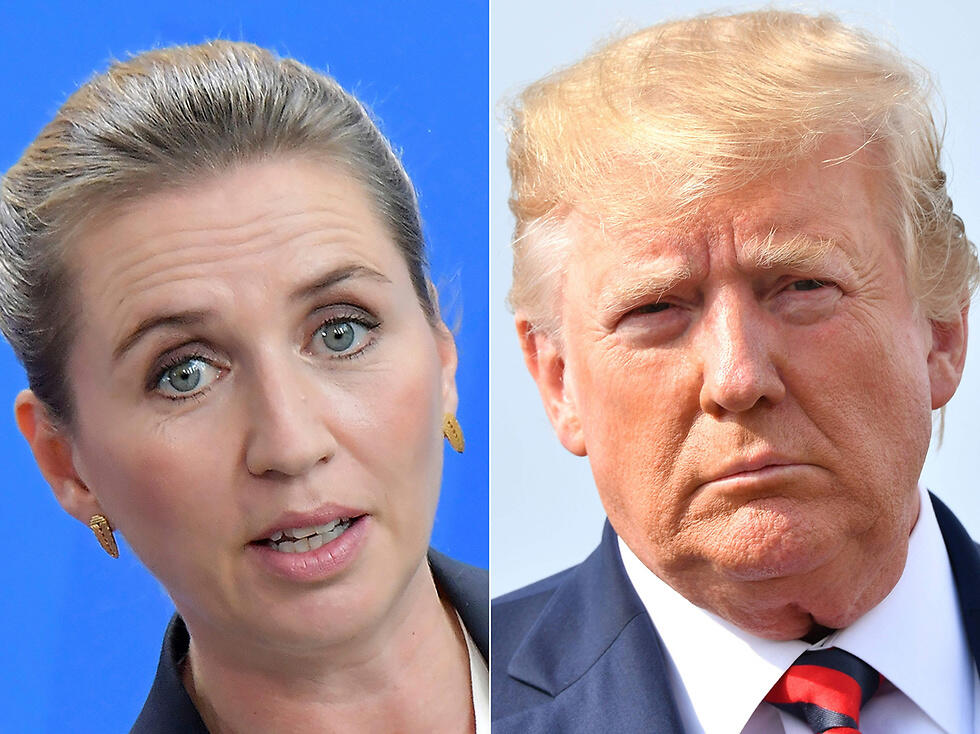
Prime Minister Mette Frederiksen; US President Donald Trump
(Photo: AFP)
Reports also suggest that Washington is considering offering one-time cash grants to Greenlanders to persuade them to sever ties with Denmark and become a U.S. protectorate.
Frederiksen warned earlier this month that a U.S. attack on Greenland would dismantle NATO. At a joint press conference last week with Greenland’s Prime Minister Jens-Frederik Nielsen, the two leaders presented a united front in the face of U.S. pressure.
(Photo: AP Photo/Evgeniy Maloletka)
(Photo: AP Photo/Evgeniy Maloletka)
Although there is a strong independence movement in Greenland, Nielsen said that if forced to choose now between Copenhagen and Washington, the answer was clear: “We choose Denmark. We choose NATO. We choose the Kingdom of Denmark. We choose the European Union.”
Trump has continued to justify his push for acquiring or annexing Greenland by citing its strategic value in the Arctic, where both Russia and China are expanding their presence. He warned that if the United States doesn’t take Greenland, "Russia or China will take over” the Danish territory.
(Photo: AP Photo/Evgeniy Maloletka)

(Photo: AP Photo/Evgeniy Maloletka)
But since Denmark is a fellow NATO member, any U.S. invasion of the island would, in principle, obligate other alliance members to defend it, potentially triggering a direct crisis within the military pact. Frederiksen has reiterated that such a move could lead to NATO’s collapse.
Strategic location, untapped wealth: why the US wants Greenland
Greenland holds significant strategic value for the U.S. military. The Arctic island hosts a critical ballistic missile early-warning system and is home to Thule Air Base in its northwest, operated under a 1951 U.S.-Denmark defense agreement. During the Cold War, the U.S. maintained troops at nearly 50 sites across Greenland. But following a 2004 agreement with Denmark, American presence was significantly scaled back. Today, just a few hundred U.S. personnel remain at Thule, compared to nearly 10,000 at the height of Cold War tensions.
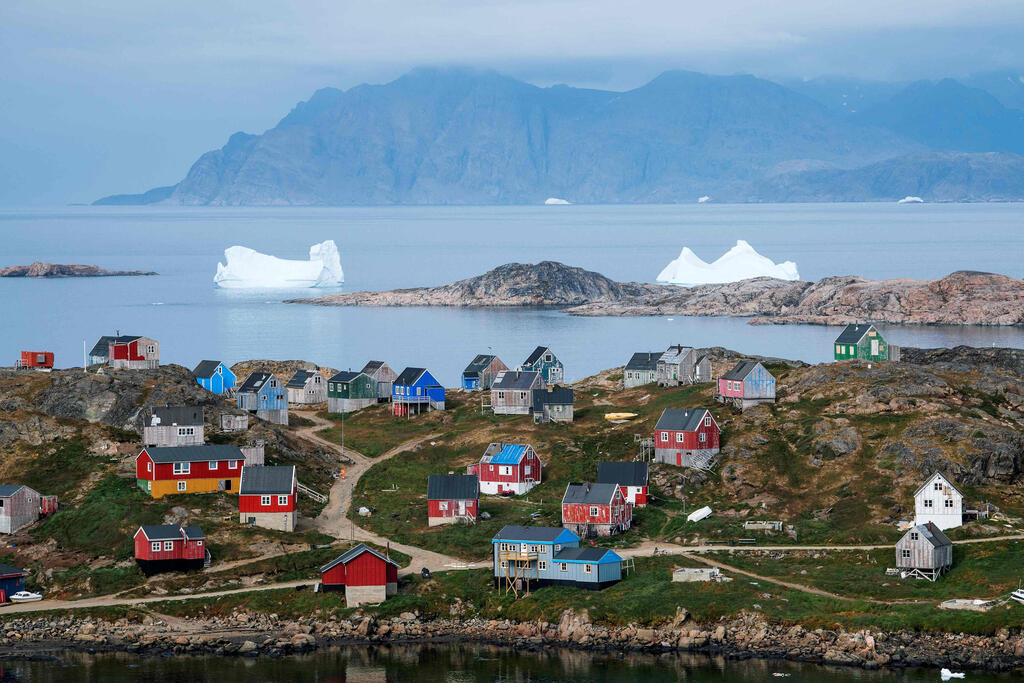
Greenland in summer
(Photo:AFP)
In recent years, amid increasing Russian and Chinese activity in the Arctic, Washington has expressed interest in expanding its footprint on the island. This includes deploying radar systems to monitor naval movements in the strategic waters between Greenland, Iceland and the UK, a corridor frequently used by Russian ships and nuclear submarines. Over the past decade, Russia has reopened six Arctic military bases closed after the Cold War, rebuilt its Northern Fleet and regularly conducts military exercises in the region. Moscow also hopes that melting Arctic ice will create a new northern shipping route from Asia to Europe.
Geographically part of North America, Greenland’s capital, Nuuk, is closer to New York than to Copenhagen. The island is rich in minerals, oil and natural gas. But due to harsh conditions and slow development, its economy still relies heavily on fishing and annual subsidies from Denmark. Basic infrastructure remains limited: there are no roads connecting its 17 scattered towns, and only one commercial international airport. Many residents still travel primarily by sea.
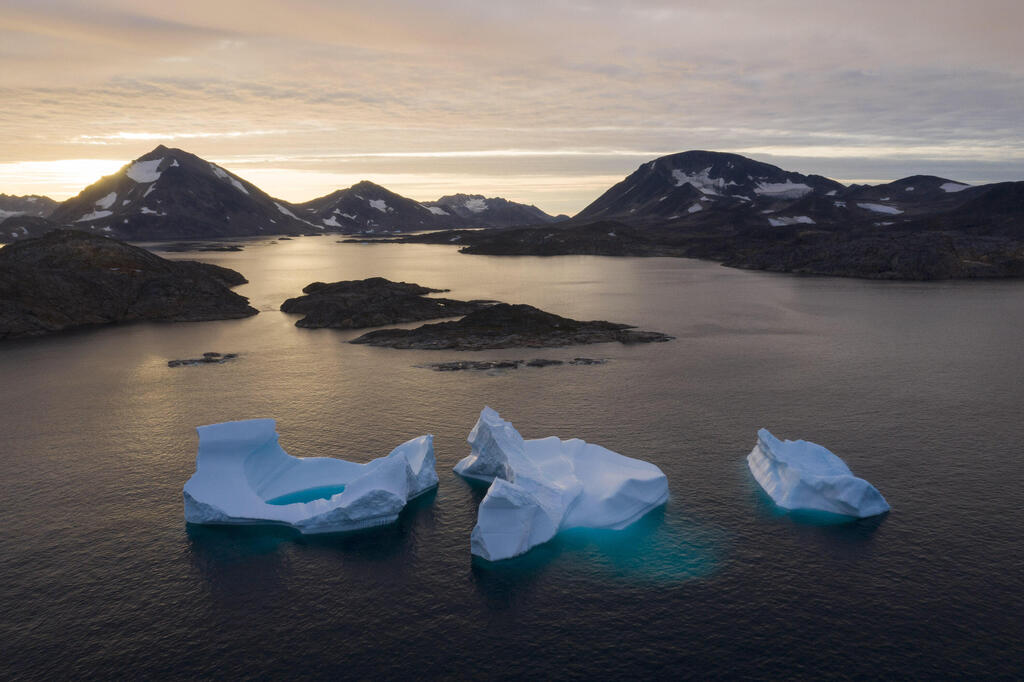
Greenland
(Photo: AP Photo/Felipe Dana)
Greenland—three times the size of Texas—has long attracted interest from American and Canadian investors eager to tap its vast resource reserves, including uranium. But environmental concerns and bureaucratic hurdles have stalled large-scale development. Today, the island has only one small operational mine. Estimates suggest up to 50 billion barrels of oil and gas may lie off Greenland’s coasts, enough to potentially place it among the world’s top 10 exporters.
Roughly 80% of the island remains covered in ice, up to three kilometers thick. Exploration is therefore limited to the coastal regions, where harsh conditions still prevail: ports freeze in the long winter, the island experiences prolonged darkness and temperatures in the north routinely plunge below minus 30 degrees Celsius.