

A hard-right Israeli government that aims to pursue a host of policies that have stoked criticism at home and abroad was being sworn in on Thursday, cementing Benjamin Netanyahu's comeback as premier.
The veteran leader, 73 and on trial for graft charges he denies, has sought to calm concerns about the fate of civil rights and diplomacy since his bloc of nationalist and religious parties secured a parliamentary majority in a Nov. 1 election.
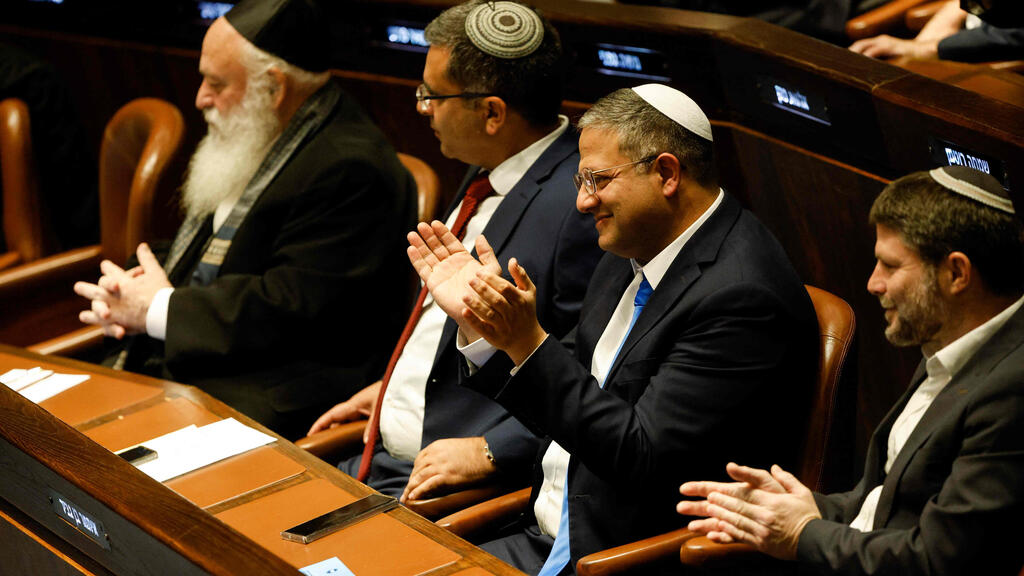
His allies include the Religious Zionist Party and Jewish Power parties, which oppose Palestinian statehood and whose leaders - both West Bank settlers - have in the past agitated against Israel's justice system, its Arab minority and LGBTQ rights.
Netanyahu has repeatedly pledged to promote tolerance and pursue peace, in a bid to fend off criticism of his coalition.
He told the Knesset in an address that "ending the Israeli-Arab conflict" was his top priority, along with thwarting Iran's nuclear program and building up Israel's military capacity.
Opponents heckled him and some chanted "Weak! Weak!". They say Netanyahu had to make costly deals to secure new partners after centrist parties boycotted him over his legal woes.
Outgoing Prime Minister Yair Lapid said at the Knesset plenum the swearing in was "an uneasy transfer of baton."
"In order to prevent attempts to rewrite history, it's important to understand what the state of the country was at the moment of the transfer of power."
'DANGEROUS ESCALATION'
For Palestinians, Netanyahu's line-up has darkened an already bleak outlook. After a year in which violence has surged across the West Bank, Jewish settlements are now set to expand on land on which Palestinians hoped to build a future state.
Netanyahu's conservative Likud party said the government would "promote and develop settlement" in territory to which "the Jewish people has an exclusive and unassailable right".
Most world powers deem building settlements on land captured in war illegal.
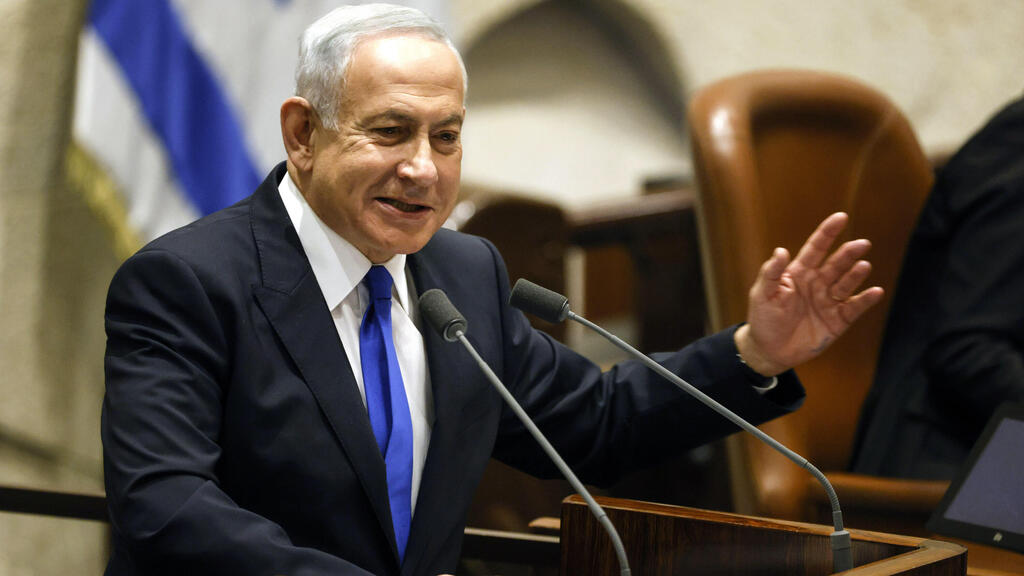
Benjamin Netanyahu
(Photo: AP)
"These guidelines constitute a dangerous escalation and will have repercussions for the region," Nabil Abu Rudeineh, spokesperson for Palestinian President Mahmoud Abbas, said.
Netanyahu, now entering a record sixth term as Israeli leader, appears to have stopped short for now of seeking the annexation of West Bank land, a policy he had previously sought and which would have pleased his settler base.
This year saw the worst West Bank violence since 2015 as Israeli forces cracked down on Palestinian unrest and militant attacks. Palestinian President Mahmoud Abbas has criticized the new government "whose motto is extremism and apartheid".
Netanyahu, who was prime minister for three years in the 1990s and from 2009 to 2021, has said he seeks a breakthrough in forming diplomatic ties with Saudi Arabia as he did in 2020 with other Gulf states that share Israel's concerns about Iran.
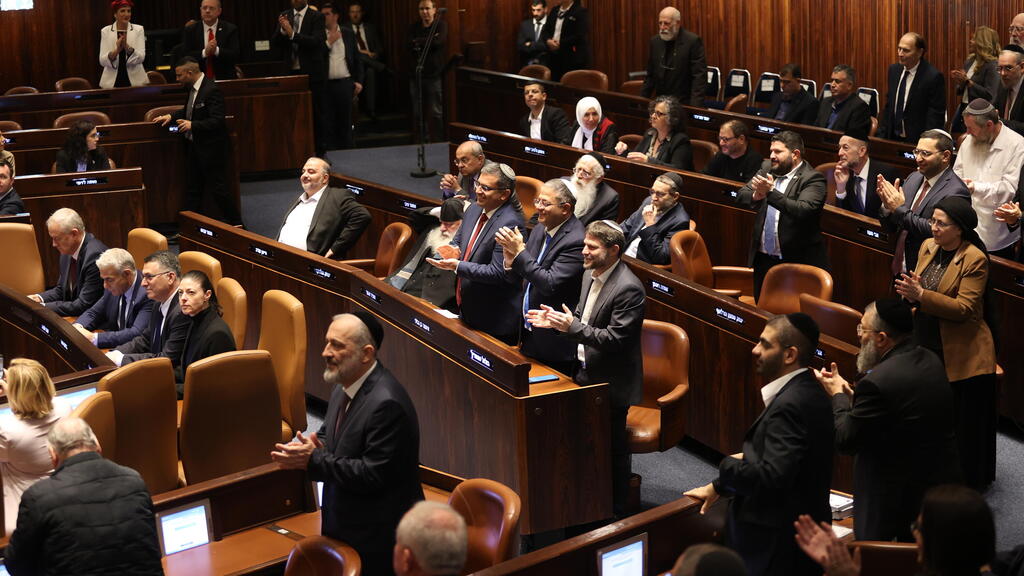
Knesset plenum ahead of swearing in ceremony
(Photo: Alex Kolomoisky)
Riyadh has signaled no change in its position that any progress with Israel was contingent on Palestinian statehood.
Netanyahu's appointments include Itamar Ben-Gvir, a West Bank settler convicted in 2007 of incitement against Arabs and support for a Jewish militant group, as minister for police. Ben-Gvir, a lawyer, says his views have become more moderate.
President Isaac Herzog, whose role is largely ceremonial, warned on Sunday against causing potential harm to individuals' rights. Businesses have decried calls to revise Israel's anti-discrimination law.