

A Palestinian terrorist was killed Sunday overnight in Qabatiya, while settler violence in the West Bank continues to escalate, alongside mounting clashes with Palestinians who accuse Israeli police of inaction.
For nearly two years now, the West Bank has taken a backseat to other war zones, even as weapons continue flowing into the area, some from Arab-Israeli crime organizations. Still, data from the IDF’s Central Command shows a significant drop in terrorist activity since the start of 2025.
Footage from the scene in Qabatiya after IDF operation


Security officials attribute this trend to the IDF's intense operations inside the Jenin and Tulkarm refugee camps, which have focused on dismantling terror infrastructure and seizing weapons. However, they caution that the region remains highly volatile, especially in light of increasing settler attacks and ongoing discussions about restructuring the refugee camps, which have undergone dramatic changes over the past year.
Terror down, troop presence up
Central Command is currently conducting assessments for the remainder of 2025, noting a marked decline in terror attacks compared to previous years. Officials attribute this not just to military activity, but to a broader strategic deployment: around 20 IDF battalions are currently stationed across the West Bank. In Jenin, paratrooper recon units are active, while in Tulkarm, the 890th Battalion is operating.
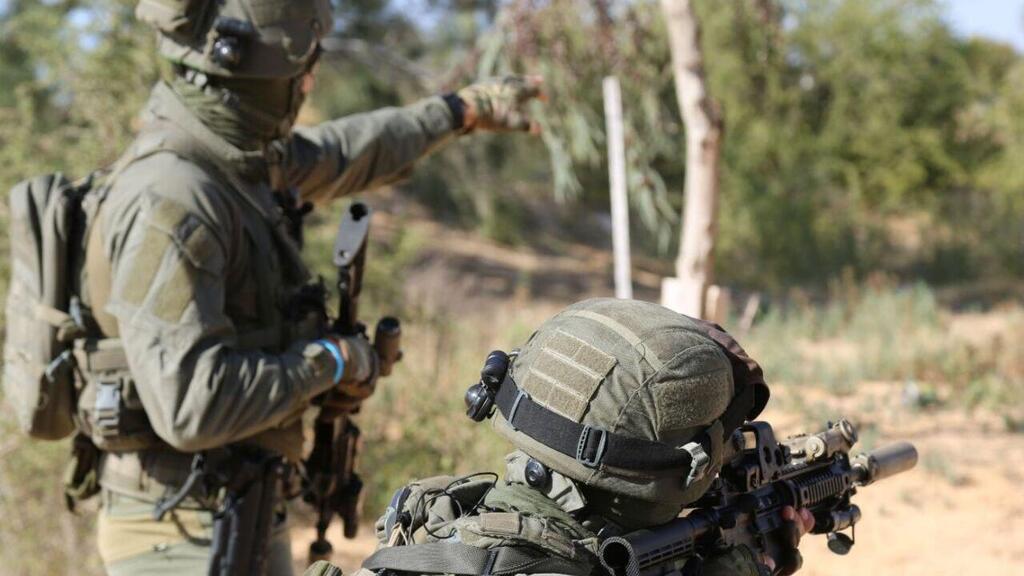
The IDF has also altered camp infrastructure—expanding roads and demolishing buildings—to disrupt terror networks. These actions have pushed terrorists into surrounding villages, where they become more vulnerable and easier to track. In addition, Israeli strikes on targets in Lebanon, Syria, and Iran have disrupted funding channels that previously fueled West Bank terror.
Under Defense Minister Israel Katz’s current directive, IDF forces are expected to remain in the camps through the end of 2025. Meanwhile, discussions with the Palestinian Authority continue over how to restructure the heavily damaged refugee areas. Israeli military officials are setting conditions for Palestinian-led reconstruction, such as wider roads and restricted construction zones. “The camps will never return to what they once were,” said a senior defense official.
Weapons haul grows, but threat persists
Despite the downturn in attacks, the terror threat remains, particularly from small, local cells or lone actors. So far in 2025, security forces have seized over 900 weapons in the West Bank, following a haul of more than 1,000 in 2024. However, thousands more weapons are believed to be circulating, many smuggled in by domestic crime syndicates.
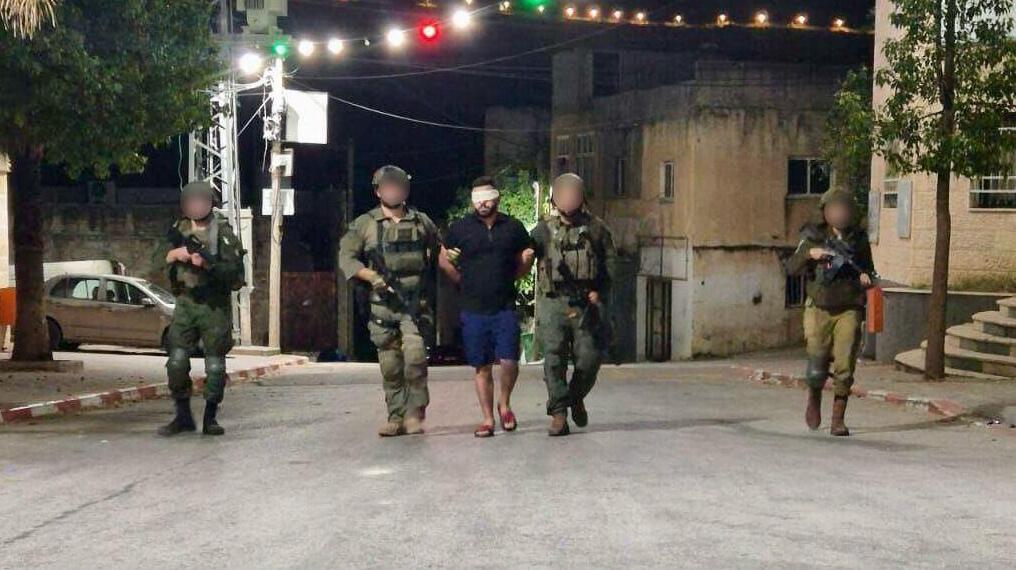
IDF forces operate in the West Bank
(Photo: IDF)
Even so-called "popular terror" incidents—such as rock-throwing and Molotov cocktails—have seen a dramatic reduction. Officials report that such events now average around 10 per week, down from dozens.
Get the Ynetnews app on your smartphone: Google Play: https://bit.ly/4eJ37pE | Apple App Store: https://bit.ly/3ZL7iNv
In 2024, elite Unit 636 neutralized around 50 terrorists involved in popular terror. Since January 2025, they've already taken out 40. Yet Central Command warns that any major attack could still shatter the current fragile calm.
Settler violence escalates without arrests
Alongside the terror threat, Israeli authorities are grappling with a sharp rise in settler violence. This morning, settlers set fire to a Palestinian home in the village of Turmus Ayya (Benjamin region), spraying “Price Tag Revenge” graffiti on the walls. Like yesterday’s vehicle arson attack in a nearby village, no arrests were made.

Vehicle arson in Silwad
Police say investigations are ongoing, including one into the arson of a military installation near Givat Asaf a month ago, and another incident in the Benjamin region that remains under a gag order.
Meanwhile, a controversial shooting by Israeli settler Yinon Levy two weeks ago in South Hebron appears unlikely to result in an indictment. Both police and the courts have indicated that Levy fired in self-defense after being pelted with stones by Palestinians.