

The fragile ceasefire between Pakistan and Afghanistan’s Taliban government unraveled again Thursday night, with both sides trading gunfire, airstrikes and accusations of mounting casualties.
Pakistan’s Defense Minister Khawaja Asif declared war against the Taliban authorities. “Our patience has reached its limit,” he wrote on X. “This is now an open war between us.”
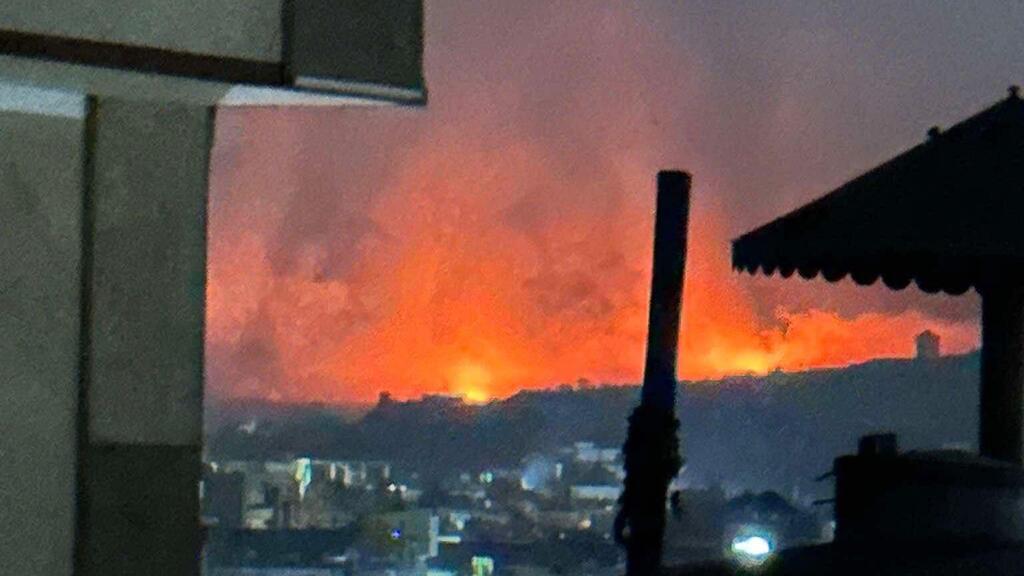
Pakistani fighter jets struck targets in the Afghan capital, Kabul, and in two other provinces, according to an Afghan government spokesman, roughly four months after a ceasefire was declared following clashes that killed dozens. At least three explosions were heard in Kabul, though no casualties were immediately reported.
Taliban spokesman Zabihullah Mujahid said Pakistan also carried out airstrikes in Kandahar and Paktia provinces in southeastern Afghanistan.
Two senior Pakistani security officials told The Associated Press that Pakistani forces targeted what they described as Afghan military facilities in Kabul, Kandahar and Paktika, allegedly destroying two “brigade headquarters.”
Afghanistan said its forces launched retaliatory attacks across the border inside Pakistan in response to what it called deadly Pakistani airstrikes in border areas. Taliban officials claimed they had seized more than a dozen Pakistani army posts.
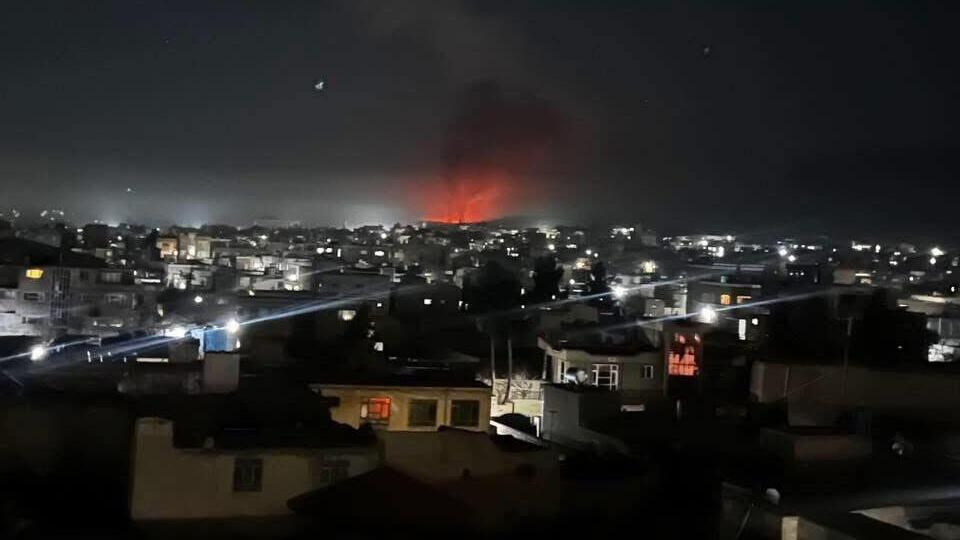
(Photo: X)
Pakistan described its airstrikes as operations against armed fighters hiding in the region and rejected claims that any of its border posts had been captured. It characterized Taliban attacks along the frontier as “unprovoked.”
Amid the renewed fighting, U.N. Secretary-General Antonio Guterres called on both sides to protect civilians in accordance with international law and to continue efforts to resolve disputes through diplomacy.
Mujahid said Taliban operations along the border were a response to repeated actions by Pakistani forces. “In response to repeated rebellions and uprisings by the Pakistani army, we launched large-scale offensive operations against Pakistani military bases and installations along the Durand Line,” he wrote on X.
Afghanistan’s Defense Ministry said retaliatory strikes were carried out in six border provinces. The 2,611-kilometer border between the two countries, known as the Durand Line, is not formally recognized by Afghanistan.
Conflicting casualty claims
Following the exchanges, both sides issued sharply conflicting casualty figures.
Afghanistan’s Defense Ministry said 55 Pakistani soldiers were killed, including some whose bodies were allegedly transferred to Afghanistan, and that others were captured alive. It said eight Afghan forces members were killed and 11 wounded, and claimed 19 Pakistani military posts and two bases were destroyed.
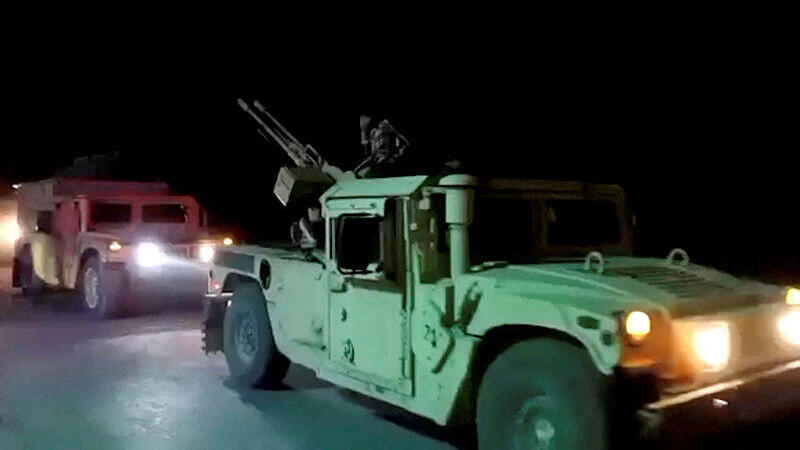
Taliban forces patrol along the border overnight
(Photo: Afghanistan's Ministry of Defense/Handout via Reuters)
Pakistan’s Information Minister Attaullah Tarar said two Pakistani soldiers were killed and three wounded, and claimed that 36 Afghan fighters were killed. In a post on X, he said Pakistan was delivering a “strong and effective response” to what he described as unprovoked fire from Afghanistan.
A spokesman for Pakistani Prime Minister Shehbaz Sharif denied that any Pakistani soldiers had been captured. He later said at least 133 Afghan fighters were killed and more than 200 wounded, adding that 27 Afghan posts were destroyed and nine fighters captured.
Both sides also reported clashes near the Torkham border crossing, the main transit point between the two countries. Taliban authorities said they evacuated a nearby refugee camp after several refugees were allegedly wounded in a Pakistani missile strike, including women and children.
On the Pakistani side, police said residents were moved to safer areas. Afghan refugees waiting to cross back into Afghanistan were also relocated. Pakistani police said mortar shells fired from Afghanistan landed in nearby villages but reported no civilian casualties.
“Pakistan will take all necessary measures to ensure its territorial integrity and the safety and security of its citizens,” the Information Ministry said in a post on X.
Tensions between the two neighbors have remained high for months. Deadly clashes in October 2025 killed dozens of soldiers, civilians and fighters. Those battles followed explosions in Kabul that Afghan officials blamed on Pakistan. Islamabad later carried out deep strikes inside Afghanistan targeting what it said were Taliban militant hideouts.
On Sunday, Pakistan’s military conducted strikes along the border, saying at least 70 fighters were killed. Afghan authorities rejected that claim, saying dozens of civilians, including women and children, were killed.
Until Thursday night, a ceasefire mediated by Qatar and Saudi Arabia had largely held, despite sporadic exchanges of fire. Several rounds of peace talks in November failed to produce a formal agreement.