

The overnight U.S.-Saudi strikes on headquarters belonging to Iraq’s Popular Mobilization Forces came amid an intensifying struggle for influence between Washington and Tehran, once again highlighting Iraq’s regional importance even as the country often remains outside the center of international attention.
Under newly appointed Prime Minister Ali al-Zaidi, Iraq is facing growing pressure from two opposing directions. From Washington comes a demand that the country’s Iran-backed militias surrender their weapons, particularly those accused of attacking Saudi Arabia.
US-Saudi strikes in Iraq


Some factions have already said they are prepared to abandon military activity and focus on politics. Others have firmly refused, issued threats and continued demanding a complete U.S. withdrawal from Iraq. Al-Zaidi visited the United States this month on his first official trip since taking office and met President Donald Trump at the White House.
Only days later, however, the Iraqi prime minister traveled to Iran, the other power exerting pressure on Baghdad.
During his visit to Tehran, al-Zaidi met senior Iranian officials, including parliament speaker Mohammad Bagher Ghalibaf, President Masoud Pezeshkian and Foreign Minister Abbas Araghchi.
He also accompanied Ghalibaf to a memorial for senior Iranian figures killed in recent years, including former supreme leader Ali Khamenei and two men killed in the 2020 U.S. strike in Iraq: Qassem Soleimani, commander of the Islamic Revolutionary Guard Corps’ Quds Force, and Abu Mahdi al-Muhandis, deputy commander of the Popular Mobilization Forces.
Iranian state-aligned media prominently publicized the memorial visit, in what appeared to be a pointed message to Trump. During al-Zaidi’s visit to Washington, the U.S. president had again celebrated the 2020 strike, which he ordered during his first term.
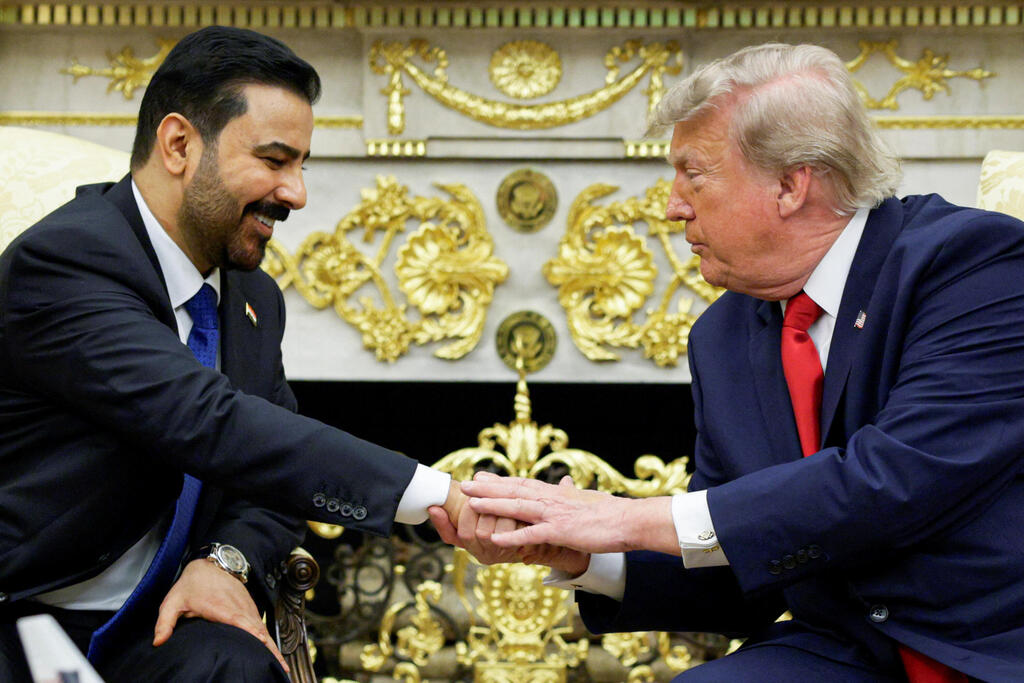
Trump meeting with Iraq’s new prime minister, Ali al-Zaidi
(Photo: REUTERS/Evan Vucci)
Iran retains substantial influence in Iraq, particularly through loyal militias operating within the Popular Mobilization Forces, the umbrella organization whose headquarters were targeted overnight. The Popular Mobilization Forces, known in Arabic as al-Hashd al-Shaabi, encompass numerous Iraqi armed factions, including several closely aligned with Tehran.
Iraq contains several militia umbrella groups, and some individual factions are affiliated with more than one framework. The Popular Mobilization Forces were formed in 2014 from Iraqi armed groups mobilized to fight ISIS. They were later incorporated into Iraq’s formal security establishment and are legally recognized as part of the country’s state forces, despite the strong loyalty to Iran maintained by some of their most powerful factions.
Under the plan promoted by Washington, Iran-backed militias would separate from the Popular Mobilization Forces, surrender their weapons to the Iraqi state and come fully under government authority. The United States supports dismantling or fundamentally restructuring the organization. Iran fears that such a move would weaken its influence over Iraqi political and security decisions.
Leadership trapped between rival powers
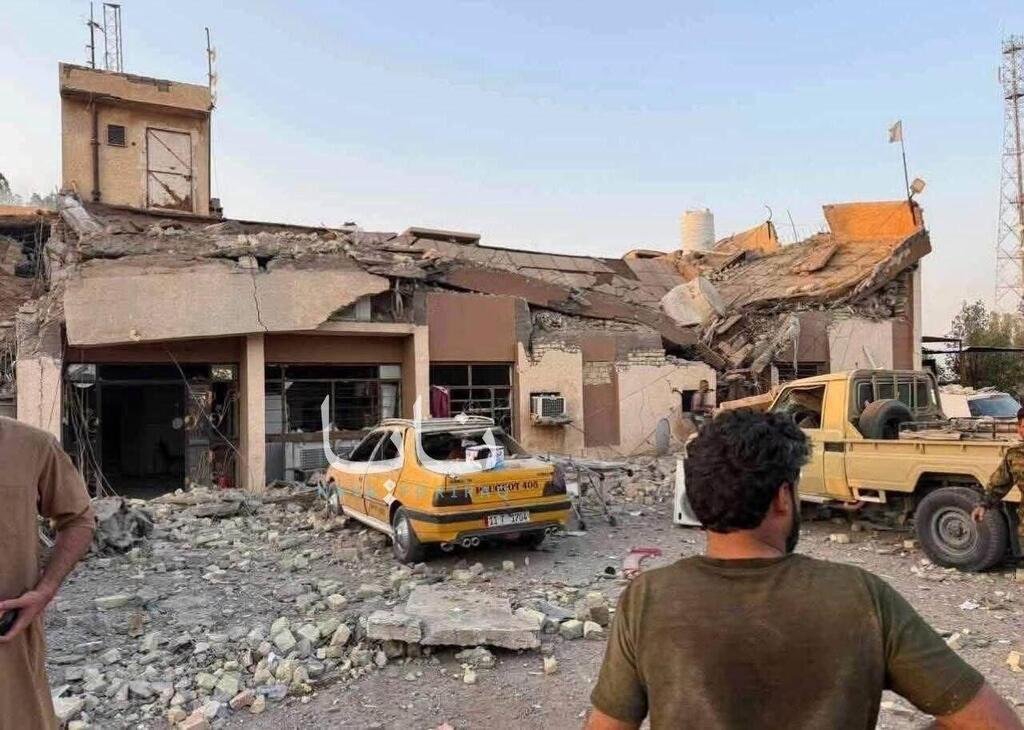
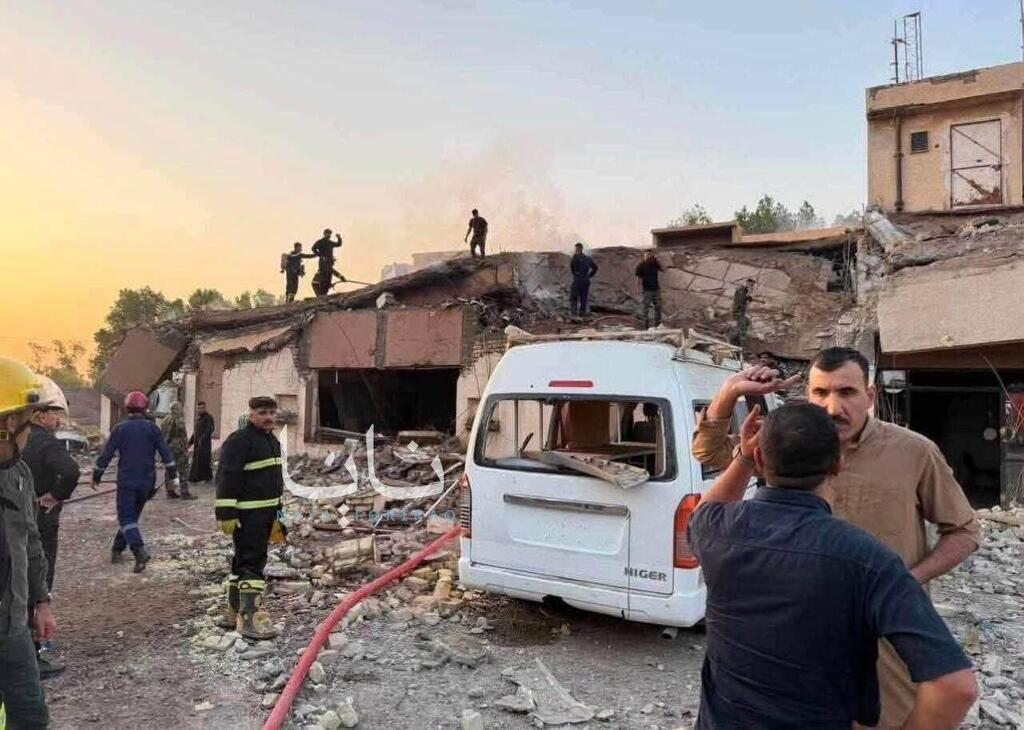
The overnight strikes targeted several official Popular Mobilization Forces headquarters. The organization said 20 people were killed and another 32 wounded. It said sites were struck in Baghdad, Wasit, Nineveh, Basra, Kirkuk, Karbala and Diyala provinces, causing damage to headquarters, vehicles and military equipment.
Saudi Arabia confirmed that targets linked to Iraqi militias had been struck, saying the groups were connected to attacks on the kingdom’s oil facilities. The militias have denied carrying out those attacks, pointing instead to Yemen’s Houthis, who claimed responsibility.
On Monday, the Islamic Resistance in Iraq, another umbrella organization for Iran-backed Iraqi militias, denied accusations that it had launched drones at Saudi territory. “The Saudi accusations are an attempt to justify their inability to respond to attacks from Yemen,” the organization said. “We warn the Saudi regime and declare that any foolish Saudi action will be met with a response that will make them regret it.”
Iraq’s leadership is now trapped as it tries to preserve the country’s foreign relationships and internal stability. Baghdad is seeking to restrain Iran-backed militias that cooperate with the broader Iranian-led Shiite axis while maintaining its relationship with the United States.
At the same time, the Iraqi government opposes foreign attacks on its territory and strikes against the Popular Mobilization Forces, which remain a legally recognized Iraqi security body. Al-Zaidi’s challenge is therefore not simply to choose between Washington and Tehran. He must reduce the militias’ ability to conduct independent military operations without triggering an internal confrontation, undermining the state security structure or provoking Iran.
The emerging balance of power in Iraq is also highly significant for Israel. In recent years, the Islamic Resistance in Iraq has repeatedly claimed drone and missile launches toward Israeli territory as part of the Iranian-led regional campaign.
A successful Iraqi effort to disarm or subordinate the militias could restrict Iran’s ability to use Iraqi territory as another front against Israel. Failure would leave Tehran with an armed network capable of operating outside Baghdad’s effective control, threatening Saudi Arabia, U.S. forces and Israel while drawing Iraq deeper into a regional conflict it is desperately trying to survive.