

President Donald Trump has escalated his public pressure campaign on Iran with a barrage of dramatic statements on social media and in remarks to reporters, threatening sweeping destruction one day, claiming a breakthrough the next and warning anew overnight that the United States could resume bombing if no agreement is reached.
Before announcing the ceasefire, Trump had threatened to wipe out an entire civilization and said Iran’s power stations could be destroyed within an hour. Overnight, he again raised the prospect of military action, saying that if there is no deal by Wednesday, the ceasefire might not be extended.
US President Donald Trump on Iran talks
(Video: The White House)


“Maybe I won't extend it,” Trump told reporters aboard Air Force One when asked about his deadline for the talks, adding that the blockade on Iranian ports "is going to remain" and "we're going to have to start dropping bombs again.”
Meanwhile, Trump said he had received “very good news” and that “everything is going well in the Middle East,” before later returning to explicit threats against Iran. He ended by saying he believed an agreement would be reached.
According to The Wall Street Journal, Trump administration officials said the president’s bold public statements are part of a negotiating strategy meant to shock Iran’s leadership, push it toward decisions at the table and increase pressure for a deal.
The newspaper reported that the approach has also sown confusion and doubts among U.S. allies and officials involved in the talks. Similar surprise was heard in Israel, including over Trump’s statements related to Lebanon.
Over the past day, Trump has effectively insisted that he already obtained everything he wanted from Tehran: the full reopening of the Strait of Hormuz, a promise by Iran to allow the removal of enriched uranium and a commitment to stop supporting its regional proxies.
Iranian officials flatly rejected those claims. Iranian Parliament Speaker Mohammad Bagher Ghalibaf said Trump had made “seven false claims in one hour” and warned that “with lies like these they did not win in war, and they certainly will not get anywhere.” He added that “media warfare and shaping public opinion are an important part of war,” but said the Iranian nation would not be swayed by such tactics.
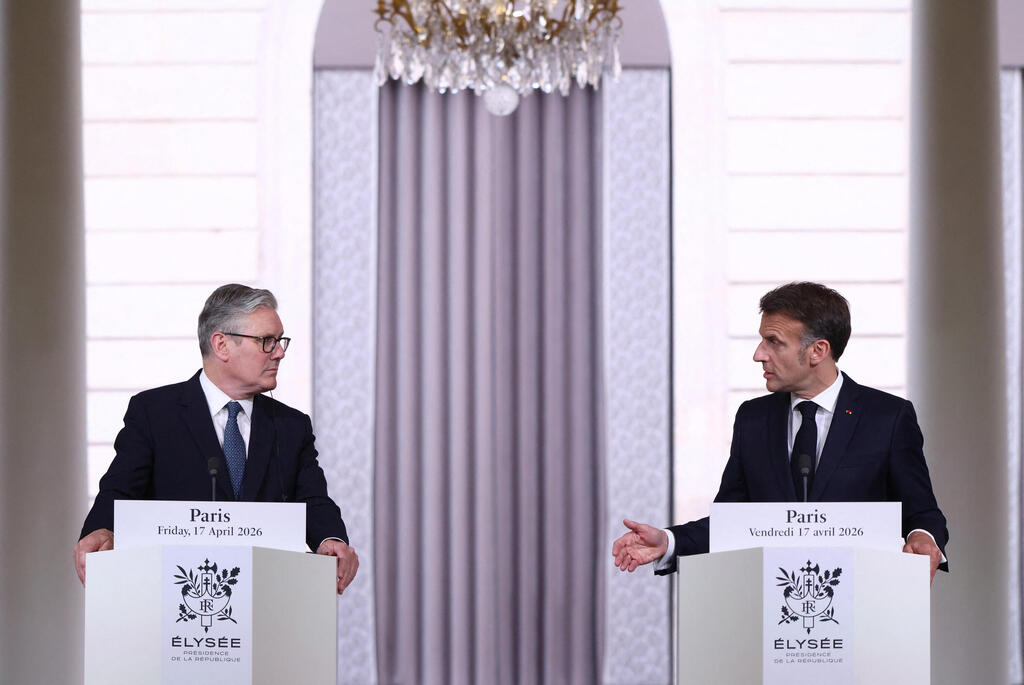
British Prime Minister Keir Starmer and French President Emmanuel Macron
(Photo: Tom Nicholson/Pool via REUTERS)
The Journal reported that dozens of leaders convened Friday to discuss the reopening of the Strait of Hormuz in a meeting led by Britain and France. In the middle of the session, Trump announced on his Truth Social account what he described as a breakthrough under which the strait would reopen. Leaders remained on the video call, reportedly confused but cautiously optimistic.
After the meeting, French President Emmanuel Macron said encouraging developments should be viewed with caution. British Prime Minister Keir Starmer said any such developments must be accompanied by a permanent and workable proposal. Ghalibaf, for his part, warned that Hormuz would not remain open if the U.S. blockade continued.
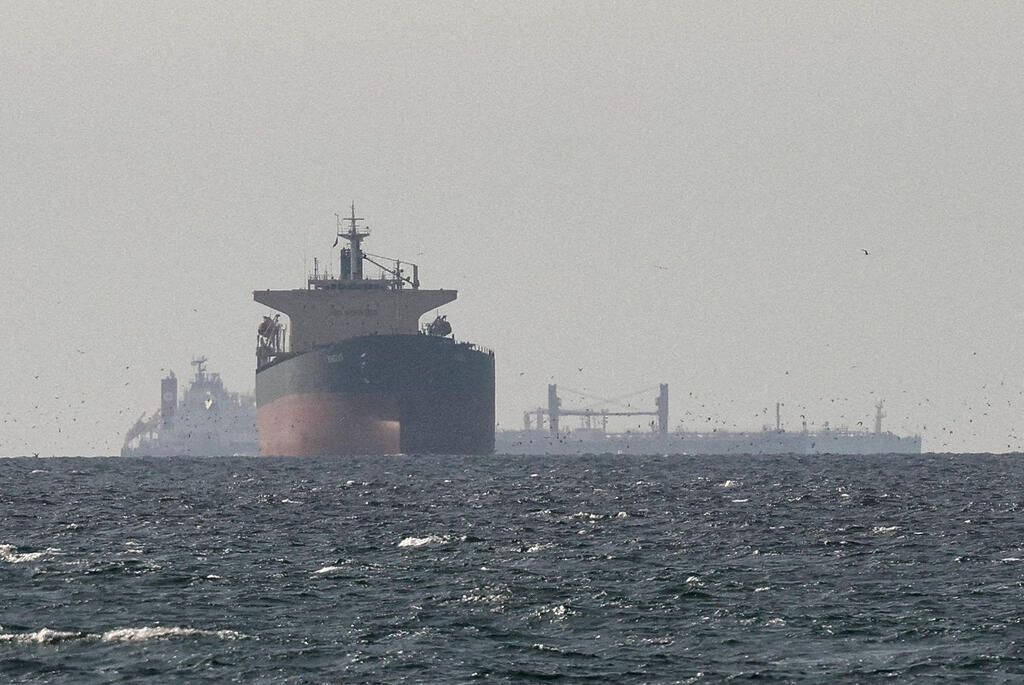
By Saturday morning, shipping tracking sites showed the first significant tanker traffic moving out of the Persian Gulf through the Strait of Hormuz. According to Sky News, at least six tankers passed through the strait during the day. Tehran said Friday that the waterway would remain fully open during the days of the ceasefire in Lebanon as it continued talks with Washington over a final agreement.
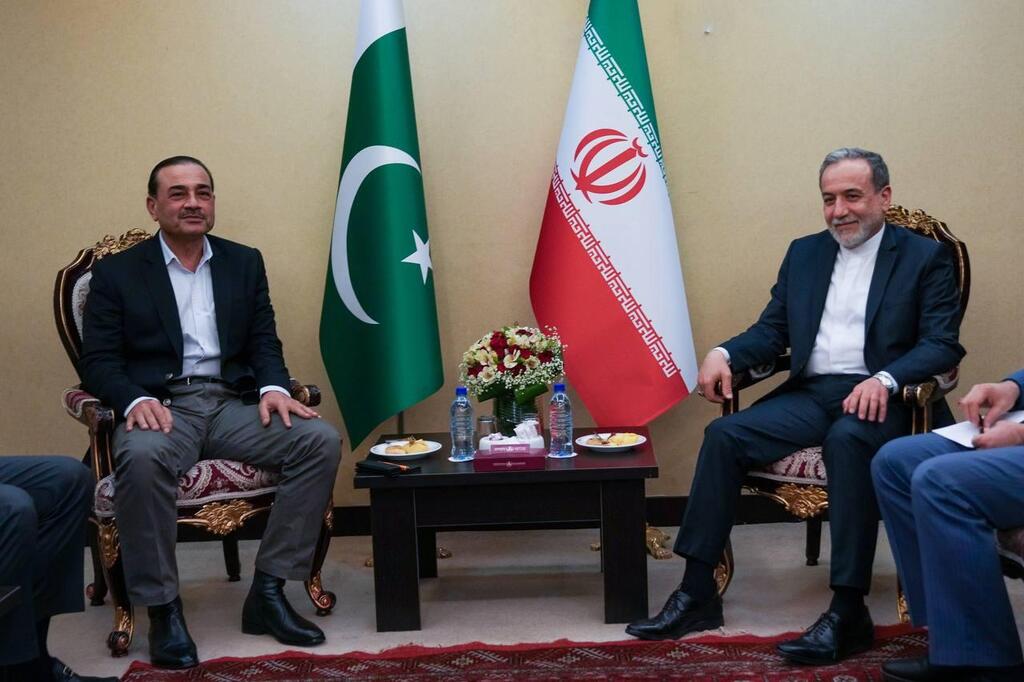
Pakistan army chief Asim Munir and Iranian Foreign Minister Abbas Araghchi
Iranian and American sources said another round of talks could take place Monday in Pakistan.
Pakistan army chief Asim Munir left Iran on Saturday after a three-day visit during which he discussed efforts with senior Iranian officials to secure a permanent agreement that would prevent the war from resuming. Pakistan’s military said Munir met Iranian leaders and conveyed Pakistan’s commitment to a negotiated solution and to promoting peace and stability.
During the visit, Munir met Iranian President Masoud Pezeshkian, Foreign Minister Abbas Araghchi and Parliament Speaker Ghalibaf.