

French President Emmanuel Macron called Saturday for direct negotiations between Israel and Lebanon aimed at reaching a ceasefire, offering to host the talks in Paris as the conflict triggered by Hezbollah attacks on northern Israel continues to escalate.
In a message posted on X in both Hebrew and Arabic, Macron said he had spoken with Lebanese President Joseph Aoun, Prime Minister Nawaf Salam and Parliament Speaker Nabih Berri. According to Macron, the Lebanese government expressed readiness to engage in direct discussions with Israel.
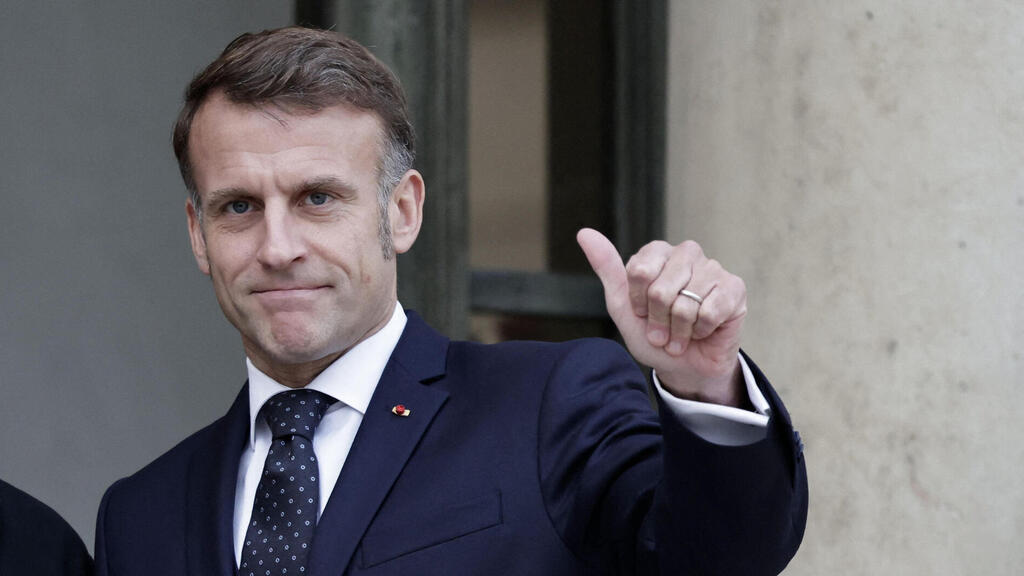
“I call on Israel to seize this opportunity, begin discussions and bring about a ceasefire,” Macron wrote.
He added that France is ready to facilitate the talks and host them in Paris.
Macron also called on Hezbollah to stop what he described as a dangerous escalation that has pushed Lebanon deeper into war.
“Hezbollah must immediately halt the dangerous escalation it is leading,” Macron wrote. “Every possible step must be taken to prevent Lebanon from descending into chaos.”
At the same time, Macron urged Israel to avoid a large-scale offensive and reduce its strikes, while diplomatic efforts attempt to contain the conflict.
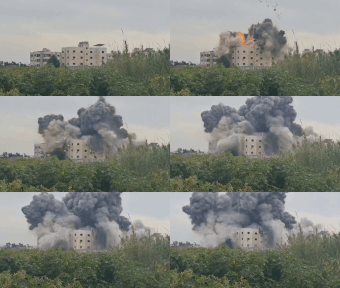
Strikes in Lebanon
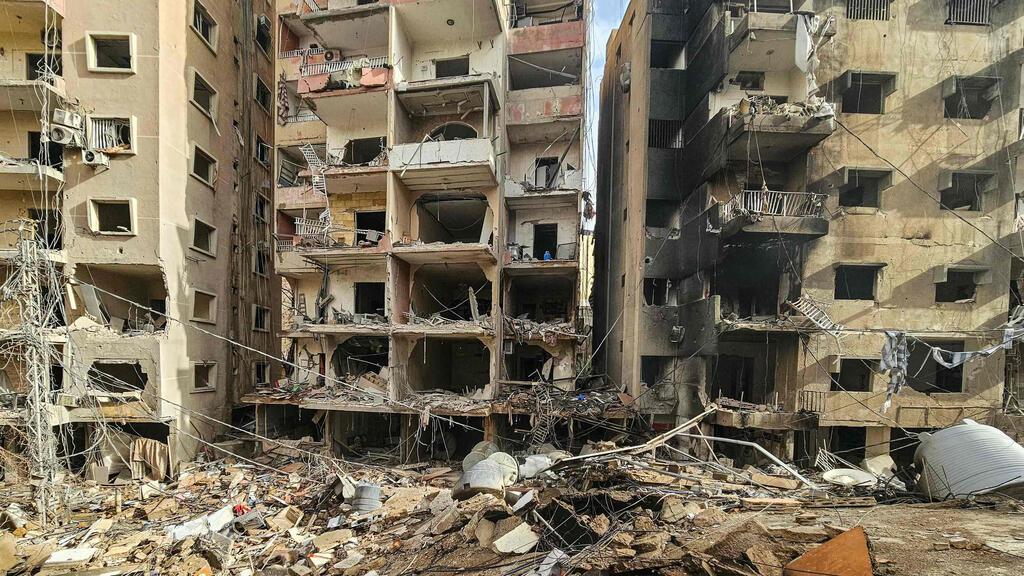
Beirut's Dahieh
(Photo: AFP)
France has long maintained close ties with Lebanon and has been attempting to position itself as a key diplomatic actor in efforts to stabilize the region.
War sparked by Hezbollah attacks
The current escalation began after Hezbollah launched attacks on Israeli communities in the north following the assassination of Iran’s supreme leader, Ali Khamenei.
The Iran-backed group fired rockets toward northern Israel, prompting Israeli airstrikes targeting Hezbollah infrastructure and command sites across Lebanon.
Israel has also issued evacuation warnings in several areas linked to Hezbollah activity, including neighborhoods in Beirut’s southern suburbs, known as Dahieh, which serve as a major stronghold for the organization.
Israeli officials say the strikes are aimed at degrading Hezbollah’s military capabilities and preventing further attacks on Israeli civilians.
Growing frustration inside Lebanon
The war has also intensified internal tensions inside Lebanon.
According to reports from the Associated Press, many Lebanese citizens had hoped Hezbollah would avoid opening a new front with Israel during the broader regional war involving Iran.
Instead, the group’s decision to launch attacks has drawn Lebanon deeper into the conflict, fueling criticism among segments of the population already exhausted by years of economic collapse and political instability.
Some Lebanese residents say the country is once again paying the price for Hezbollah’s confrontation with Israel.
Evacuations and displacement
The fighting has triggered large-scale displacement across Lebanon.
More than 800,000 people have fled their homes since the war began, according to figures cited by aid organizations.
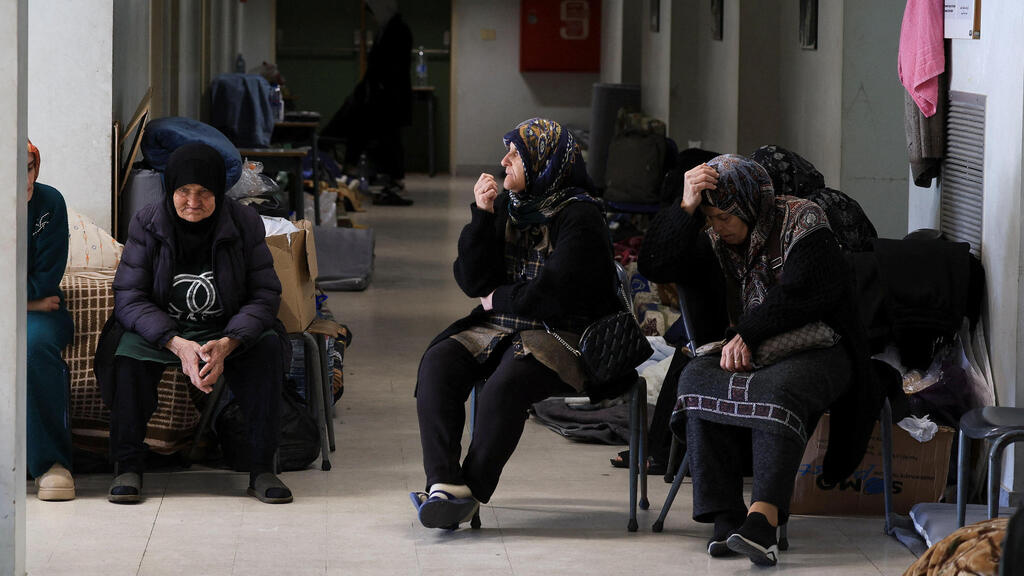
Fighting has triggered large-scale displacement across Lebanon
(Photo: Mohamed Azakir/ Reuters)
Many families have sought shelter in schools, temporary shelters and improvised camps as Israeli strikes target Hezbollah infrastructure across the country.
Aid organizations warn that Lebanon’s fragile humanitarian system, already strained by years of financial crisis, is struggling to keep up with the growing number of displaced residents.
“The needs are growing much faster than our ability to respond,” said Matthew Luciano, head of the International Organization for Migration’s mission in Lebanon.
Uncertain diplomatic path
Despite Macron’s call for negotiations, there is currently little indication that the fighting will end soon.
Israel has continued its military operations against Hezbollah targets while preparing for the possibility of further escalation along the northern border.
Lebanese officials, meanwhile, face mounting pressure from both international actors and their own public to prevent the conflict from expanding further.
France hopes direct talks between Israel and Lebanon could help contain the crisis.
For now, however, the conflict triggered by Hezbollah’s attacks on northern Israel continues to reshape the regional battlefield.