

Iran’s president said Saturday that a U.S. demand for unconditional surrender is “a dream that they should take to their grave.”
President Masoud Pezeshkian made the remark in a prerecorded address broadcast on state television.
Gallery
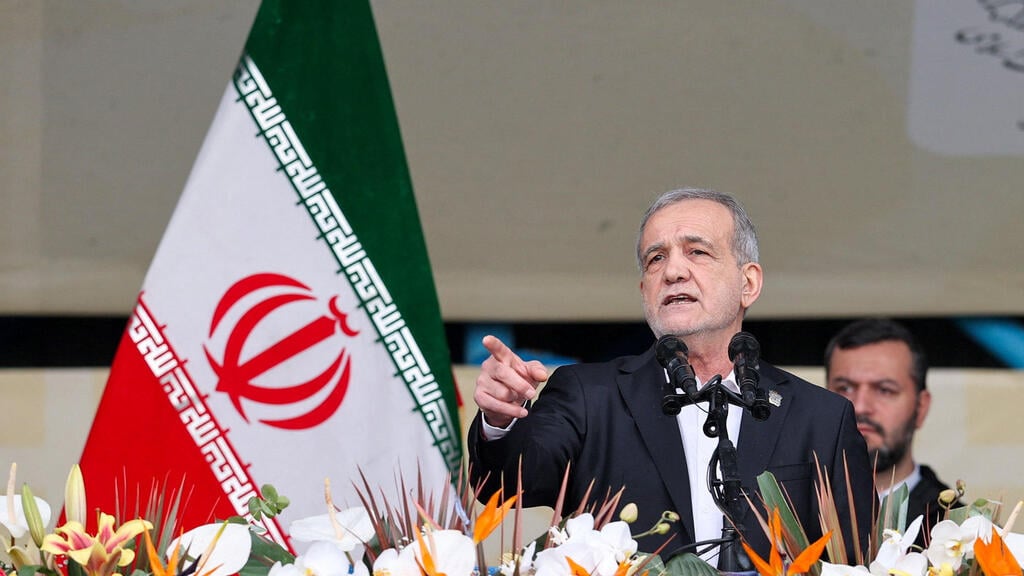
Iran’s president Masoud Pezeshkia
(Photo: Majid Asgaripour/WANA (West Asia News Agency) via Reuters)
He also apologized for Iran’s attacks on neighboring countries, saying Tehran would halt them and suggesting they resulted from miscommunication within the ranks.
The comments came as intense Iranian fire targeted Gulf Arab states early Saturday while Israel and the United States continued airstrikes on the Islamic Republic. Repeated attacks were reported Saturday morning in Bahrain, Saudi Arabia and the United Arab Emirates.
There was no clear end in sight to the fighting. The administration of U.S. President Donald Trump approved a new $151 million arms sale to Israel after Trump said he would not negotiate with Iran without its “unconditional surrender.” U.S. officials also warned that a new bombing campaign could soon begin, which they said would be the most intense yet in the weeklong conflict.
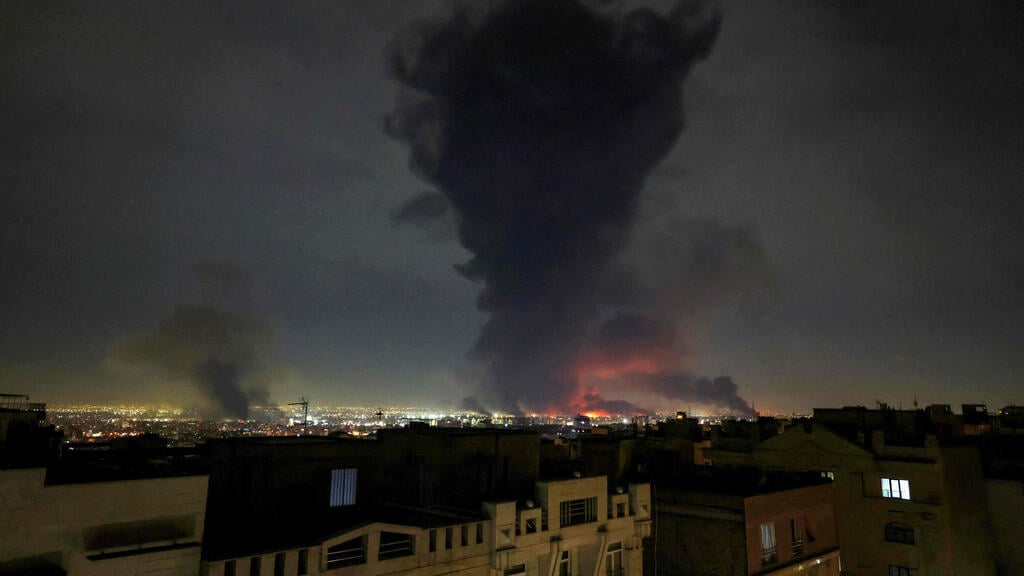
Strikes at Mehrabad Airport in Tehran
(Photo: Atta Kenare/ AFP)
Iran’s ambassador to the United Nations said the country would “take all necessary measures” to defend itself.
Associated Press video showed explosions flashing and smoke rising over western Tehran as Israel said it had launched a broad wave of strikes. Early Saturday, loud booms were also heard in Jerusalem, while incoming missiles from Iran sent people across Israel rushing to bomb shelters.
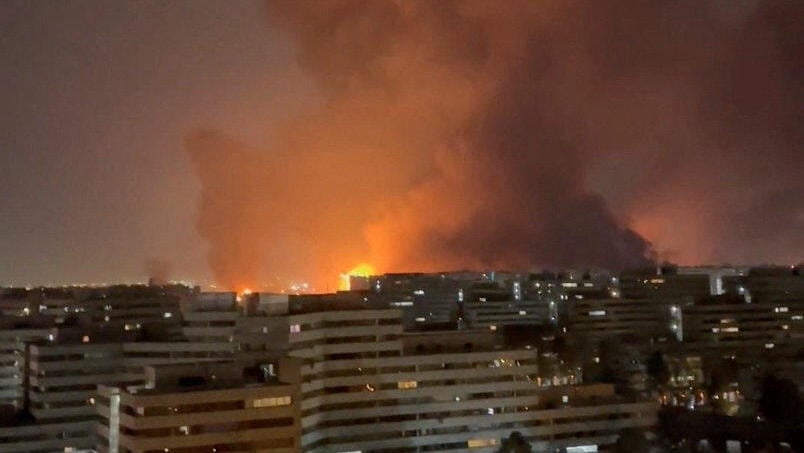
(Photo: Social Media/ Reuters)
Israel’s emergency services reported no immediate casualties.
In a sign of the widening scope of the conflict, sirens sounded early Saturday in Bahrain as Iranian attacks targeted the island kingdom. Saudi Arabia said it destroyed drones headed toward its Shaybah oil field and intercepted a ballistic missile launched toward Prince Sultan Air Base, which hosts U.S. forces.
The United States and Israel have carried out waves of strikes on Iran, targeting its military capabilities, leadership and nuclear program. The stated goals and timeline of the war have shifted repeatedly, with the U.S. at times suggesting it aims to topple Iran’s government or promote new leadership from within.
Qatar’s energy minister, Saad al-Kaabi, warned in an interview with the Financial Times that the war could “bring down the economies of the world,” predicting that a shutdown of Gulf energy exports could push oil prices to $150 a barrel.
Benchmark U.S. crude rose above $90 a barrel on Friday for the first time in more than two years.
Russia is providing information to Iran, officials say
Russia has provided Iran with information that could help Tehran target American warships, aircraft and other assets in the region, according to two officials familiar with U.S. intelligence.
The officials, who spoke on condition of anonymity because they were not authorized to discuss the matter publicly, said the intelligence does not indicate that Moscow is directing Iran on how to use the information.
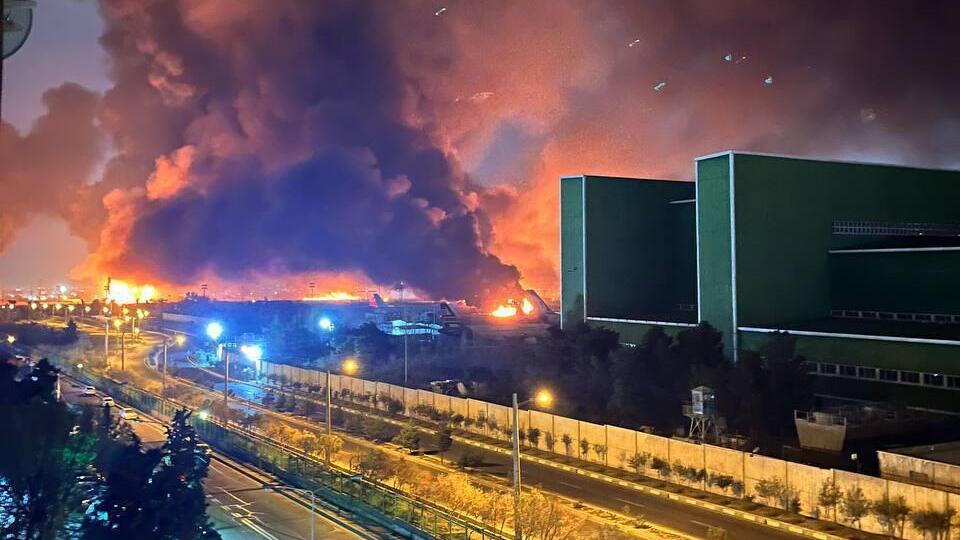
Tehran
Still, it marks the first indication that Russia may be seeking to become involved in the conflict.
Trump: U.S. will help rebuild Iran after “acceptable” leadership emerges
In a social media post Friday, Trump wrote that there would be no deal with Iran except “UNCONDITIONAL SURRENDER!”
After a surrender, and the selection of “GREAT & ACCEPTABLE Leader(s),” Trump wrote that the United States and its allies would help rebuild Iran and make it “economically bigger, better, and stronger than ever before.”
U.S. official warns “biggest bombing” still to come
U.S. Treasury Secretary Scott Bessent said in a television interview Friday that the “biggest bombing campaign” of the war may still be ahead.
Israel has said it has heavily bombed an extensive underground bunker that Iranian leaders had planned to use during the conflict.
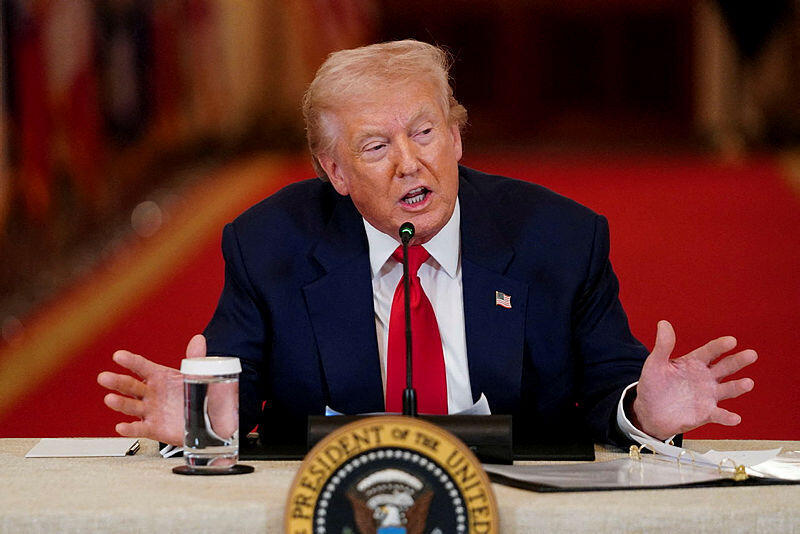
US President Donald Trump
(Photo: Nathan Howard, Reuters)
New information also emerged suggesting that a deadly February 28 explosion at a school in the Iranian city of Minab, about 1,100 kilometers southeast of Tehran, may have been caused by U.S. airstrikes. The information includes satellite images, expert analysis, a U.S. official’s account and public material released by U.S. and Israeli military forces.
Iranian state media said more than 165 people were killed in the blast, most of them children.
Iran has blamed both Israel and the United States for the explosion. Neither country has accepted responsibility, though U.S. Defense Secretary Pete Hegseth said the United States is investigating.
Fighting reported with Israeli troops in eastern Lebanon
The Iranian-backed terrorist group Hezbollah said its operatives clashed with an Israeli force that landed late Friday in the mountains of eastern Lebanon. Lebanon’s Health Ministry said at least three people were killed.
Israel did not acknowledge the fighting, and its military did not immediately respond to requests for comment.
Israel has carried out waves of airstrikes on the southern suburbs of Beirut, where Hezbollah has a strong presence but where hundreds of thousands of civilians also live.
Lebanon’s Health Ministry said at least 217 people have been killed in Israeli strikes since Monday and 798 wounded.
Roads in the Lebanese capital were packed with traffic as residents tried to evacuate while smoke rose over the city’s southern districts. Two hospitals evacuated patients and staff.
“What can we do? We prayed here under the tree. During the night we slept in the car because there is no place to stay,” said Jihan Shehadeh, one of the tens of thousands of displaced residents.