

Reuters reported Friday that sources in Lebanon and elsewhere say Israel has effectively rejected a historic proposal from the government in Beirut to open direct negotiations between the two countries. Lebanese officials had not ruled out the possibility that such talks could eventually lead to normalization of relations.
According to the sources, U.S. officials — frustrated that the Lebanese government failed to meet its commitment to disarm Hezbollah, the Iranian-backed Shiite militia and political movement — also did not adopt the proposal. Instead, they conveyed the message that Lebanon’s window of opportunity closed at the end of 2025, the year Beirut had pledged to complete the group’s disarmament, or at least make substantial progress toward it.
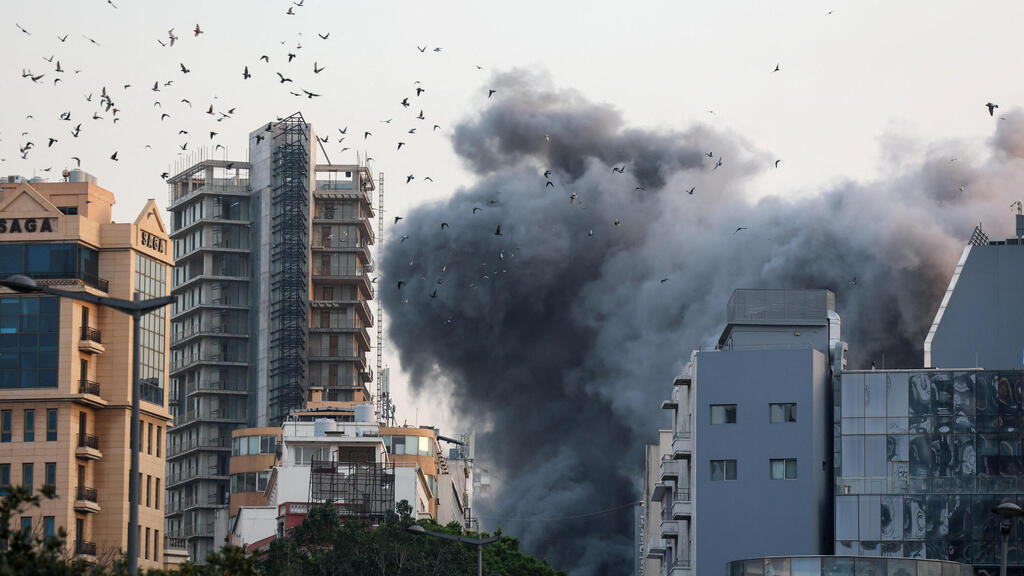
Smoke rises after an Israeli strike in Beirut
(Photo: REUTERS/Claudia Greco)
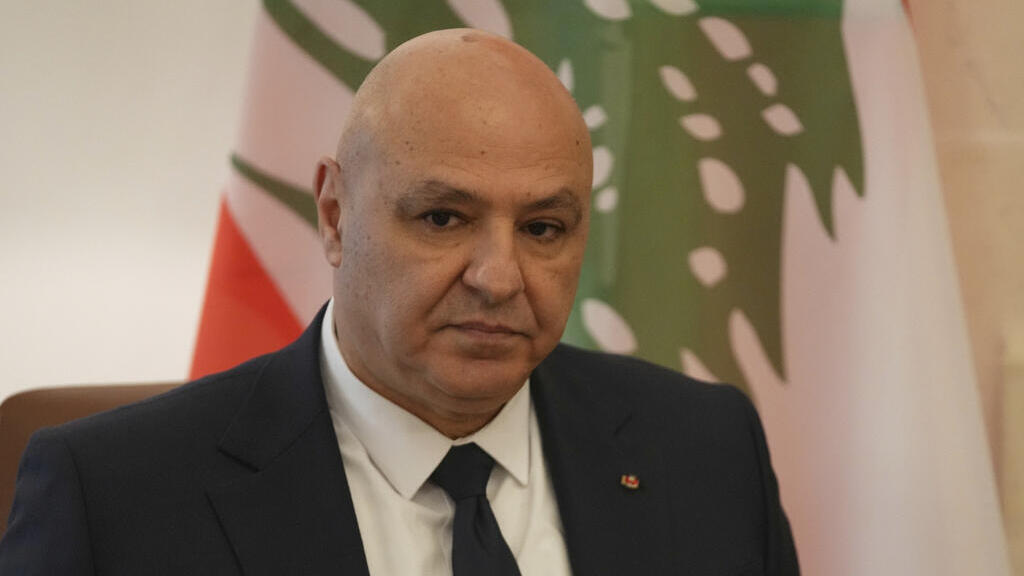
Lebanon’s proposal was first reported this week, when sources familiar with the position of Lebanese President Joseph Aoun said he had expressed a desire to open direct negotiations with Israel in order to end the war between it and Hezbollah. He had also begun assembling a delegation for such talks.
Those sources said that in private meetings Aoun even indicated he was prepared to go further and pursue normalization with Israel — meaning the establishment of formal relations. Until recently, such a statement by a Lebanese president would have been considered unthinkable, reflecting the growing internal opposition within Lebanon to Hezbollah.
However, Aoun’s office said Friday that during his meeting with U.N. Secretary-General Antonio Guterres he informed him that Israel had not provided any response to the proposal.
Sources who spoke with Reuters added that Aoun’s initiative received little interest from Israeli and American officials. Lebanon’s inability over the past year to restrain Hezbollah — or prevent the group from resuming attacks on Israel on March 2 — has left the government in Beirut widely viewed as lacking credibility and with little tangible to offer at the negotiating table.
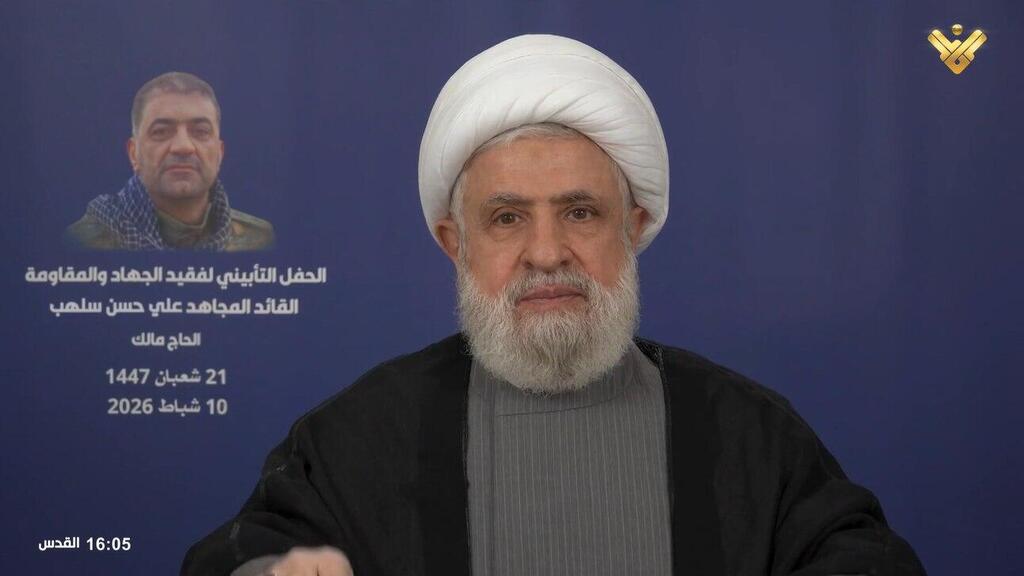
Hezbollah Secretary-General Naim Qassem
A Lebanese official also told Reuters that when Lebanon approached the United States this week to propose negotiations with Israel, Washington rejected the approach.
“The Americans said that 2025 was our window of opportunity to confront Hezbollah and we didn’t do it, so there’s nothing they can do,” the official said.
Three sources familiar with U.S. decision-making on Middle East policy told Reuters that Washington currently lacks sufficient resources to deal with the Lebanese issue because of its war with Iran and is leaving Israel to handle Lebanon as it sees fit.
Since Hezbollah launched its current round of attacks on Israel earlier this month, senior Lebanese officials have voiced anger at the group’s actions. In an unprecedented step, the Lebanese government announced it would ban all military activity by Hezbollah and arrest and deport members of Iran’s Islamic Revolutionary Guard Corps.
Lebanese security forces also reported the arrest of about 50 people on suspicion of illegal weapons possession in southern Lebanon and near Beirut, believed to be Hezbollah members. Some, however, were quickly released after paying small fines. Beyond that, there has been little indication that the Lebanese state is willing to use force to compel the group to halt its actions.
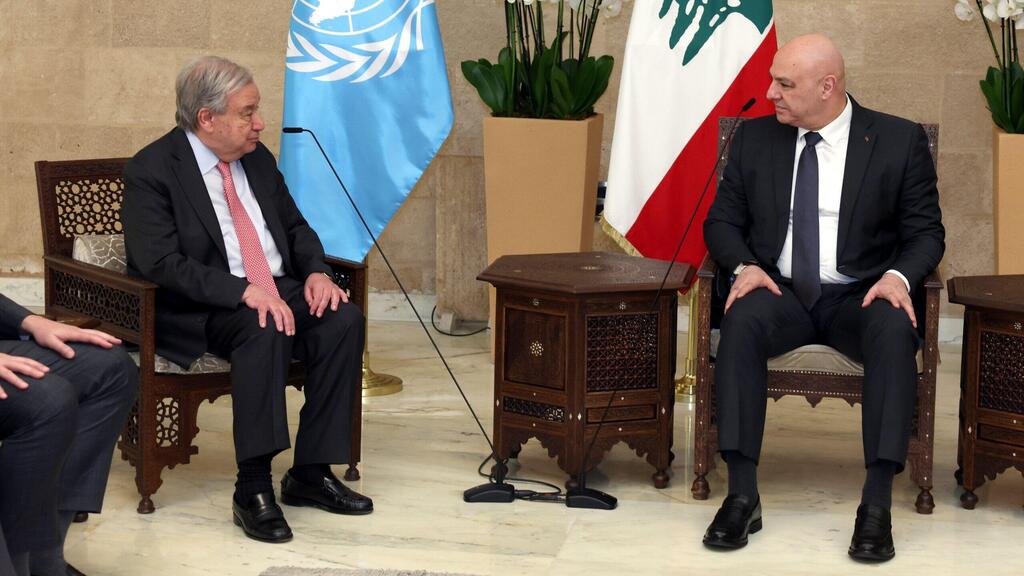
Lebanese President Joseph Aoun with U.N. Secretary-General Antonio Guterres
In another largely declarative step, the Lebanese government said Friday that the Foreign Ministry, acting on the instructions of Prime Minister Nawaf Salam, summoned a representative from Iran’s embassy in Beirut. The move followed a statement by the Islamic Revolutionary Guard Corps the previous day announcing a joint rocket-fire operation with Hezbollah against Israel.
According to the Lebanese Foreign Ministry, the Iranian representative was reprimanded over the statement and questioned about Tehran’s disregard for recent Lebanese decisions banning Revolutionary Guard activity inside the country.