

Two days after U.S. President Donald Trump's surprise announcement that American military aid to Israel would end by the close of the year, officials in Jerusalem are still struggling to understand what his remarks mean, and whether he was serious or simply making a statement aimed at winning votes and helping Republican candidates in the midterm elections.
There is considerable confusion and embarrassment on the Israeli side. Israeli officials say they still have no details about what was actually agreed. "The system is also trying to figure it out, and I don't think the Americans have answers at this stage either, given everything going on over there," said an Israeli source familiar with the matter. "I assume we'll raise the issue with them once the initial shock over the election results has passed."
Gallery
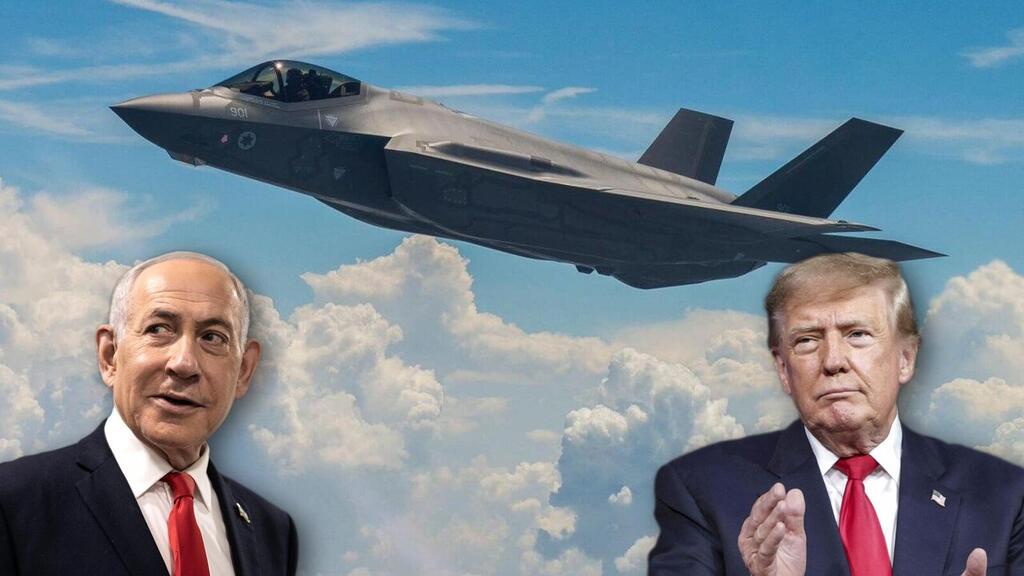
Donald Trump and Benjamin Netanyahu
(Photos: Lockheed Martin; Jewel Samad/Pool Photo via AP; Alex Wong/Getty Images North America/AFP)
The confusion stems from indications that Trump and Prime Minister Benjamin Netanyahu reached discreet understandings behind the scenes about ending or reducing U.S. military assistance to Israel. However, the details, particularly the timetable, have yet to emerge.
Israel and the United States have an existing memorandum of understanding (MOU), negotiated under the Obama administration, that remains in effect through 2028. Under the agreement, Israel receives $3.8 billion annually over 10 years. Two years remain, 2027 and 2028, representing another $7.6 billion in assistance. That is a substantial amount of money by any measure.
According to Trump's statement, the aid will end this year. On the face of it, that sounds almost absurd. What country would willingly give up such assistance? Israeli officials familiar with the issue are convinced Trump did not actually mean that aid would stop by the end of this year, but was referring instead to the new agreement that would replace the existing MOU. However, past experience suggests Trump does not make such statements without reason, and there may be an element of truth behind his remarks.
Based on Netanyahu's statements before the elections, Israel wants to reach a new agreement before the new Congress convenes and is sworn in on January 3, 2027, meaning within the next two months. Netanyahu has spoken of a new arrangement under which Israel would gradually relinquish U.S. military aid until it reaches zero over a 10-year period.
The prime minister acknowledged that, under the current circumstances, Israel must get used to the possibility that Congress will no longer approve such assistance. More broadly, Israeli negotiators have discussed replacing the existing aid arrangement with a military research and development cooperation agreement, under which each country would contribute funding toward the development of weapons and military technologies that would benefit both sides. In other words, the United States would have a direct interest in providing funding because it would also benefit from the jointly developed weapons systems.
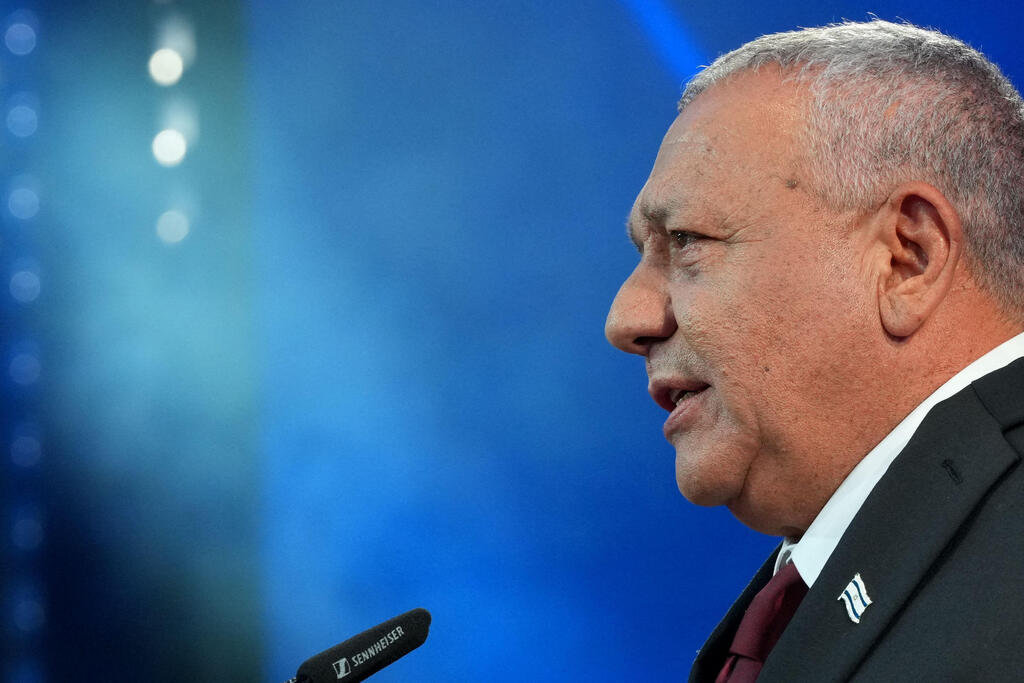
Gadi Eisenkot
(Photo: MAYA LEVIN / AFP)
But even if the existing agreement remains unchanged, there are concerns that the incoming Congress could refuse to approve continued assistance during its final two years or create obstacles to approving funding packages. This is where another important variable comes into play: who will lead Israel's next government. If Gadi Eisenkot becomes prime minister, it is far from certain that Democrats would block the aid. They would likely want to make a fresh start with Israel, while a new government in Jerusalem would also have an interest in repairing relations with Washington. Eisenkot might also refuse to give up the assistance during the two remaining years of the agreement.
Israeli officials believe the United States will not rush to halt military assistance, partly because the American economy benefits from it. According to assessments conducted in Israel, ending the aid would affect no fewer than 1 million American households whose livelihoods depend on the production of weapons and ammunition purchased by Israel.
Since Israel's parliamentary elections, Netanyahu has remained silent and has not addressed the military aid issue at all. His aides have also refrained from briefing reporters. The question is whether they are staying silent because they do not know the details or because they know more than they are willing to disclose. Either way, far more remains unknown than known.
Another point worth noting in the wake of the U.S. midterm results is that while candidates critical of Israel have been elected, including Muslim senator-elect Abdul El-Sayed, the broader assessment is that Democrats have strengthened their moderate wing while weakening the party's more radical elements. If a different government takes office in Israel and changes its policies, it could actually find greater cooperation among Democrats. They regard themselves as pro-Israel, but not pro-Netanyahu. El-Sayed, meanwhile, was asked Thursday about Trump's announcement that military aid to Israel would end. "I agree with him on that," he replied. "I'd love to work with him on doing that."
A senior Israeli official, asked about the future of U.S. military aid, offered a blunt assessment: "Nobody knows anything, except that Bibi promised him he would give it up without making a fuss."