

Israel will hold government and cabinet meetings at a secret location on Sunday, following Thursday’s Israeli airstrike in Sanaa that killed senior Houthi leaders, including Houthi Prime Minister Ahmed Ghaleb al-Rahwi.
Finance Minister Bezalel Smotrich also announced on Sunday he will boycott the cabinet session, citing a dispute with Prime Minister Benjamin Netanyahu over broad budget cuts aimed at funding security for educational institutions—moves Smotrich opposes.
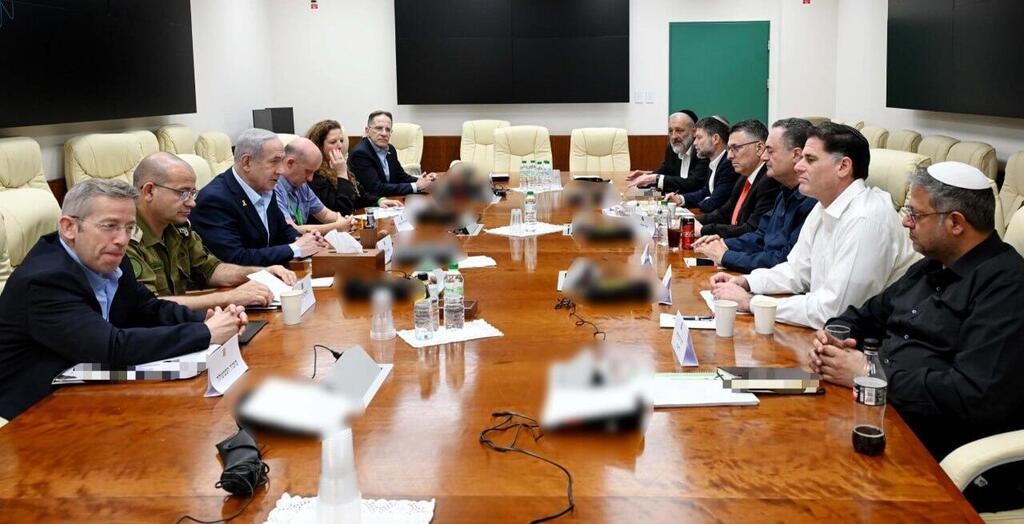
(Photo: Avi Ohayon/ GPO)
The strike, described by the IDF as a complex operation based on rapidly emerging intelligence, targeted the Houthi leadership during a government meeting in Yemen. Several ministers were also killed or seriously wounded, while Houthi Chief of Staff Muhammad Abd Al-Karim al-Ghamari remains missing and is believed dead. The Israeli military said it acted on a narrow intelligence window, with long-range precision airstrikes supported by Military Intelligence.
In Yemen, the Houthi presidency mourned “a new group of martyrs, including national leaders, amid the battle with the Israeli entity,” and vowed retaliation. “The blood of the martyrs will be fuel and motivation to continue on this path,” it said, adding that government institutions would continue to operate. Overnight, the Houthis launched another ballistic missile toward Israel, which was intercepted far from Israeli territory.
The Yemeni anti-Houthi site Defense Line reported heightened security around the Haddah district, west of the presidential complex in Sanaa, where the strike occurred. The Houthis reportedly arrested citizens accused of “collaborating with the aggression.”
Israeli officials said they are preparing for possible retaliation from Yemen but currently have no specific warning of imminent attacks.