

Syria’s Atomic Energy Commission said Tuesday that a delegation from the International Atomic Energy Agency will visit the country to announce “significant progress,” effectively confirming a report that the UN nuclear watchdog is preparing to remove nuclear material from a secret site in Syria.
The announcement follows a report by Axios that the IAEA is expected to begin removing the material after the Trump administration reached understandings with Syria and Israel.
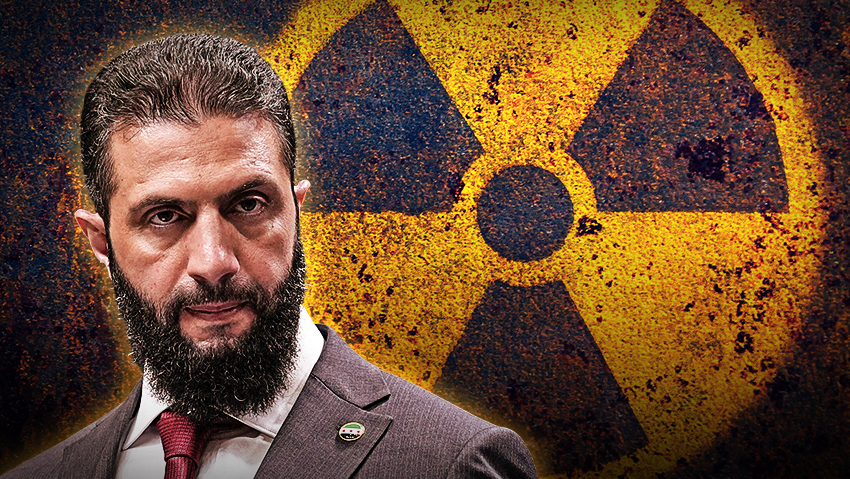
According to Israeli and U.S. officials cited in the report, Washington and the IAEA worked together to secure a diplomatic arrangement that would remove the material and avert an escalation involving Israel, Syria and potentially Turkey over the sensitive site.
Behind the scenes, the report said, months of threats and intensive diplomacy preceded the agreement reached several weeks ago. Under former Syrian President Bashar Assad, Syria maintained a covert nuclear program centered on the secret reactor at al-Kibar.
Israel destroyed the reactor in a 2007 airstrike, largely dismantling Syria’s nuclear program. Several research, development and storage facilities, however, remained intact, though most were believed to have seen little significant activity.
After Assad’s regime fell, the IAEA reached an agreement with Syria’s new authorities allowing inspectors to visit the al-Kibar site and several other locations associated with Syria’s former nuclear activities.
One facility that Israel has closely monitored over the past two years is known as “Site 99.” Two Israeli officials cited by Axios said the Assad regime had stored nuclear material there that was connected to the al-Kibar reactor project. A U.S. official said the material included yellowcake, a uranium concentrate that can later be processed and enriched as part of the nuclear fuel cycle.
The official said Site 99 also contained additional remnants and debris from the destroyed al-Kibar facility.
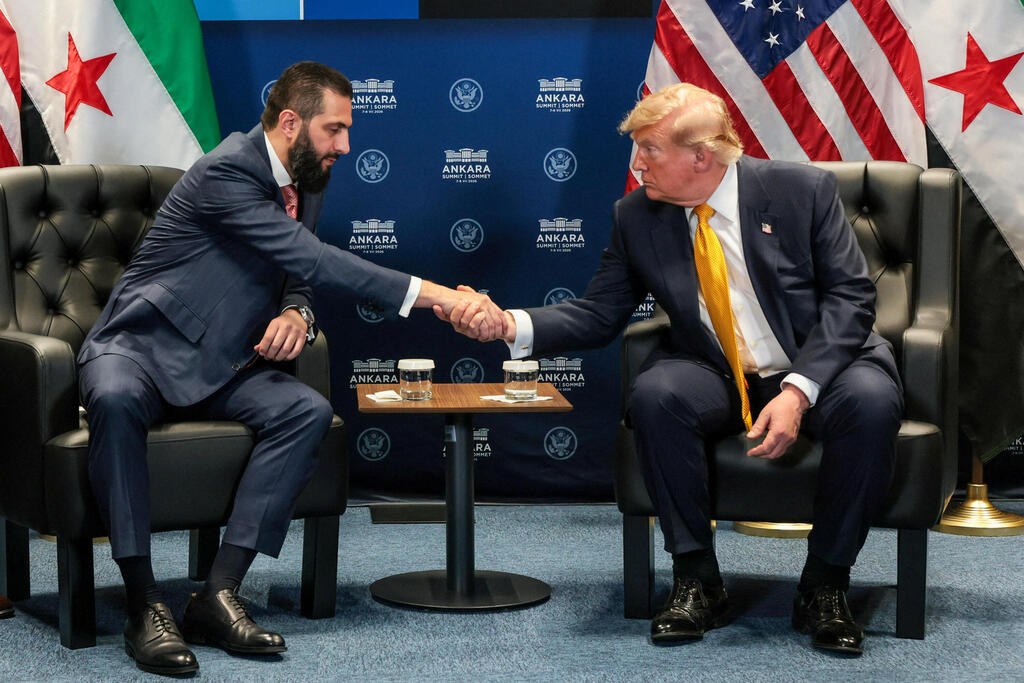
Trump and al-Sharaa at the NATO summit
(Photo: REUTERS/Jonathan Ernst )
Although the material at the site could not itself be used to produce a nuclear weapon, officials said it could potentially be used in a “dirty bomb,” a conventional explosive designed to disperse radioactive material and contaminate an area rather than create a nuclear explosion.
Israeli officials said the IDF bombed the entrances to Site 99 shortly after Assad’s fall in an effort to prevent anyone from gaining access. A U.S. official said Israel and the United States had spent more than a year discussing the best way to deal with Site 99. White House National Security Council officials and their Israeli counterparts worked closely on the issue.
According to an Israeli official, Jerusalem made clear to the Trump administration that it would not accept the nuclear material remaining at the site. Israeli officials said Israel also threatened to strike the site again if the material was not removed or if there were signs that Syrian authorities were trying to access it.
A U.S. official, however, stressed that despite Israeli concerns, “they were never on the verge of bombing the site.” Washington and Jerusalem ultimately agreed, according to a U.S. official cited by Axios, that the best solution was to secure Syrian consent for the removal of the material. When the Trump administration raised the issue with officials in Damascus, the Syrians said they had not known nuclear material was stored there.
‘A good partner’
“Very few people in the U.S., Israel and Syria were aware of it,” the U.S. official said, adding that Washington had developed a productive working relationship with Damascus. “When we work with the Syrians on things, they are good partners,” the official said.
Several weeks ago, however, Israeli officials monitoring the site detected movement in the area that raised suspicions that Syrian authorities might be backing away from the understandings and attempting to reach the material.
According to the report, Israeli officials also feared Turkey might be helping Syria gain access to it. “The Israelis are always checking different possibilities to make sure everything looks right, and it’s good that they do,” a U.S. official said.
The Trump administration urged Israel not to act and brought the IAEA directly into the process. The result was an agreement signed around three weeks ago between the IAEA and Syria to remove the material from Site 99.
U.S. officials said work at the site is still underway and the material has not yet been removed. “But we think everyone is happy with the outcome,” one official said, expressing hope that the removal process could begin soon and be completed before the end of the year.