

Bloomberg News reported Monday evening that Qatar and the United Arab Emirates, two Gulf states that have come under missile and drone fire in recent days as part of Iran’s retaliatory attacks, are working “rapidly” to improve their air defense capabilities and have asked their allies for assistance.
People familiar with the matter told Bloomberg that the United Arab Emirates sought help from its allies in defending against medium-range threats, while Qatar requested assistance in intercepting drone attacks, which the sources said Doha now views as a greater threat than Iranian missiles. Bloomberg also reported that, according to an internal assessment obtained by the news agency, Qatar’s stockpile of Patriot interceptors could be depleted within four days at the current rate of use.
Gallery
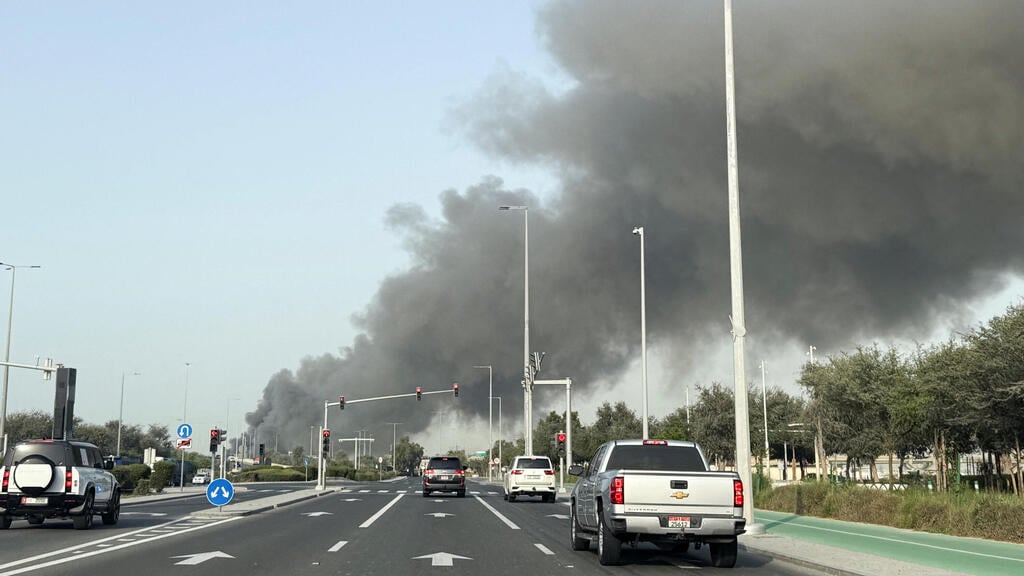
Smoke rises from the site of an Iranian strike on Abu Dhabi
(Photo: Abdelhadi Ramahi/Reuters)
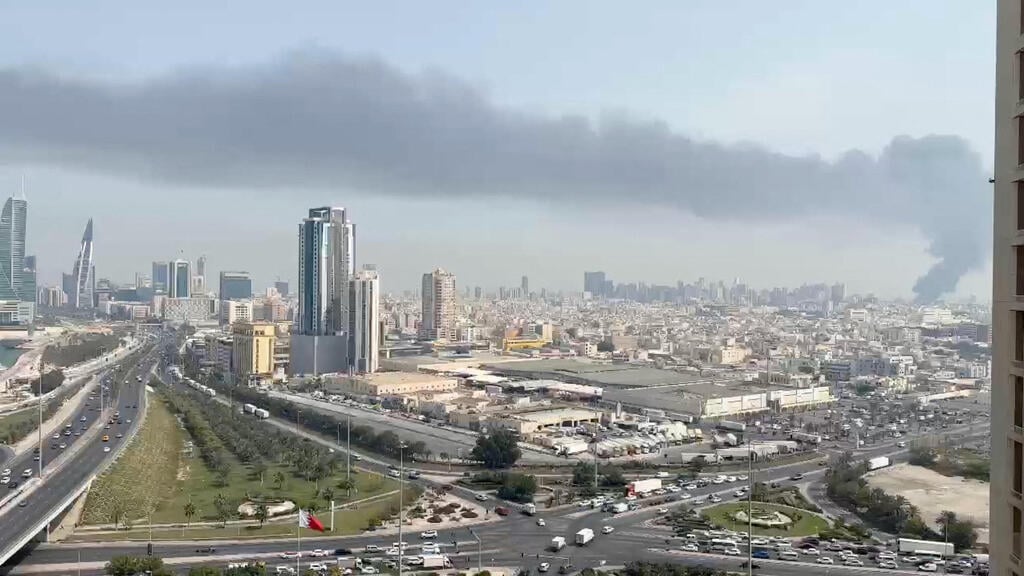
Smoke over Bahrain’s skies following Iranian fire over the weekend
(Photo: Video obtained by Reuters/via REUTERS)
Amid those concerns, Qatar and the United Arab Emirates are seeking to persuade President Donald Trump, with the help of their “allies,” to find an “off-ramp” from the war and bring the fighting to a swift end, the report said.
Since the start of the attack on Iran on Saturday, Iran’s Islamic Revolutionary Guard Corps has launched missiles and drones at a number of Gulf Arab states: the United Arab Emirates, Bahrain, Qatar, Oman, Kuwait and Saudi Arabia. Tehran says it is acting because those countries are allowing U.S. forces operating from their territory to carry out attacks against it. Iranian Foreign Minister Abbas Araghchi said Sunday that he had spoken by phone with the foreign ministers of several of those countries, “explained” that Iran had no choice and told them to direct their complaints to the United States and Israel.
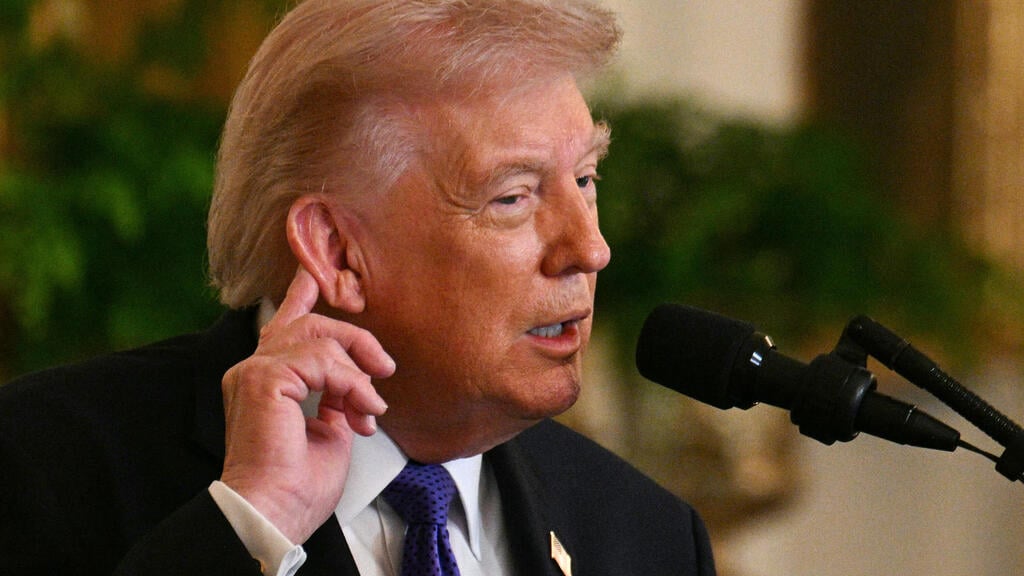
US president Donald Trump
(Photo: Jim WATSON / AFP)
Italian Defense Minister Guido Crosetto said Monday evening that the government in Rome had received requests from several Gulf states for air defense equipment and drone interception systems. “The Gulf states are expressing great concern about the development of the crisis and have pointed to their urgent need to strengthen their defense capabilities, especially air defense and protection against drones,” Crosetto told Parliament.
He said the requests included SAMP/T systems, a French-Italian battery known as MAMBA that can track dozens of targets and intercept 10 simultaneously. It is the only European-made system capable of intercepting ballistic missiles. Italy is already supplying the systems to Ukraine to help it defend against Russia, making it difficult to provide them to Gulf states as well.
“This is a very sensitive issue, given that these capabilities are stretched to the limit and constrained by European needs and the support provided so far to Ukraine,” Crosetto said.
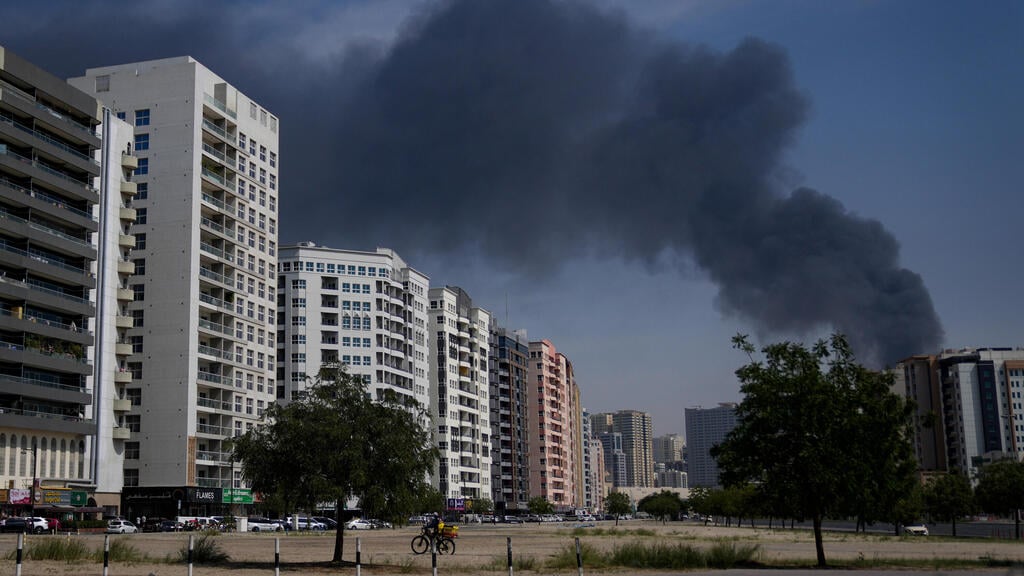
Smoke and flames in Sharjah, United Arab Emirates
(Photo: AP Photo/Altaf Qadri)
Crosetto returned Sunday from Dubai, where he had been stranded with his family following the Iranian attack. Also attending the parliamentary session was Italian Foreign Minister Antonio Tajani, who said the war in the Middle East poses a direct threat to Italy’s security.
Reports continued Monday evening of Iranian retaliatory strikes against countries in the region. The Revolutionary Guard said an oil tanker was burning in the Strait of Hormuz after being hit by two drones. Iran identified the vessel as the Athen Nova, flying the Honduran flag, and claimed it was operating “in coordination with the United States.”
The Guard’s statement did not explicitly say the tanker was struck by Iranian drones, but the incident was included in a list of actions attributed to the Revolutionary Guard and carried by Iran’s official news agency.