

Iranians were already grappling with a collapsing economy and mass killings of protesters — and then the war began. Now, after a month of U.S. and Israeli strikes, they are struggling to endure a conflict with no clear end in sight. Beyond the fear of war, many face lost income and damage to their homes.
An unprecedented internet blackout, imposed at the height of anti-government protests in January, has made it difficult for Iranians to communicate with each other and cut them off from the outside world. The trauma of war adds to the shock of January, when hundreds of thousands took part in the largest protests against the regime in decades. Security forces responded with force, opening fire on demonstrators and, according to some reports, killing tens of thousands.
(Photo: AFP)
Tens of thousands more were arrested, and detentions are ongoing. The Basij, a volunteer militia of the Revolutionary Guard, has intensified patrols in the streets despite being targeted in airstrikes.
Despite hopes in Washington and Jerusalem, regime opponents have not taken to the streets. Instead, pro-government rallies — organized by the authorities — have been held. The Guardian reported that since the war began, the regime has staged more than 850 such demonstrations while continuing to arrest opponents, with more than 1,400 detained. Experts told the newspaper that the high number of rallies and arrests underscores the regime’s resilience, even after a month of war.
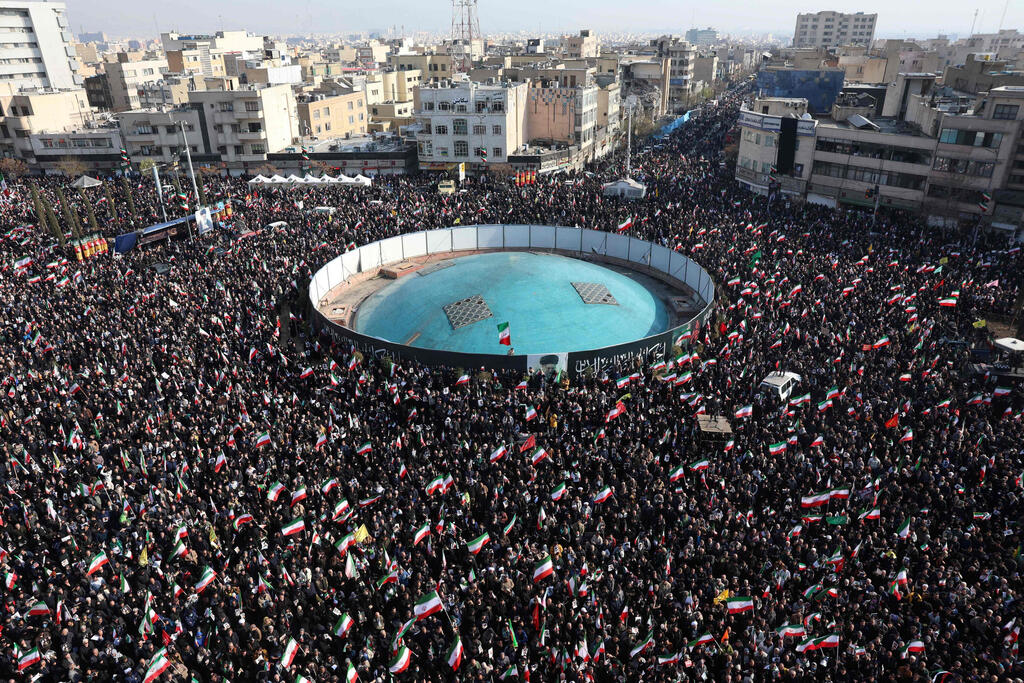
Tehran: rally in support of new Supreme Leader Mojtaba Khamenei
(Photo: AFP)
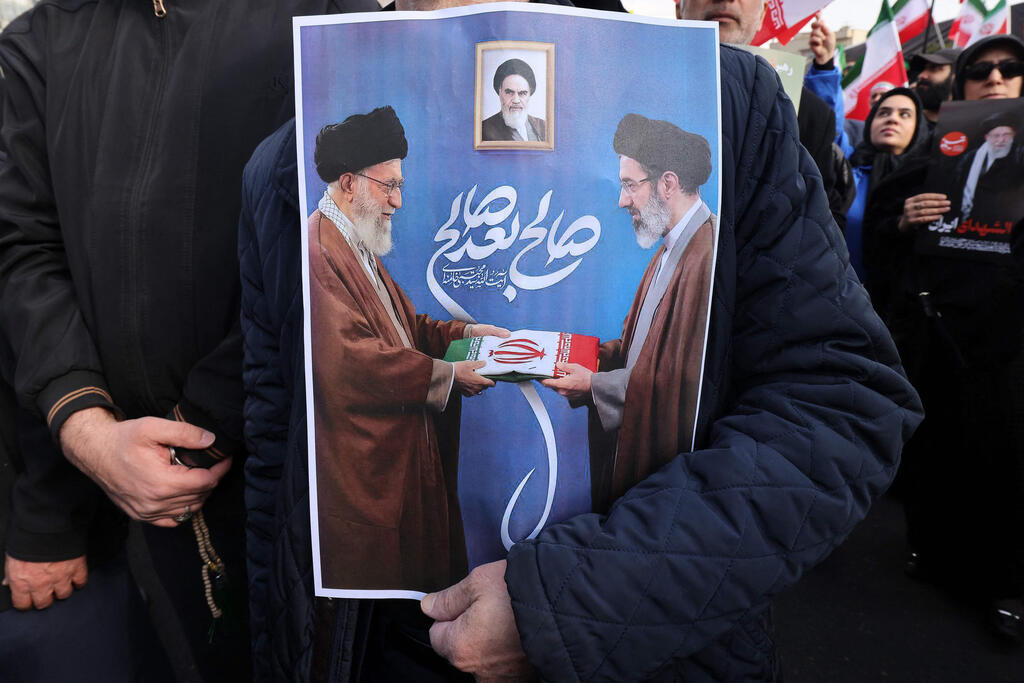
(Photo: ATTA KENARE / AFP)
Many Iranians are now questioning where the conflict will lead — to the destruction of their country, a chaotic fall of the clerical regime, or its survival in a more extreme form. “I think we’ve experienced every possible bad thing,” said a 26-year-old designer from Tehran. “From the terrible atmosphere in January, the killings and arrests, to the war.”
The designer, who spoke to The Associated Press, runs a leather goods business with a partner. It is on the verge of collapse. “When the economy deteriorates, nonessential goods are the first to go,” she said. Most of their sales were online, and the internet shutdown has reduced already weak revenue to zero.
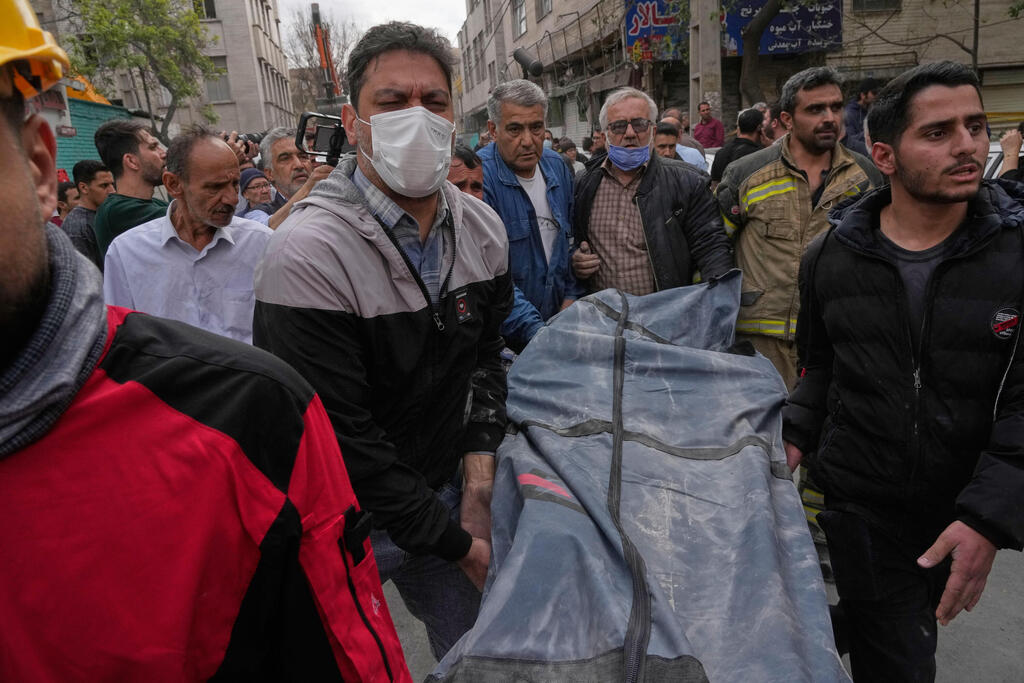
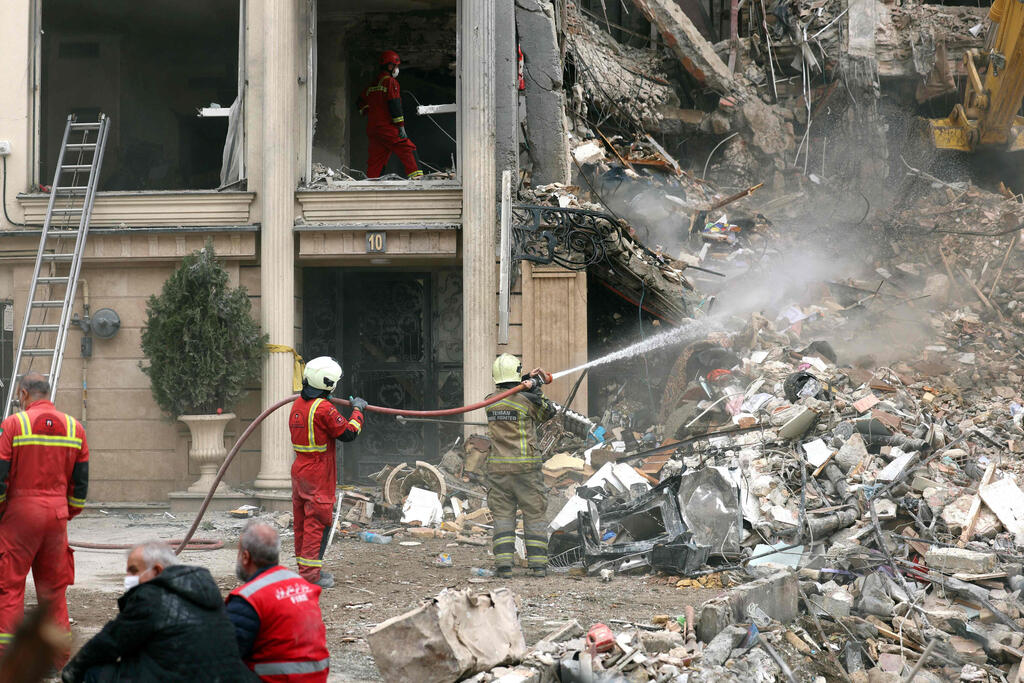
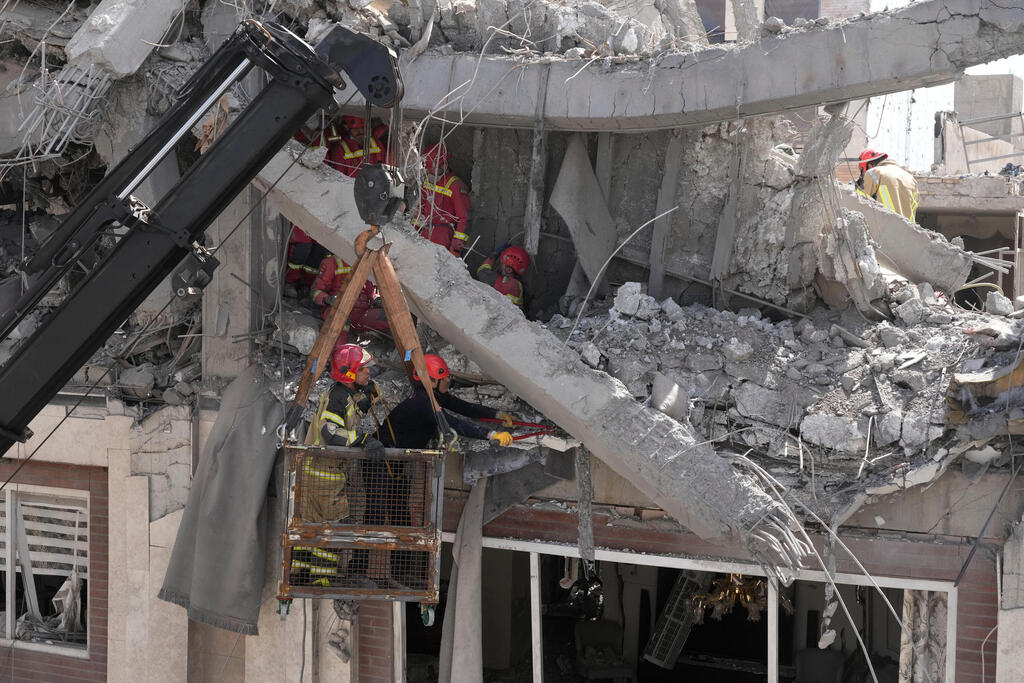
Recovery of a body from building rubble in Tehran
(Photo: AP Photo/Vahid Salemi)
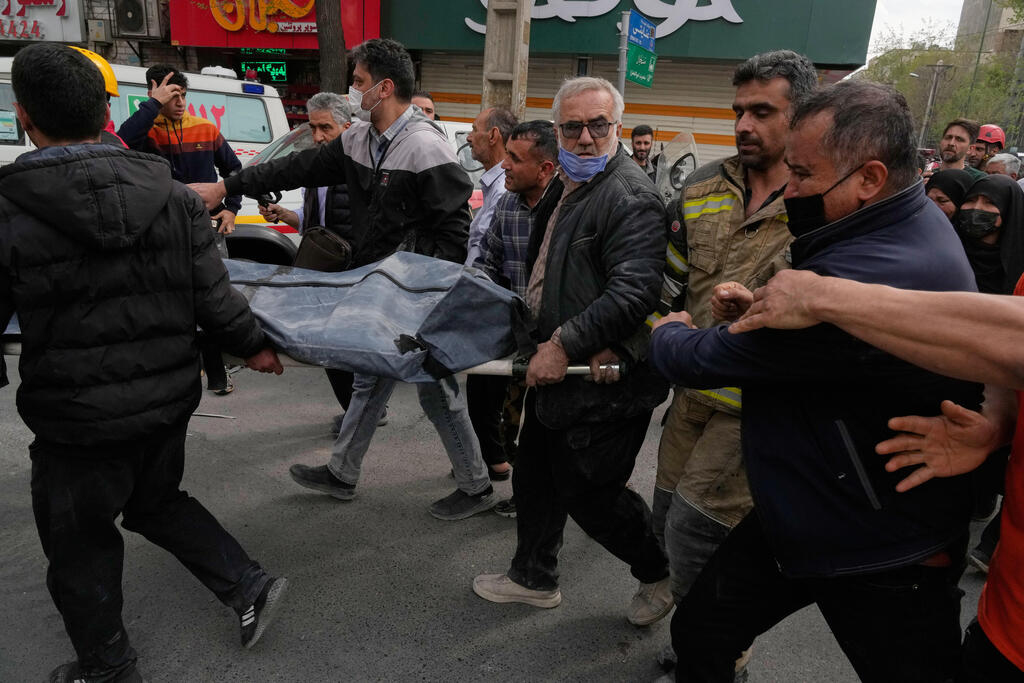
(Photo: AP Photo/Vahid Salemi)
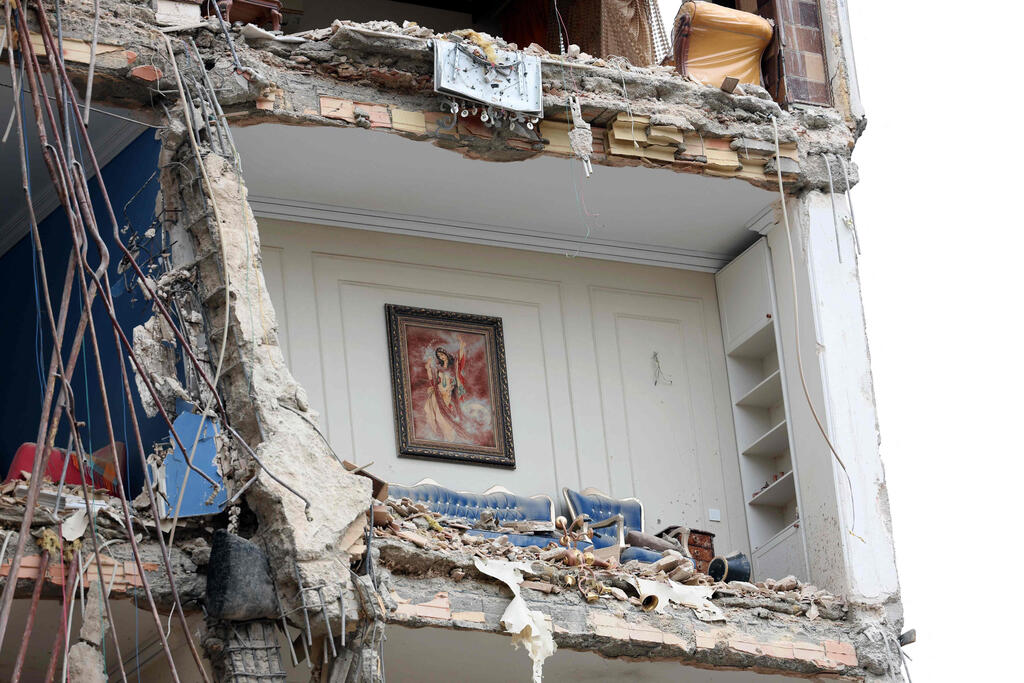
Since the January protests, she has been living off limited savings. The brutality of the crackdown left her unable to return to work. When the war began on Feb. 28, she moved into her parents’ home. Days later, the apartment she had left was damaged in an explosion. Like most Iranians, she has no insurance and will have to pay for repairs herself. She now leaves the house only to buy essentials.
An engineer in Tehran is trying to identify patterns in the strikes to determine whether certain hours are safer than others. In recent nights, explosions have lit up the capital’s skies. One blast shook his home, prompting him and his guests to climb to the roof to see where it had hit.
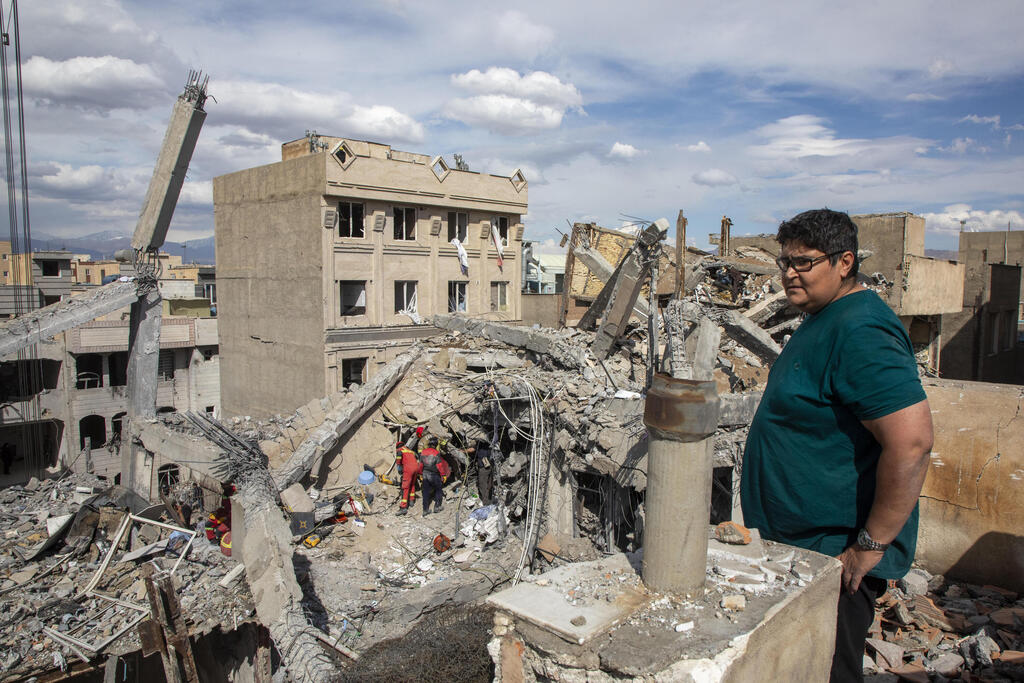
The ruins in the Iranian capital
(Photo: Majid Saeedi/Getty Images)
(Photo: AP Photo/Vahid Salemi)
He believes the pace of strikes may have slowed — or that people have simply grown accustomed to them. He feels anxious when family and friends go outside and struggles to sleep. Before the war, he had received a job offer but does not know if it still stands. Soon, he says, many will struggle to pay rent and bills.
He said decades of failed governance have severely harmed Iranians, but added that this does not justify U.S. and Israeli strikes. He is angered by the deaths and the damage to infrastructure and military capabilities. “After this war, I will be stronger. I will be wounded — like my country. But this is life, and we will make it better.”
Government employees — a large part of the workforce — continue to receive salaries, but private businesses are struggling to pay workers. Operating hours have been reduced, and some businesses remain closed for extended periods.
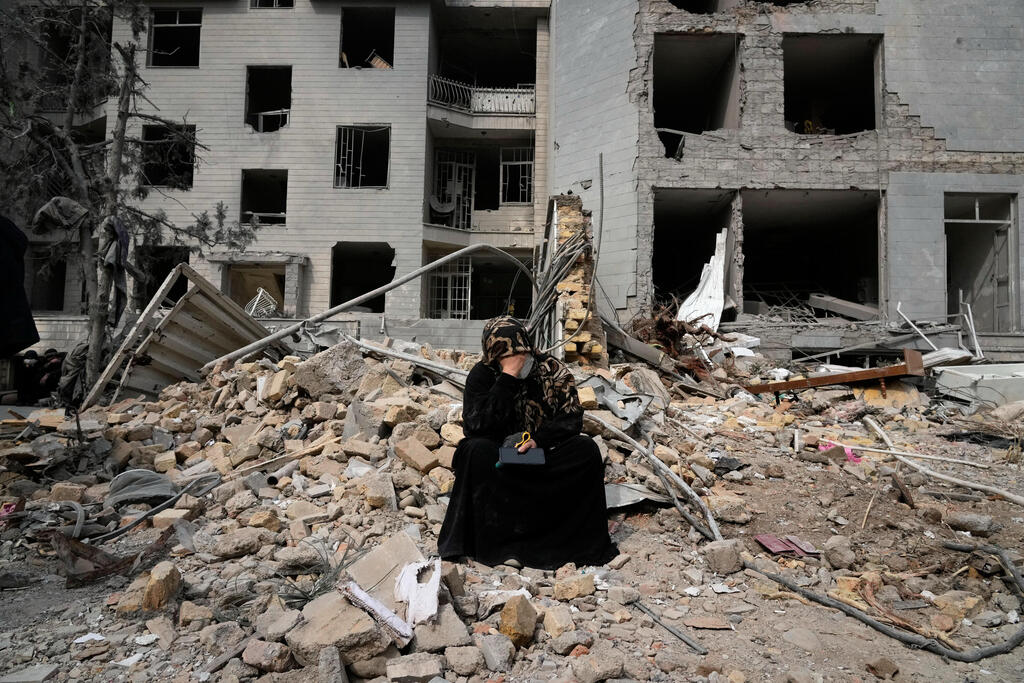
Iranians question what comes after the war
(Photo: AP Photo/Vahid Salemi)

(Photo: AP Photo/Vahid Salemi)
Many Iranians have fled to the north, which has been less affected by the strikes. The city of Rasht has seen an influx of people from Tehran and elsewhere, straining local resources. A doctor at a children’s hospital said patient numbers have nearly doubled. Medications are running low, and patients are now asked to obtain them elsewhere. The internet shutdown, he said, is also hindering access to medical records and proper dosing.
At the start of the war, Donald Trump called on Iranians to rise up and overthrow the regime. He now says the United States is negotiating with Iranian officials who are, in his words, “begging” for a deal.
Some Iranians fear the war will leave the weakened regime even more repressive. A woman in her 40s said she fears negotiations more than the war itself. “This is where we are — we’re ready to endure war, hoping we will be rid of them.”
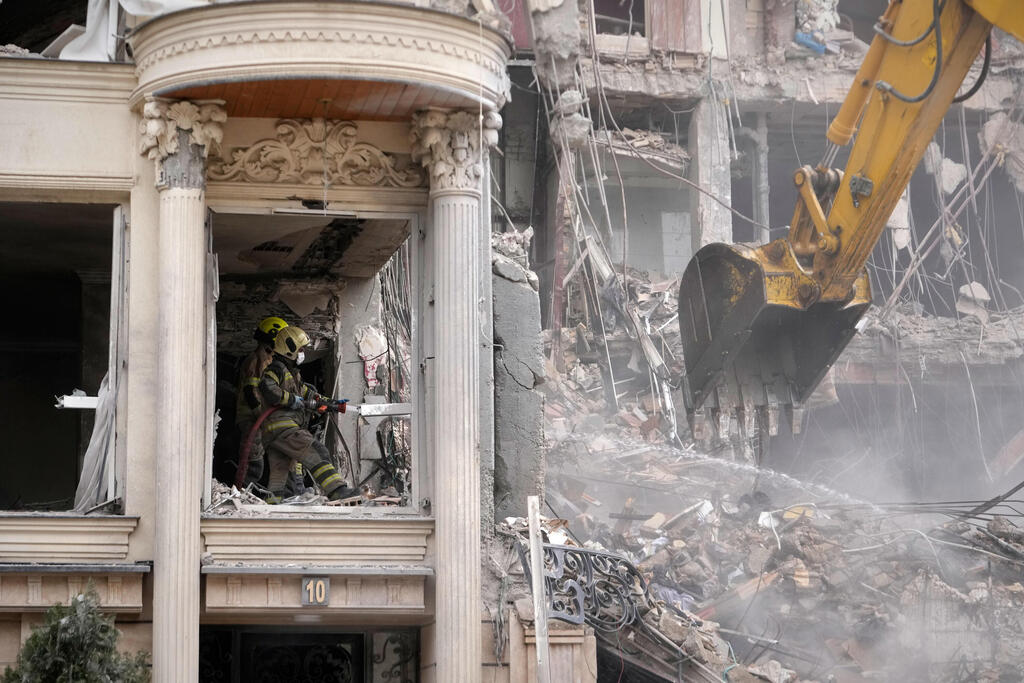
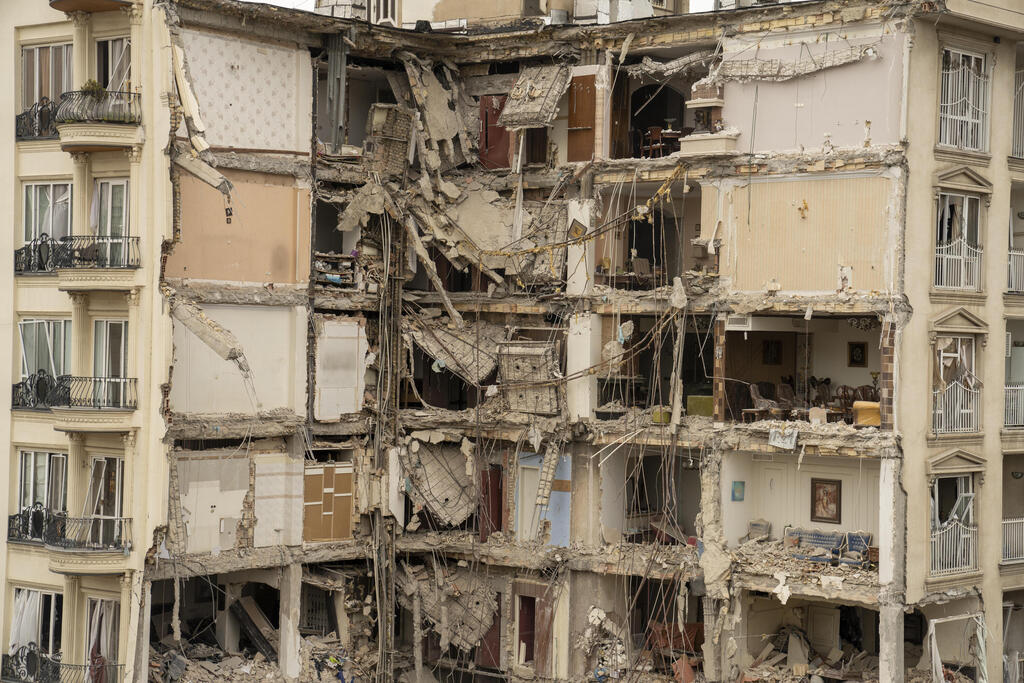
Damage from the strikes in Iran
(Photo: AP Photo/Vahid Salemi)
(Photo: Majid Saeedi/Getty Images)
The doctor in Rasht described the war as “the last remaining option” to remove the clerical leadership, but expressed concern over how the United States and Israel are conducting it. If Washington reaches a deal now, he said, the regime will only grow stronger.
“We now have an Islamic Republic on steroids,” he said. “We fear its revenge will be directed at the people — whom it sees as an internal enemy.”
In southwestern Iran, a lawyer who represented detainees and was herself imprisoned spoke to AP at the start of the war about her hope for the regime’s fall. After a month of strikes, she has withdrawn, exhausted by isolation and uncertainty. “There is no sign of hope, no dreams, no joy. Concern for the future overwhelms everything.”