

The Trump administration announced Wednesday it is moving ahead with the second phase of President Donald Trump’s plan to end the Gaza conflict, shifting from maintaining a ceasefire to establishing new governance and launching reconstruction.
Trump’s Middle East envoy Steve Witkoff said Phase Two of the administration’s 20-point plan will establish a transitional, technocratic Palestinian administration in Gaza, begin full demilitarization of the territory and move forward with large-scale rebuilding efforts.
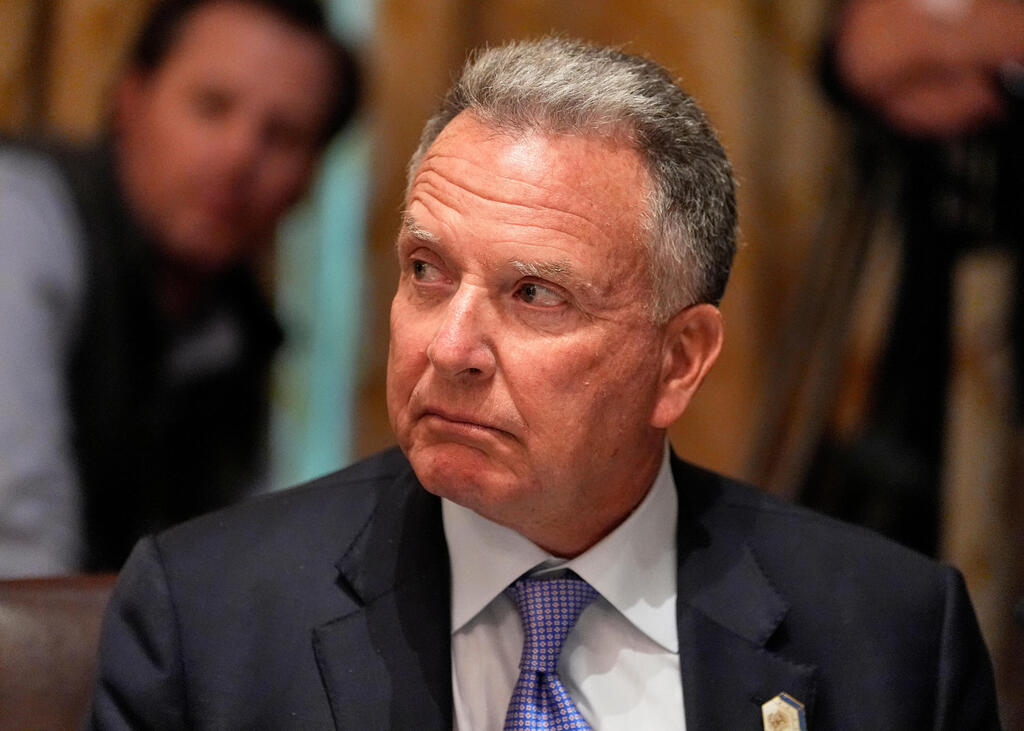
Witkoff said the United States expects Hamas to fully comply with its obligations, including the immediate return of the final deceased hostage, Israeli soldier Sgt. First Class Ran Gvili. Failure to do so, he said, would bring “serious consequences.”
The announcement comes amid relative stability following a ceasefire that has largely held despite isolated violations. Hamas has returned all hostages except Gvili’s body, but US officials say conditions now allow a shift from stopping the fighting to addressing governance and reconstruction.
Under the plan, a temporary Palestinian technocratic committee of 15 members will oversee Gaza’s day-to-day administration, including infrastructure, sanitation and education. Egypt announced Wednesday that all parties had agreed on the committee’s composition.
In Cairo, the majority of Palestinian factions — including Hamas and Islamic Jihad — issued a joint statement backing the committee and supporting mediator efforts to form what they described as a transitional Palestinian national body. The Palestinian presidency, based in Ramallah, also voiced support in a statement carried by the official Wafa news agency, a move a presidential source said reflects the position of Fatah, led by Palestinian President Mahmoud Abbas.
Security officials said Israel agreed to the technocratic administration for Gaza announced by the United States, noting that the proposed figures are familiar and acceptable. “They are Fatah-affiliated figures who are not extremist and resemble Palestinian Authority officials Israel already works with,” the officials said. “Some live in the West Bank and others in Gaza. The test will be implementation of the reconstruction, starting with a pilot neighborhood in Rafah. A withdrawal from the Yellow Line is not expected anytime soon, and conditions on the ground are not expected to change in the foreseeable future.”
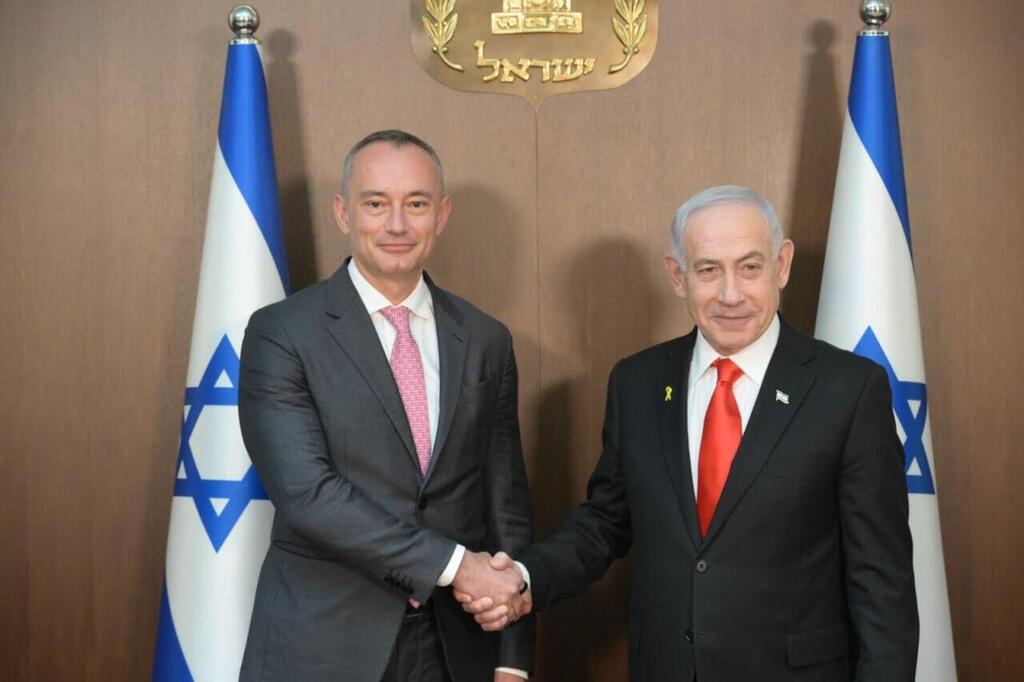
(Photo: GPO)
US officials have said Nickolay Mladenov, a former UN special coordinator for Middle East peace and former Bulgarian foreign minister, will serve as senior representative of a Trump-led Peace Council overseeing implementation of the plan and acting as a liaison with the Palestinian technocratic body.
The Peace Council, expected to include about a dozen international figures, will provide high-level guidance on Gaza-related issues. Trump has said it would include leaders from what he called the world’s most important countries, though participants have not yet been named.
Trump met with Gvili’s family about two weeks ago at his Mar-a-Lago estate in Florida and pledged to bring him home, but did not condition the transition to Phase Two on the return of the body.
The plan envisions rebuilding Gaza and eventually transforming it into what Trump has described as a prosperous Middle Eastern “Riviera,” but it faces skepticism, particularly because Hamas has not agreed to disarm, a core condition outlined when the proposal was unveiled last October.
Details of a proposed International Stabilization Force, made up of foreign troops to help maintain order in Gaza, have not yet been released. Officials say potential contributors have expressed concerns about security risks and being perceived as an occupying force.
Despite those challenges, Trump administration officials say they expect Hamas to eventually lose power. Hamas said earlier this week it would dissolve its current governing authority once the technocratic committee assumes its duties.