

The U.S. military recently prepared an urgent ground mission to seize Iran’s enriched uranium, but President Donald Trump blocked the plan, CNN reported, citing sources familiar with the matter.
According to the report, Iran’s uranium is spread across several nuclear sites, mainly the Isfahan, Natanz and Fordow complexes, and is buried deep inside tunnels.
A senior U.S. general secretly visited the U.S. military’s Central Command headquarters in Florida late last month to receive a personal briefing on the plan, which involved sending ground forces into Iran to forcibly capture the enriched uranium, two sources familiar with the matter told CNN.
Around the same time, Joint Chiefs of Staff Chairman Gen. Dan Caine traveled to Brussels for a meeting with NATO officials. Sources told CNN the urgent nature of the activity suggested the administration had come very close to approving the operation.
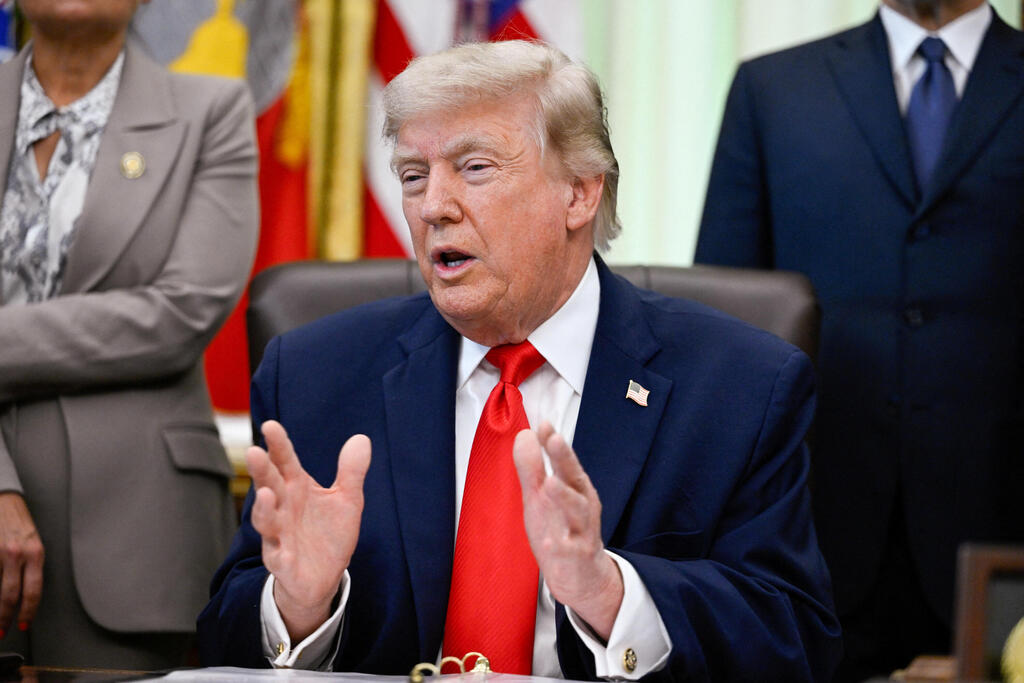
But after Caine briefed Trump on the possibility of such a mission, the president blocked it. Trump was warned that the operation could trigger a harsh Iranian response and further shake the global economy. He also expressed concern about the possibility of significant U.S. casualties.
The advanced planning came as Trump repeatedly said the United States and Iran were nearing an agreement to reopen the Strait of Hormuz and conclude negotiations over Iran’s nuclear program. On Thursday, Trump said Washington and Tehran would soon sign an agreement, possibly over the weekend.
But the fact that U.S. officials were still discussing the possibility of sending ground forces into Iran as recently as last month shows how close Washington came to a major escalation of the conflict. One source familiar with the uranium-seizure plan told CNN that carrying it out would have involved “a lot of risk,” adding that it was not surprising Trump chose not to give it the green light.

American forces in the Gulf
(Photo: CENTCOM)
CNN also reported that Iran had prepared to inflict severe damage on the global economy if talks with the United States failed. Three sources familiar with the matter said the plan included having the Houthis close the Bab al-Mandab Strait, a key waterway for global trade, in addition to closing the Strait of Hormuz.
Recent reports indicate Washington and Tehran are now moving closer to signing an agreement that would also address the issue of Iran’s enriched uranium.
A senior U.S. administration official held a briefing Friday evening on the expected agreement, saying “an understanding has been reached regarding the destruction and removal of the enriched material” held by Iran. The official added that under the deal, the United States would receive the material, and said the agreement would lead to the “dismantling of Iran’s nuclear program.”
Iran’s Foreign Ministry spokesperson confirmed that progress had been made between the sides.
“We are in the final stages of concluding and drafting it internally,” he said. “Meanwhile, a meeting of relevant institutions and bodies is taking place. It is clear to everyone which side is acting in good faith and which side is not. We cannot comment on the time and place of the signing of the agreement. We must first wait until the final decision is made internally.”
He added: “We entered the diplomatic process in good faith in order to reach an understanding. In the negotiations, we are focused on achieving results and following the other side’s positions. We are taking into account our previous experience in negotiations with the American side.”