

U.S. President Donald Trump said Tuesday he is not ready “quite yet” to abandon efforts to force Iran to reopen the Strait of Hormuz, signaling continued U.S. involvement even as concerns grow that the conflict could expand beyond his timeline.
In a phone call with CBS News correspondent Weijia Jiang, Trump made clear he still expects other countries to step in, while leaving open the possibility of a future U.S. drawdown.
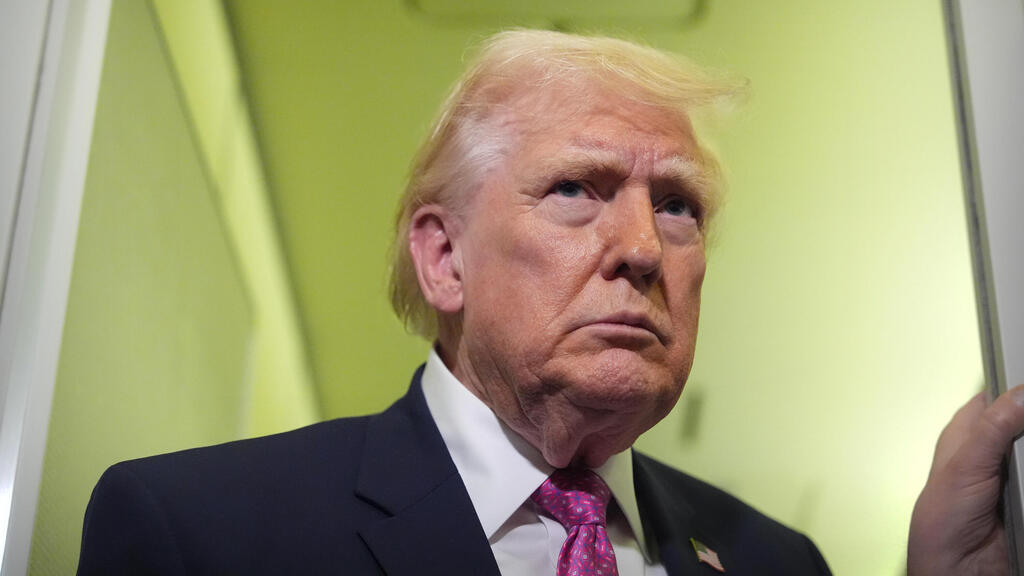
“At some point, I will, not quite yet. But countries have to come in and take care of it. Iran has been decimated, but they're going to have to come in and do their own work,” Trump said.
He dismissed concerns about the strategic threat posed by Iran in the key shipping lane, despite continued attacks in the region.
“I'll be there, but if they're having a hard time getting oil, let them come and take it like they're supposed to. Let them come up and take it. They didn't want to give a hand to anybody. NATO is terrible, and they're all terrible. So if they want oil, come up and grab it. There's no real threat, there's no substantial threat because the country [Iran] has been decimated,” he said. “Let them come up and take it. It's about time they did something for themselves.”
Trump’s comments follow reporting that he has privately acknowledged a military effort to reopen the strait could prolong the war.
Defense Secretary Pete Hegseth reinforced the administration’s stance, warning that the conflict is entering a critical phase.
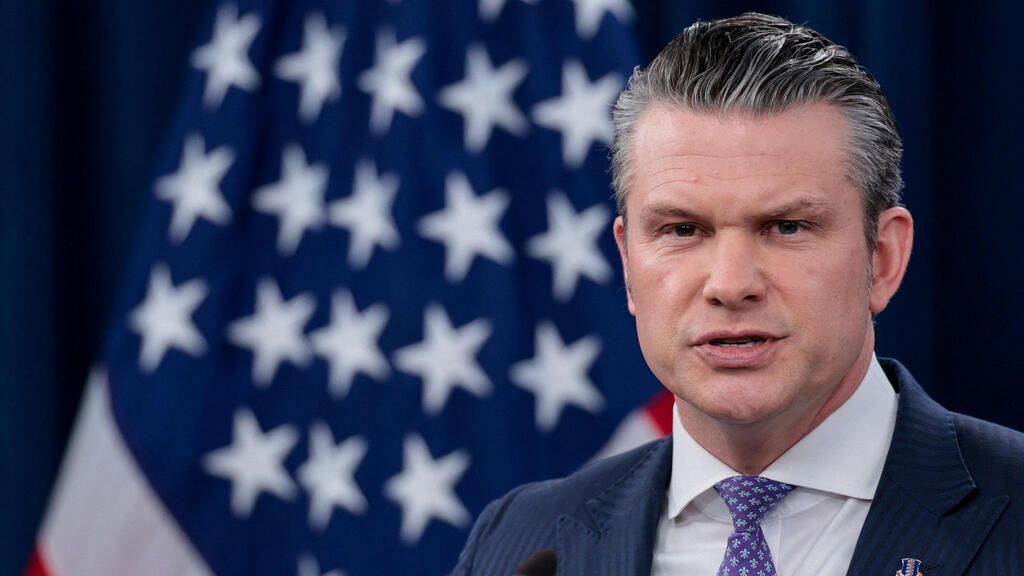
Defense Secretary Pete Hegseth
(Photo: Jonathan Ernst/ Reuters)
“The upcoming days will be decisive,” Hegseth said, adding that U.S. military pressure is intensifying while Iran’s capabilities are weakening.
He emphasized that Washington prefers a negotiated outcome but is prepared to escalate if necessary.
“We would much prefer to get a deal. If Iran was willing to relinquish material they have and ambitions they have, open the strait, that's the goal,” Hegseth said. “We don't want to do more militarily than we have to. But I didn't mean it flippantly when I said that in the meantime, we'll negotiate with bombs.”
Trump, however, continued to focus on burden-sharing, openly criticizing allies for what he described as a lack of support.
In a social media post, he accused France of denying U.S. warplanes access to its airspace as they transported military supplies to Israel, calling the move “VERY UNHELPFUL.”
“The U.S.A. will REMEMBER!!!” he wrote.
Spain has publicly denied U.S. military aircraft access for operations tied to the war, and Italy has reportedly rejected requests for American bombers to land at a joint base in Sicily. France has said it allows U.S. use of shared bases only for non-combat missions.
Trump has also urged allies to take direct action to secure oil supplies, arguing the United States should not carry the burden alone.
“You'll have to start learning how to fight for yourself, the U.S.A. won't be there to help you anymore, just like you weren't there for us,” he wrote.
The military pressure campaign continues alongside diplomatic efforts. Hegseth said negotiations with Iran are ongoing and “gaining strength,” but warned that failure to reach a deal would bring further escalation.
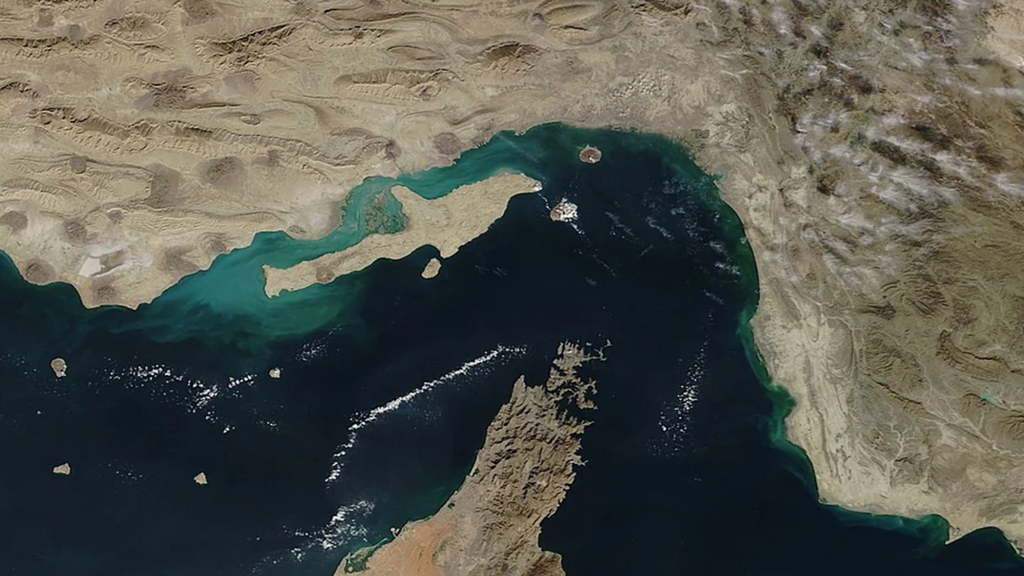
Strait of Hormuz
Meanwhile, Iran has expanded its attacks on energy infrastructure across the region. A Kuwaiti oil tanker was hit by an Iranian drone off Dubai, according to Kuwait’s state news agency, which described it as a “direct and malicious” strike.
Iranian state media also reported that a desalination plant on an island near the Strait of Hormuz was knocked out after being hit, following Trump’s renewed threat to target Iran’s civilian energy and water infrastructure if no agreement is reached.
The escalation has rattled global energy markets. U.S. gas prices have risen above $4 per gallon for the first time in nearly four years, climbing more than a dollar since the conflict began in late February, according to AAA data.
Despite the volatility, Hegseth said maritime traffic through the strait continues and reiterated the administration’s warning to Tehran.
“The president has been clear to Iran, open it for business or we have options, and we certainly do,” he said.
He framed the strategy as a dual-track approach combining force and diplomacy.
“The primary effort is a deal,” Hegseth said, underscoring that while military pressure is increasing, the administration’s stated objective remains a negotiated resolution.