

As the United States and Iran appear to be moving toward an agreement to end the war, not everyone in Tehran is welcoming the prospect.
A vocal fringe group backed by members of parliament and figures in the Supreme National Security Council is trying to block a deal, The New York Times reported Friday. The effort includes rallies in public squares, statements in major media outlets and behind-the-scenes pressure aimed at derailing the agreement.
Gallery
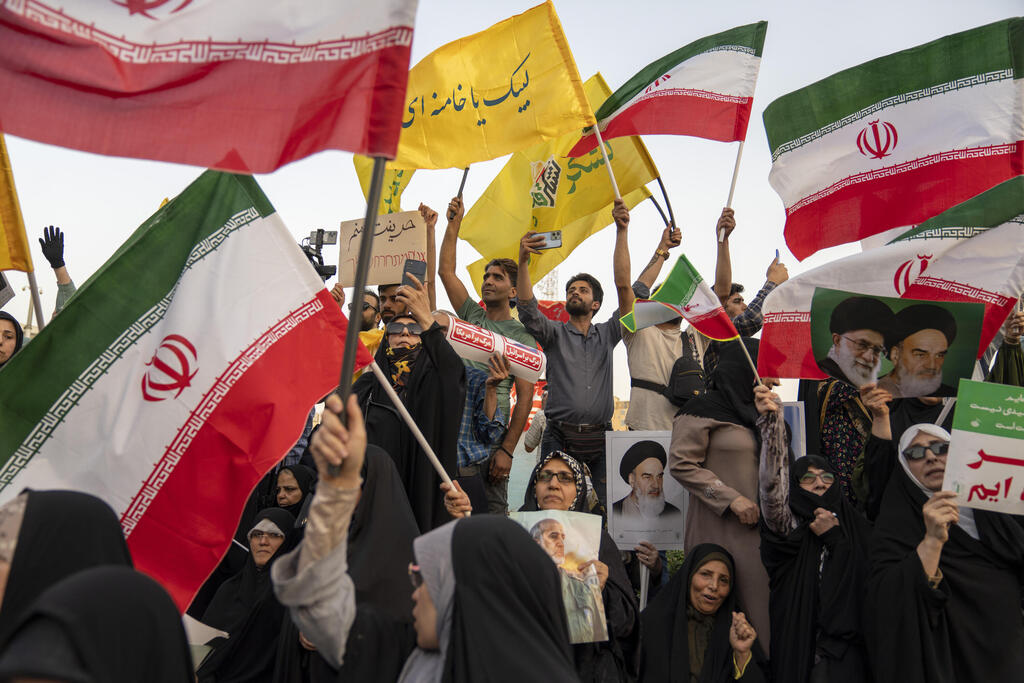
Victory celebrations in Tehran after ceasefire called in war with US and Israel
(Photo: Getty Images/Majid Saeedi)
It remains unclear whether any deal will be signed. A meeting convened by U.S. President Donald Trump in the Situation Room ended without a decision. But internal divisions in Iran over the proposed agreement are intensifying.
According to The New York Times, Iranian President Masoud Pezeshkian scolded state television officials this week and urged them not to sow internal division. Pezeshkian, who is considered part of Iran’s moderate camp, said at the meeting that even former Supreme Leader Ali Khamenei, who was killed at the start of the war, “agreed that we must go to the negotiation table.”
“But now we are advertising that we should not negotiate,” Pezeshkian said.
The New York Times also reported that during the negotiations, Ali Bagheri Kani, a hard-liner who serves as deputy secretary of the Supreme National Security Council, wrote a letter to Mojtaba Khamenei saying Iran’s negotiating teams, led by Parliament Speaker Mohammad Bagher Ghalibaf, had been too conciliatory toward the Americans in talks with Vice President JD Vance in Islamabad.
Two senior Iranian sources familiar with the letter said Bagheri Kani asked the supreme leader to intervene and set red lines for the talks. In political circles, the letter was seen as an attempt to undermine the negotiating team and Ghalibaf himself, a close ally and friend of the new supreme leader.
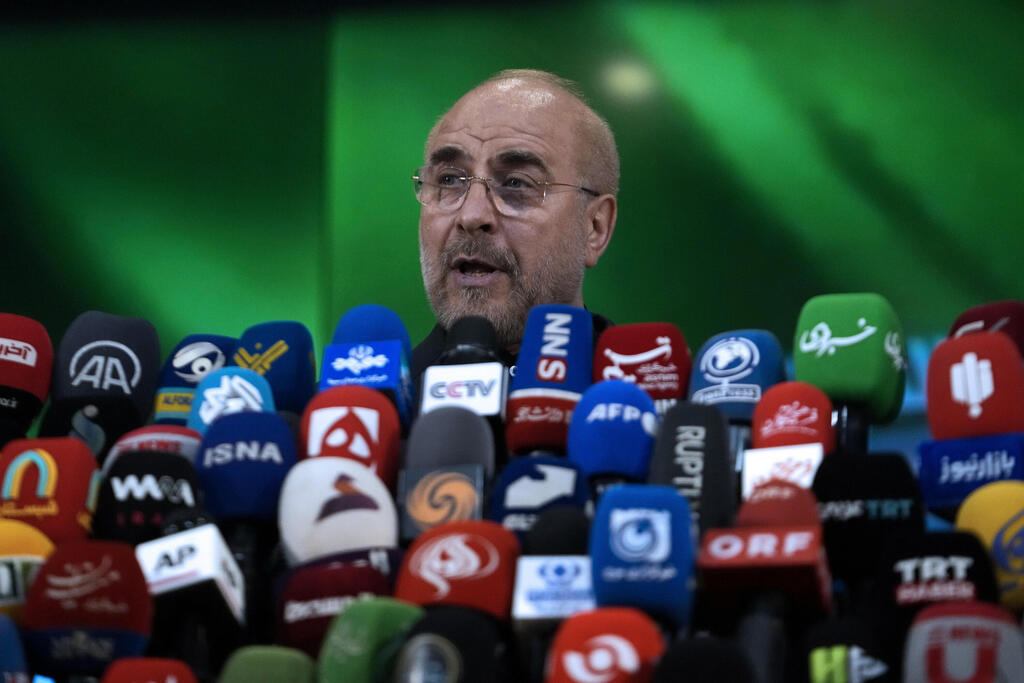
Iranian Parliament Speaker Mohammad Bagher Ghalibaf
(Photo: AP / Vahid Salemi)
The campaign against a deal continued Friday, when opponents of an agreement with the United States held a rally in Tehran. A television reporter at the rally asked participants whether Iran should retreat from its positions or continue fighting the U.S. and Israel. “We want them to punish them good,” one protester said. Another added: “Stand firm, we are with you until our last drop of blood.”
Conservative lawmaker Ebrahim Azizi, who chairs parliament’s national security and foreign policy committees, said this week: “Trump must know that Iran, as the victor and conqueror of the field, sets the terms.”
Even Iran’s new supreme leader, Mojtaba Khamenei, the son of the former leader, has not been spared criticism from opponents of a deal.
This week, hard-line cleric Hamid Rasaee attacked Khamenei in a social media post titled, “Who is worthy of the supreme leadership?” The post appeared to suggest that Mojtaba Khamenei, who has expressed written support for negotiations, is unfit to lead.
Rasaee wrote that Noah, one of Islam’s central prophets, had a rebellious and unbelieving son, adding that “familial relations don’t necessarily make for being righteous.”
Iranian political figures quickly condemned the comparison. Rasaee later walked it back, saying “bad actors” had misinterpreted his remarks.
Separately, NBC reported that the U.S. military has been unable to confirm that Iran placed mines in the Strait of Hormuz. According to the report, U.S. military personnel conducted repeated checks in the strait but found no Iranian mines.
U.S. assessments say the findings raise questions about the scale of the Iranian threat in the area.