

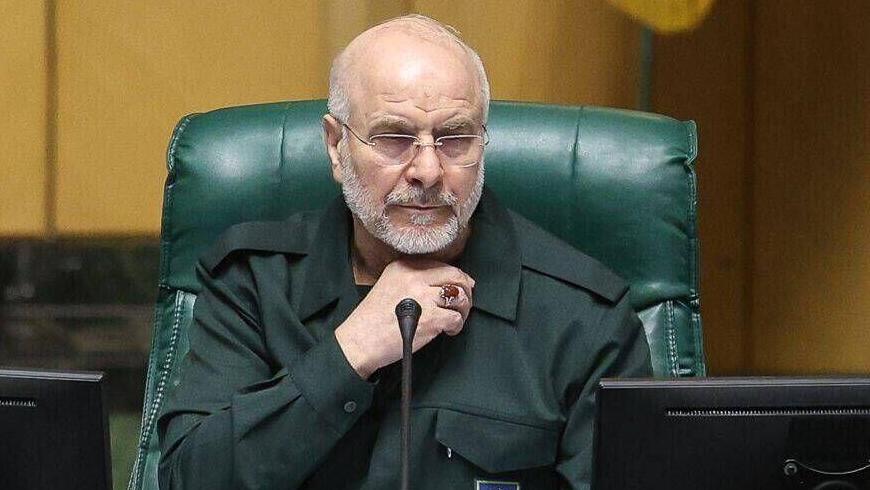
Mohammad Bagher Ghalibaf, Iran’s parliament speaker, has emerged as one of the most prominent and combative figures in Tehran’s wartime messaging, pairing public threats and mockery with a reported behind-the-scenes role in indirect negotiations with the United States.
A former Iranian Revolutionary Guard Corps commander, Ghalibaf has taken a leading role on social media, using his account on X to taunt U.S. President Donald Trump and challenge Israeli and American claims about Iran’s military capabilities.
“He has claimed he ‘defeated’ us nine times in the last two weeks. Hilarious!” Ghalibaf wrote, responding to Trump’s repeated assertions of success against Iran.
He also mocked Western assessments of Iran’s missile losses.
“According to statements by Israeli and American military officials, 320% of Iran’s missile launchers have been destroyed,” he wrote. “However, Iran continues to launch missiles at a high rate.”
“Now, the enemy aims to destroy up to 500% of them. A unique achievement for the US military.”
At the same time, Ghalibaf escalated his rhetoric beyond military targets, warning that financial systems linked to the United States could also be considered legitimate targets.
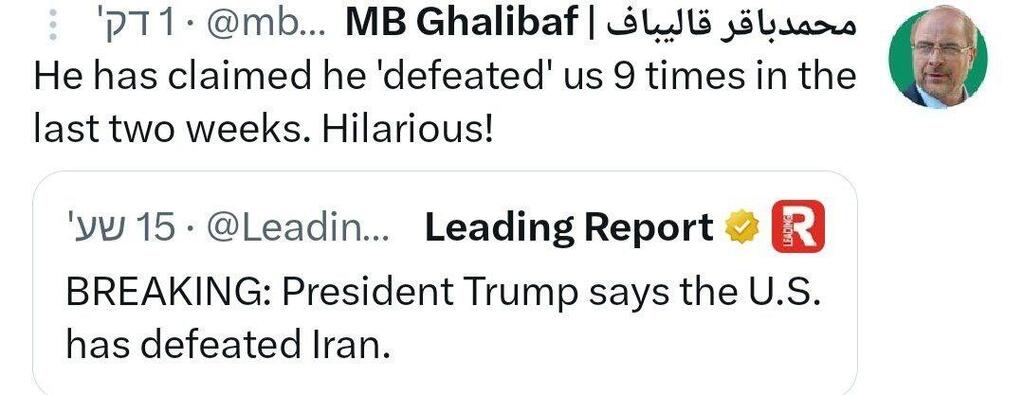
An X post by by Ghalibaf
“Alongside military bases, those financial entities that finance the US military budget are legitimate targets,” he wrote. “US Treasury bonds are soaked in Iranians’ blood. Purchase them, and you purchase a strike on your HQ and assets.”
“We monitor your portfolios. This is your final notice.”
The posts reflect a broader pattern, with Ghalibaf positioning himself among the most hard-line and outspoken figures in Iran’s leadership during the conflict.
U.S. officials, meanwhile, have cast doubt on Iran’s internal power structure. Trump questioned the role and status of Supreme Leader Ali Khamenei’s son, Mojtaba Khamenei.
“We have not heard from the son… We don’t know if he’s living,” Trump said. “Khamenei’s son is unavailable. Nobody knows what happened to him… Something is going on with him.”
Against that backdrop, Ghalibaf has taken on a more visible public role.
Following missile fire toward southern Israel, including near Dimona and Arad, he declared that the war had entered a “new phase.”
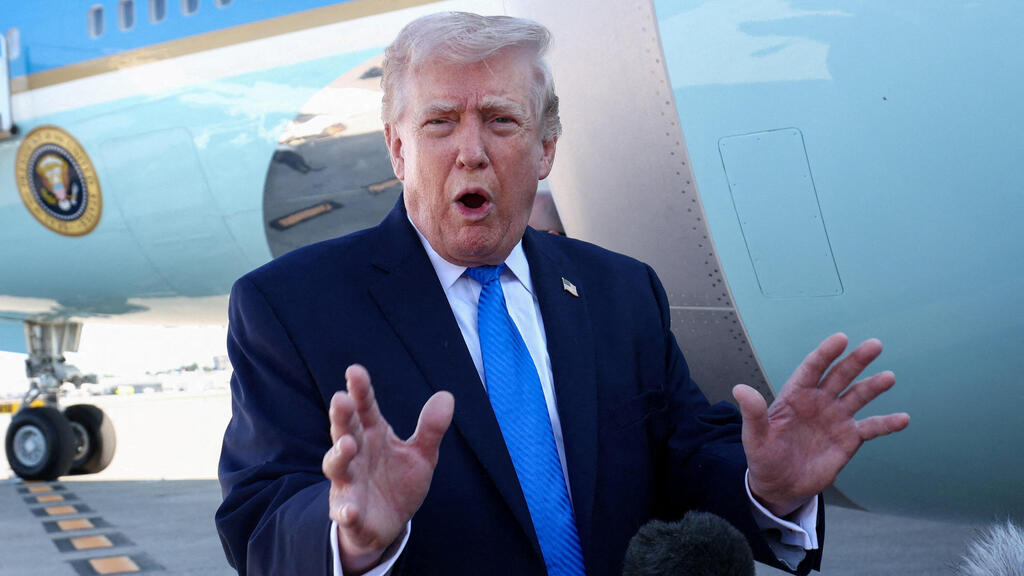
US President Donald Trump
(Photo: Kevin Lamarque/ Reuters)
“If the Israeli regime fails to intercept missiles in the most protected area of Dimona, it will operationally mark the beginning of a stage in which Israel’s skies are defenseless,” he said. “It seems the time has come to implement the next preplanned steps.”
In a recent interview, he rejected the idea of a ceasefire, saying Iran would continue fighting until conditions ensure the conflict does not resume.
“We will continue to fight until the enemy truly regrets its aggression and until appropriate political and security conditions are established,” he said.
He added that Iran retains significant production capacity.
“We have enough missiles and drones, and the technology is domestic,” Ghalibaf said. “We can produce them at a much higher rate and at a far lower cost than the enemy’s interceptor missiles.”
Despite his confrontational rhetoric, Israeli officials assess that Ghalibaf is also playing a role behind the scenes, serving as a key interlocutor in indirect contacts with Washington over a potential end to the war.
His rising prominence follows the killing of senior Iranian official Ali Larijani, with Ghalibaf now mentioned as a possible successor in key security roles.
Born in 1961, Ghalibaf rose through the ranks of the Islamic Revolutionary Guard Corps, serving in the Iran-Iraq War and later commanding its air force, where he was involved in developing Iran’s missile programs. He later served as Tehran’s mayor and has been the parliament speaker since 2020.
As the war continues, Ghalibaf’s dual role, as both a leading public voice and a reported negotiating channel, underscores the blend of confrontation and diplomacy shaping Iran’s strategy.