

As Prime Minister Benjamin Netanyahu calls for Israel to prepare an economy capable of operating around international sanctions, one Israeli citizen has already become a central figure in Russia's efforts to circumvent Western financial restrictions. Ilan Shor, a Moldovan oligarch born in Israel who holds Israeli citizenship, is behind a vast Russian payment network that has processed billions of dollars since Moscow's invasion of Ukraine. American authorities now accuse that network of serving not only Russia but also Iran, the Islamic Revolutionary Guard Corps and Hamas.
Four and a half years after Russia launched its full-scale invasion of Ukraine, the Kremlin has developed an array of mechanisms to keep international trade and financial transactions moving despite Western sanctions. One of the most significant is A7, an international payments company established in 2024 by Shor, 39. He holds a 51% stake in the company, while the remaining 49% belongs to Promsvyazbank, or PSB, a Russian state-owned bank itself subject to extensive international sanctions.
Gallery
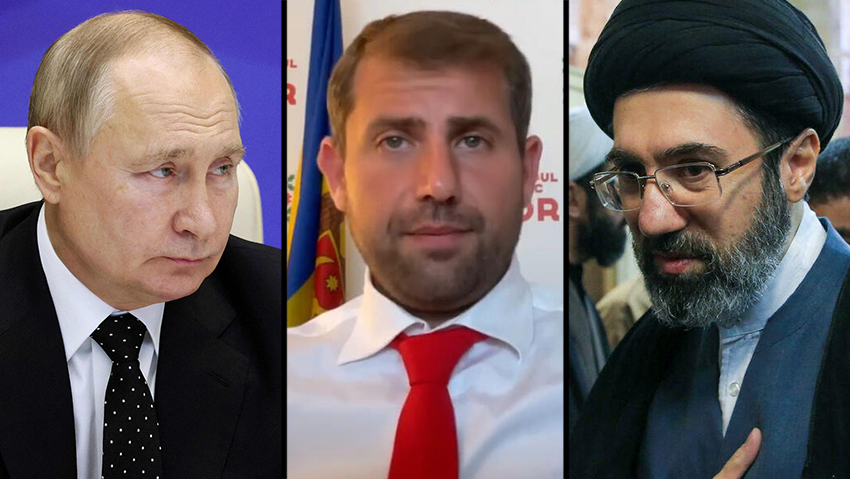
Israeli-born oligarch behind Russia's $14B sanctions-evading cash network linked to Iran, Hamas
(Photo: AFP)
An investigation published this week by the International Consortium of Investigative Journalists (ICIJ), working with independent Russian media outlet Proekt, revealed the extraordinary scale of A7's operations. Between November 2024 and July 2025, the company processed at least 283 tons of Russian banknotes, worth more than $14 billion. Internal documents showed how the company used cash brokers, financial intermediaries and companies registered outside Russia to help businesses complete payments that conventional banking channels had made increasingly difficult.
How billions in Russian cash reach foreign suppliers
At the heart of the operation is Moscow's Sadovod Market, a sprawling wholesale and retail complex in the southeastern part of the Russian capital. According to the investigation, brokers operating there receive payment instructions from Russian businesses seeking to purchase goods overseas, particularly from Chinese suppliers. Rather than transferring money directly through Russian banks, clients hand over large quantities of rubles in cash.
The brokers place the banknotes in numbered bags, which are transported to an A7 cash-processing center. There, teams of cashiers count the money and record the amounts, bag numbers and payment instructions. The cash is then delivered to PSB, which deposits the funds into A7 accounts. Companies registered outside Russia subsequently arrange payments to foreign recipients, often through intermediaries in Kyrgyzstan, Hong Kong and other jurisdictions. The result, investigators found, is that the Chinese banks receiving the transfers may have no visibility into the original Russian source of the money.
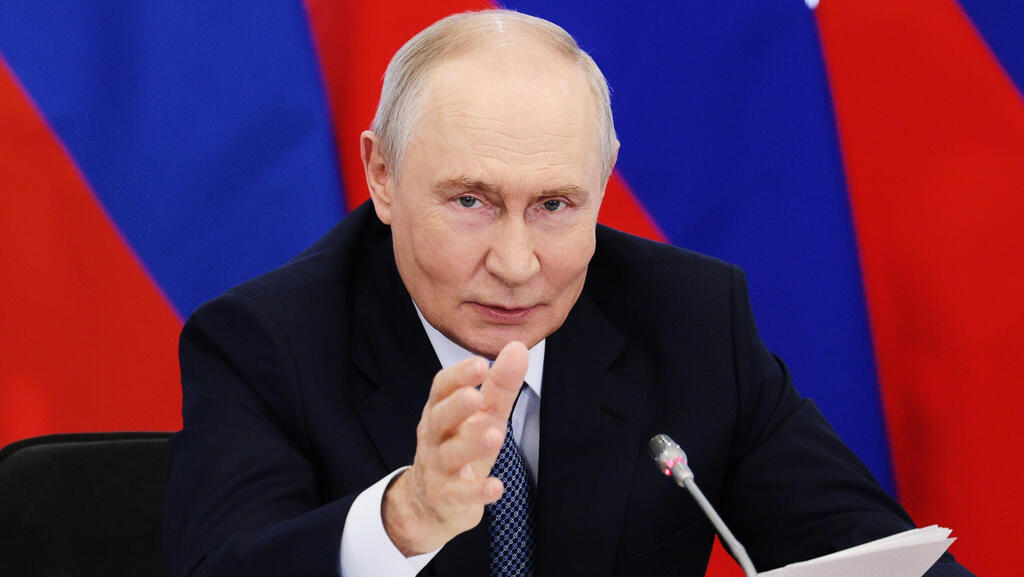
Russian President Vladimir Putin
(Photo: Gavriil Grigorov, Sputnik, Kremlin Pool Photo via AP, File)
The scale of the transactions is substantial. A payment register from late 2024 contained approximately 2,300 proposed or documented transfers linked to brokers at Sadovod, most intended for recipients in mainland China or Hong Kong. Many were routed through accounts belonging to a Kyrgyz state-owned trading company. A7 has also promoted the speed of its system, announcing in December 2025 that it had completed a transfer to China in just one hour and 40 minutes.
The Kremlin has taken a direct interest in the project. During a video conference with President Vladimir Putin in September 2025, Shor presented A7's achievements and plans for expansion. He reported that the platform was processing approximately 1,500 to 2,000 transactions daily and described payment volumes running into trillions of rubles. The company also outlined plans to expand its operations in Asia, where it said more than half of its payments were being directed. These figures were company claims and have not all been independently verified.
US sanctions and alleged connections to Iran and Hamas
On October 1, the U.S. Treasury Department imposed sanctions on the A7 network, designating it a significant transnational criminal organization. The department described A7 as a shadow banking operation that uses money-laundering techniques to disguise illicit payments as legitimate commercial transactions and move enormous sums across borders in violation of sanctions and other laws.
The American allegations extend far beyond Russian trade. According to the Treasury Department, A7 has provided financial support to Iran's Islamic Revolutionary Guard Corps and Iranian-backed organizations, including Hamas. U.S. authorities also linked the network to Nobitex, Iran's largest digital asset exchange, sanctioned by Washington in June 2026, and to transactions associated with North Korean cryptocurrency exchange hacks and other illicit activity.
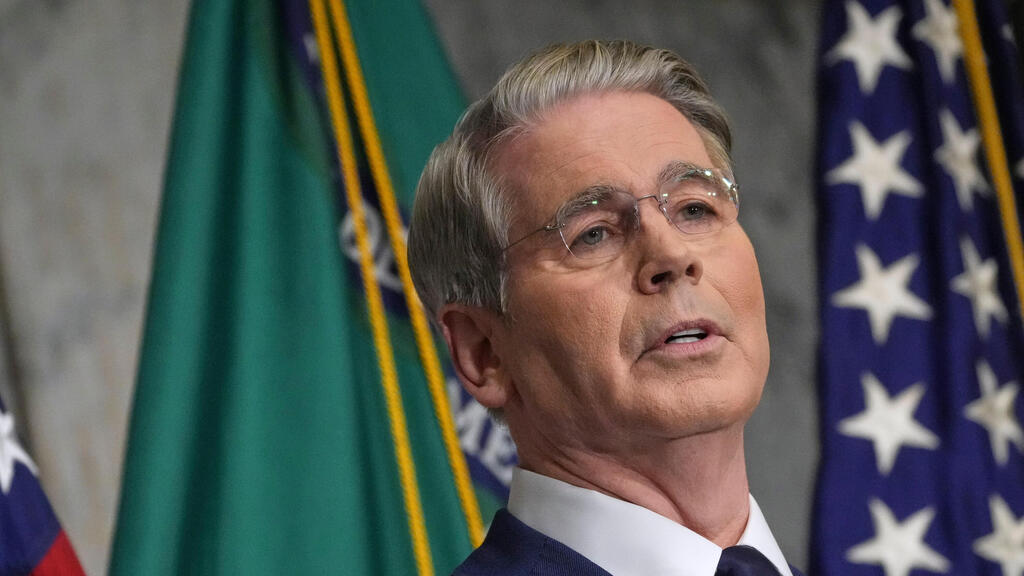
US Treasury Secretary Scott Bessent, whose department designated A7 a significant transnational criminal organization
(Photo: AP Photo/Julia Demaree Nikhinson)
Treasury Secretary Scott Bessent said the action was intended to dismantle financial infrastructure that enables Iran and other U.S. adversaries to evade sanctions and move illicit funds. A7 has rejected the American allegations of wrongdoing, saying it operates compliance procedures and was established to facilitate payments for Russian businesses facing what it considers illegitimate restrictions. The company's denials include the allegations concerning Iran and terrorist organizations.
From Israel to the Kremlin's protection
Shor's personal history is as unusual as the financial operation he now oversees. Born in Tel Aviv in 1987 to a family originally from Moldova, he moved with his parents to Chisinau during the 1990s. His father, Miron Shor, established a successful duty-free retail business, which Ilan joined as a young man. After his father's death, he took control of the family enterprise and expanded into other sectors, building a business empire before entering Moldovan politics.
His political career was overshadowed by one of Moldova's largest financial scandals. In 2017, Shor was convicted in connection with the theft of approximately $1 billion from the country's banking system, a case widely known in Moldova as the "theft of the century." Initially sentenced to seven and a half years in prison, he remained free during his appeal and fled to Israel in 2019. In April 2023, a Moldovan appeals court increased his prison sentence to 15 years for fraud and money laundering. His political party was subsequently banned. Shor has maintained that he was the victim of political persecution by Moldova's pro-Western authorities.
After spending several years in Israel, Shor relocated to Russia, where he emerged as an outspoken supporter of Putin and increasingly appeared in Kremlin-aligned media. Despite remaining wanted by Moldova, he has continued to conduct major business operations from Russia under the protection of the country's political establishment. His role in A7 has made him a prominent figure in Moscow's efforts to maintain international financial connections despite Western restrictions.
The revelations come as Netanyahu warns that Israel could eventually face economic and banking sanctions of its own and has instructed advisers to examine alternative financial arrangements, including blockchain technology and cryptocurrencies. Netanyahu has not proposed adopting A7's methods, and his comments concerned preparations for possible future restrictions, rather than sanctions already imposed on Israel's banking system. Nevertheless, Shor's story illustrates both the scale that sanctions-resistant payment networks can reach and the serious legal and security consequences they can face when their activities attract international scrutiny.