

Global cocaine production has reached record levels, with criminal organizations moving the drug from ports in Ecuador and Brazil through West Africa and into Europe, now the world’s second-largest cocaine market after the U.S. Spain’s Costa del Sol has emerged as one of the trade’s main gateways.
Along Spain’s southern coast, traffickers increasingly hold a technological and operational advantage over law enforcement. Drones, radar and thermal cameras help them evade detection, while powerful high-speed boats allow them to outrun many police vessels.
Gallery
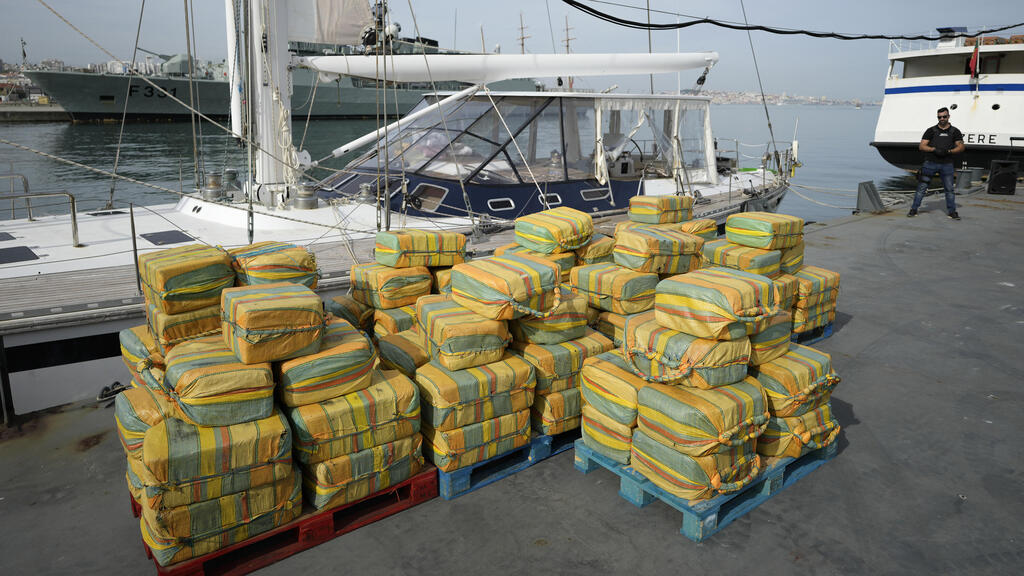
Cocaine cartels turned Spain’s Costa del Sol into one of Europe’s main drug gateways
(Photo: Armando Franca\AP)
Juan Luján, head of the Spanish National Police organized crime unit in the Costa del Sol region, told The Wall Street Journal that authorities could not allow hundreds of smuggling boats to operate openly in ports and bays or unload drugs while families and children swam nearby. In practice, he said, security forces have effectively lost control over parts of the coastal waters.
The vessels, known locally as narcolanchas, are built for speed and heavy loads. The fiberglass boats can reach about 112 kph, carry as much as four tons of cocaine and are designed to cut across high waves at speed.
They are illegal in Spain, where possession can carry a prison sentence of up to five years. Even buying 100-liter diesel tanks can now constitute a criminal offense because authorities assume the fuel may be intended for drug-smuggling boats.
A maze of waterways
Criminal groups build the illegal boats in clandestine workshops in Portugal and move them into Spain by truck or along rivers.
A former pilot of one such boat said a four-person crew could remain in international waters for as long as a month, sheltering beneath umbrellas and fishing for food while waiting to collect drug shipments dropped at sea from cargo vessels or so-called narco-submarines.
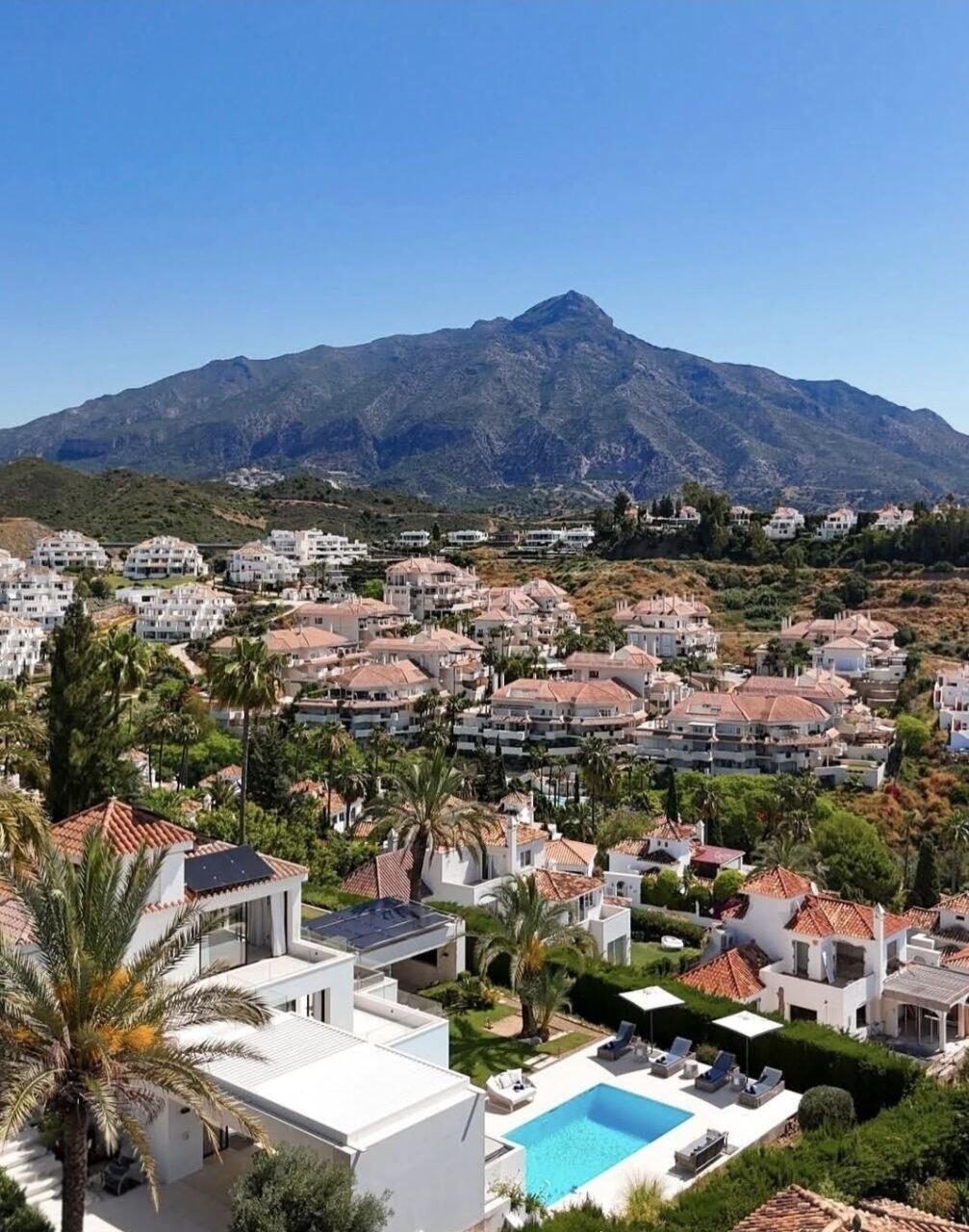
Marbella became a playground for the rich. Now it is also a gateway for Europe’s cocaine trade
(Photo: Instagram marbella.es)
Ruggero Scaturro, a senior analyst at the Global Initiative Against Transnational Organized Crime, described it as a well-established trafficking system involving experienced seafarers who are highly skilled and well paid.
The long coastline offers traffickers numerous places to unload. Another major route runs through the 645-kilometer Guadalquivir River, a maze of waterways and channels whose sparsely populated rural banks contain warehouses well suited for concealing contraband.
“We see them,” said Lisardo Capote, head of customs surveillance in the Campo de Gibraltar region. “The problem is stopping them.”
Spanish law enforcement has 36 patrol boats available in the country’s south, but fewer than 10 can match the speed of the smugglers’ vessels. Armed officers are permitted to fire only if traffickers shoot first.
A smuggling boat equipped with four 400-horsepower engines and radar used to track law enforcement can cost more than $500,000 to build, while pilots can receive about $350,000 for a single run.
Those expenses are minor compared with the value of the cargo. A three-ton cocaine shipment can generate more than $250 million in retail sales.
Spain, by comparison, has allocated less than $230 million over the past decade to its security program in the Campo de Gibraltar region, launched to dismantle criminal networks operating in southern Spain.
Record seizures, even larger flows
Spain’s growing role in the cocaine trade is reflected in its seizure figures.
The amount of cocaine confiscated in the country doubled in 2023 from the previous year to about 117 tons. In 2024, the latest available annual figure, Spain seized more cocaine than Belgium, the Netherlands and Germany combined, according to the European Union’s drugs agency. Those three countries are home to some of Europe’s largest ports.
In May, Spain’s Civil Guard seized more than 30 tons of cocaine off the Canary Islands, described in the report as the largest cocaine seizure ever recorded. The shipment had traveled from South America through Sierra Leone, where Dutch drug trafficker Jos Leijdekkers is accused of operating an international cocaine network.
Even seizures on that scale account for only a fraction of the overall trade. With so much cocaine reaching Europe successfully, traffickers can absorb the loss of individual shipments.
The profits have become so large that gangs that once fought one another are increasingly cooperating along the global supply chain and dividing the work of moving drugs into Europe.
Supply soars and wholesale prices collapse
Record cocaine production in South America has also pushed wholesale prices sharply lower.
In Spain, a kilogram of cocaine now sells for about $15,000, compared with roughly $35,000 two years ago and as much as $45,000 before the COVID-19 pandemic.
Retail prices have remained relatively stable at about $70 a gram, but the cocaine reaching consumers is reportedly purer than in the past because supply is so abundant that traffickers have less incentive or time to dilute it.
The high-speed boats have widened the smuggling pipeline and lowered transportation costs.
A European criminal group importing cocaine through shipping containers at the port of Algeciras may pay traffickers a transportation fee equal to about 21% of the cargo’s value. Moving it by speedboat can cost closer to 12%.
Spanish gangs operate many of the vessels transporting loads north through the Strait of Gibraltar. For a fee based on weight, they provide the boat, crew and temporary storage before the cocaine moves deeper into Spain and onward to the rest of Europe.
Marbella’s criminal economy
Marbella, one of Spain’s best-known resort cities, has been a center for international organized crime since the 1960s.
Under dictator Francisco Franco, criminal groups were encouraged to spend money in the city, while authorities largely turned a blind eye to property acquired with illicit wealth as long as violence remained out of sight.
Today, luxury yachts and designer stores line the marina, while long lines form outside nightclubs where DJs play house music for tourists and wealthy visitors.
That concentration of legitimate wealth is precisely what makes Marbella attractive to criminals, according to Ricardo Álvarez-Ossorio, a lawyer who represents defendants accused of drug trafficking in the region.
Wealthy tourists and businesspeople allow criminals to spend large amounts of illicit money alongside legitimate fortunes without immediately attracting attention, he told The Wall Street Journal.
Speaking during a rooftop barbecue as he ate roasted potatoes topped with beluga caviar and gold leaf, Álvarez-Ossorio said the number of cocaine-related cases he handles had increased at least fivefold in the past two years.
The Strait of Gibraltar has served for decades as a route for smuggling tobacco and hashish, he said, but nothing compares with the scale of the recent cocaine boom, which has drawn organized crime groups from other countries.
Foreign gangs have also brought more violent methods with them, including shootings involving rival groups and confrontations with authorities.
“In the past, it was impossible to imagine them shooting at police,” Álvarez-Ossorio said. Serbian or Mexican traffickers confronted by police, he added, may refuse to stop and instead “go all the way.”
Money laundering behind the luxury
Drug traffickers launder money in Marbella through real estate, nightclubs, gyms and other businesses, often concealing the true owners through shell companies registered abroad.
Some buy avocado harvests and other agricultural produce from farmers and resell the goods to supermarket chains, converting illicit money into apparently legitimate business revenue.
Gang members have also reportedly approached lottery winners and offered to buy winning tickets for the prize value plus tens of thousands of dollars in cash. The criminals can then deposit the official lottery winnings into bank accounts as legitimate income.
The underground economy has become so deeply embedded that people familiar with the region say Marbella’s economy would suffer severely if illicit money disappeared overnight.
The profits from cocaine trafficking also spread well beyond the resort itself.
Criminal groups have long recruited young people from La Línea de la Concepción, a coastal city of about 65,000 residents roughly 70 kilometers from Marbella. It is one of Spain’s poorest cities, with unemployment of around 30%.
Smugglers can offer thousands of euros for an afternoon spent carrying drug shipments or standing guard.
They also provide what has been described as “narco welfare,” distributing money and gifts in a model associated with cartel bosses in Colombia and Mexico, generosity intended to purchase loyalty and silence.
Locals say Marbella is where many of the major drug traffickers live, while La Línea supplies the “prisoners,” the lower-level recruits who face the greatest risk of arrest.
Behind the yachts, designer shops and crowded nightclubs, the cocaine boom has created an economy in which the rewards available to traffickers vastly exceed the resources authorities have deployed to stop them.