

The deaths of two infants at an unlicensed daycare in Jerusalem have renewed scrutiny of Israel’s largely unmonitored childcare sector, where tens of thousands of toddlers are believed to be cared for in facilities operating outside state oversight.
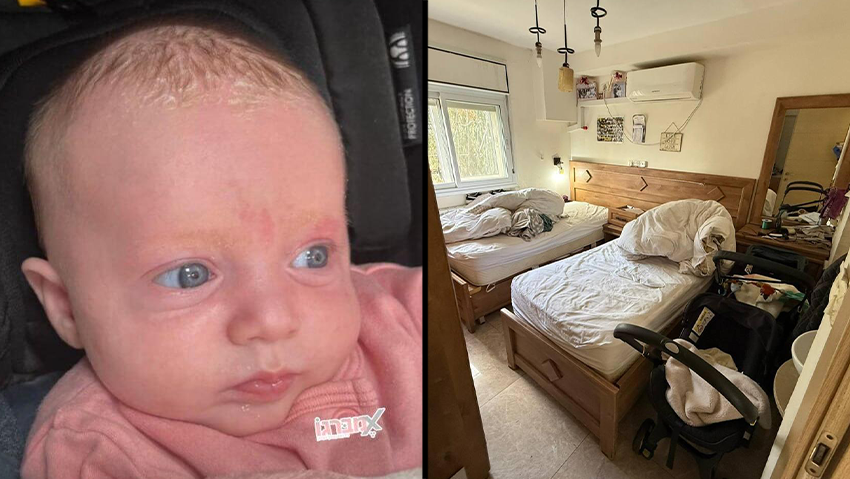
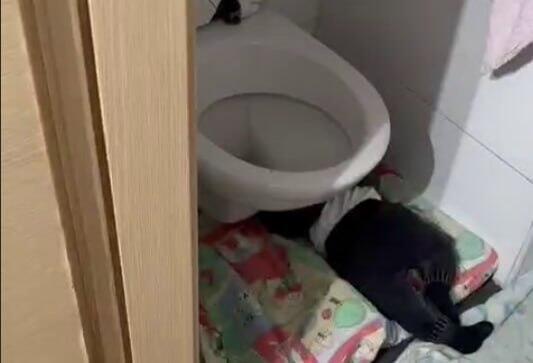
Six-month-old Aaron “Ari” Katz and 3-month-old Leah Golubenchik died Monday at a private daycare that was operating without a license in Jerusalem. The incident has raised questions about the scope and enforcement of regulations governing early childhood care.
About 540,000 children in Israel are between birth and age 3. Roughly half are enrolled in frameworks subject to some form of supervision, according to official estimates. There is no organized data on the remaining children, many of whom stay at home or attend small private facilities caring for up to seven children, which are exempt from the Supervision of Daycare Centers Law.
Professionals in the field estimate that about 114,000 toddlers are currently in childcare settings that operate illegally and without oversight.
Until 2021, Israel had virtually no regulation of early childhood frameworks outside state-subsidized daycares run by organizations such as WIZO and Naamat. A supervision law that came into force that year expanded reporting and oversight requirements to private facilities caring for seven children or more. Responsibility for enforcement was transferred to the Education Ministry in 2022.
While the move improved oversight for facilities that registered and complied with the law, enforcement resources have steadily declined. According to an analysis by the Berl Katznelson Foundation, funding allocated for implementing daycare supervision regulations is set to drop to 46 million shekels in 2026, down from about 190 million shekels in 2023.
In what critics described as a troubling coincidence, the latest budget proposal submitted to the government this week includes an additional cut to funding for daycare supervision.
Education Ministry data show that since August, inspectors have identified 470 unlicensed daycares and nurseries operating illegally across the country. Of those, 70 have been shut down, and 20 others are under active closure orders being enforced in coordination with police.
Thirty facilities have completed the licensing process and were approved to operate legally. Another 80 are under warning procedures, including 10 that have already been fined up to 25,000 shekels and ordered to complete licensing immediately. The remaining 270 facilities are still under investigation.
Education Minister Yoav Kisch instructed the ministry’s director general following the Jerusalem tragedy to establish an interagency task force, in cooperation with police, local authorities and prosecutors, to develop a nationwide plan to identify, enforce and shut down illegal private childcare frameworks while strengthening oversight mechanisms.
As of the 2025–26 school year, Israel has 4,988 licensed daycare frameworks, including 2,081 recognized institutions and 2,907 private facilities. An additional 226 facilities are currently in the licensing process.
By region, licensed daycares include 382 recognized and 242 private facilities in the Jerusalem district, 268 recognized and 785 private in the Tel Aviv district, 333 recognized and 750 private in central Israel, 502 recognized and 360 private in the north, 417 recognized and 320 private in the south, and 179 recognized and 450 private in the Haifa district.
Education Ministry officials estimate that between 1,000 and 1,500 illegal daycare facilities are operating nationwide, many opening and closing discreetly in private homes.
The national and regional supervision system currently includes 59 inspectors and 13 advisers, along with three dedicated enforcement positions, six safety inspectors and two roles responsible for camera oversight.
The Education Ministry said it will continue working with relevant authorities to strengthen enforcement and ensure childcare frameworks meet legal standards. Regarding the Jerusalem daycare, the ministry stressed that it was a private facility operating without a license and said the circumstances of the case are still under investigation.