

More than 400 people, most of them minors, were detained in France over the past day and dozens more were injured in a wave of student protests over teacher shortages, deteriorating school buildings and overcrowded classrooms.
The demonstrations, which have included blockades at school entrances, began last week and on Tuesday merged with a broader public-sector strike. They have become a focus of political tension in France at a sensitive time: A presidential election is due next year, and the government is set to present its 2027 state budget Thursday, which is expected to include spending cuts aimed at easing pressure on public finances.
Gallery
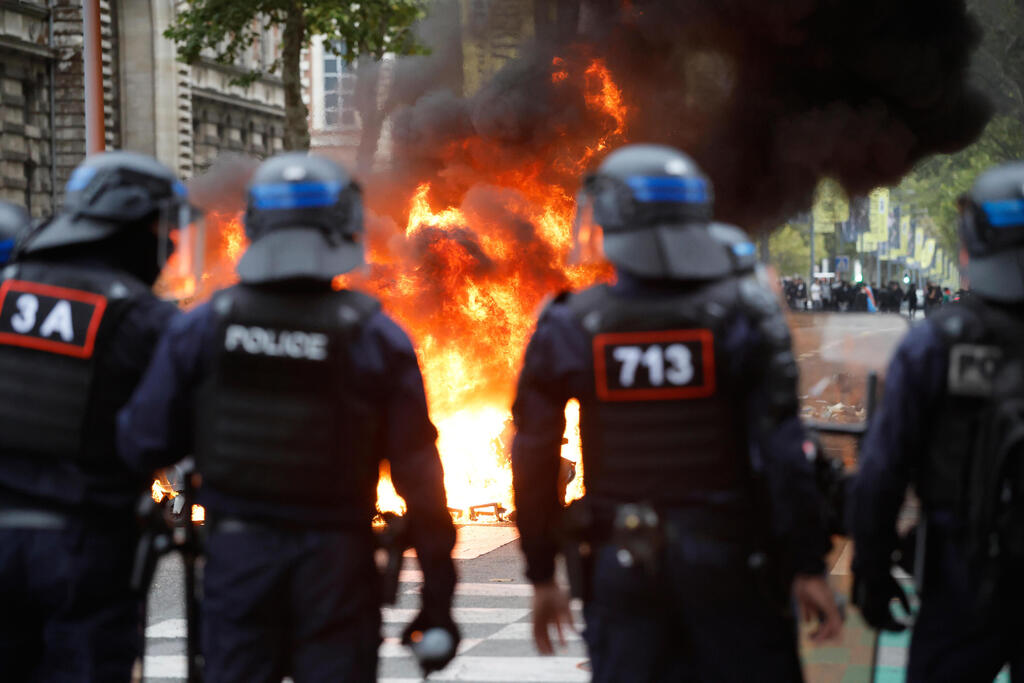
Police stand near a fire set by students in Lille on Wednesday; strikes and disruptions were reported at about 400 schools
(Photo: AP Photo/Jean-Francois Badias)
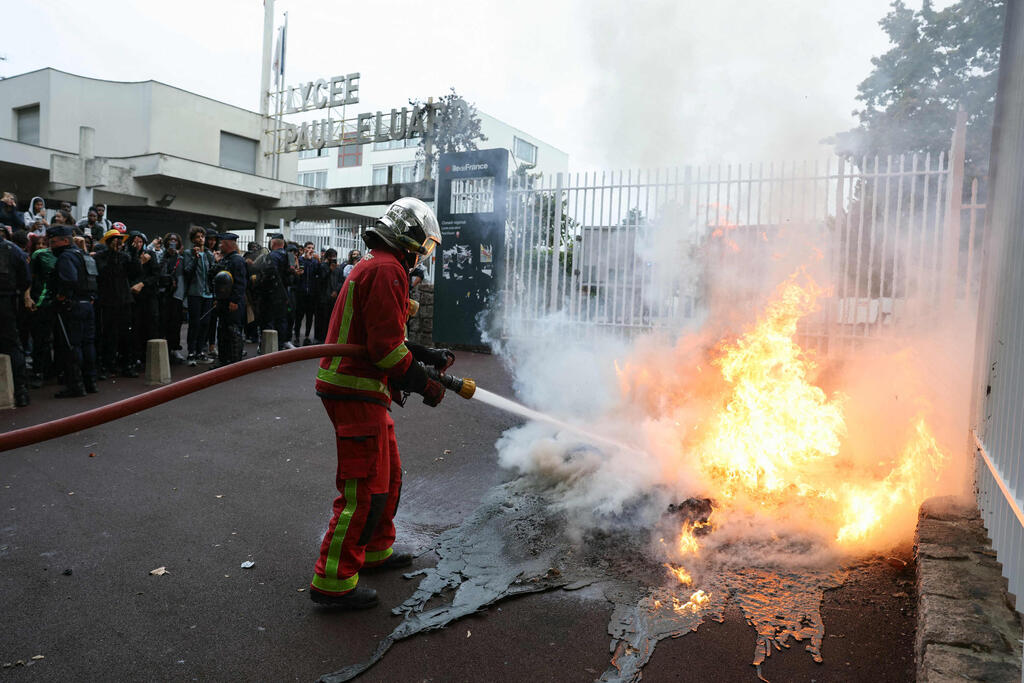
A firefighter extinguishes a burning trash bin Wednesday morning at the entrance to a school in Saint-Denis, a Paris suburb
(Photo: Thomas SAMSON / AFP)
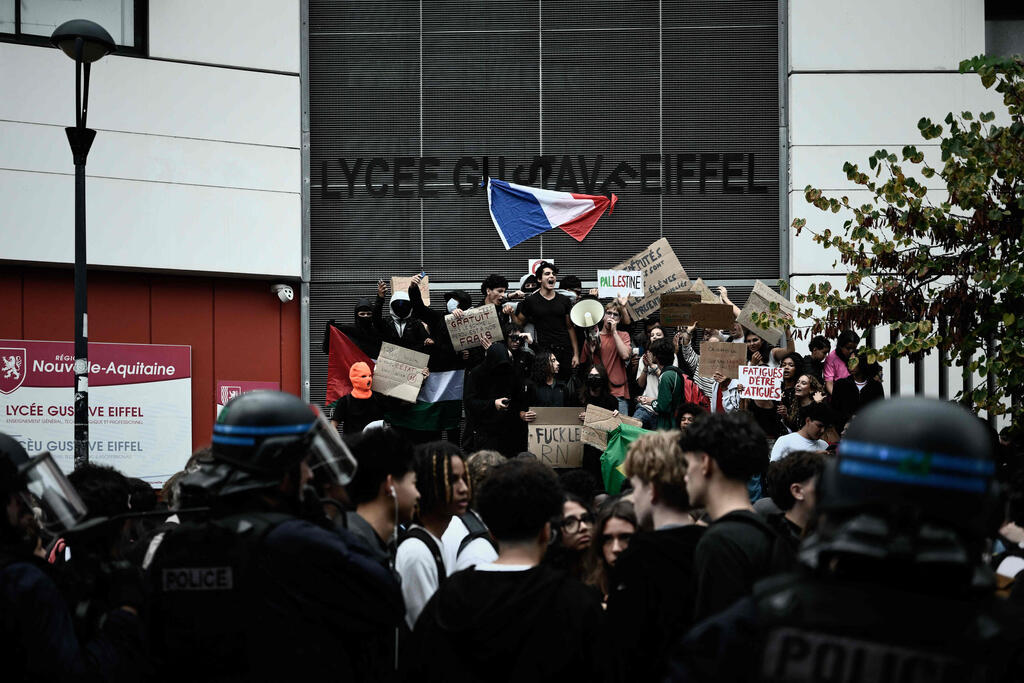
Police face students blocking the entrance to a school in Bordeaux on Wednesday
(Photo: Philippe LOPEZ / AFP)
Scenes of violence emerged Wednesday from several locations across France. In Saint-Denis, a large suburb north of Paris, students stood outside their school gates near a fire that had been set as police looked on, while images from Lyon and Lille showed protesters throwing objects at officers.
"There are cockroaches and rats everywhere in the school," Fadila, a 17-year-old student, told Reuters. She said classroom temperatures swing between unbearable heat and freezing cold, depending on the weather. “We can't work in those conditions,” she said.
Gamze, a 17-year-old student from Saint-Denis, said students in the suburb, historically home to a working-class population, were treated unfairly compared with pupils elsewhere.
“It's always us ... who are suffering when, in Paris or in the countryside, they're not in such a situation,” she said.
French Education Minister Édouard Geffray told RTL radio that 76 people have been injured since the protests began, including students and staff members.
Interior Minister Laurent Nuñez told BFM that about 440 people were detained or arrested Tuesday alone in connection with the high school protests, most of them minors. Nuñez said there were seven incidents in which protesters threw hydrochloric acid at police officers.
Organizers of the student protests said disruptions or shutdowns were reported at about 400 of France’s roughly 3,700 high schools.
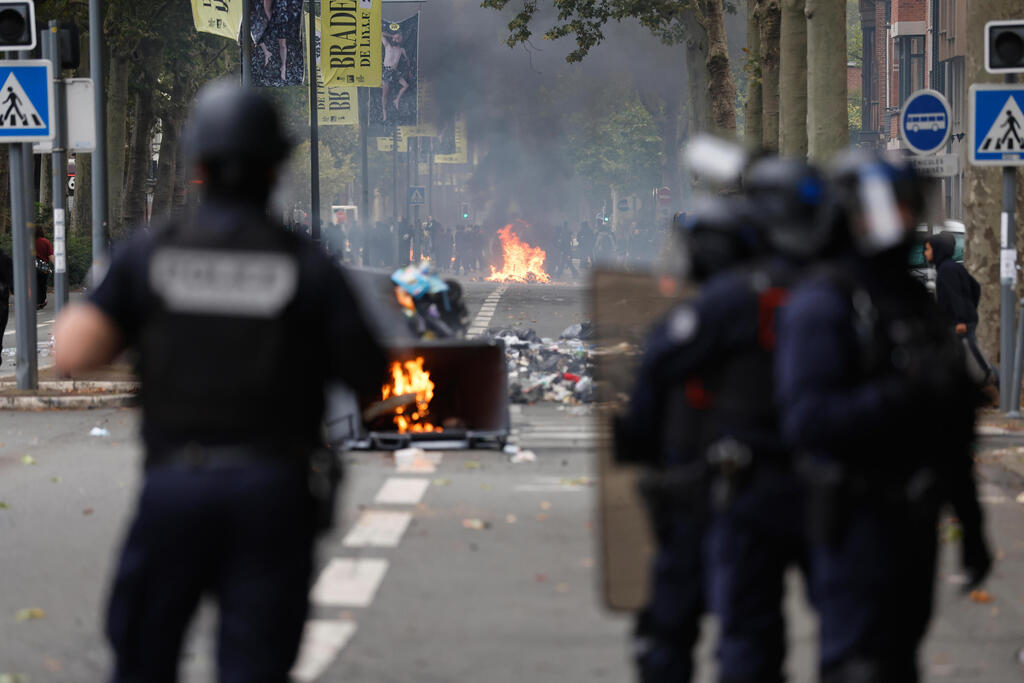
Fire and tear gas on the streets of Lille, France, Wednesday morning
(Photo: AP Photo/Jean-Francois Badias)
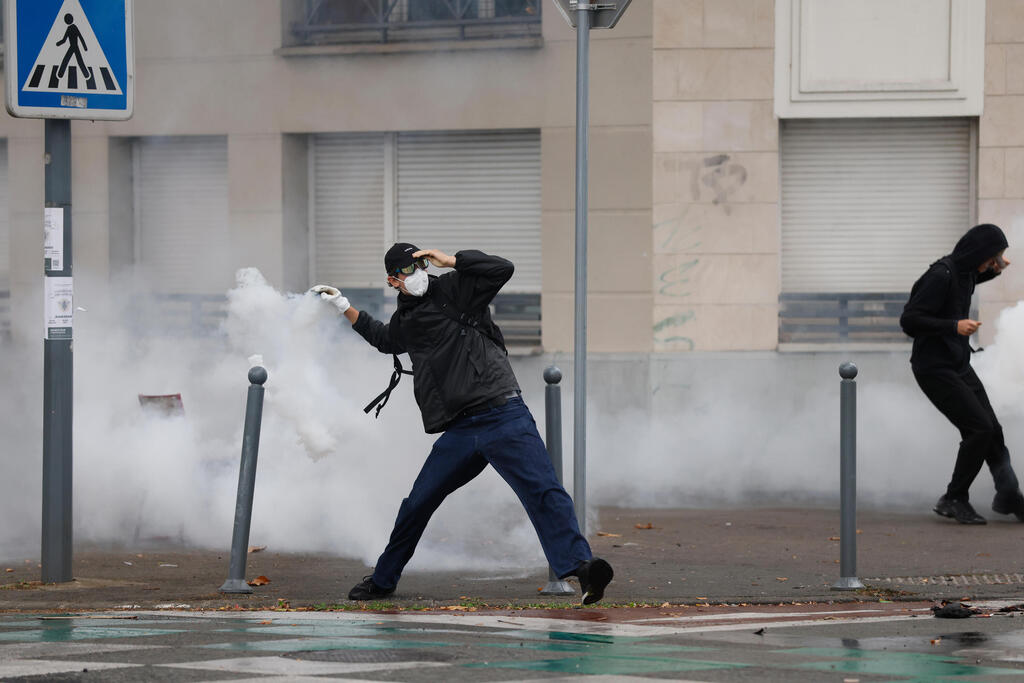
A gas canister is thrown toward police in Lille on Wednesday
(Photo: AP Photo/Jean-Francois Badias)
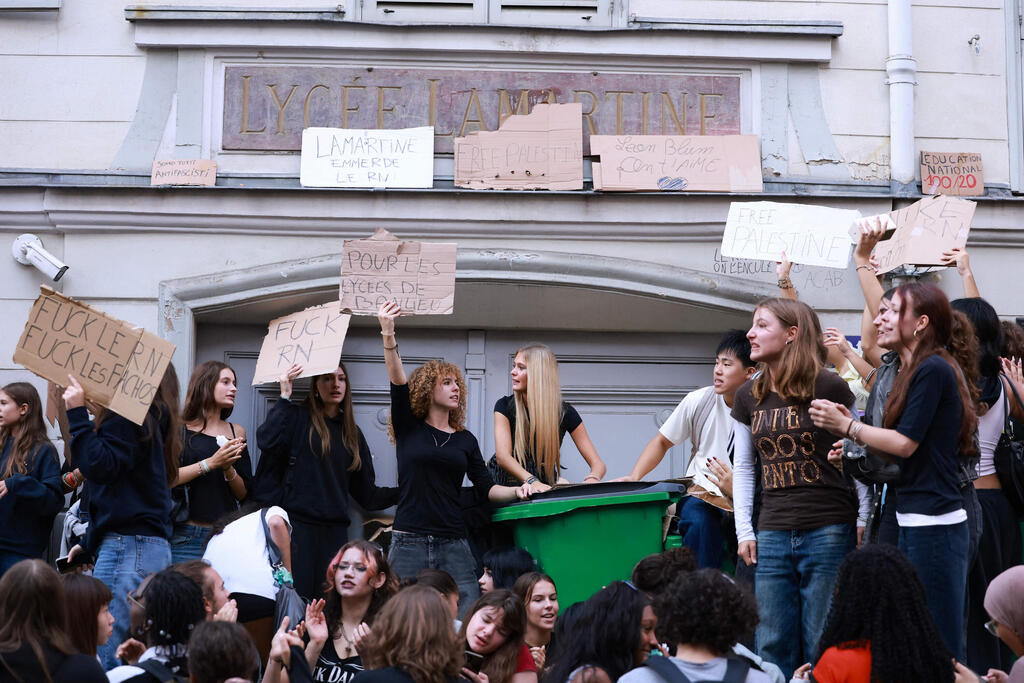
Students block the entrance to a high school in Paris on Tuesday
(Photo: Kenzo TRIBOUILLARD / AFP)
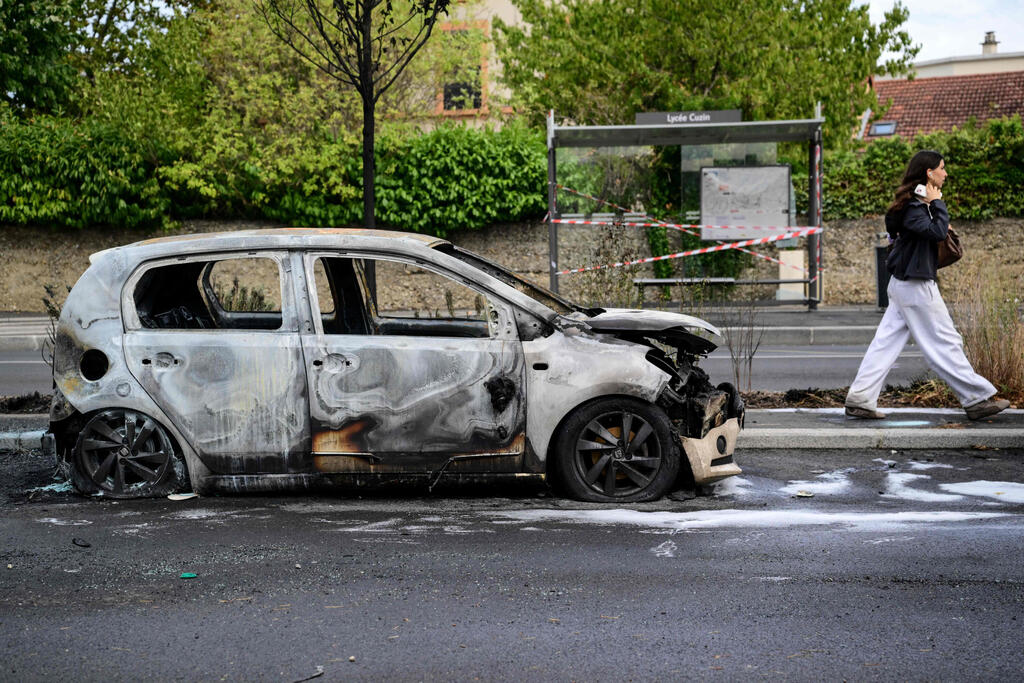
A vehicle burned during unrest in Lyon
(Photo: OLIVIER CHASSIGNOLE / AFP)
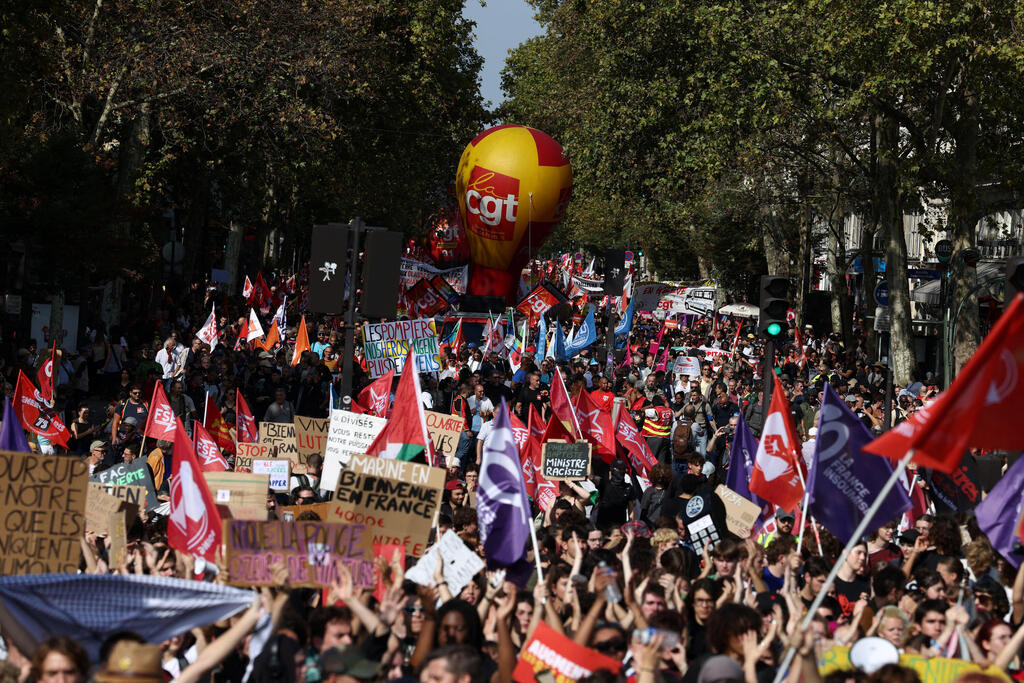
Public-sector workers protest in Paris on Tuesday
(Photo: REUTERS/Tom Nicholson)
Access roads and entrances to high schools across the country were blocked as part of the protests, with open support from France Unbowed, or LFI, the far-left party led by Jean-Luc Mélenchon.
Polls have shown Mélenchon reaching the decisive second round of next year’s presidential election, where he is expected to face far-right leader Marine Le Pen.
Officials and politicians have condemned Mélenchon’s party, arguing that rhetoric from its members, some of whom joined the demonstrations, has inflamed students’ anger and contributed to the unrest.
Bally Bagayoko, an LFI mayor who was quoted as saying violence can sometimes be legitimate, said his comments had been taken out of context.
Valérie Pécresse, the conservative president of the Île-de-France region and a member of The Republicans, accused LFI of acting “like firefighters who are themselves the arsonists.”
The government condemned violence that broke out during some of the demonstrations but said the problems facing high schools must be recognized and addressed.
In a statement Wednesday, President Emmanuel Macron said anger did not justify violence and that political leaders must not give it legitimacy.
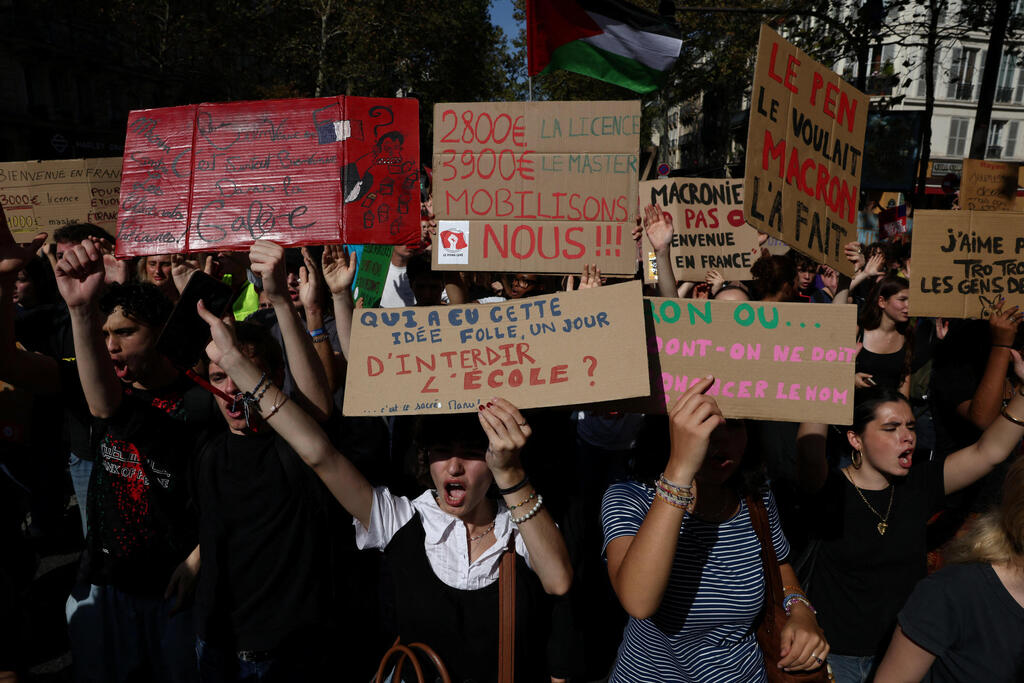
Students protest in Paris
(Photo: REUTERS/Tom Nicholson)
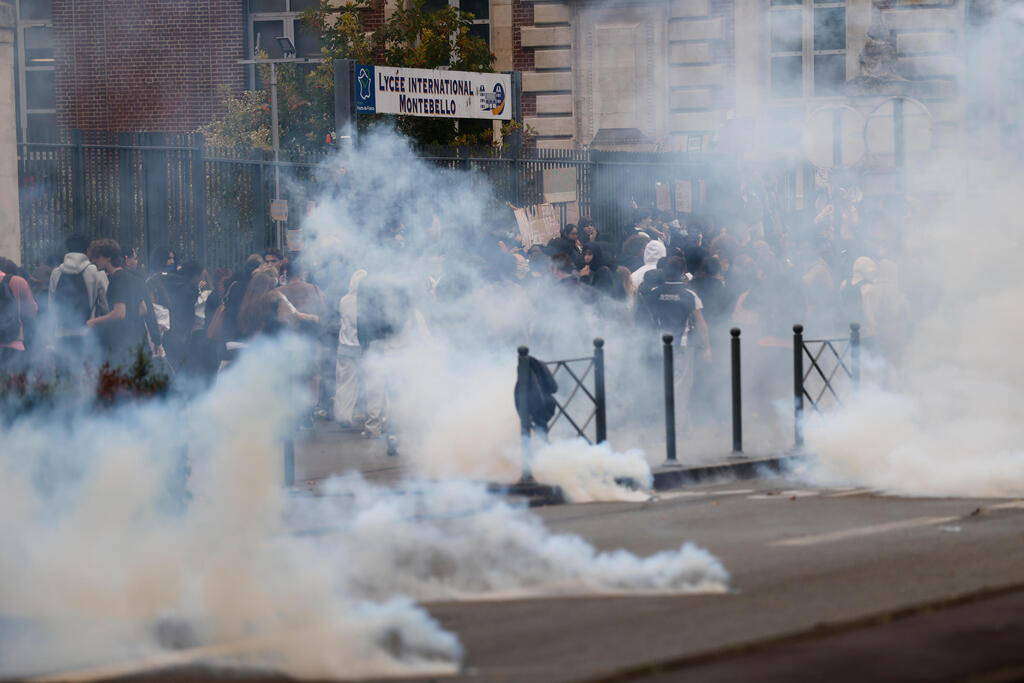
Tear gas at the entrance to a school in Lille on Wednesday morning
(Photo: AP Photo/Jean-Francois Badias)
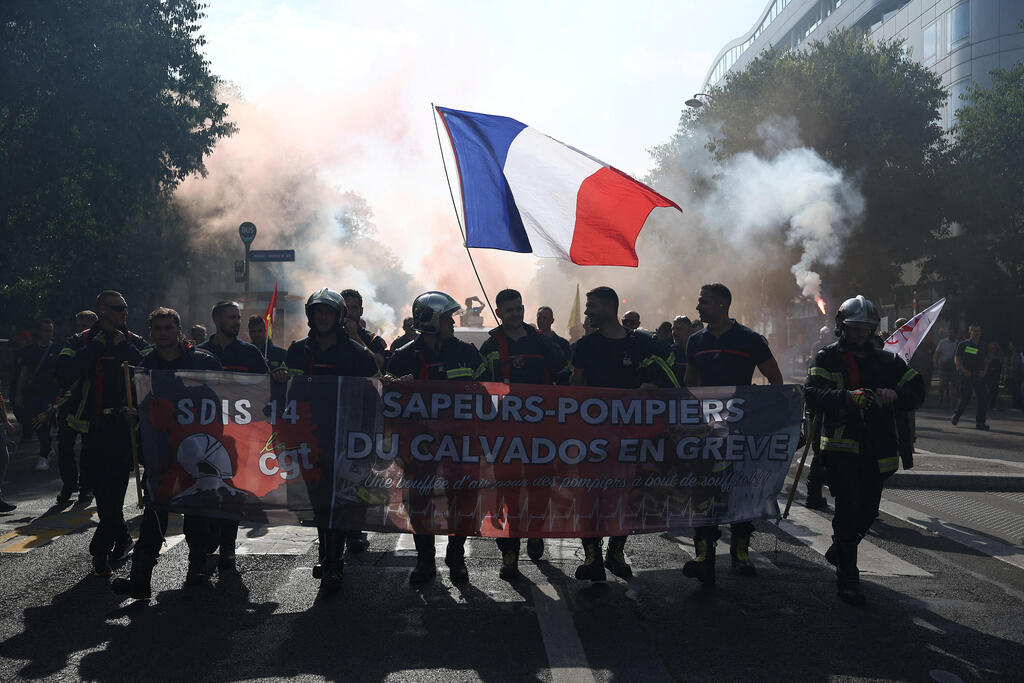
Firefighters march in a separate protest in Paris on Tuesday
(Photo: REUTERS/Abdul Saboor)
The student protests have also become part of a broader wave of public-sector unrest, which included a strike Tuesday involving nearly 10% of state employees.
“Raise wages!” “Freeze prices” and “From hospitals to nonprofits — the same attacks, the same struggles!” read signs carried by demonstrators marching in Paris.
Laurence Roubière, an elementary school teacher marching in Marseille, said frustration had reached a breaking point as she called for more resources and urged the government to stop directing funds toward the war budget.
In Nantes, in western France, demonstrators carried signs reading “Fed up with low pay” and “France is burning, and your firefighters with it.”
In Paris, thousands of firefighters marched in a separate procession after being stretched to their limits during historic wildfires over the summer.
Since 2017, France’s public-sector salary index has been increased only twice: by 3.5% in 2022 and 1.5% in 2023, for a cumulative rise of just over 5%.
Over the same period, cumulative inflation since 2017 is projected to reach 24.17% by the end of 2026.
Calls for higher teacher salaries and increased education funding come as France ranks third in public debt among eurozone countries, behind only Greece and Italy.