

The party leading Morocco’s outgoing government suffered a sharp defeat in parliamentary elections, while an Islamist party that campaigned against the country’s ties with Israel staged a significant comeback, according to near-final results released Thursday.
The Authenticity and Modernity Party, known by its French acronym PAM, emerged as the largest party, winning 97 of the 395 seats in Morocco’s House of Representatives, according to preliminary official results announced by the Interior Ministry. The National Rally of Independents, or RNI, which led the outgoing government, fell to second place with 66 seats, while the conservative Istiqlal Party won 65.
Gallery
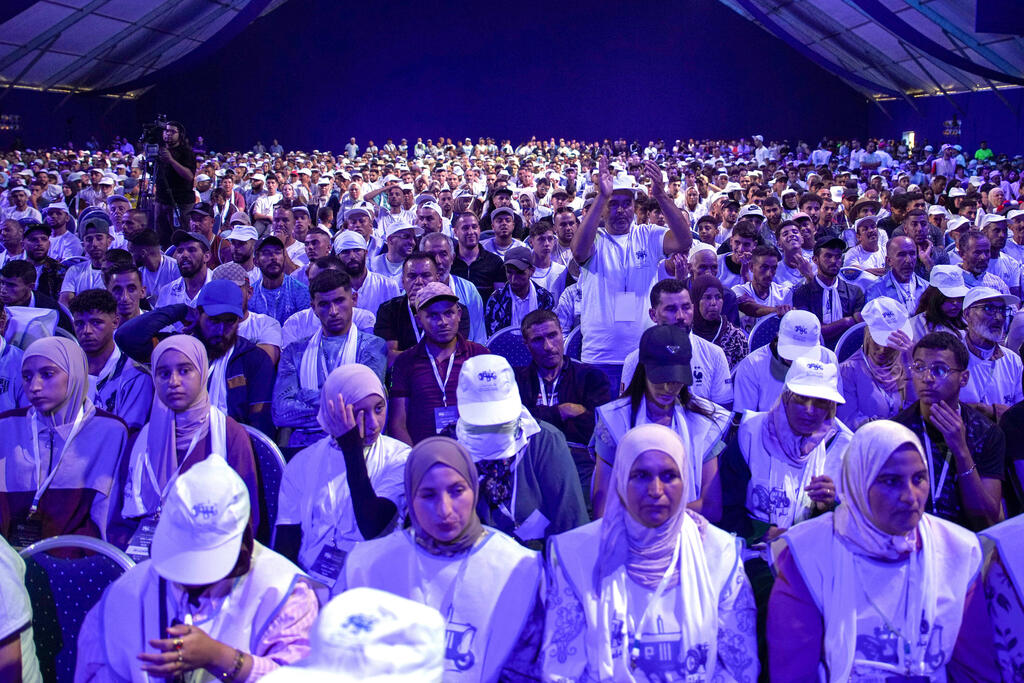
An election rally of the Islamist PJD party in Tangier, September 16
(Photo: AP Photo/Mosa'ab Elshamy)
The Justice and Development Party, or PJD, an Islamist party that led Morocco’s government before suffering a crushing defeat in 2021, rebounded from just 13 seats five years ago to 54, making it the fourth-largest party in parliament.
The results represented a significant reshuffling of Moroccan politics but are unlikely to fundamentally alter the balance of power in the North African kingdom, where King Mohammed VI retains broad authority, particularly over foreign affairs, security and major strategic decisions.
Morocco is a constitutional monarchy of about 39 million people. Under the constitution adopted in 2011 following Arab Spring protests, the king must appoint the head of government from the party that finishes first in parliamentary elections. PAM will therefore provide the next prime minister, though Mohammed is not required to select the party’s leader. The new prime minister must then assemble a governing coalition.
PAM’s 97 seats fall far short of the 198 needed for a majority. The three parties in the outgoing coalition — PAM, RNI and Istiqlal — would together hold 228 seats, enough to continue governing together, though tensions between PAM and RNI emerged during the campaign and the makeup of the next coalition remains uncertain.
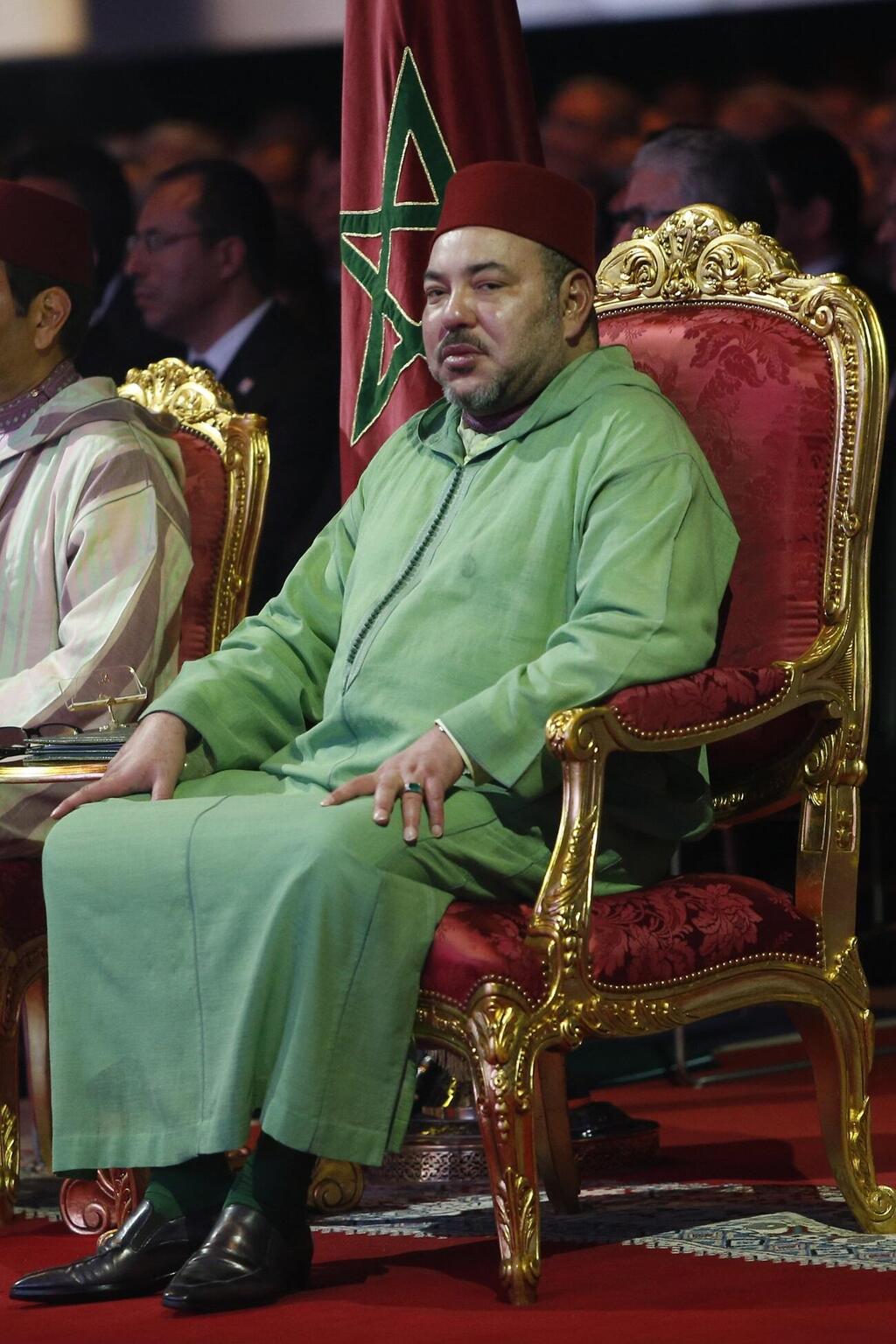
King Mohammed VI
(Photo: AP)
The government that emerges will oversee Morocco’s day-to-day administration for the next five years and preside over major infrastructure development ahead of the 2030 FIFA World Cup, which Morocco will co-host with Spain and Portugal. The scale of the projects has led some Moroccans to dub the next administration the “World Cup government.”
The king’s powers mean the government has considerably less latitude in foreign and security policy. Cabinet ministers selected by the prime minister also require royal approval, while Mohammed presides over a separate Council of Ministers responsible for major strategic decisions
Who will become prime minister?
It was not immediately clear whom the king would appoint to lead the next government.
Among the names discussed during the campaign was Fouzi Lekjaa, president of the Royal Moroccan Football Federation and a prominent government official who recently joined PAM. Lekjaa’s public profile rose further after Morocco’s historic performance at the 2022 World Cup, where its national team became the first from Africa and the Arab world to reach the semifinals.
Another possible candidate is Fatima-Zahra El Mansouri, 50, the mayor of Marrakech, outgoing housing and urban planning minister and a senior figure in PAM’s collective leadership. If chosen by the king, she would become Morocco’s first female prime minister.
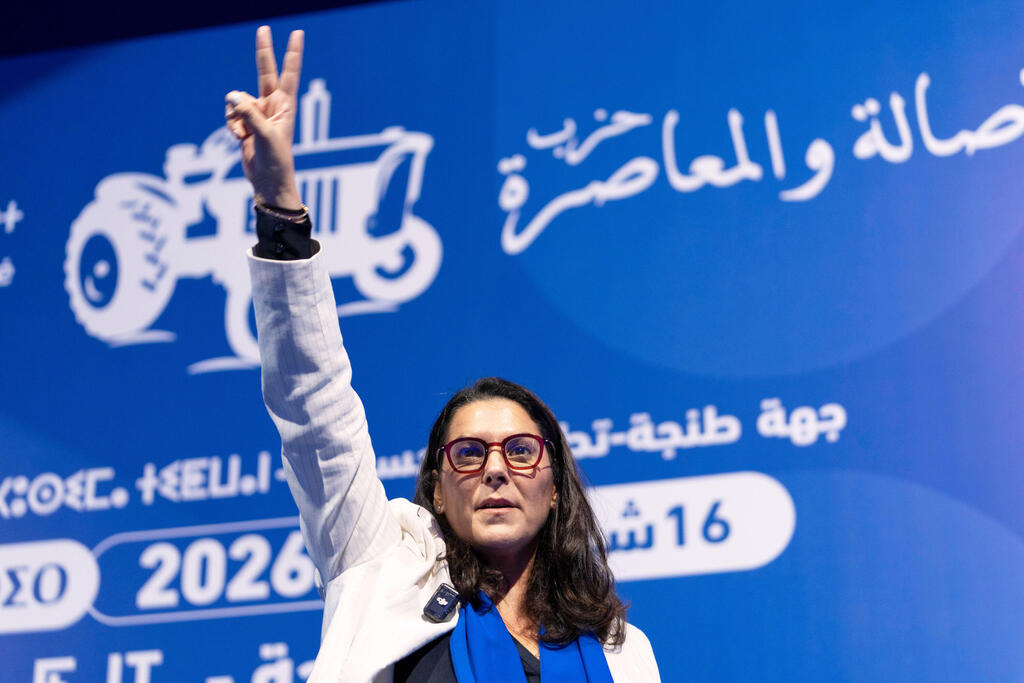
Fatima-Zahra El Mansouri
(Photo: AP Photo/Mosa'ab Elshamy)
El Mansouri was recently pressed on her position toward Israel after a political opponent accused her of supporting it.
“Our party’s positions regarding the Palestinian issue are clear and well known, and they are reflected in the party’s statements and declarations — documents that can be consulted,” she said.
“They are explicit and leave no room for distortion,” she added. “My party and I serve our homeland, and our homeland alone, alongside its fundamental principles and state institutions. That is our only and greatest honor.”
Islamist comeback raises questions over Israel ties
The election’s implications for Morocco’s relationship with Israel remain unclear.
Morocco normalized relations with Israel in 2020 as part of the U.S.-brokered Abraham Accords. The relationship has been strained by the Gaza war and repeated large demonstrations in Morocco opposing Israel, even as official diplomatic ties have continued.
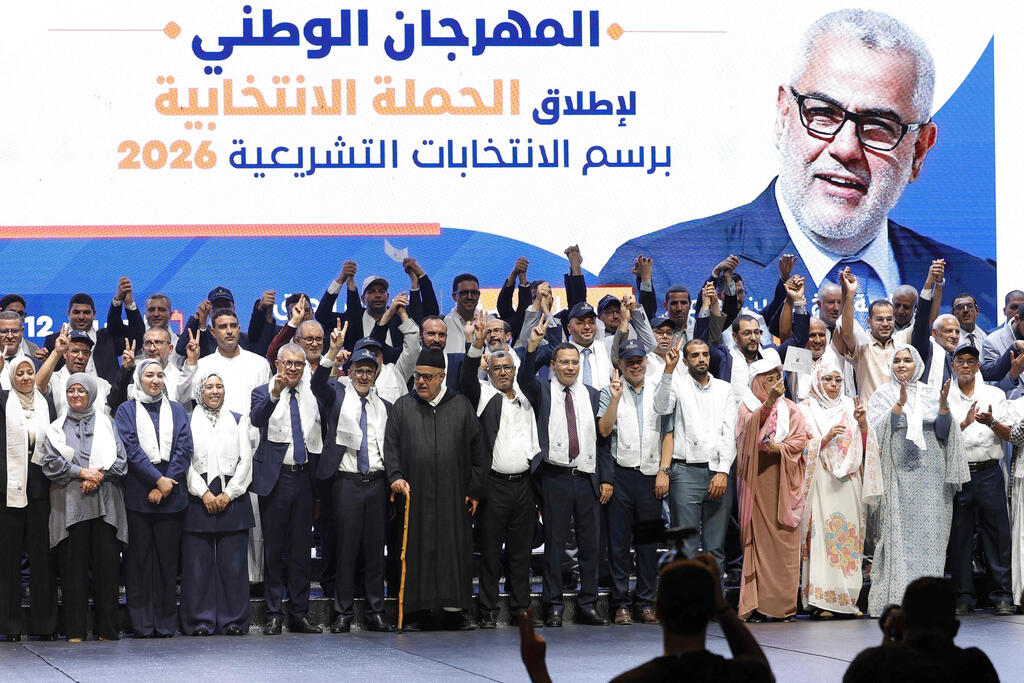
An election rally of the Islamist PJD party in Rabat, September 12
(Photo: AP Photo/Mosa'ab Elshamy)
The PJD’s resurgence could add domestic political pressure over those ties, though foreign policy ultimately remains largely under the authority of the king and it is not yet clear whether the Islamist party will join the next government.
The PJD is led by former Prime Minister Abdelilah Benkirane. His party headed the Moroccan government when relations with Israel were normalized in 2020, though Benkirane said during this year’s campaign that the party’s role in that decision had been a “mistake.”
At a campaign rally in Marrakech, Benkirane warned of what he called “the dangers of Israel and Zionism in Morocco” and urged supporters to make their opposition heard.
“If we work hard, the king will close the Israeli Embassy,” Benkirane said. “The king does not like to act against his people.”
The PJD’s result marks a dramatic reversal from 2021, when the party collapsed from 125 seats to 13. It remains well below its previous peak but has again become one of Morocco’s four largest parliamentary forces.
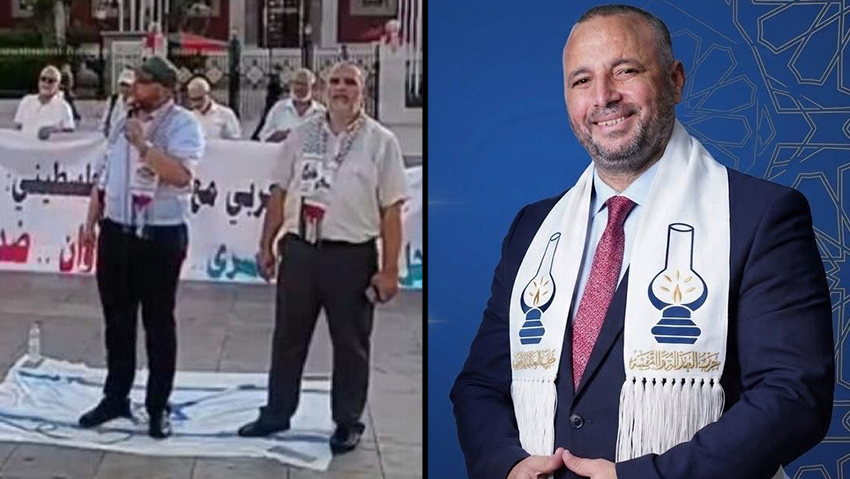
Aziz Hanaoui seen trampling an Israeli flag
Among the PJD figures elected to the new parliament is Aziz Hanaoui, a prominent opponent of normalization with Israel.
Hanaoui serves as secretary-general of the National Action Group for Palestine and the Moroccan Observatory Against Normalization. About a month before the election, he helped organize a demonstration against a visit to Morocco by Transportation Minister Miri Regev. Protesters carried Moroccan and Palestinian flags and signs condemning Regev.
A complaint was also filed with Moroccan prosecutors several months ago accusing Hanaoui of defaming Jacky Kadosh, head of the Jewish community in the Marrakech region.
One Moroccan source, speaking to ynet on condition of anonymity, expressed alarm at Hanaoui’s election and the broader gains by politicians hostile to Israel.
Demonstration against a visit to Morocco by Transportation Minister Miri Regev


“Aziz Hanaoui, who tramples on the Israeli flag, has become a member of the Moroccan parliament,” the source said. “The faction in Morocco that supports Iran and Hamas has entered parliament. At a time when extremists should have had their presence reduced and been stopped, they were rewarded with seats in parliament.”
The source said opposition to normalization was not limited to the PJD.
“Activists who support normalization and identify with Israel are being pushed to the margins,” the source said. “On the other hand, those engaged in antisemitism and burning the Israeli flag are being rewarded, as is happening with people of this kind in the current election.”
The characterization reflects the source’s view of Morocco’s political factions and not an official assessment of the newly elected lawmakers.
A second Moroccan source, who also requested anonymity, said the results must be respected but argued that they reflected broader dissatisfaction with Morocco’s political establishment.
“Accepting the election results is a democratic obligation, but their implications warrant examination,” the source said. “The results confirmed continued voter apathy, driven by poor political practice and a lack of trust.”
The source argued that the weak performance of the governing majority, particularly the RNI, had created an opening for the PJD to return.
“This result reflects the lack of discipline and responsibility among its rivals rather than its own strength,” the source said, adding that low participation should prompt political parties to reconsider how they operate and recruit candidates.
Turnout sinks to 38%
Perhaps the clearest sign of public disillusionment was turnout.
Only about 38% of registered voters cast ballots, down from more than 50% in 2021 and the lowest level since 2007. Nearly 6 million of Morocco’s 15.8 million registered voters participated.
The reasons voters stayed home vary and cannot be determined from turnout figures alone, but the election came amid widespread concerns over unemployment, inequality, health care, education and the cost of living.
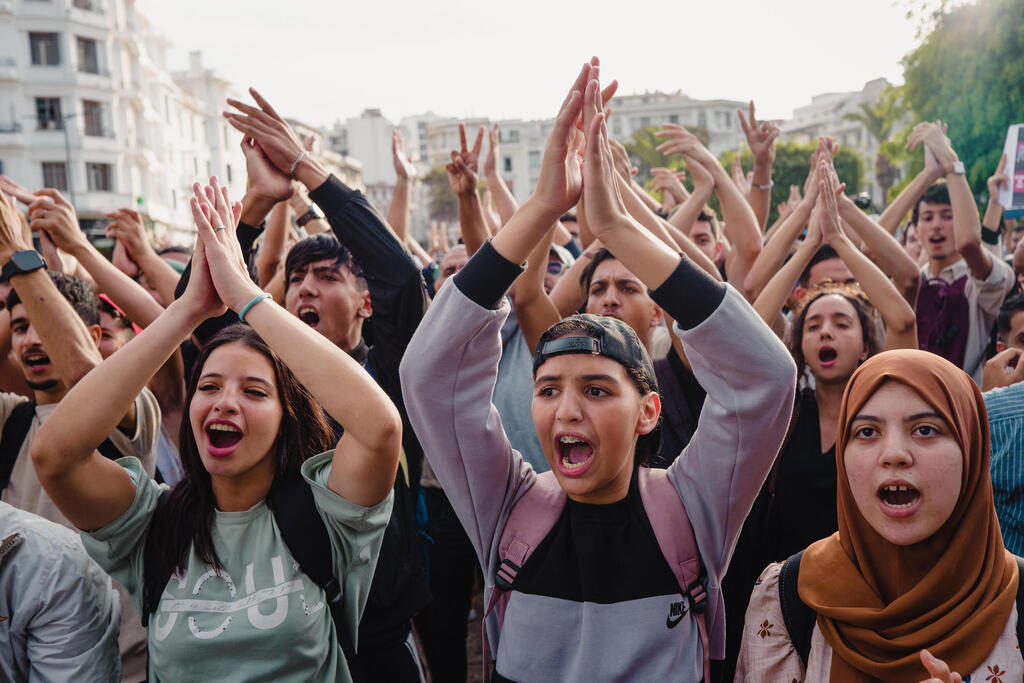
Young Moroccans protesting living conditions in the country, October 2025
(Photo: AP Photo, File)
Morocco has enjoyed economic growth, rising foreign investment and a booming tourism industry, but the benefits have been unevenly distributed. Youth unemployment reached about 37% among people ages 15 to 24 in 2025, compared with an overall unemployment rate of about 13%.
Those frustrations helped fuel unusual youth-led protests last year demanding better public services and economic opportunities. Demonstrators also targeted the government of outgoing Prime Minister Aziz Akhannouch, a billionaire businessman and RNI leader.
Economic frustration has also contributed to migration pressure, particularly among younger Moroccans seeking opportunities in Europe. The election campaign unfolded after mass attempts to reach Ceuta, the Spanish enclave on Morocco’s northern coast, further highlighting the lack of opportunities cited by many young people.