


Israeli officials are closely watching Washington as negotiations with Iran remain stalled and U.S. President Donald Trump signals that he is in no rush to return to full-scale fighting, even as he keeps economic pressure on Tehran and introduces new demands into any future talks.
In Jerusalem, the prevailing assessment is that the current situation largely serves Israel’s interests: the U.S. blockade remains in place, sanctions continue to weigh heavily on Iran’s economy and neither Washington nor Jerusalem appears eager to immediately resume the war.
Gallery
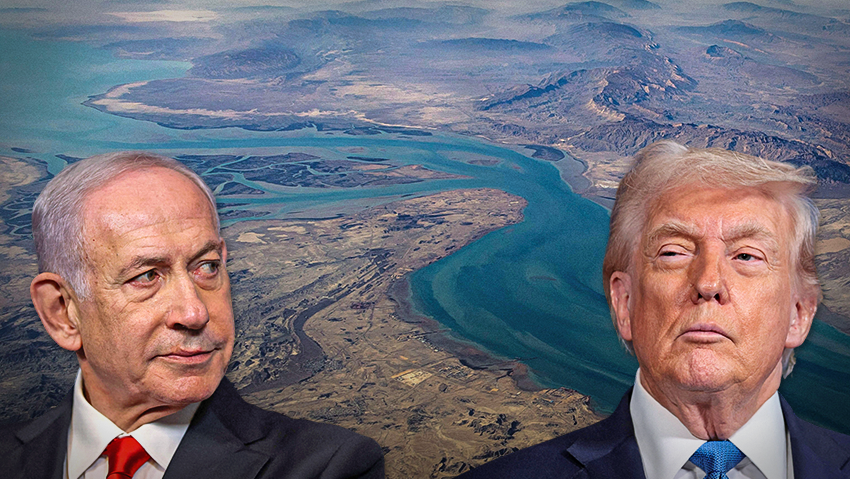
Iran talks stall as Israel backs Trump’s blockade strategy but worries he could change course
(Photo: REUTERS/Stringer, JOE RAEDLE/AFP, REUTERS/Jonathan Ernst)
But officials also acknowledge a major uncertainty.
“There is an element of concern because Trump is unpredictable and tends to change his mind,” one senior Israeli official said.
Israel has been following reports that Trump could eventually declare victory in the conflict with Iran even without a formal agreement dismantling Tehran’s nuclear program, particularly if Iran agrees to reopen the Strait of Hormuz without restrictions.
At the same time, Trump has continued to raise the pressure rhetorically. On Monday, he responded to Iranian demands for compensation over damage caused during the five-month conflict by saying Washington would make compensation demands of its own.
Trump said Iran should pay for Americans killed or seriously wounded in attacks linked to Tehran, as well as protesters killed by the Iranian regime.
He later expanded that demand, saying Iran should also bear responsibility for destruction and deaths across the region.
“Also, with respect to the Iran negotiations, Iran should be responsible for the damages and death caused to the people of Lebanon, Syria, Yemen, and Gaza!” Trump wrote in a follow-up Truth Social post.
Despite the tougher rhetoric, Israeli officials believe Trump is reluctant to resume major military action for now.
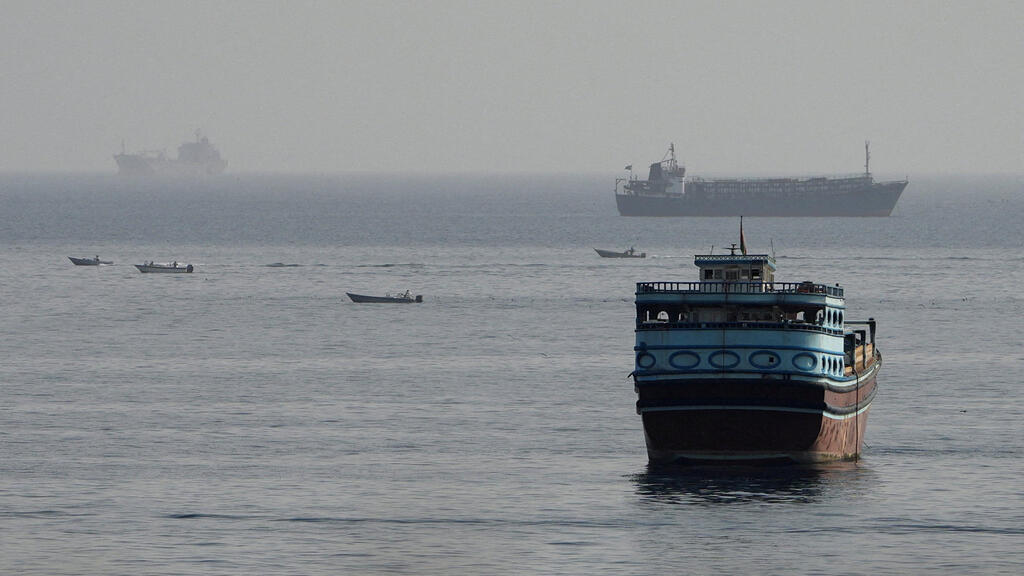
The Strait of Hormuz
(Photo: REUTERS/Stringer)
Instead, they see him returning to the strategy of economic pressure, including sanctions and the U.S. naval blockade affecting Iranian ports and oil exports.
“The current situation is the best for us,” one senior Israeli official said. “The blockade is being maintained and the economic pressure on Iran continues.”
Another Israeli official said Jerusalem and Washington do not necessarily share the same ultimate objective.
“Our goals are not the same,” the official said. “We want to bring down the regime, and what will bring it down is the economy.”
According to the official, Iran’s economic condition is already dire.
“The situation in Iran is catastrophic. Inflation is through the roof and the rial is collapsing,” he said, also pointing to political pressure surrounding President Masoud Pezeshkian and warnings of economic breakdown.
The official suggested Trump may have reached a similar conclusion about Iran’s vulnerability.
“It could be that Trump understands that everything is about the economy, and that he wants to maintain the blockade because he understands it will eventually break them,” he said.
“If Trump lifts the blockade, that would be a problem. But if he maintains the sanctions and the blockade, it suffocates them, and that is the best situation for us.”
At the same time, Israeli officials are careful not to appear to be pushing Washington toward another round of war.
“We have no interest in returning to war,” the official said. “The current situation is preferable for us.”
The working assumption in Israel is that Trump may try to preserve the current balance at least until the U.S. midterm elections in November.
Officials also believe Washington will use the pause to replenish stocks of air-defense interceptors and precision-guided munitions after heavy use during two rounds of fighting with Iran.
Until then, the assessment in Jerusalem is that Trump is unlikely to deliberately collapse the current framework, but could simultaneously prepare the military option for a possible return to intensive fighting later.
Trump himself has recently emphasized the economic pressure on Iran rather than imminent military escalation.
In an interview with Axios on Sunday, he said the United States was “lowering the profile” on Iran.
“We’re negotiating with them very partially,” Trump said. “We’re just watching what’s happening in Iran, with the tremendous inflation there and the fact that they have no money.”
He also said Iran’s economic situation was “very bad” and claimed the regime was struggling even to pay its soldiers.
Trump has argued that the U.S. naval blockade has further intensified Tehran’s financial crisis.
“It’ll work out. It always works out,” he said of the confrontation with Iran. “It’s like a chess game.”
The Wall Street Journal has also reported that Trump is showing patience toward the latest negotiating impasse, despite a series of new Iranian demands that Washington views as unacceptable.
Those demands include compensation for wartime damage, an issue Trump said had never previously been raised in negotiations.
“I see that Representatives of the Islamic Republic of Iran are asking for compensation for the damage done to them during the last five month Military Conflict,” Trump wrote on Truth Social.
“But it is an interesting idea because now I am likewise demanding compensation from Iran, for all of the people that they have killed and gravely wounded.”
Trump said he had ordered his representatives to put those demands “firmly into any, and all, future negotiations.”
For Israel, however, the immediate priority appears simpler: keep Iran economically isolated, avoid giving Tehran relief and allow internal pressure to build.
As one senior official put it, as long as the sanctions and blockade remain in place, “it is choking them, and for us that is the best situation.”