

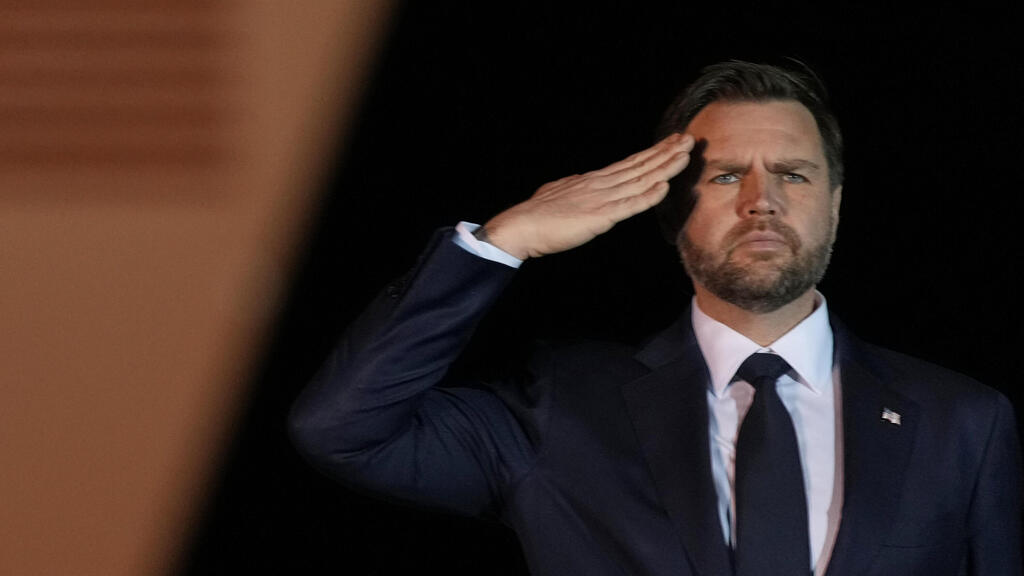
A Pakistani source said Tuesday that U.S. Vice President JD Vance, along with envoys Steve Witkoff and Jared Kushner, are expected to meet Iranian officials in Islamabad as early as this week, according to Reuters.
The source said the summit would follow a call between President Donald Trump and Pakistan’s army chief, Gen. Asim Munir.
Pakistan positions itself as mediator
Earlier, the Financial Times reported that Pakistan is seeking to position itself as a central mediator to help end the war. Pakistani officials have also passed messages between Tehran and both Witkoff and Kushner, the newspaper said.
The report noted that Pakistan — which does not host U.S. military bases — is one of the few U.S. allies in the region that was not targeted by Iran during the war. Three sources told the Financial Times that this helped Islamabad present itself as a neutral intermediary between the sides.
Israeli concerns over US stance
Israeli officials are increasingly concerned that Trump may not insist on Washington’s stated red lines in talks with Iran and could accept any outcome that allows him to declare victory.
Prime Minister Benjamin Netanyahu spoke earlier Tuesday with Vance and was briefed on the contacts between Washington and Tehran. The U.S. message to Israel, according to Israeli officials, is that Washington intends to uphold red lines largely aligned with Israel’s: removal of enriched uranium from Iran, halting its nuclear program, restoring intrusive inspections by the International Atomic Energy Agency, limiting Iran’s ballistic missile program — with a U.S. demand for a five-year freeze — and ending support for militant groups.
Trump is also insisting on reopening the Strait of Hormuz and having a role in overseeing it.
Iran, for its part, has raised demands including guarantees against attack, the closure of U.S. bases in the region and compensation for damage from strikes. Iranian officials have indicated a willingness to dilute enriched uranium stockpiles but oppose relinquishing the right to enrichment.
Israeli officials have expressed skepticism that Tehran would agree to such terms, which they view as tantamount to surrender, and question Trump’s public optimism about progress even as Iran denies any agreements.
There is also concern in Israel that Iran could use negotiations to buy time, and that Trump may ultimately accept a deal that falls short of all U.S. red lines.
After receiving indications of behind-the-scenes U.S.-Iran contacts, Netanyahu over the weekend dispatched his close adviser Ron Dermer to Washington to try to influence the emerging agreement and ensure it addresses Israel’s concerns.
Israeli officials say Trump is allowing the talks to proceed, led by Vance along with Witkoff and Kushner. A possible direct conversation between Vance and Iranian Parliament Speaker Mohammad Bagher Ghalibaf, seen as a powerful figure within the regime, is also under consideration as part of efforts to advance negotiations.
Iranian official issues warning
Senior Iranian official Mohsen Rezaee, recently reported to have been appointed military adviser to Supreme Leader Mojtaba Khamenei, responded to Trump’s threat to strike Iran’s electrical infrastructure — a threat the president has since walked back.
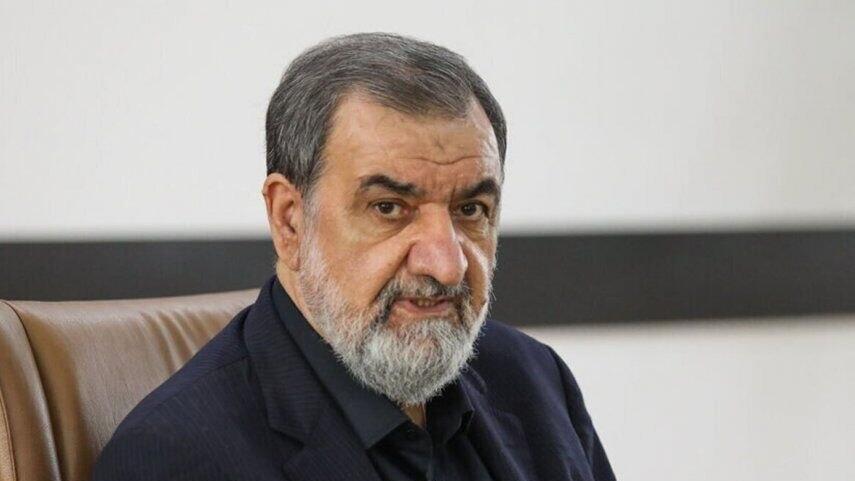
Mohsen Rezaee
“This time it will not be an eye for an eye, but a head for an eye, and you will leave the Gulf,” Rezaee said. “The war will continue until we receive compensation for all our losses, all economic sanctions are lifted, and we receive international legal guarantees that Washington will not interfere in our affairs.”
Against the backdrop of contacts that Trump has said are already underway between Washington and Tehran, Rezaee also claimed that “a deep rift between the United States and Israel will emerge soon.”