

President Donald Trump has again raised the possibility of a major new military escalation against Iran while keeping the door open to negotiations, but Tehran is responding with demands of its own. Iranian security chief Mohsen Rezaei said Saturday that Qatar had conveyed Tehran’s conditions to Washington and that Iran was awaiting Trump’s response, while warning that the country’s nuclear doctrine could eventually change.
Trump told Axios on Thursday that he was approaching a major decision over whether to restart large-scale attacks against Iran, asking whether he wanted to “go in and annihilate” the Iranian regime. At the same time, he has publicly said he remains open to diplomacy and has claimed Iran wants a deal. Tehran has disputed that negotiations have resumed and has insisted there will be no talks until its conditions are met.
Gallery
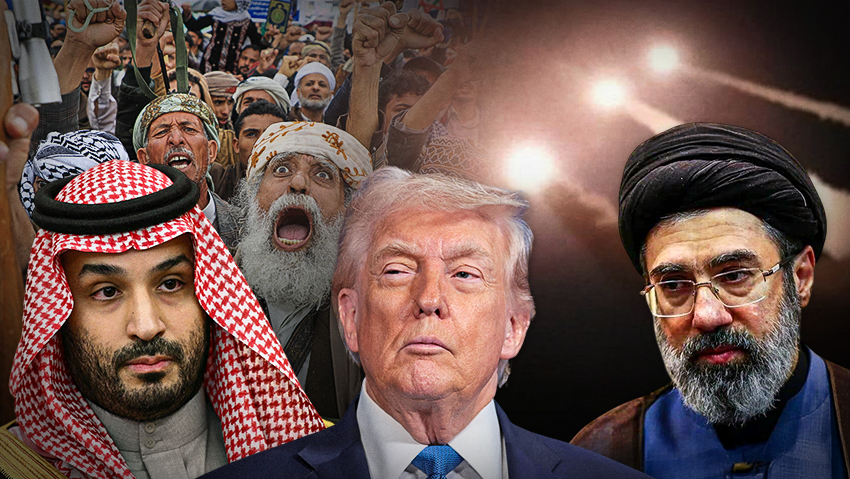
Trump, Iranian leader Mojtaba Khamenei and Saudi Crown Prince Mohammed bin Salman
(Photo: Brendan SMIALOWSKI/AFP, AP, Jonathan Ernst/REUTERS)
Rezaei, secretary of Iran’s Supreme National Security Council, told Al Jazeera that Tehran remained in contact with mediators in Qatar and Pakistan. He said the three conditions publicly presented for ending the war were an end to fighting “on all fronts,” the release of frozen Iranian assets and an end to the U.S. naval blockade. Reuters independently reported the same three demands.
Iranian reports have referred more broadly to seven conditions communicated to Washington through intermediaries, particularly in connection with reopening the Strait of Hormuz. The complete official list has not been publicly released, though earlier Iranian statements have also demanded sanctions relief and an end to U.S. military pressure.
Rezaei argued that Washington would ultimately have to accept Tehran’s position and said Iran was prepared for what he called a “decisive war.” He also claimed Iran had identified vulnerabilities in the U.S. military and had recently tested an anti-ship missile near an American aircraft carrier. Those claims have not been independently verified.
Rezaei also sharpened Tehran’s nuclear warnings, saying U.S. and Israeli actions could provide grounds for Iran to withdraw from the Nuclear Non-Proliferation Treaty. He said no decision had yet been taken and that Tehran’s next steps would depend on Washington’s conduct.
Iran, he said, remained committed to the religious ruling issued by Ali Khamenei prohibiting nuclear weapons and had not changed its declared nuclear doctrine. But he added that Tehran could not say what would happen in the future, leaving open the possibility of a later shift.
The warning comes amid a renewed confrontation between Tehran and the International Atomic Energy Agency. The IAEA’s Board of Governors this month referred Iran’s nuclear noncompliance to the UN Security Council, saying the agency still lacked access to key sites and information about nuclear material following the attacks on Iranian facilities. Tehran has blamed the U.S. and Israel for creating the situation and continues to say its nuclear program is not intended to produce weapons.
The nuclear and diplomatic standoff is unfolding alongside a major escalation in Yemen, where the Iran-backed Houthis have made rapid gains against forces aligned with the internationally recognized Yemeni government and supported by Saudi Arabia.
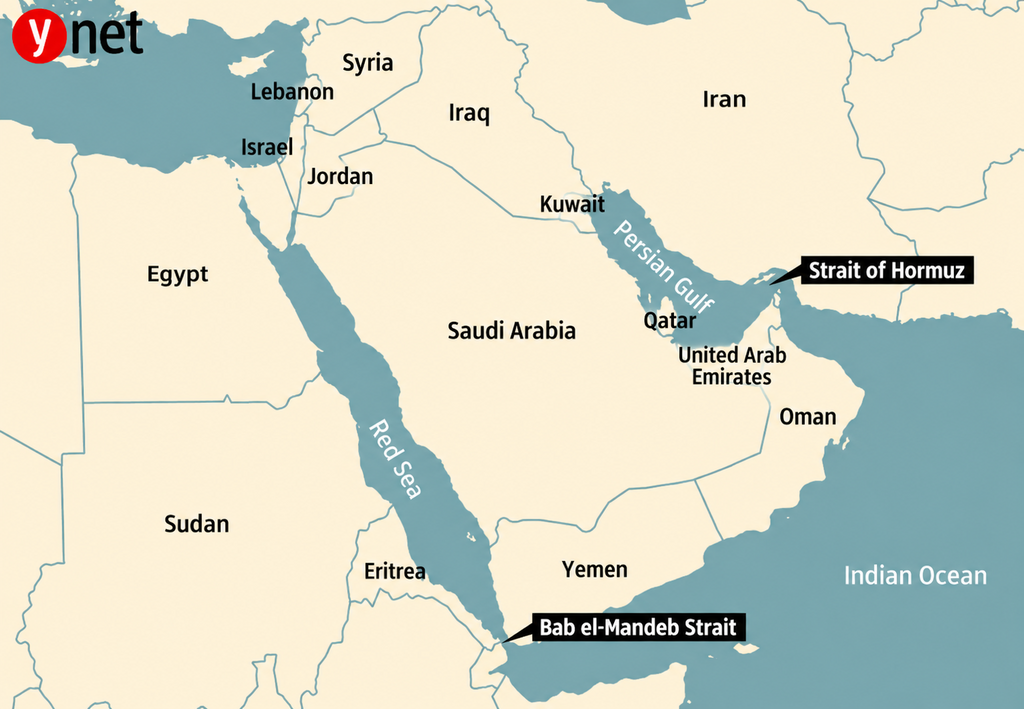
The Houthis have seized strategic positions along Yemen’s Red Sea coast and around the Bab al-Mandab Strait, one of the world’s most important maritime chokepoints. Their advances have increased their ability to threaten shipping at the western entrance to the Red Sea at the same time that the Strait of Hormuz remains severely disrupted by the Iran conflict.
Rezaei told Al Jazeera that Iran wanted the Saudi-Houthi fighting to end and said he believed the Houthis were also interested in an agreement with Riyadh. Iran provides extensive support to the group but maintains that the Houthis make their own decisions.
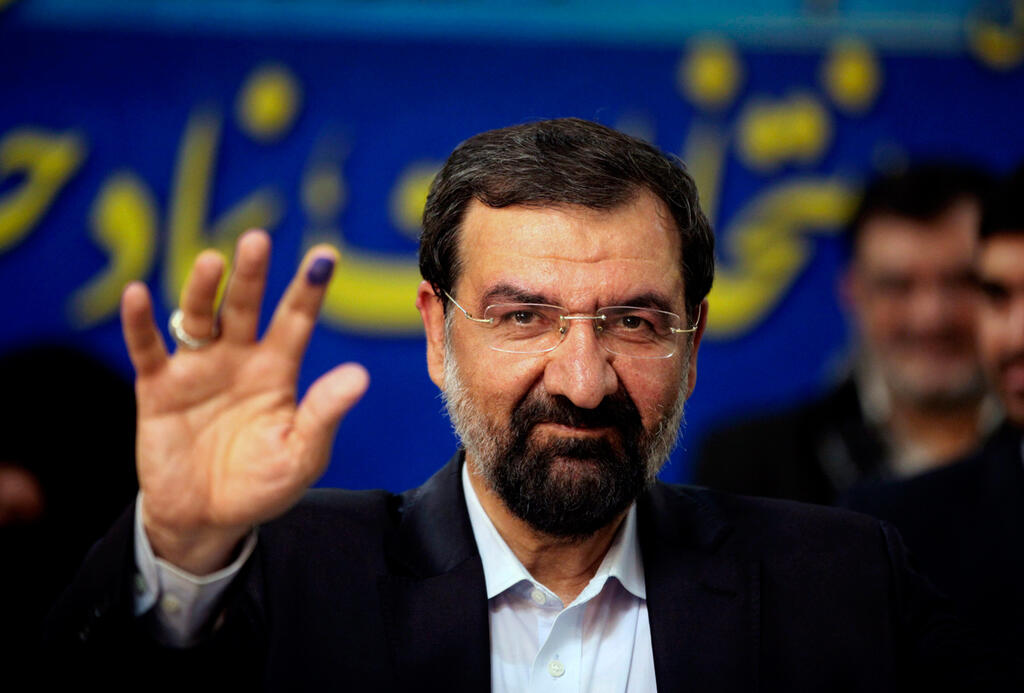
Iranian security chief Mohsen Rezaei
(Photo: AP)
The fighting has meanwhile moved deeper into Saudi territory. On Saturday, the Houthis said they had attacked “sensitive” sites in Riyadh with missiles and drones after flames and a large plume of smoke were seen near the Saudi capital’s main airport. They also claimed an attack on an Aramco facility in Yanbu, a crucial Red Sea oil export hub. Saudi authorities did not immediately confirm what had been struck in Riyadh.
Yanbu has become particularly important because Saudi Arabia has relied on its Red Sea export infrastructure to bypass disruptions around the Strait of Hormuz. But Saudi energy routes have themselves come under growing pressure, including attacks on the kingdom’s East-West pipeline and other infrastructure.
The Houthi offensive has also exposed growing unease in Washington and Gulf capitals about whether Saudi Arabia and its Yemeni allies can reverse the group’s advances.
Multiple U.S. and Gulf sources told CNN that neither Washington nor Riyadh currently has a clear plan for pushing the Houthis back. U.S. intelligence and targeting assistance has increased, but sources expressed doubt that Saudi Arabia could stop the Houthis without additional support.
Former U.S. diplomat Joey Hood told CNN that the Houthi advance in the Red Sea was strengthening the position of Iran’s Revolutionary Guards and complicating any effort to negotiate separately with Tehran. Other regional officials argued that the Yemen front can no longer easily be separated from the wider confrontation with Iran.
Smoke rises near the airport in Saudi capital Riyadh following the Houthi attack
(צילום: רויטרס)


A Gulf official summed up the dilemma to CNN: “No one wants to fight alone.” The official said Riyadh would ultimately have to either expand its military campaign or pursue an agreement with the Houthis.
Trump has so far resisted direct U.S. offensive action against the Houthis. CNN reported that Crown Prince Mohammed bin Salman asked Trump for U.S. strikes but that the request was rejected, while American assistance has remained focused on intelligence and targeting support. The Washington Post similarly reported that Washington has stopped short of military intervention despite Saudi and Yemeni appeals.
U.S. officials also met Houthi representatives in Oman this month, according to Reuters. Sources said the Houthis reiterated their commitment to the 2025 ceasefire with Washington and said they did not intend to attack American vessels. One Yemeni source said they also pledged not to target Israeli or other commercial vessels, with the exception of Saudi ships. The State Department did not formally confirm the meeting.
The widening regional conflict has also intensified economic pressure in the United States. Oil prices have remained around or above $100 a barrel, while higher gasoline and diesel costs have become an increasingly prominent political issue ahead of the November midterm elections.
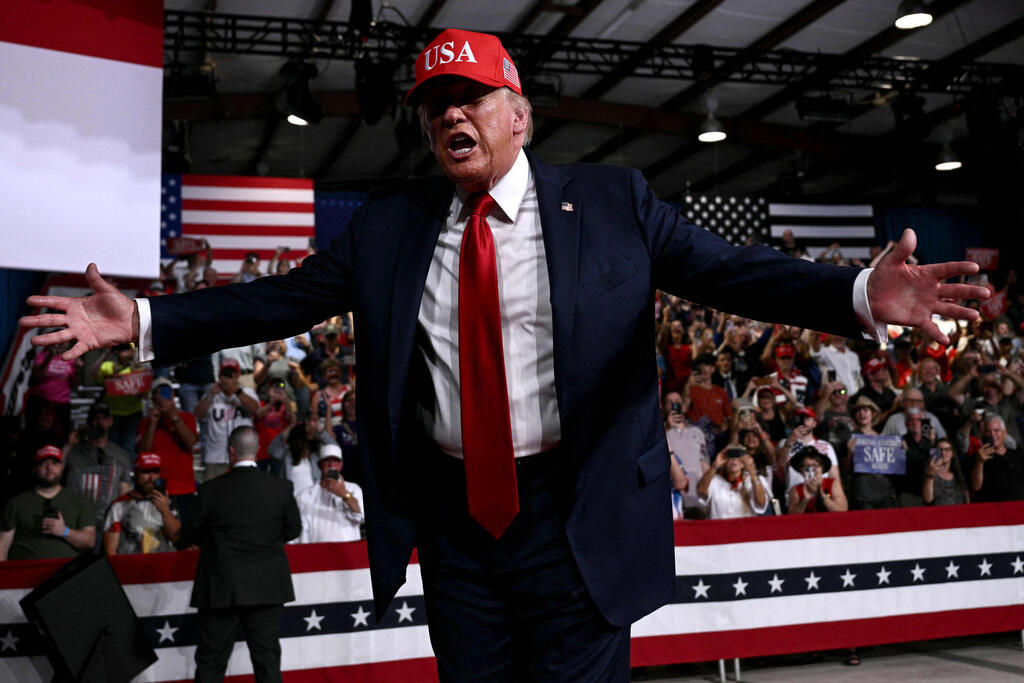
Donald Trump
(Photo: Brendan SMIALOWSKI / AFP)
Trump has publicly insisted that electoral politics do not determine his Iran policy and has defended higher energy costs as a price worth paying to prevent Iran from obtaining a nuclear weapon.
Privately, however, The Washington Post reported Saturday that Trump has listened more closely in recent weeks as advisers presented discouraging polling and has indicated in some conversations that he understands the Iran war has contributed to the difficult political environment facing Republicans. One person in frequent contact with Trump disputed that he had accepted responsibility, saying the president instead believes the biggest problem is that his own name will not be on the ballot.
The Post reported that advisers have become more direct with Trump about the political environment and that he intends to increase his involvement in Republican campaigns as the midterms approach. The extent to which the Iran war, oil prices and the widening confrontation in Yemen ultimately shape voter decisions remains uncertain.