

Several powerful explosions were reported Saturday in Caracas, Venezuela’s capital, with helicopters seen hovering overhead. Widespread power outages were also reported across the city, including in the south near a major military base. It was not immediately clear whether the base was hit, but CNN reported damage to strategic sites in the area.
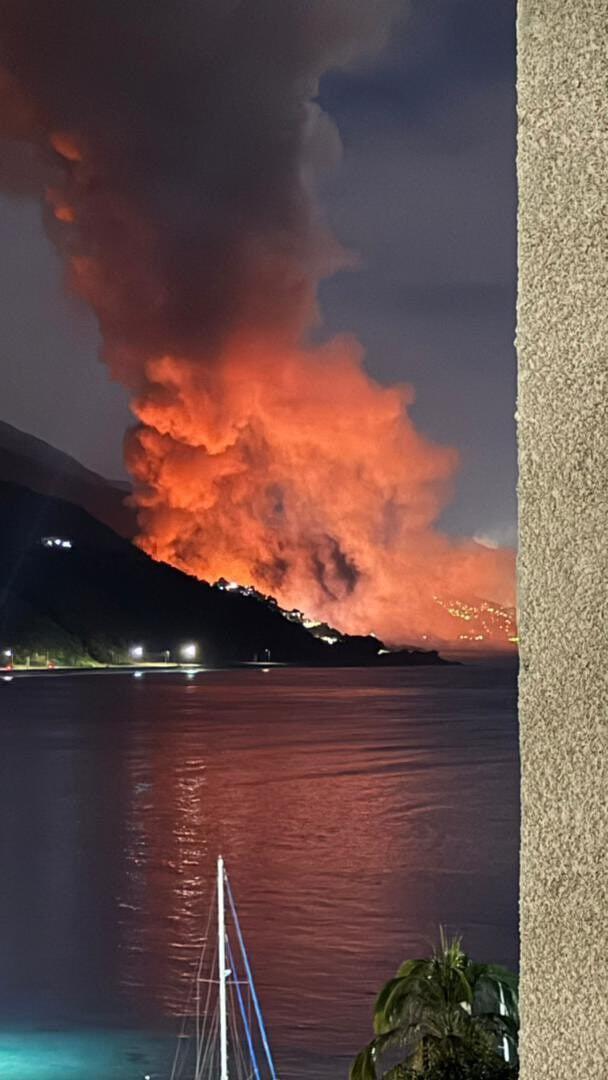
Footage circulating from Caracas showed a facility on fire with heavy smoke rising. Other images appeared to show smoke near La Carlota airport in the city.
Footage of explosions in the Caracas area, Venezuela


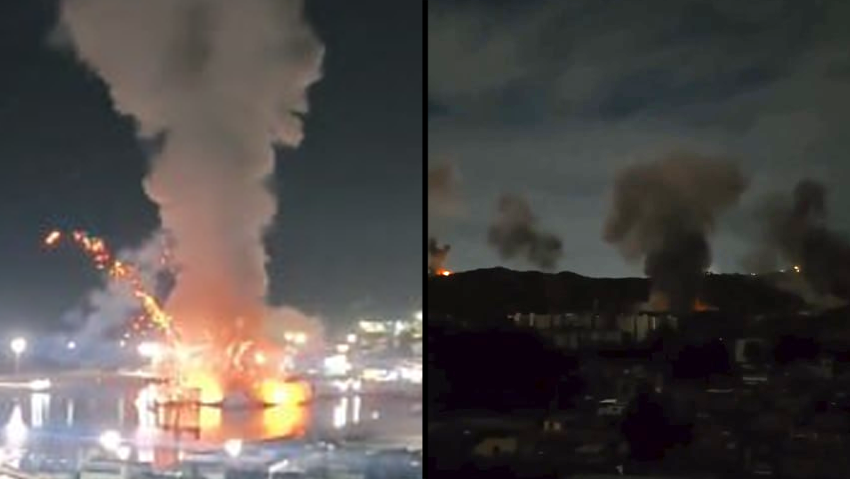
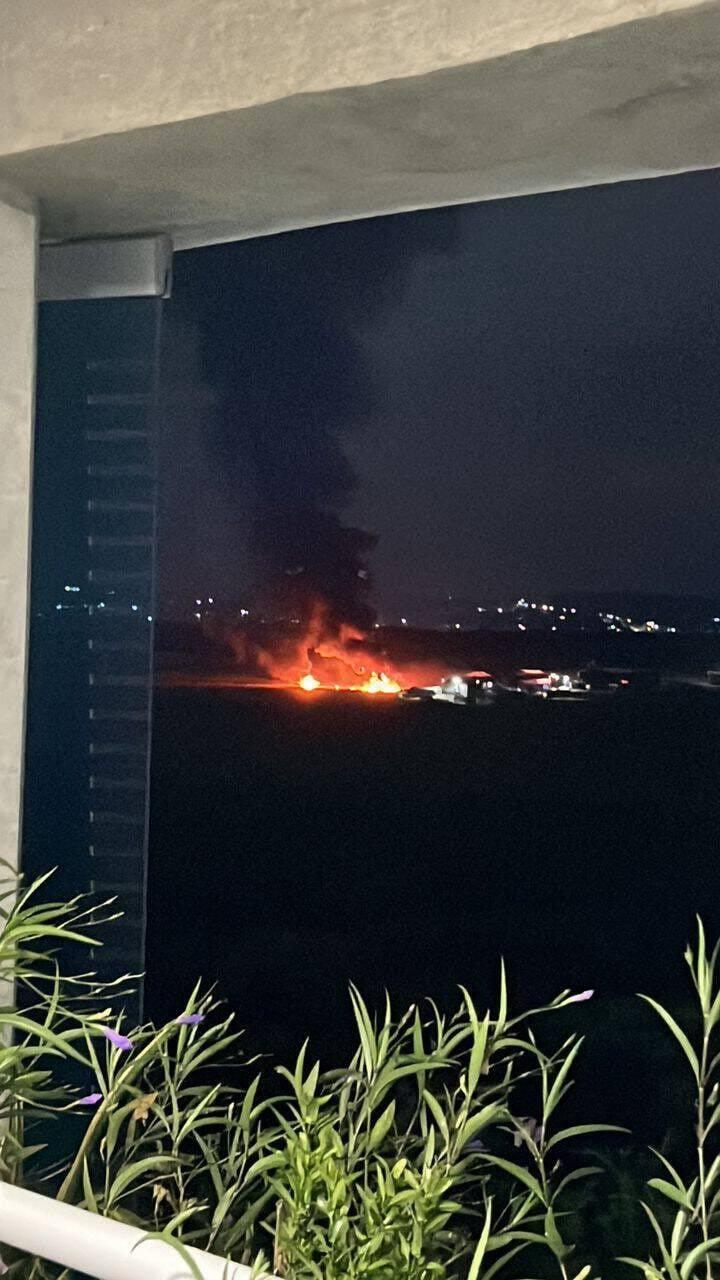
Explosions in Venezuela
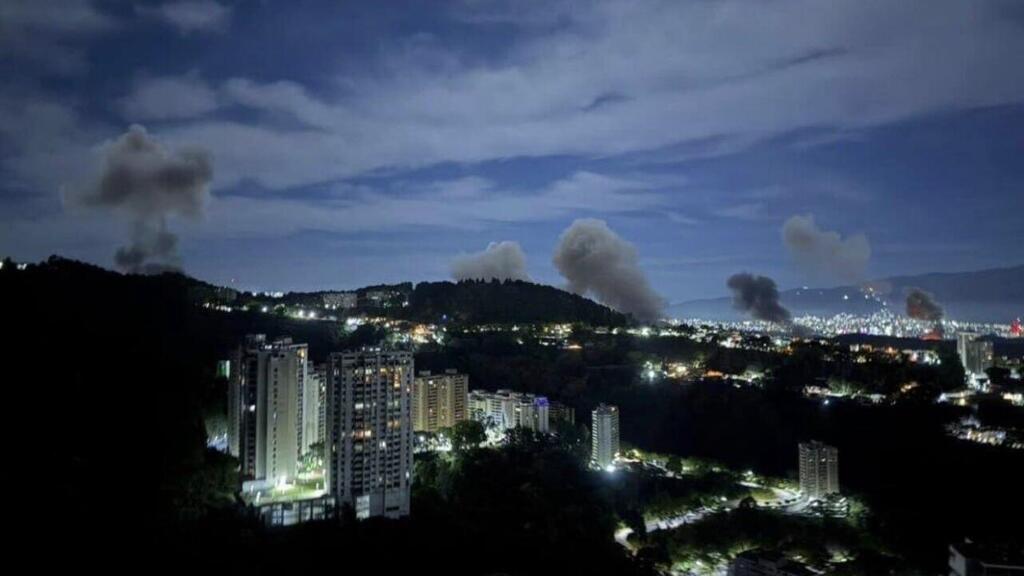
Mushroom clouds in Venezuela
The developments come against the backdrop of repeated threats by US President Donald Trump to carry out strikes in Venezuela, though US officials had not commented publicly on Saturday.
The Associated Press reported that at least seven explosions were heard in Caracas around 2 a.m. local time. Residents in several neighborhoods were seen leaving their homes amid panic. A CNN crew based in the city also reported multiple blasts, with the first heard shortly before 2 a.m. A correspondent said one explosion was so strong it caused her window to shake.
The government of President Nicolas Maduro, who in recent months has warned of a growing risk of US military action, had not commented on the incidents.
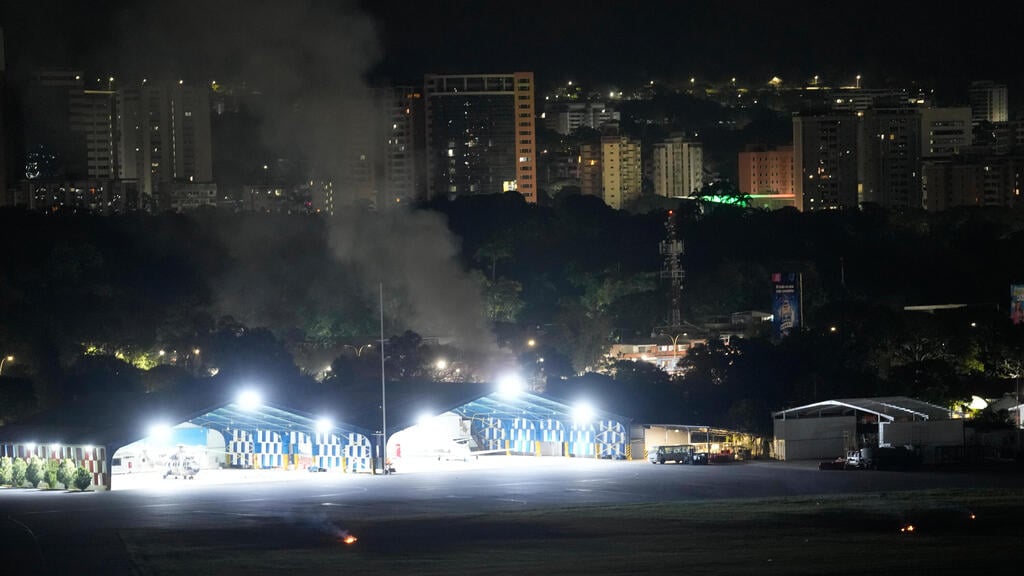
Smoke at La Carlota airport in Caracas
(Photo: AP Photo/Matias Delacroix)
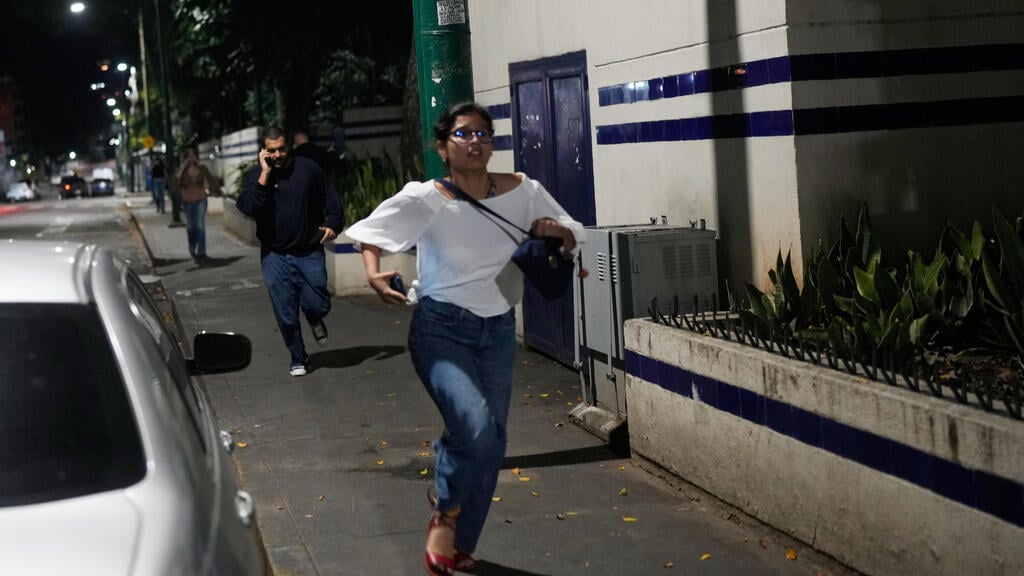
Panic in the streets of Caracas this morning
(Photo: AP Photo/Matias Delacroix)
In recent weeks, Trump has repeatedly said attacks on Venezuelan territory would take place soon, describing them as part of a campaign against what his administration calls drug-smuggling operations in the Caribbean. His statements have also made clear that his broader aim is to remove Maduro from power. Last month, Trump said Maduro’s days were numbered, amid reports that Maduro had rejected a US ultimatum to step down delivered in a November conversation.
Trump confirmed last week that the United States had carried out an initial strike inside Venezuela. According to reports, the attack involved a CIA-operated drone targeting a remote docking area along the Venezuelan coast believed by US officials to be used by the Tren de Aragua gang to store and transport drugs. CNN reported that no one was present at the site at the time and there were no casualties.
Since returning to the White House, Trump has pursued a foreign policy aimed at expanding US influence in Latin America, bolstering right-wing governments across the region and intensifying efforts to topple Maduro’s socialist government. Maduro has ruled Venezuela since 2013, following the death of former President Hugo Chavez, and is widely viewed in the West as an authoritarian leader over allegations of election fraud and repression of the opposition. Several countries do not recognize him as Venezuela’s legitimate president.
The US pressure campaign began in September with strikes on vessels the Trump administration says were smuggling drugs to the United States. Most of those strikes took place in the Caribbean Sea near Venezuela, with some in the eastern Pacific. The administration has not publicly provided clear evidence that the targets were drug traffickers, and legal experts have argued that even if the claims are accurate, the strikes amount to extrajudicial killings.
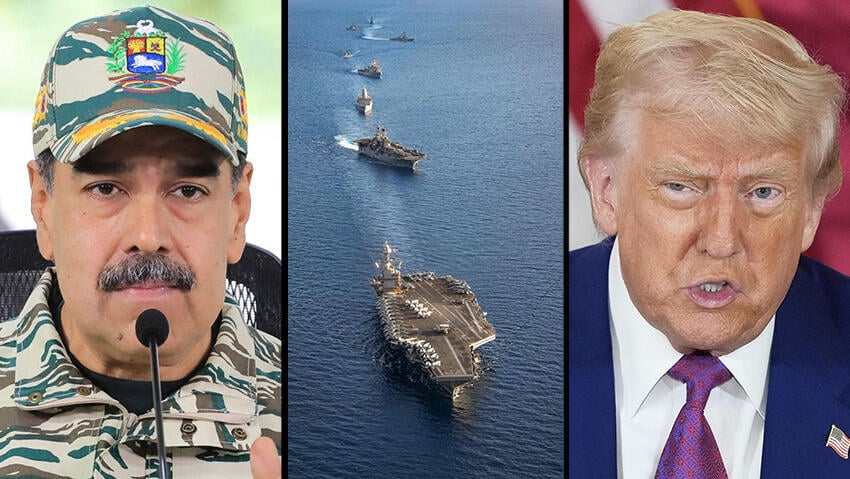
Trump, Maduro and the aircraft carrier sent to the Caribbean Sea
(Photo: JHONN ZERPA / VENEZUELAN PRESIDENCY / AFP, shutterstock, AP / Alex Brandon, BJjoHxq5gg)
The Trump administration describes the groups as narco-terrorists responsible for widespread deaths in the United States through drug and opioid trafficking. It has designated several Latin American cartels as terrorist organizations, including Venezuela’s so-called Cartel of the Suns, which US officials allege is led by Maduro, a claim he denies. Venezuelan authorities say the cartel does not exist.
Last month, Trump designated Venezuela’s government a foreign terrorist organization and ordered what he described as a total blockade on oil tankers entering and leaving the country, placing them under US sanctions.