

U.S. President Donald Trump's administration imposed sweeping sanctions on the International Criminal Court (ICC) on Friday, just hours after former ICC judge Navi Pillay was named the winner of the Nobel Peace Prize.
The move, driven in part by Washington's opposition to arrest warrants issued for Prime Minister Benjamin Netanyahu, marks a major escalation in the administration's campaign against the court and threatens to put the United States on a diplomatic collision course with its European allies. The ICC denounced the sanctions as an assault on international law, while the European Union pledged to help keep the court operating.
Gallery
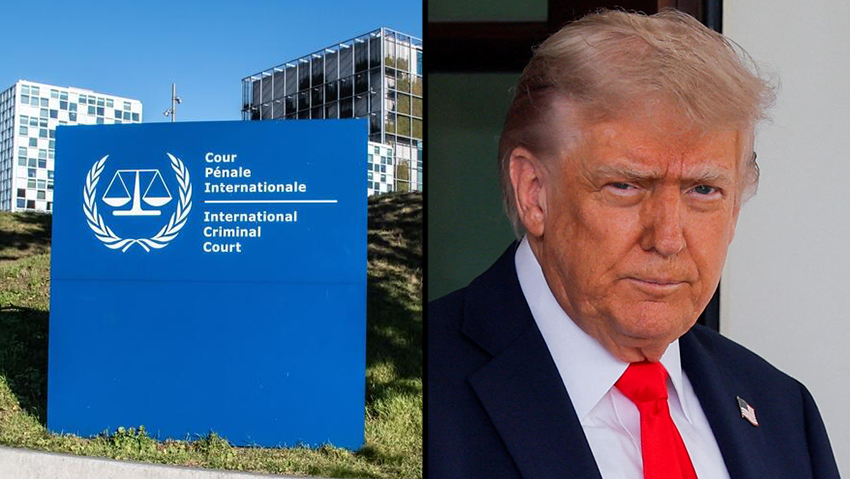
Trump sanctions entire ICC over Netanyahu warrant hours after former judge wins Nobel Peace Prize
(Photo: Allison ROBBERT / AFP, REUTERS/Kent Nishimura)
"President Trump will never allow the International Criminal Court to prosecute Americans," Secretary of State Marco Rubio said in a statement reviewed by Reuters ahead of the official announcement. "That is why, today, the United States is sanctioning the International Criminal Court. We will ban transactions with this rogue court, cutting off their resources and crippling its ability to operate."
Unlike previous U.S. sanctions targeting individual ICC judges and prosecutors, Friday's measures target the institution itself, potentially penalizing companies that provide it with financial, technological and other essential services. The Trump administration has long opposed the court, particularly over its arrest warrants for Netanyahu and other Israeli officials, as well as a previous investigation into the conduct of U.S. troops in Afghanistan, which the court has since closed.
In a strongly worded statement Friday, the ICC rejected the sanctions and called on its 125 member states to ensure it could continue functioning. "It is an attempt to obstruct the course of justice and to prevent the Court from doing what it was created to do. It is an assault on the rule of law and on the very foundations of the international legal order," the court said.
The tribunal vowed to "fully discharge its mandate" to prosecute individuals accused of war crimes, crimes against humanity, genocide and the crime of aggression when member states are unwilling or unable to do so. However, it warned that it could not withstand the pressure without international support. "The Court cannot stand alone. Its fate now rests also in the hands of the states that created it," the statement said.
"This is not just about defending a single institution, but about safeguarding the international order grounded upon the rule of law. History will judge this moment," the court added.
ICC Deputy Prosecutor Nazhat Shameem Khan condemned the sanctions, telling Reuters they "must be condemned." She said the measures were designed to undermine international law but insisted the court would continue operating. "The sanctions are intended to undermine the rule of law internationally and the work that an independent judicial institution is doing," Khan said. "Our work will continue across all our situations, our investigations and our prosecutions."
Nobel Peace Prize announcement highlights international divide
The sanctions came hours after the Norwegian Nobel Committee awarded the 2026 Nobel Peace Prize to South African jurist Navi Pillay for her contributions to international criminal justice. Pillay served on the ICC's Appeals Chamber from 2003 to 2008 and has spent decades working to strengthen international legal institutions.
In its announcement, the Nobel Committee said it sought to "issue a reminder" at a time when "judges and institutions of international law are under political attack." It added: "An international legal system in which war criminals are held to account and the victims of abuse see justice served is a precondition for a peaceful world."
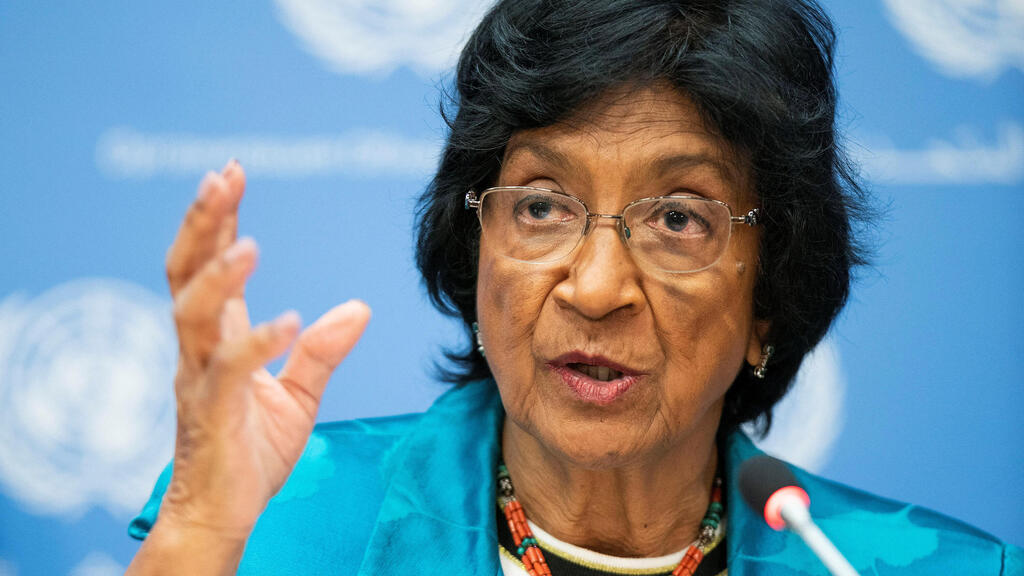
Former ICC judge Navi Pillay
(Photo: Reuters)
The timing underscored the sharp divide between Washington and supporters of the court. Established in 2002 to prosecute war crimes, crimes against humanity and genocide, the ICC has 125 member states, including every European Union country and all NATO members except the United States and Turkey. The court is based in the Netherlands, itself a member of both organizations, and has received strong public backing from several major U.S. allies.
Rubio warns allies: ‘either the ICC will end its threats, or we will end the ICC’
Rubio said Washington had delayed imposing sanctions against the court itself in the hope that the institution and countries party to its founding Rome Statute would address American concerns. He said those efforts had failed and called on U.S. allies to intervene.
"Either the ICC will end its threats, or we will end the ICC. We expect our allies, many of whom are part of the ICC and that rely on American servicemembers for their defense, to rein in the court," Rubio said.
The European Commission responded by calling Washington's decision "deeply regrettable" and reaffirmed its support for the court's independence. In a statement Friday, it said the European Union would work closely with the ICC to ensure it could continue operating effectively.
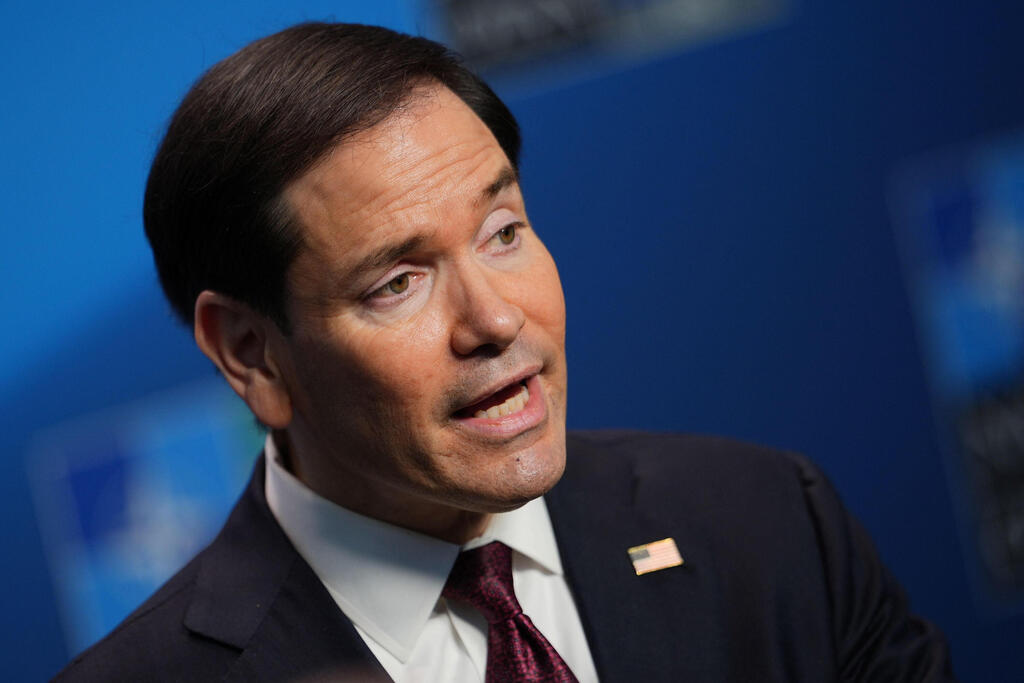
US Secretary of State Marco Rubio
(Photo: Julia Demaree Nikhinson / POOL / AFP)
The commission emphasized that the sanctions would not become applicable for six months, leaving time for negotiations. "As there is a six-month delay before the measures are applicable, there is room for dialogue," it said. The EU also declared itself ready to take "any necessary measures" to enable the court to carry out its work and pledged to cooperate with countries party to the Rome Statute to preserve its independence.
U.S. sanctions typically prohibit American companies from doing business with designated organizations, potentially forcing banks to close accounts, insurers to withdraw coverage and software providers to terminate services. A senior State Department official said the Treasury Department would issue licenses "to protect American interests," apparently allowing temporary exemptions from certain restrictions.
ICC officials have been preparing for months for the possibility of sanctions against the entire institution, including replacing Microsoft software with open-source alternatives and making new arrangements for banking and health insurance. Earlier this week, ICC Registrar Osvaldo Zavala Giler urged the European Union to prepare a so-called blocking mechanism that could shield European businesses from the extraterritorial effects of American sanctions.
The latest measures go substantially further than the targeted sanctions Trump imposed on ICC officials during his first term, which were later lifted by former President Joe Biden. Washington resumed sanctioning court officials shortly after Trump returned to office in January 2025, but Friday's action represents a broader effort to restrict the court's ability to function.
Despite the escalating confrontation, Rubio said Washington was leaving open the possibility of negotiations with the ICC's member states. "We have structured this action to provide an opportunity for States Parties to negotiate and present a solution to address our concerns. If these efforts do not bear fruit, we will continue to adjust accordingly," he said.