

A month has passed since Israel launched its opening strike in which Ali Khamenei and a series of senior Iranian officials were killed. It has been a month of internet blackouts, yet life inside Iran continues.
The French news agency AFP on Friday published testimonies from several residents describing daily life in the country. One theme, according to the accounts, continues to weigh heavily on Iranians: repression and intrusion into personal life by authorities.
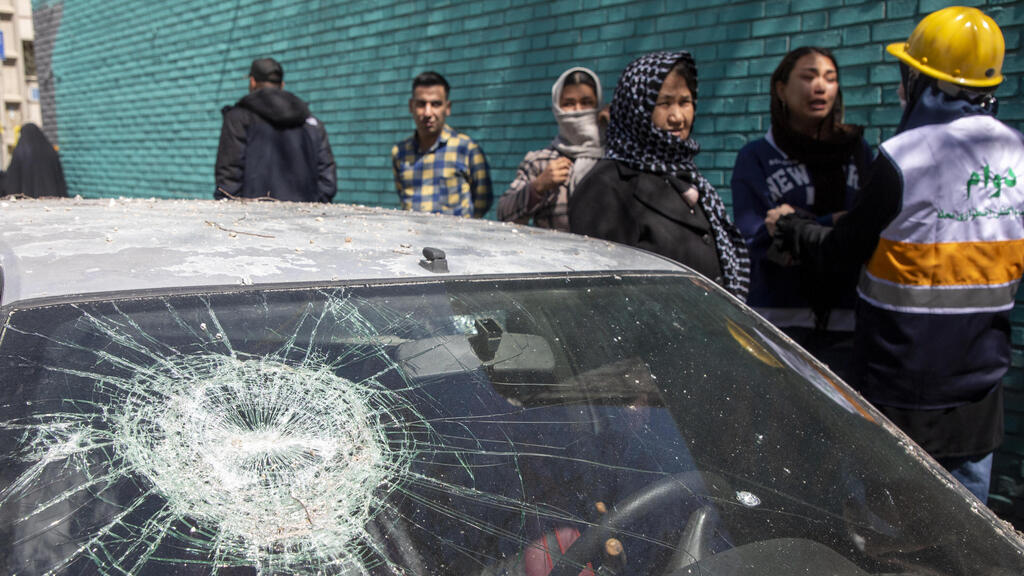
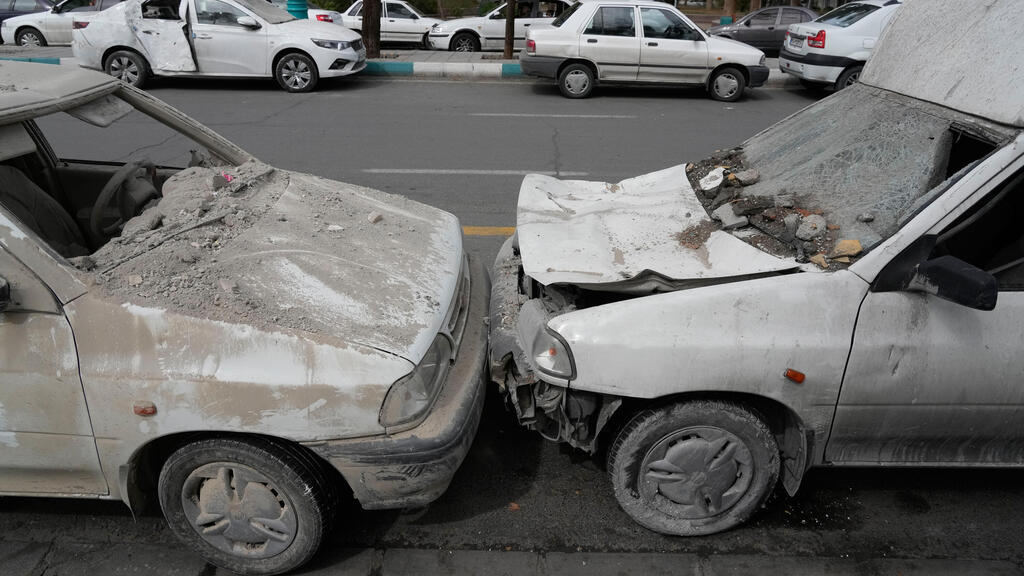
(Photo: AP Photo/Vahid Salemi)
Shayan, a resident of Tehran, told AFP there is no hunger in Iran and that goods remain available. “Cafes are open, we go out, there is fuel, water and electricity. But there is a sense of helplessness among all of us,” he said. “We meet with family and friends, play cards and drink. Shops and restaurants are open until 9 p.m. But the city feels empty, most people have left.”
Another Tehran resident of Kurdish origin, who asked not to be identified because of threats from authorities, said she too has grown accustomed to the situation. “The noise, the explosions and the missiles are now part of our daily lives. I think it is gradually becoming more normal for everyone,” she said. “Our only concern is that our oil and gas infrastructure could be hit by missiles. I think that is the one thing all Iranians agree on right now.”
Golnar, also based in Tehran, described a more complex picture, particularly economically. “My income comes from an online shop. But in the past two months there has been no income,” she said. “In our family everyone works and we do not even pay rent. Still, we cannot think about things like going to a restaurant or any leisure activity. We can only afford the most basic, essential living expenses.”
‘I realized the regime won't fall as we imagined’
Sadegh, 42, lives on Qeshm Island in the Persian Gulf. In recent years, the island has seen rising numbers of domestic tourists, but many did not celebrate Nowruz, the Persian New Year (a major Iranian holiday marking the start of spring). “Our hotel and the cafes are half empty. Many people came here to stay for a long time, waiting to see what happens with the war,” he said. He added that fuel supply, unlike in Tehran, is sometimes inconsistent: “Sometimes we have to wait for hours.”
Katayoun, a yoga instructor, recently left for Turkey after what she described as “terrible” months since January, when thousands were killed in a brutal crackdown on protests. Two nights before she decided to leave, she was thrown from her bed by the shockwave of an airstrike. “I lived in fear for at least a decade, from a headscarf slipping off to the inability to exercise basic freedoms. Life became impossible,” she said.
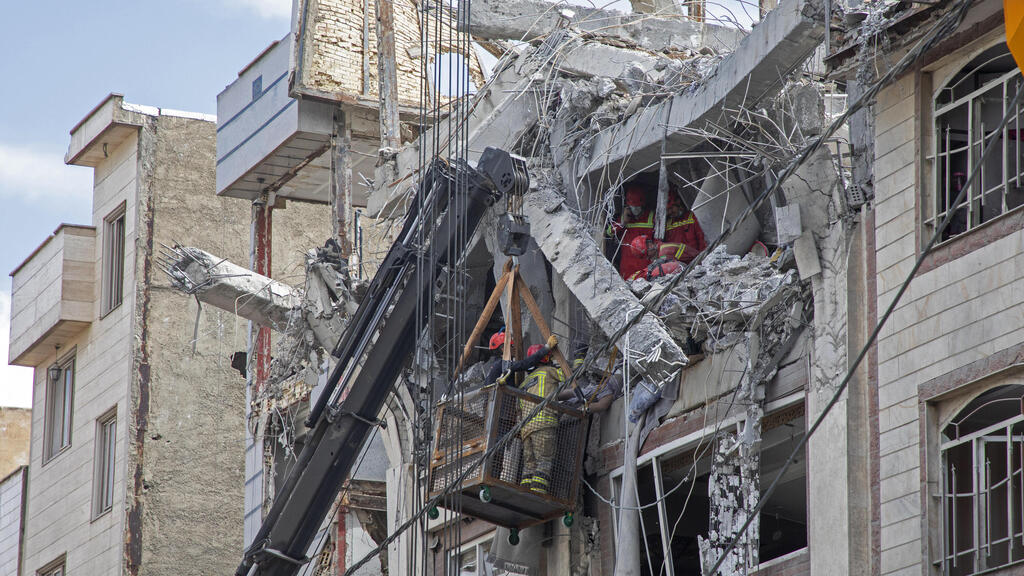
Tehran
(Photo: Majid Saeedi/Getty Images)
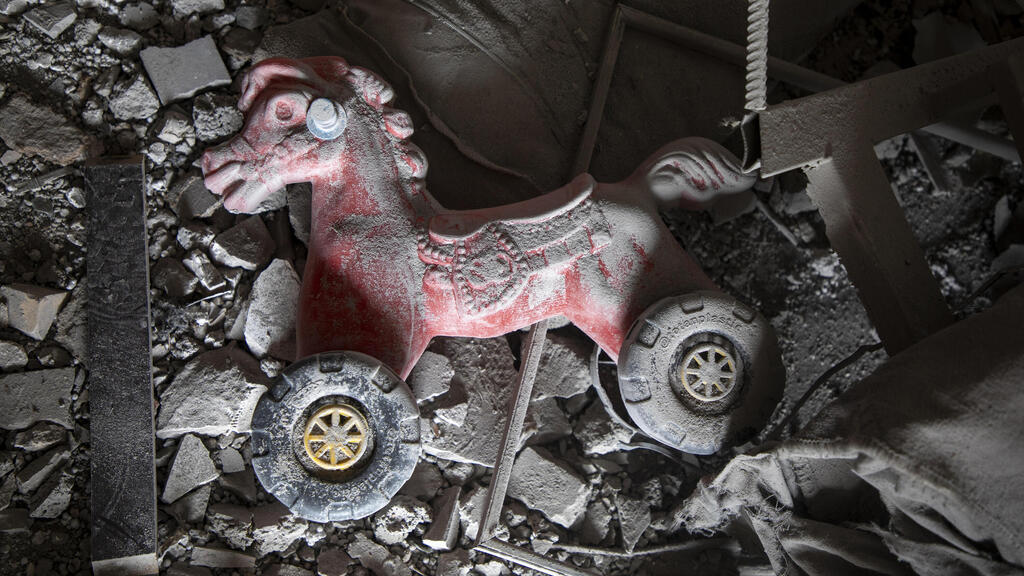
(Photo: Majid Saeedi/Getty Images)
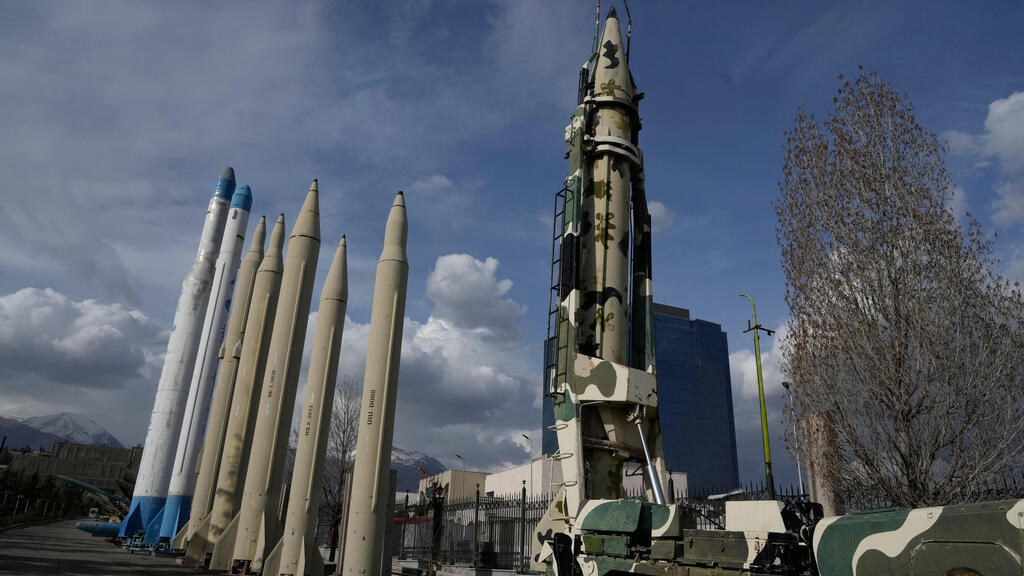
Missile display in Tehran
(Photo: AP Photo/Vahid Salemi)
Ansiya, a dentist in the Iranian capital, said she is losing hope every day. “We are trapped between three mad powers and the war is frightening. I know I will never be the same person again. The war has torn a part of me away, and it will not return,” she said.
A resident of Sanandaj in western Iran said the intensity of the strikes has decreased in recent days. “I realized the Islamic Republic will not fall in the way we imagined,” he said.
‘They even check personal notes. No deal should be made with the regime’
The issue most troubling Iranians, according to the testimonies, is the heavy security presence in the streets, the suppression of anti-government protesters and the takeover of public spaces by internal security forces.
“It is likely you will pass through several checkpoints in Tehran in a single day. Cars are searched, phones are checked, including hidden files, photos, apps and even personal notes,” said Kaveh, a 38-year-old artist living in the capital. He said that during a meeting in Tehran with others opposed to the government, they voiced concern that the United States might reach an agreement with the current regime. “If that happens, we are lost. We will have to leave Iran for two or three years, otherwise they will come after us.”
New images from Tehran were released by international news agencies over the past day. Due to the internet blackout in the country, it is often difficult to obtain images of events inside Iran. Authorities have refused to grant visas to international news agency staff, a move that severely hampers reporting from the country.