

Nine days after the ouster of Syrian President Bashar Assad and the rise to power of Ahmad al-Sharaa — formerly known by his nom de gurre, Abu Mohammed al-Jolani, the jihadist leader of Hay’at Tahrir al-Sham — Israel began supplying aid to Syria’s Druze minority.
The assistance, according to a Washington Post report published on Tuesday, has gone beyond humanitarian aid to include weapons: 500 rifles, ammunition and vests, all airdropped to arm the Druze militia called the "Military Council" in the southern province of Sweida.
Gallery
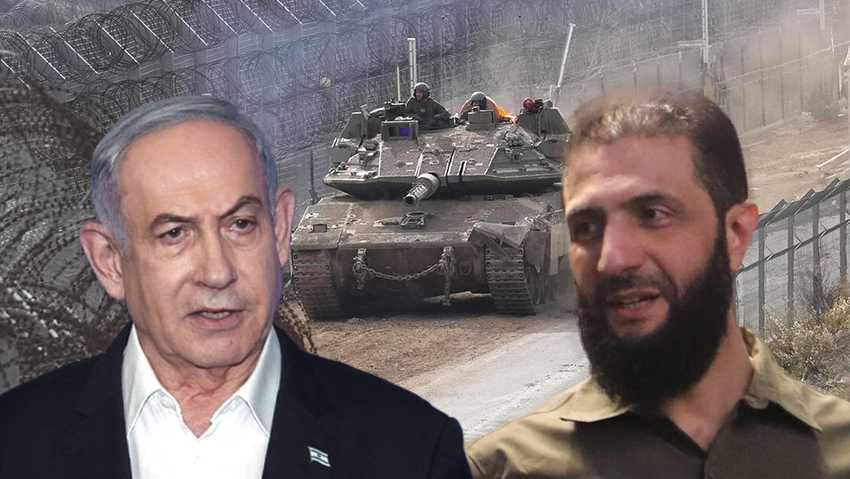
Prime Minister Benjamin Netanyahu, Syrian President Ahmad al-Sharaa
(Photo: Abdulaziz KETAZ / AFP, Yariv Katz, AP Photo/Matias Delacroix)
The report, citing roughly 20 sources including Israeli and Western officials, government advisers, Druze commanders in Syria and members of Syria’s political leadership, said the peak of these arms transfers came in April during clashes between Druze fighters and forces loyal to the Sharaa regime.
In August, when serious negotiations began with the new Syrian government on a security arrangement, one that has yet to materialize, the aid reportedly tapered off amid Israeli doubts about the Druze fighters’ long-term goals.
According to the Post, Israel is also paying monthly stipends of $100 to $200 to some 3,000 Druze fighters, while continuing to airdrop military gear, such as vests and medical supplies. Druze leaders quoted in the report said the support is undermining Sharaa’s efforts to consolidate power nationwide.
In a recent interview following his meeting with U.S. President Donald Trump, Sharaa criticized Israel’s support for what he called “separatist movements” like the Druze, accusing it of "expansionist ambitions." He warned such policies could spark broader regional wars, threatening Jordan, Iraq, Turkey, and Gulf states. Sharaa expressed hope that Israel would withdraw from demilitarized buffer zones and allow Syria to stabilize.
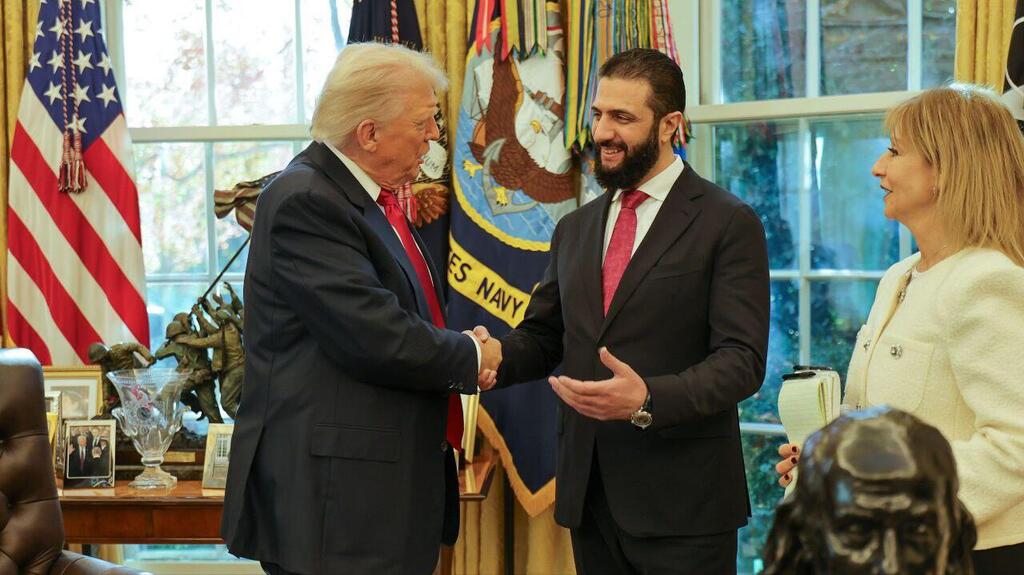
US President Donald Trump and Syrian President Ahmad al-Sharaa meet in the Oval Office
Israeli officials quoted in the report made clear they do not trust Sharaa, given his past as a jihadist, but said Israel has taken a pragmatic approach, limiting its support to the Druze, easing military pressure on Syria and allowing space for negotiations over recent months. According to both Israeli and Druze sources, the weapons flow ceased in May, coinciding with Trump’s public handshake with Sharaa at a summit in Saudi Arabia.
The report also revealed that Israeli officials had debated whether to turn the Druze into a long-term proxy militia inside Syria but ultimately dropped the idea, fearing internal factionalism and potential Israeli entanglement in the conflict.
“We were helping when it was absolutely necessary and are committed to minorities’ security,” one Israeli official told the Post, “but it is not as if we are going to have commandos take positions next to the Druze or get in the business of organizing proxies. We are trying to see how things develop there, and it’s no secret that the American administration is very much in favor of a deal.”
Building a force with Kurdish help
According to the Post, months before the fall of Assad, Israeli defense officials assessed that the Middle East was on the brink of sweeping change. Isolated over his war with Hezbollah in Lebanon, Assad’s grip on power appeared to weaken, and Druze leaders in Israel began searching for an alternative leadership that could represent the 700,000 Druze living in Syria in the event of regime collapse.
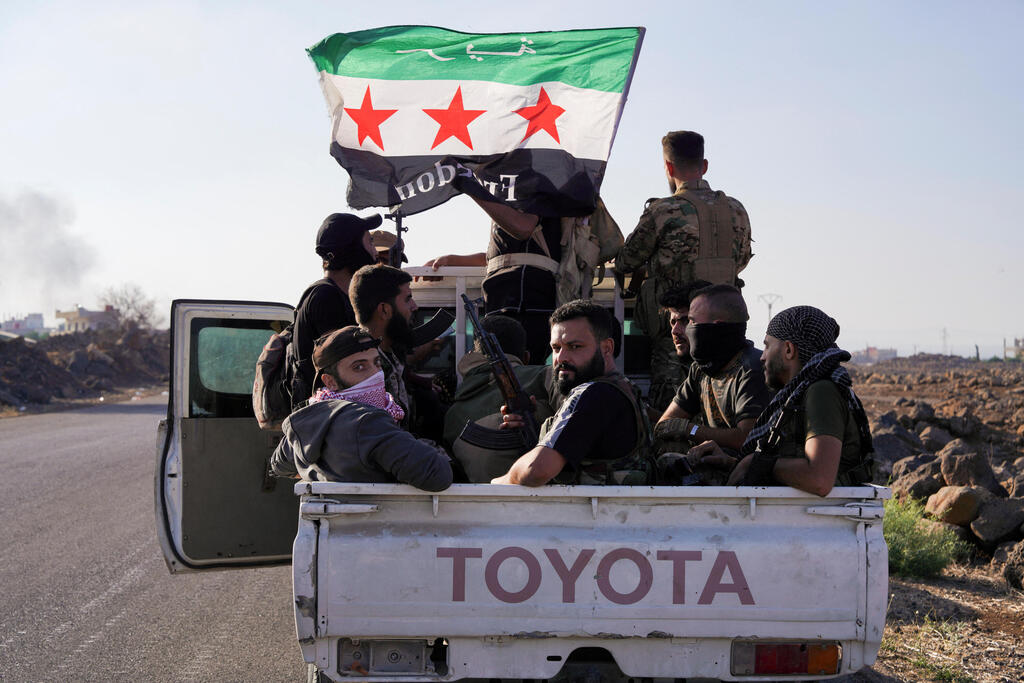
Syrian regime forces in Sweida
(Photo: REUTERS/Karam al-Masri)
According to two former Israeli officials cited in the report, they approached Tareq al-Shoufi, a former colonel in Assad’s army. One of the officials said 20 men with military experience were recruited, ranks and assignments were distributed and efforts began to form a Military Council in the southern city of Sweida. The initiative received the blessing of Sheikh Hikmat al-Hijri, the Syrian Druze spiritual leader, who publicly called for the establishment of an independent Druze state with Israeli support.
The Post reported that the council’s command center was set up in an old building, with $24,000 transferred from Druze members within Israel’s defense establishment through the Syrian Democratic Forces (SDF), the Kurdish-led group in northern Syria that maintains ties with Israel. According to the Israeli sources, the funds were intended to sustain the council until Assad’s fall. When that occurred, an additional $500,000 was reportedly transferred from the SDF to the Military Council, as confirmed by the same Israeli officials and two Druze commanders in Syria.
The SDF also trained Druze fighters, including women, in Kurdish-controlled areas in northern Syria, with that training reportedly continuing to this day, according to a senior Kurdish official.
Weapons supplied to the Druze by Israel included arms previously seized by fighters from Hezbollah and Hamas. A Druze commander told the Post that they also received sniper rifles, night vision equipment and machine gun ammunition. The Kurds provided anti-tank missiles and satellite imagery supplied by Israel.
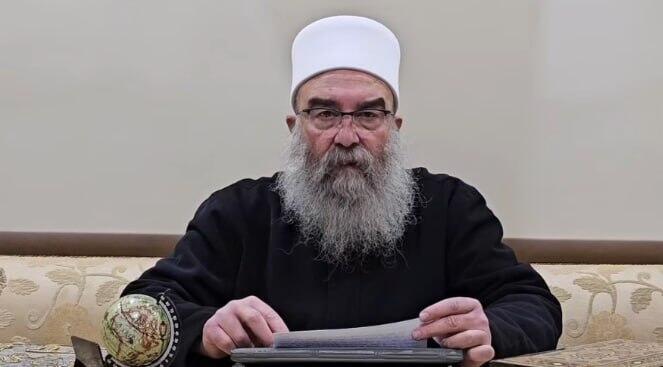
Sheikh Hikmat al-Hijri
Israel’s support to the Druze went beyond weapons. In the buffer zone, home to about 20 Druze villages, IDF soldiers reportedly helped deliver fuel, food, limited water supplies and medical care at a military clinic outside the village of Khader. According to Brig. Gen. (res.) Hassoun Hassoun, a Druze-Israeli officer and former military secretary to the president, the Coordination of Government Activities in the Territories (COGAT) unit also participated in delivering both humanitarian and military aid, including light arms.
Hassoun was quoted by the Post as supporting full Israeli backing for the Druze as an armed proxy. Another Israeli official explained that arming the Druze was driven by two factors: Israeli skepticism over what they viewed as Western naivety in dealing with President Ahmad al-Sharaa, and what they saw as a moral obligation to protect the Syrian kin of Israel’s Druze community.
History of covert support
Israel’s long-standing concerns about Islamist takeover in neighboring Syria and its covert involvement in that country date back more than a decade, three Israeli sources told the Post.
The report says that after Syria’s civil war began in 2011, IDF officers entered the country to train Druze militias and provided weapons and medical aid to other rebel groups, often in coordination with Jordan and the United States, partly to protect Israel’s border from an expanding Islamic State at the time.
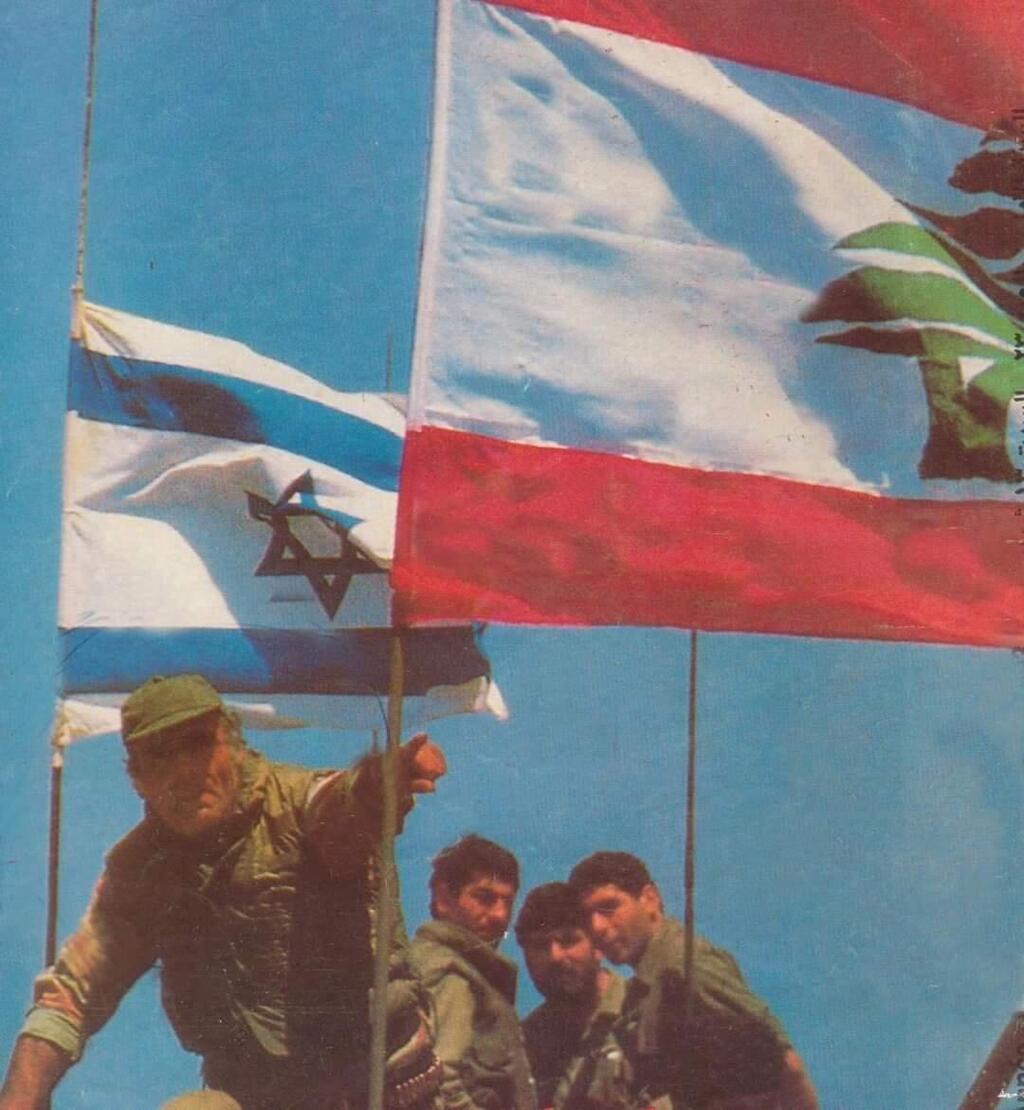
The pro-Israel South Lebanon Army militia
Yet some Israeli voices caution that backing an autonomous Druze state or a proxy militia is very different from limited cooperation with Druze fighters to secure Israel’s frontier. An adviser to the Israeli government told the Post, “Israel did not have a good experience in south Lebanon,” where it supported the South Lebanon Army, a pro-Israel militia, for about two decades.
Backing an independent state would create a situation where “Israel needs to now defend a population that’s 100 kilometers away from the border,” the Israeli adviser said. “If we have an interest here, it’s not to create an independent Druzistan.”
Israeli sources also described internal Druze power struggles in Syria. In August, Hijri sought recognition as the sole legitimate military authority among Syrian Druze, while a new militia, the “National Guard,” led by Hijri and his son Suleiman, would replace the Military Council and receive weapons from Israel, according to Druze commanders in Syria and the Israeli sources directly involved in the matter.
The development sparked conflict among Druze commanders. Shoufi, the former Military Council leader, was accused of cooperating with President Sharaa and went into hiding amid fears of arrest by Hijri’s faction, which itself has faced accusations of kidnapping. Hijri’s son has been accused of involvement in regional drug-smuggling networks, including ties to Hezbollah. “The Israelis know they have no one to work with on the other side — certainly not in any long-term capacity,” one Israeli source said.
An Israeli government adviser told the Post that in the weeks before the United Nations General Assembly in September, when Israel was considering a potential meeting between Prime Minister Benjamin Netanyahu and Sharaa in New York, a meeting that ultimately did not take place, Syrian officials made clear they did not want Israeli assistance to the Druze.
According to the Israeli adviser, the proposed security agreement between Israel and Syria has not been implemented so far, in part due to Israeli conditions regarding the Druze, which included a secure humanitarian corridor stretching from Israel to Sweida.