


Prime Minister Benjamin Netanyahu’s two-day visit to Washington in February cost Israeli taxpayers about 1.5 million shekels, according to figures released by the Prime Minister’s Office following a Freedom of Information petition.
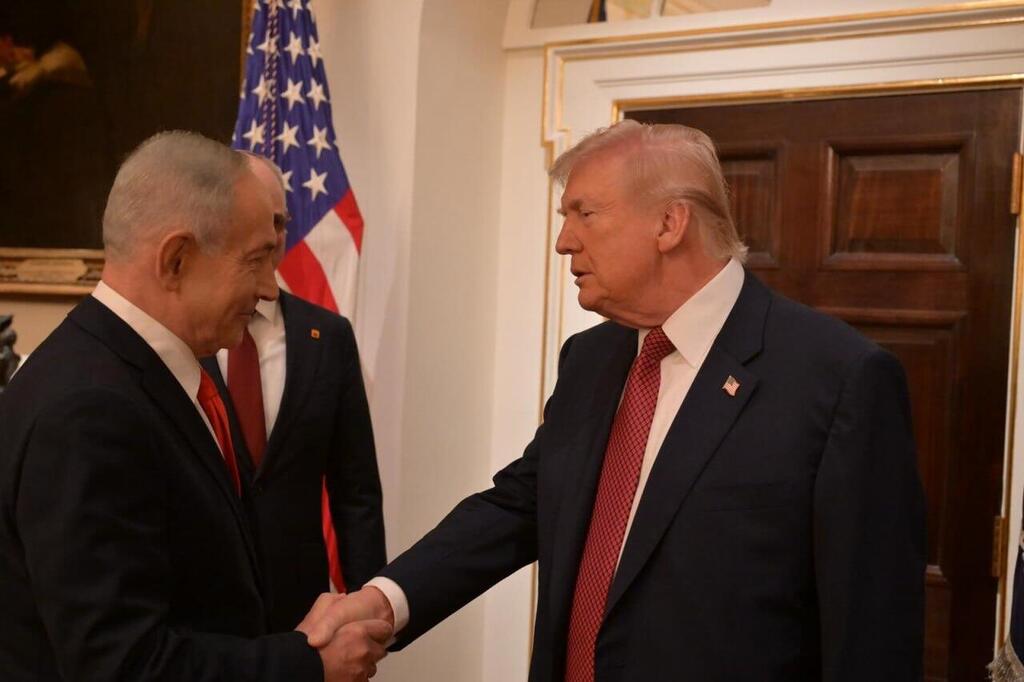
During the visit, Netanyahu met U.S. President Donald Trump in the White House Situation Room. According to the report, the meeting effectively produced the agreement to proceed with Operation Roaring Lion, which began on February 28, 17 days after the two leaders met.
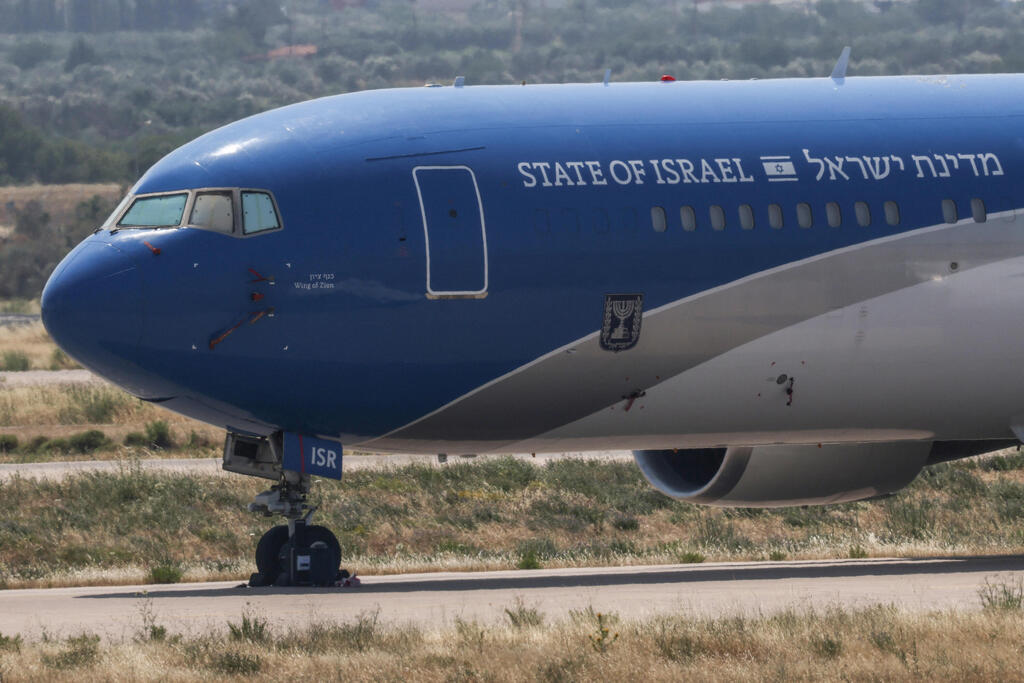
Wing of Zion aircraft
(Photo: REUTERS/Stelios Misinas)
During the meeting, Netanyahu also brought then-Mossad chief David Barnea into an encrypted video call. Barnea presented a plan aimed at toppling Iran’s government through the use of Kurdish forces and installing former Iranian president Mahmoud Ahmadinejad, according to the report.
Despite the visit lasting only two days, the costs were substantial. Expenses totaled $100,309, approximately 313,162 shekels, while operating the Wing of Zion state aircraft cost another $395,000, or about 1.2 million shekels.
Netanyahu, his wife Sara and their son Yair stayed at Blair House at the expense of the White House. Members of the delegation stayed at two Washington hotels, The Watergate Hotel and The Hay-Adams, at a combined cost of $49,182.62, approximately 153,400 shekels.
The PMO records also detail almost 18,000 shekels in spending on makeup, hair styling and medical accompaniment for the prime minister and his wife.
Makeup and a makeup artist for Benjamin and Sara Netanyahu cost $1,498, approximately 4,600 shekels, while hair styling cost another $1,485, also about 4,600 shekels.
A doctor from Sheba Medical Center accompanied the prime minister during the trip at a cost of 8,887 shekels, including VAT. The service was contracted through Sheba’s research and health services fund.
Attorney Hiddai Negev, CEO of the Movement for Freedom of Information, criticized the Prime Minister’s Office over the disclosure process.
“The Prime Minister’s Office repeatedly ignores responses to Freedom of Information requests concerning the use of public funds, and once again the information can only be obtained by filing petitions with the courts,” Negev said.
“This is not only about public oversight of the ministry’s use of funds, but also about reporting obligations under the law. Elected officials need to know that public money is not theirs to use without accountability.”
The court petition was filed by attorney Dan Rosenthal.