

Senior advisers to US President Donald Trump were confident he would order a strike against Iran last Wednesday, at the height of tensions between Washington and the ayatollah regime. That expectation shifted after Trump received a message from his envoy, Steve Witkoff, reporting that Iran had halted the executions of about 800 people. The development led the president to delay a decision, The Washington Post reported overnight between Saturday and Sunday.
According to the report, Iran detected US military assets moving in the Middle East in what appeared to be preparations for an imminent attack. At the same time, Iranian Foreign Minister Abbas Araghchi contacted the US administration via text message, a move that, according to an American official, somewhat eased tensions.
Trump: No one persuaded me not to strike Iran. I persuaded myself
(Footage: Reuters)


Still, the report noted that despite signs of de-escalation following Trump’s public remarks, the US administration may be buying time to prepare for a large-scale strike. US Central Command was instructed to remain on high alert throughout the coming month. The dramatic moments unfolded Wednesday morning in Washington, which was nighttime in the Middle East. Most of Trump’s closest national security advisers believed he was about to authorize one of the military options presented to him. Officials in the Middle East shared that assessment, viewing a potential strike as punishment for the Iranian regime’s violent crackdown on protesters. This came against the backdrop of what the report described as a successful US operation to capture Venezuelan President Nicolas Maduro.
According to a source familiar with the matter, US allies had already been warned that an American strike was likely. Interviews conducted by The Washington Post with more than a dozen officials in the United States and the Middle East showed that Trump’s sharp shifts in messaging over the past week left advisers stunned and Iranian opposition figures disappointed. His statements ranged from promising protesters that help was on the way to suggesting his goal had been achieved once executions stopped.
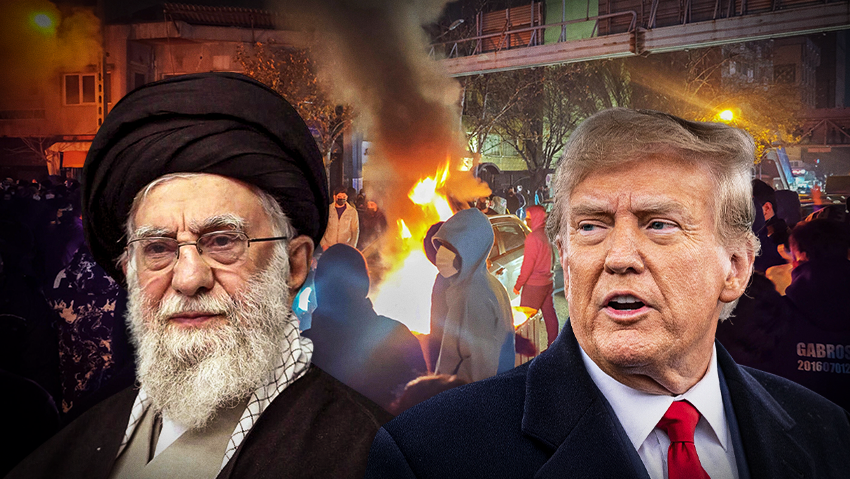
Several officials said Trump became increasingly aware of the uncertainty surrounding the outcome of a strike on Iran, including concerns it could destabilize yet another Middle Eastern country. Pentagon officials warned that US firepower in the region might be insufficient to repel the expected Iranian retaliation.
That concern, according to two current and former senior US officials, was also raised by Israel, which had expended a large number of interceptors during the 12-day war. Key US allies, including Saudi Arabia, Qatar and Egypt, contacted the White House urging restraint and diplomacy, according to a senior Arab diplomat and a Gulf official cited by the newspaper. While those Sunni-majority states view Shiite-majority Iran as a threat, they were even more concerned about regional instability.
Above all, several officials said Trump concluded that strikes on Iran could be messy, shock the global economy and trigger a wide escalation that would endanger more than 30,000 U.S. troops stationed across the Middle East. Trump prefers operations like the one in Venezuela, a former U. official briefed on the decision-making process said, referring to the surgical capture of Maduro that did not lead to significant escalation. A senior European official in direct contact with Iranian leaders said the Iranian regime appeared to have dodged a bullet. Iranian protesters, the official added, feel deeply disappointed by what now looks like a retreat from Trump’s promises.
Footage from protests in Iran, released by a mouthpiece of the regime
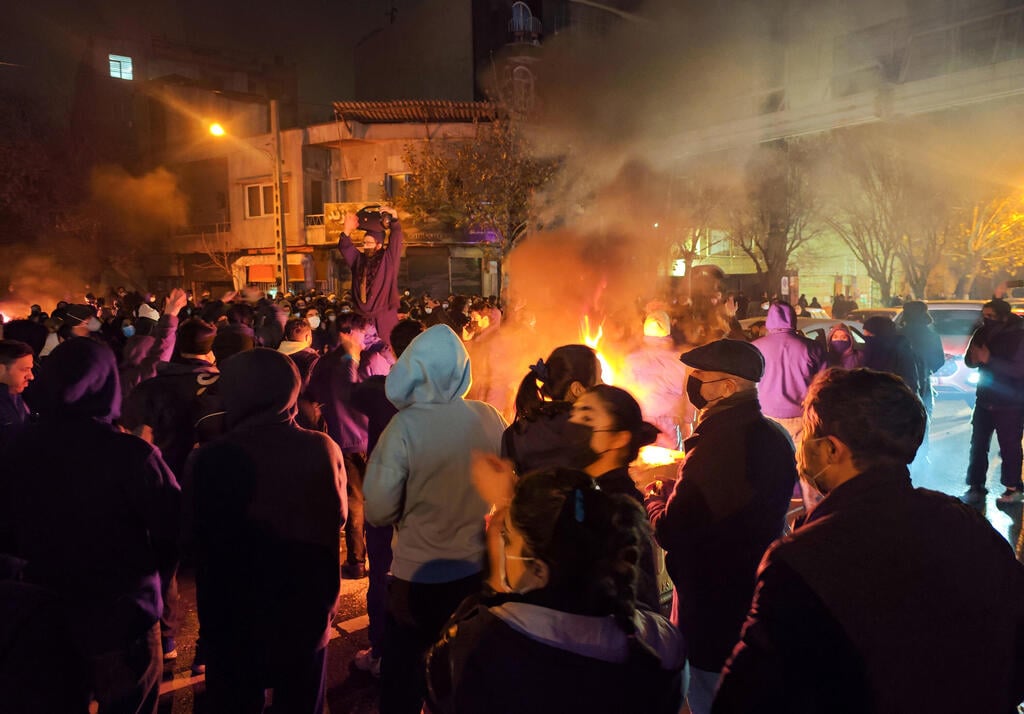
Fire in the streets of Iran on the night the internet shutdown began
(Photo: Anonymous/Getty Images)
The report emphasized that Trump and his senior advisers are keeping all options open and may be deliberately buying time. At the same time, the aircraft carrier USS Abraham Lincoln is being sent to the Middle East. According to officials familiar with the matter, the carrier was in the South China Sea until Friday, placing it more than a week away from the region.
Unexpected backing from Vance and the CIA’s secure iPad
Inside the White House, Trump received conflicting advice on how to handle Iran. Vice President JD Vance, known for opposing US military intervention abroad, surprisingly supported a strike. A US official and a person close to the White House said Vance argued that Trump had drawn a red line for the Iranian regime and now needed to enforce it.
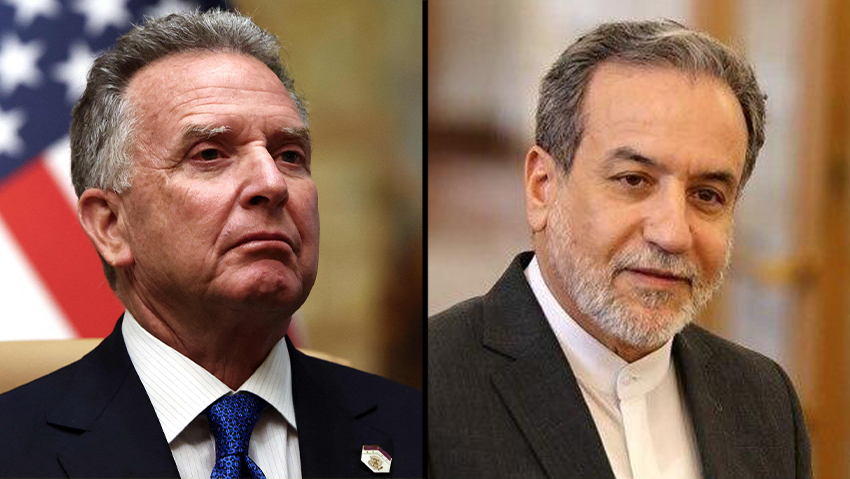
Iranian Foreign Minister Araghchi and envoy Witkoff. The direct channel led to the strike being halted
(Photo: Evelyn Hockstein/ Reuters)
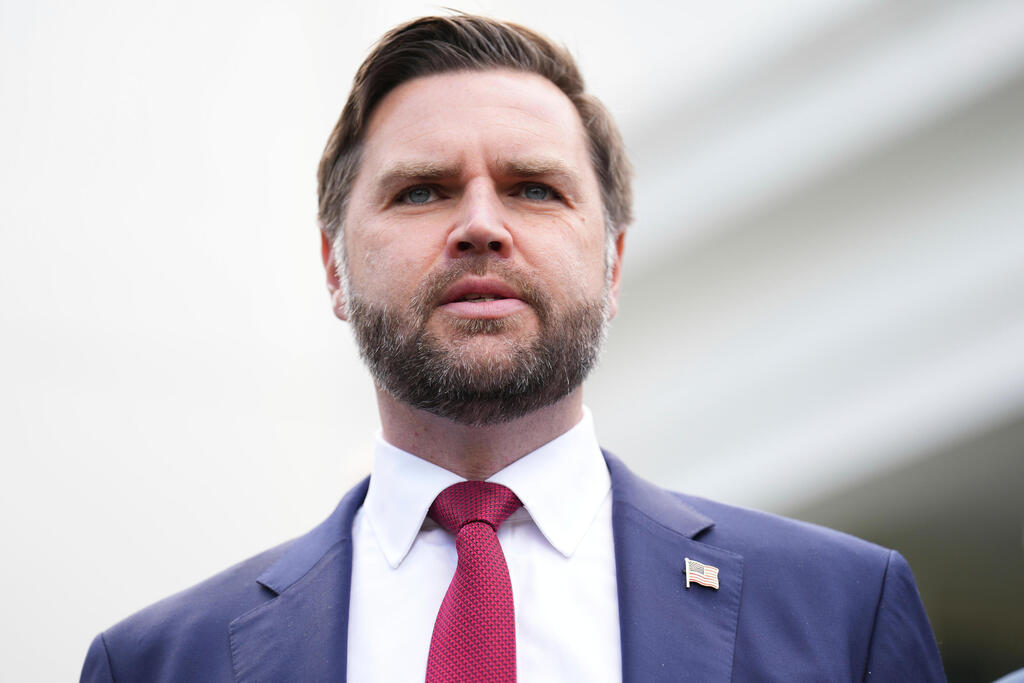
Vance. Ultimately agreed with the president’s position
(Photo: Jacquelyn Martin/AP)
On Tuesday evening in Washington, early Wednesday in Israel, CIA Director John Ratcliffe presented Trump with covertly obtained footage from Iran showing the regime’s violent repression of protesters. The report said it was unclear whether Ratcliffe expressed a position on striking Iran, but noted he showed the videos on a secure iPad used for presidential intelligence briefings.
Trump has previously been influenced by graphic images of humanitarian crises, including footage from a chemical attack carried out by former Syrian dictator Bashar Assad against his own people. In contrast to Vance, Witkoff and White House chief of staff Susie Wiles urged caution, according to a person close to the White House. Witkoff had personally heard concerns from US Arab allies and sought to avoid another cycle of retaliation, a senior US official said. Treasury Secretary Scott Bessent argued for patience to allow economic sanctions to take effect, according to another source.
Chairman of the Joint Chiefs of Staff Gen. Dan Caine, considered a trusted adviser to Trump, remained at the White House throughout the day, a source familiar with the details said. The Defense Department and US intelligence agencies presented Trump with available strike options. Ultimately, according to someone close to the president, Trump decided the benefits were insufficient and the consequences too severe. Would a strike have led to regime change? The answer was clearly no, the source said. The negative impact of any strike outweighed its value in punishing the regime. In the end, it was a cost-benefit analysis.
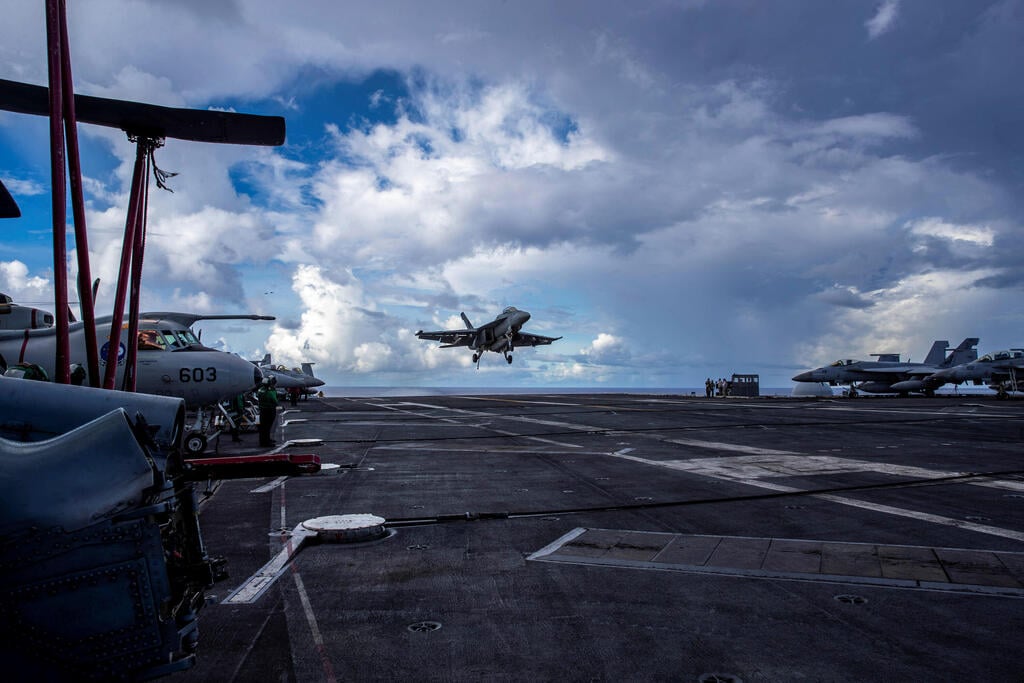
On the way to the Middle East, the aircraft carrier USS Abraham Lincoln, archive
(Photo: US Navy photo by Mass Communication Specialist Seaman Apprentice Daniel Kimmelman/Handout via Reuters)
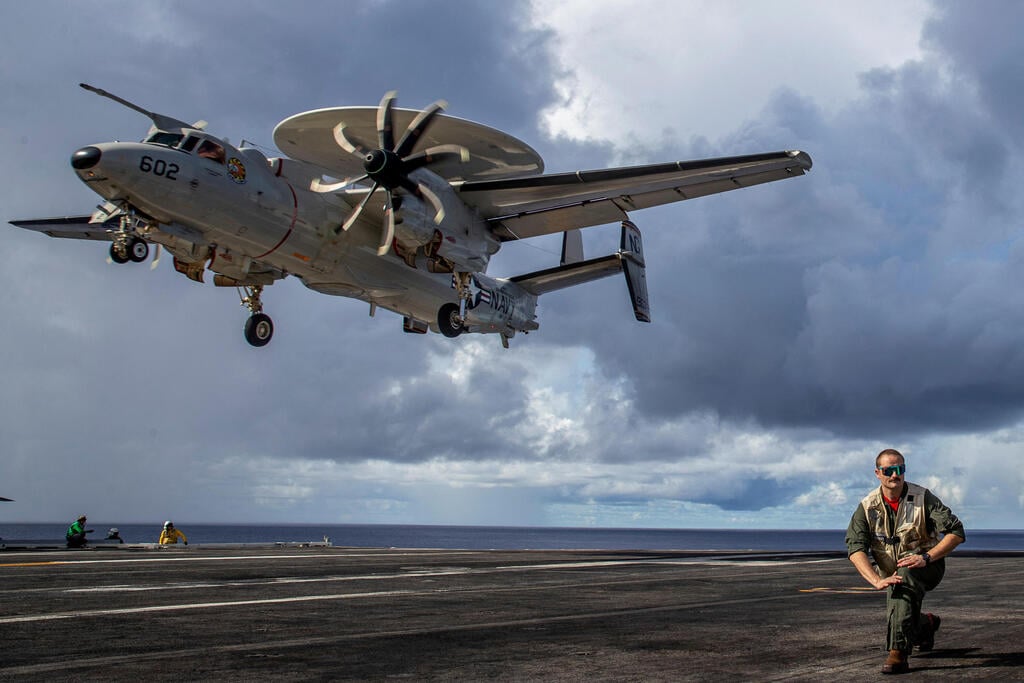
(Photo: US Navy photo by Mass Communication Specialist Seaman Apprentice Daniel Kimmelman/Handout via Reuters)
By Wednesday evening, the Pentagon announced that the USS Roosevelt, a guided missile destroyer, had entered the Persian Gulf. Allies had already been warned of a likely U.S. strike, with warships and aircraft on the move. The United States began evacuating personnel from the Al Udeid base in Qatar over fears of Iranian retaliation, and the Pentagon prepared for a long night.
Then came Araghchi’s text message to Witkoff. Shortly afterward, Trump told reporters in the Oval Office he had learned that killings in Iran had stopped. Around 3:30 p.m. in Washington, 10:30 p.m. in Israel, national security advisers at the Pentagon were told they could go home as usual.
Middle Eastern partners urged Trump not to strike, fearing a significant Iranian response involving its regional proxies, including Hezbollah and the Houthis. Israel was also unprepared defensively, the report said, particularly without a significant U.S. naval presence. Prime Minister Benjamin Netanyahu called Trump on Wednesday and asked him not to strike, according to the report, and the two leaders spoke twice. Despite Vice President Vance’s initial support for striking the ayatollah regime, he ultimately agreed with Trump’s decision to wait, according to a source involved in the process. The report said Trump may have another opportunity to authorize strikes within two to three weeks, when additional US assets arrive in the region. US Central Command has been instructed to plan for sustained high-level readiness around the clock over the next month.
Former ambassador: Trump may try to kill Khamenei this week
In a series of posts on X, Iran’s Supreme Leader Ali Khamenei harshly attacked Trump, accusing the United States of responsibility for the wave of protests sparked by Iran’s economic crisis. We must place the blame on the United States, he wrote, adding that the US president was responsible for the losses, damage and slander. Trump responded in an interview with Politico, calling Khamenei a sick man and saying it was time to look for new leadership in Iran.
Dan Shapiro, a former US ambassador to Israel and a senior Pentagon official, said Trump’s remarks about the need for new leadership in Iran, combined with what he called Khamenei’s reckless taunting of Trump on X, led him to believe the president may attempt to kill the supreme leader this week.
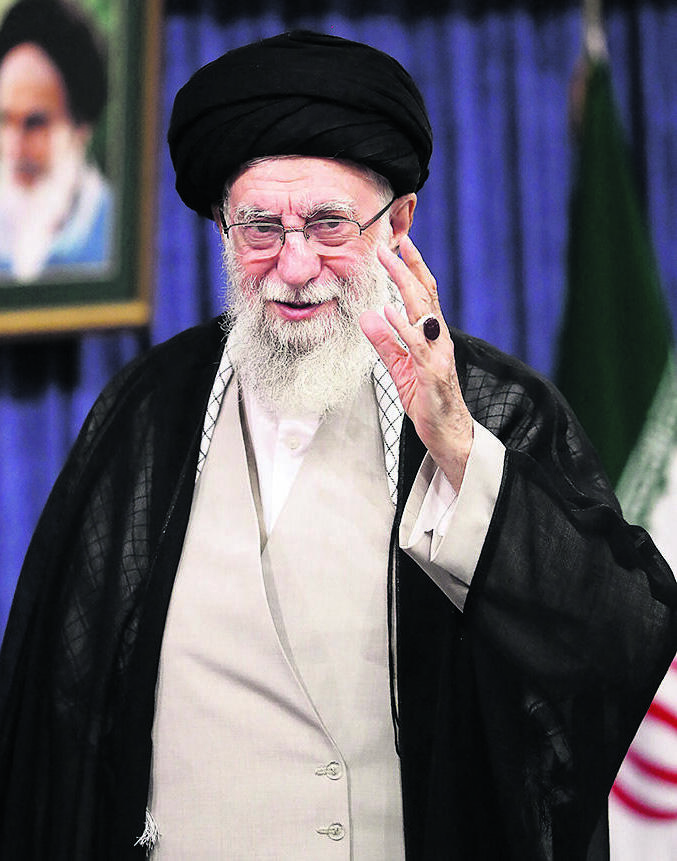
Khamenei, ‘The overthrow of the regime will not be achieved in a single blow’
(Photo: Khamenei.ir/AFP)
A US carrier strike group will soon be in the Middle East, Shapiro said, making it easier for the United States to carry out extensive strikes on Iran while defending against Iranian retaliation. Exploiting this moment, possibly alongside strikes on command and control nodes of the Revolutionary Guards and the Basij, would allow Trump to say he stood by Iranian protesters he encouraged and followed through on threats to make the regime pay for massacring them. That, he said, is still a long way from achieving regime change.
If Khamenei were killed, Shapiro added, it would likely initially result in a Revolutionary Guards takeover and an even more aggressive and repressive regime. Regime change, when it comes, will be carried out by the Iranian people. Supporting them in their pursuit of freedom will require sustained focus and largely non-kinetic tools. It will not be achieved in a single blow.