


“Every smartphone is a whole casino.” That is how Chief Superintendent Avi Ayash, head of investigations for Israel Police’s Northern District, describes what he sees as one of the most troubling side effects of the FIFA World Cup, which begins next week.
He is warning that the tournament could trigger a surge in online sports betting among teenagers, a phenomenon that authorities say has already reached widespread and dangerous levels.

“The way adults perceive gambling is completely different from the reality of gambling among our youth,” Ayash told ynet. “Every smartphone is a whole casino, and any teenager can instantly connect to countless gambling platforms around the world. Anyone who still imagines an illegal casino as a smoky apartment or warehouse should understand that today a teenager can sit in a well-kept bedroom or with friends and wager thousands of shekels on virtually anything.”
Ayash said the problem extends far beyond Israel. “This is a global phenomenon. We learn about it through conversations with police officials around the world, and law enforcement agencies everywhere are dealing with it.”
In Israel, the term “bettim” has become shorthand for the country’s sprawling underground sports betting and online casino industry. The activity, which is largely conducted online, includes wagering on almost every sport imaginable — from major international leagues to youth competitions and obscure lower-tier leagues. It also includes virtual casino games such as roulette and blackjack, as well as in-game betting markets on events such as the first yellow card, the number of corner kicks or the identity of the next goal scorer.
The criminal networks behind the 'bettim'
Under Israeli law, sports betting is permitted only through the state-regulated Sports Betting Board, commonly known as Toto-Winner. Any betting conducted outside that framework is illegal.
The underground betting industry operates through a network of “agents.” Rather than entering credit card information on a website, bettors are connected with local criminals, often through Telegram. These agents provide usernames and passwords for gambling platforms and extend virtual lines of credit.
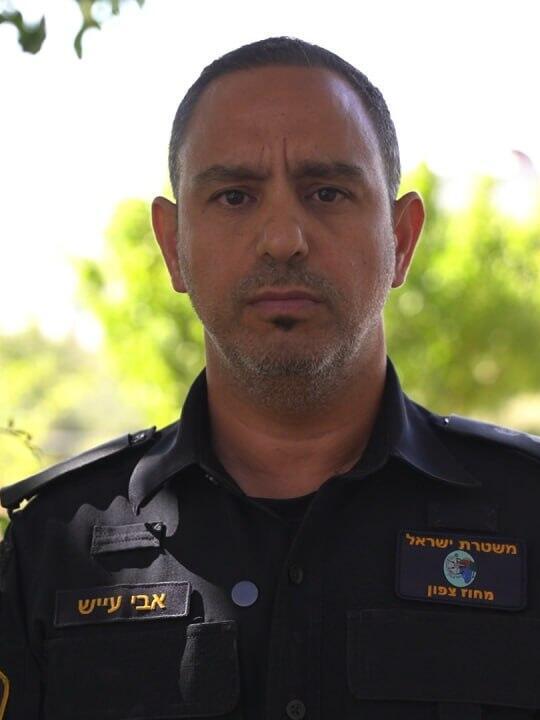 Chief Superintendent Avi AyashPhoto: Israel Police
Settlements are typically made later through cash payments, couriers, cryptocurrency transfers or disguised money-exchange services.
According to police and law enforcement estimates, Israel’s illegal betting industry generates approximately 20 billion shekels ($4.8 billion) annually. Tens of thousands of Israelis, many of them young adults and teenagers, are believed to participate regularly.
Despite the risks of becoming entangled with criminal organizations, many bettors prefer underground platforms because they offer higher payouts than regulated gambling, greater anonymity and a virtually unlimited range of betting options, including live wagering unavailable through legal channels.
‘The criminals came to the door’
To illustrate the scale of the problem, Ayash recounted a case from his time with the Northern District’s major crimes unit.
A senior officer in Israel’s Prison Service asked to meet him privately. “He told me that criminals had come to his home the night before,” Ayash said. “They knocked on the door and asked whether his 17-year-old son lived there because he owed them money.”
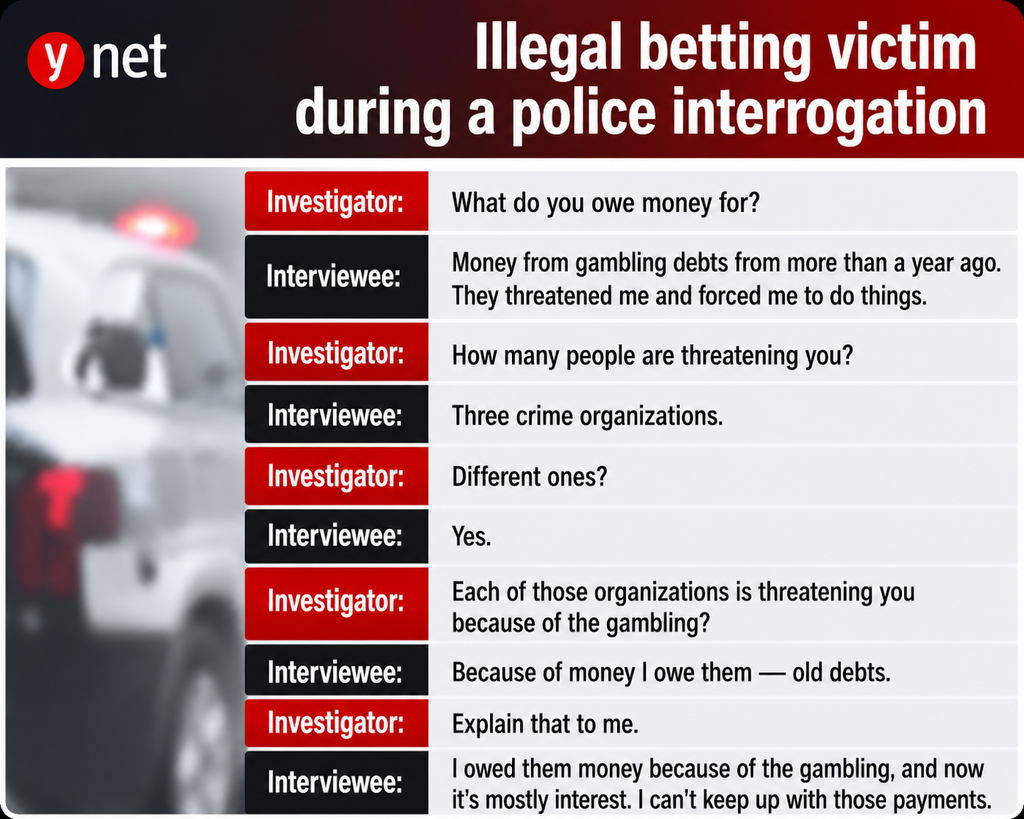
The father initially assumed there had been a mistake. “He told them his son was an honors student, a computer nerd who barely left the house and spent most of his time studying,” Ayash recalled.
The criminals insisted otherwise. “They said the boy owed them thousands of shekels from online gambling,” Ayash said.
The men even offered documentation — printed records or screenshots from their betting system — to prove the debt.
“What was remarkable was that even after they realized they were speaking to a Prison Service officer, they were not intimidated,” Ayash said. “They didn’t leave. They told him, ‘Let’s see how we can solve this. We came in peace.’”
The father asked for time to think and then confronted his son, who admitted that he had been gambling online on various sporting events and had repeatedly lost money, accumulating a substantial debt.
Ayash advised him to file a police complaint and pursue the matter through the criminal justice system. At the same time, he urged him to investigate where his son was getting the money. “That is one of the most important things parents need to understand,” he said. “Where is the money coming from?”
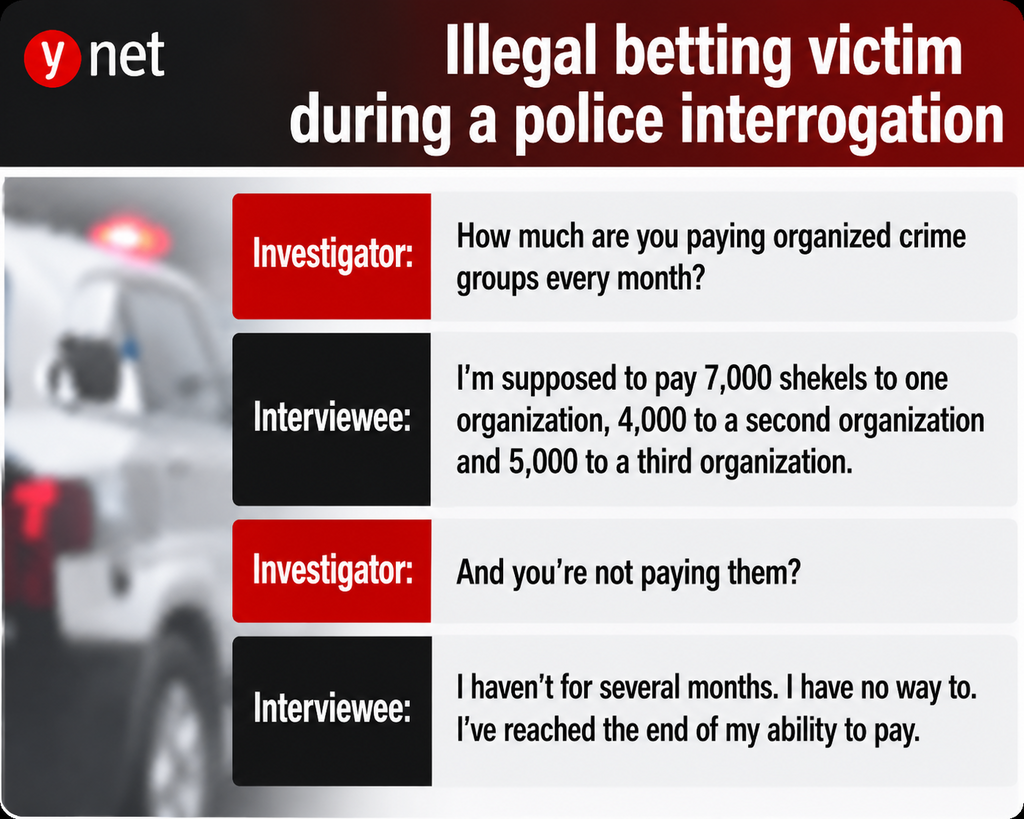
Ayash said many teenagers fail to grasp the consequences of online gambling because the money feels abstract. “A teenager wagers $100 on a smartphone or computer. He never touches physical cash, so it feels distant, almost unreal,” he said.
Investigators who examined gambling sites found that all required users to meet minimum age requirements. “In practice, the teenagers lie about their age to gain access,” Ayash said. “They become easy prey. They get excited quickly and become addicted easily.”
Ayash said he is particularly concerned that the upcoming World Cup will drive a sharp increase in online betting activity among minors. “I am very, very worried,” he said. “I instructed our district cybercrime unit to prepare for the issue and study the relevant websites and platforms so we are not surprised by the scope of the phenomenon.”
Based on his experience, major sporting events generate heightened interest and significantly increase participation in illegal betting. “This phenomenon cuts across all sectors of society,” he said. “It affects wealthy families and poorer families. It affects Jews and Arabs. In the last case I handled, ultra-Orthodox men in northern Israel were involved in horse-racing bets and suffered major losses.”
As long as teenagers can keep paying their debts, authorities often remain unaware of the problem. “We enter the picture only when they can no longer pay and complaints start reaching the police,” he said.
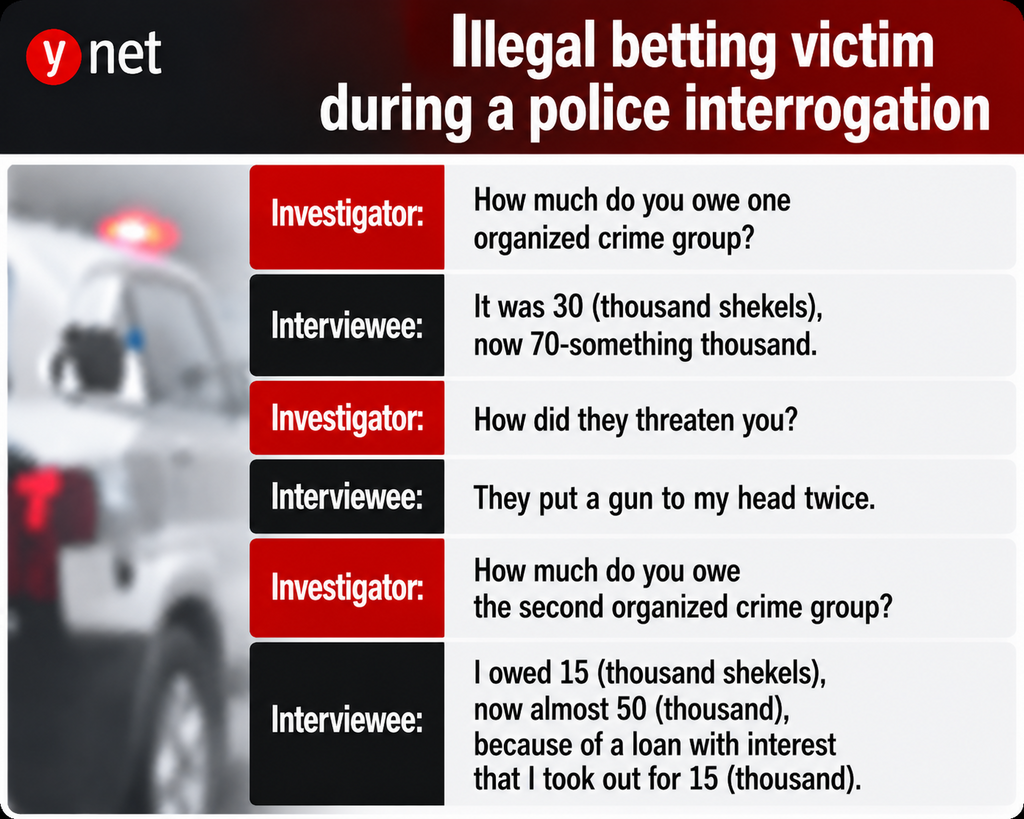
Ayash said teenagers typically fund gambling through personal savings, allowances or money their parents do not realize they are spending.
A more troubling scenario occurs when gambling sites extend credit. “The problem is that these sites have representatives in Israel who make sure the debts are collected,” he said. “That is when complaints begin flowing to us.”
Some cases involve staggering sums. “As I recall, we have seen teenagers accumulate debts of around 20,000 shekels,” he said.
In one case, a 16½-year-old boy turned to criminal activity to repay what he owed. “He started carrying out criminal jobs, including drug deliveries,” Ayash said. “Ultimately, these gambling operations can easily drag good teenagers into the criminal underworld.”
His message to parents, he said, is straightforward. “Pay attention to what your children are doing. Monitor their smartphone use and keep track of their finances,” he said. “In some cases, parents had no idea where their child was getting money to buy luxury brands. The money came from gambling winnings.”
Ayash added that, based on the complaints he has encountered, the victims have all been boys. “So far, I have not encountered a single girl involved in cases like these,” he said.
Parents left helpless: ‘They couldn’t believe their son was stealing from them’
Superintendent Gal Farkash, an officer in the investigations and intelligence division of the Tiberias police and a specialist on youth gambling, is also warning that the World Cup could significantly expand the phenomenon.
“Based on past experience, I believe the World Cup will be a major trigger for youth gambling,” Farkash told ynet. “The combination of summer break and the World Cup could draw many teenagers into soccer-related betting. I believe illegal soccer betting among minors could increase by hundreds of percent.”
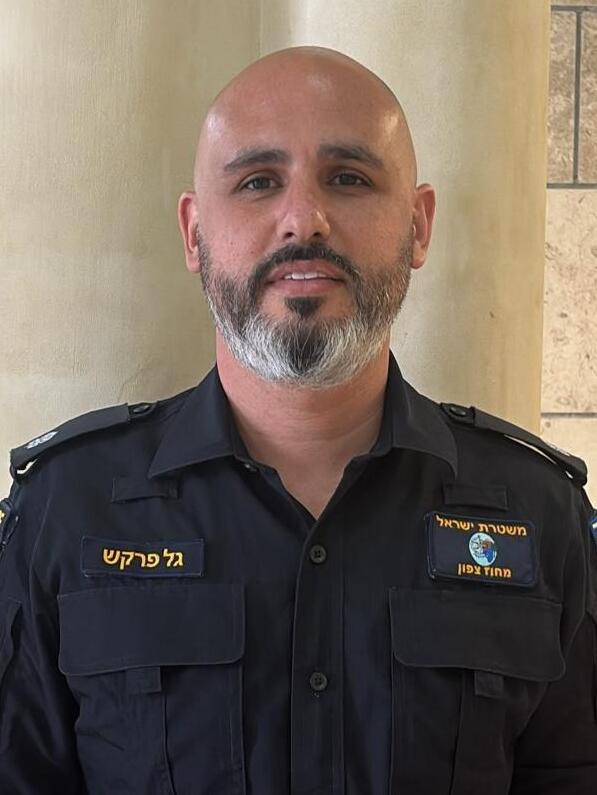 Superintendent Gal Farkash Photo: Israel Police
According to Farkash, every major global sporting event brings a noticeable rise in youth gambling activity. “Whenever there is a global sporting event such as the World Cup, we see a significant increase in teenage gambling,” he said. “Illegal betting platforms are scattered across the internet and accessible to any teenager with a smartphone.”
He said police encounter three main categories of illegal betting operations: international platforms run through overseas websites, nationwide networks operating in Israel and smaller local operations. “We focus first on the local networks and try to prevent criminals from enriching themselves through illegal gambling,” he said. “At the same time, we conduct educational outreach and lectures in schools.”
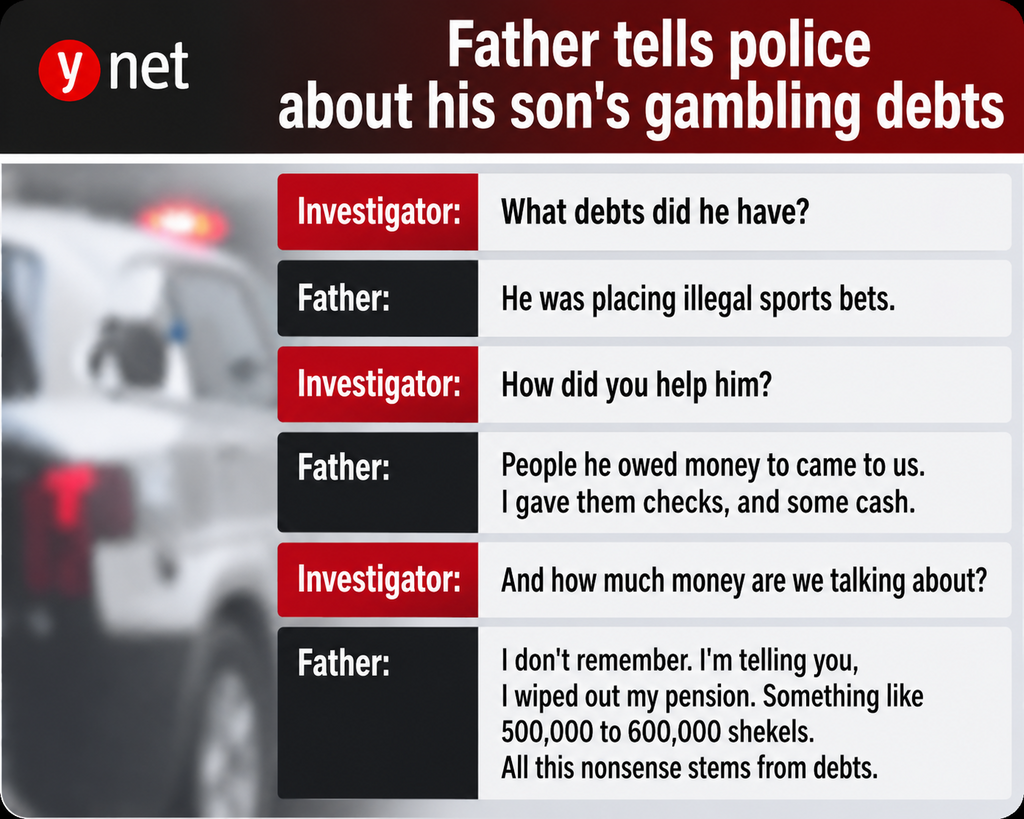
Farkash recalled a case handled by the Jordan Valley police station involving a teenager who wagered tens of thousands of shekels on soccer matches. “He plunged his parents into massive debt, and one of them withdrew his entire pension savings to pay off the debt,” Farkash said.
During the investigation, the father told police: “I’m telling you, I wiped out my pension. Something like 500,000 to 600,000 shekels. All of this nonsense came from debts he accumulated through illegal betting.”
Farkash said that, in his experience, children as young as 12 and 13 become involved in illegal gambling. “When parents hear about it from us, they are helpless,” he said. “They realize it has to be stopped before the entire family collapses.”
Police have handled cases in which teenagers stole money from their parents to finance gambling habits. “There was one case involving several thousand shekels,” he said. “Until we contacted the parents, they simply could not believe their son was stealing money from them.”
In some instances, authorities have filed criminal charges against minors who stole from family members to fund gambling.
Farkash noted that identifying the operators behind illegal gambling networks is often difficult. “In most cases, the person who approaches the family to collect the debt is just a front man whose job is to collect money for the gambling operation,” he said.
The combination of the World Cup and summer vacation, he added, is particularly concerning. “It’s important to emphasize that minors are prohibited from gambling anywhere,” he said. “These gambling operations finance organized crime. I’ve known this phenomenon for decades, since I was a child. The difference today is the smartphone, which has completely changed the landscape and made gambling more accessible than ever.”
Chief Superintendent Eran Mazuz, commander of the Migdal HaEmek police station, said illegal betting among teenagers cuts across all sectors of Israeli society. “From my experience commanding police stations in Zichron Yaakov, Kafr Kanna, Kfar Saba and now Migdal HaEmek, I can say that illegal sports betting among teenagers crosses every sector and socioeconomic group,” he said. “If several years ago we saw it mainly among adults, today the age is dropping and we are seeing it among 12- and 13-year-olds.”
 Chief Superintendent Eran MazuzPhoto: Israel Police
According to Mazuz, debt collectors often assess a teenager’s family background before extending credit. “They check the family’s financial situation and ability to repay,” he said. “They start with small amounts and eventually reach the parents. In the end, they tell the parents the child’s life is in danger, leaving them with no choice but to open their wallets.”
Mazuz described the betting industry as operating much like an organized crime syndicate. “It functions hierarchically like a criminal organization,” he said. “The debt collectors are often young adults, and sometimes teenagers the same age as the gamblers themselves.”
He said he has seen families torn apart by gambling debts. “I’ve seen homes destroyed and families shattered. Even police officers’ children have become entangled in these schemes,” he said.
‘It starts with shake downs and can end with grenades’
Mazuz urged parents to focus on prevention. “I recommend starting with conversations, education and supervision — knowing who your children spend time with and what they do at night,” he said. “Once it begins, stop it immediately. If necessary, seek professional help and report it to the police.”
He said unpaid debts can quickly escalate into violence. “I’ve encountered cases where teenagers were assaulted because they failed to pay,” he said. “The first stage is threats against the child. The second is violent collection efforts — shaking the teenager down and sending a harsh message. The third stage is pressure on the parents. The fourth stage involves a stun grenade or setting a family car on fire. At that point, you are dealing with the clear methods of an organized crime group.”
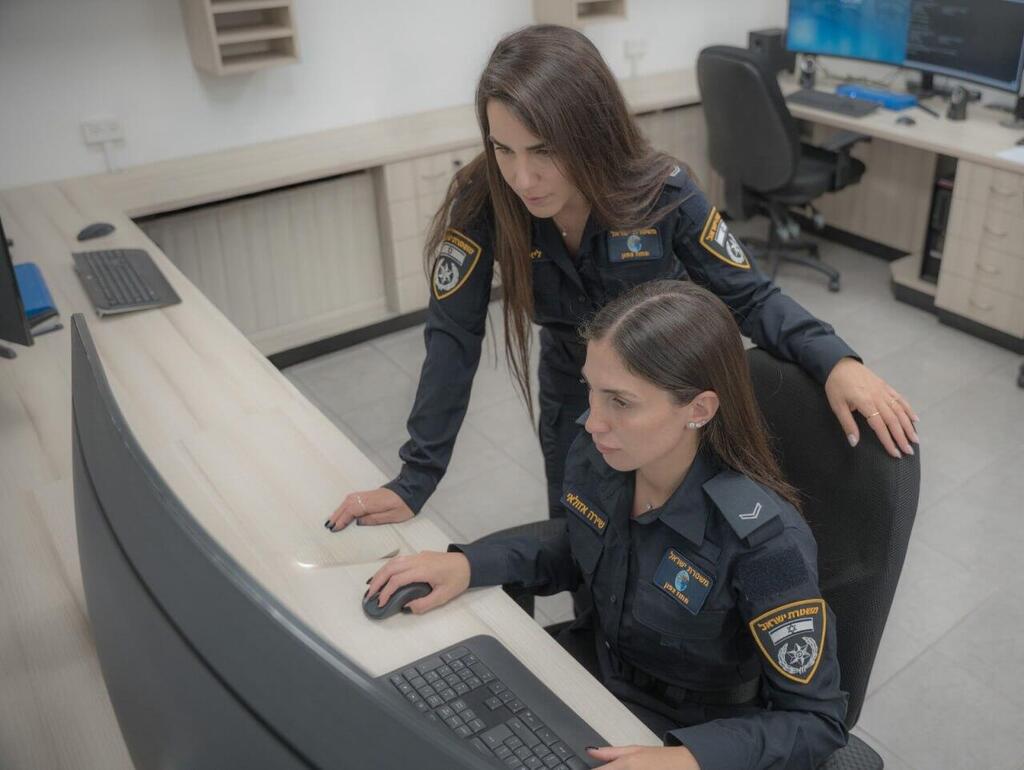
(Photo: Israel Police)
Police cadet Moshe Levy, a former head of the youth division at the Tiberias police station and a specialist in juvenile crime, also warned that the World Cup will pose a major challenge for youth investigators. “For many minors, the focus will be less on soccer itself and more on the outcomes of the bets they placed beforehand,” he said.
One case he investigated involved a teenager who began gambling with small allowances from his parents. “He moved on to stealing his parents’ credit cards and even taking items from the family home and selling them to cover his betting losses,” Levy said.
According to Levy, gambling debts often become a source of serious violence among teenagers. “Parents sit across from me in the interrogation room and ask how their children managed to gamble when they are below the legal age,” he said.
Police are seeing the phenomenon begin as early as age 13. “It’s a very slippery slope,” Levy said. “It’s addictive. It starts with a small allowance and can end with debts of tens of thousands of shekels.”
“If a teenager once spent pocket money on a chocolate bar, today he may prefer to put it on an Argentina match,” he added. “Stories about big winnings draw more and more children into gambling because nobody publicizes the losers.”
Levy also noted that some businesses illegally sell betting slips to minors despite legal prohibitions. “Unfortunately, some business owners are tempted to do it,” he said. “That only makes the problem worse.”