

Opponents of Iran’s regime who once placed their hopes in U.S. intervention are now voicing anger at both Washington and Israel, saying the ongoing war and strikes on infrastructure are deepening their fears about the country’s future.
During mass protests in Iran earlier this year, U.S. President Donald Trump told demonstrators that “help is on the way,” raising expectations among some activists that outside intervention could eventually help bring down the Islamic Republic after years of mass arrests and violent crackdowns on protesters.
Celebrating the death of Ali Khamenei


Two weeks into the war, however, many Iranians who spoke to foreign media say that hope has turned into frustration and anger.
Several cited strikes on civilian infrastructure, particularly the attack on fuel depots in Tehran last weekend, as the moment their perception of the conflict changed.
“They are liars too, just like the regime lies to us,” Amir, a student in Tehran, told The Guardian. “Each of you is worse than the other,” he said of the United States and Israel.
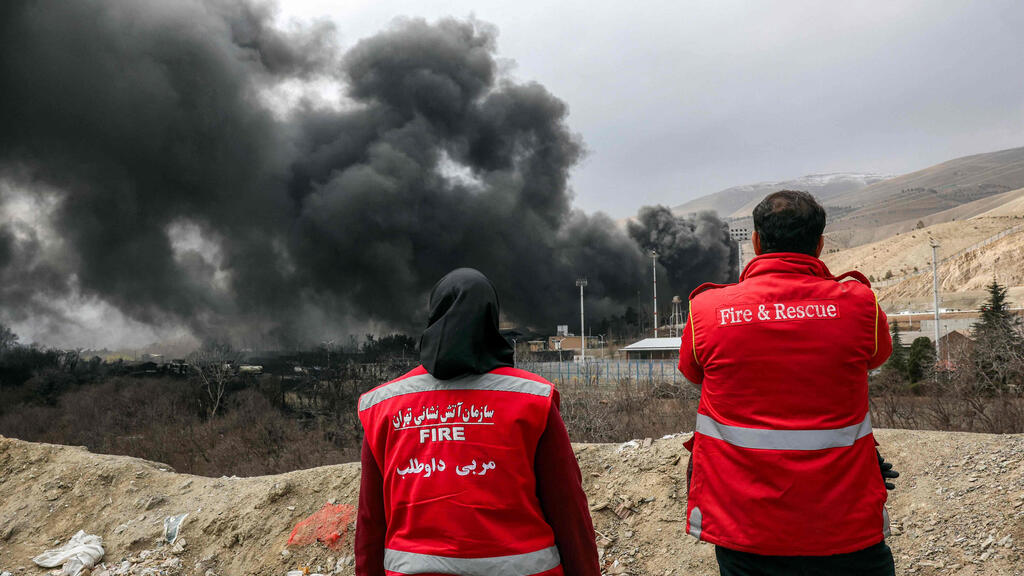
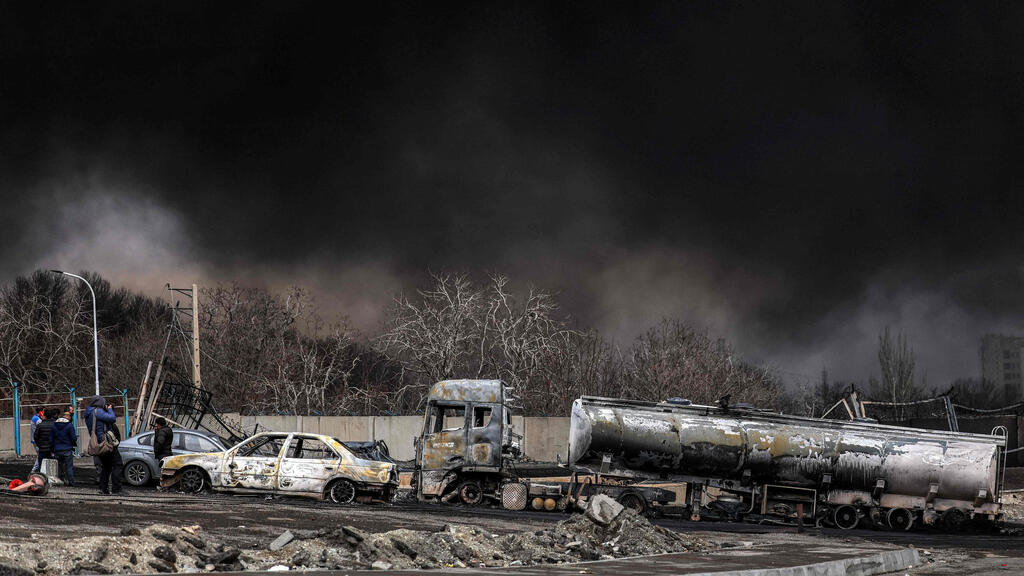
Shahran oil depot
(Photo: AFP)
“Now I really believe that the U.S. and Israel had no plan,” he added. “I still hope I’m wrong, but the attack on Shahran changed the way I see this war.”
Shahran, one of Tehran’s major fuel storage facilities, was among the sites hit in the strikes, sending thick black smoke into the sky above the Iranian capital.
“If you want to hurt the regime, even if you believe these facilities serve it, where do you draw the line?” Amir asked. “What about us, ordinary Iranians? We depend on civilian infrastructure. Why take away our ability to control our own future? Who will rebuild the ruins?”
Some regime critics also fear Iran could follow the path of Iraq after the U.S.-led invasion in 2003, which promised freedom but eventually led to years of violence and civil war.
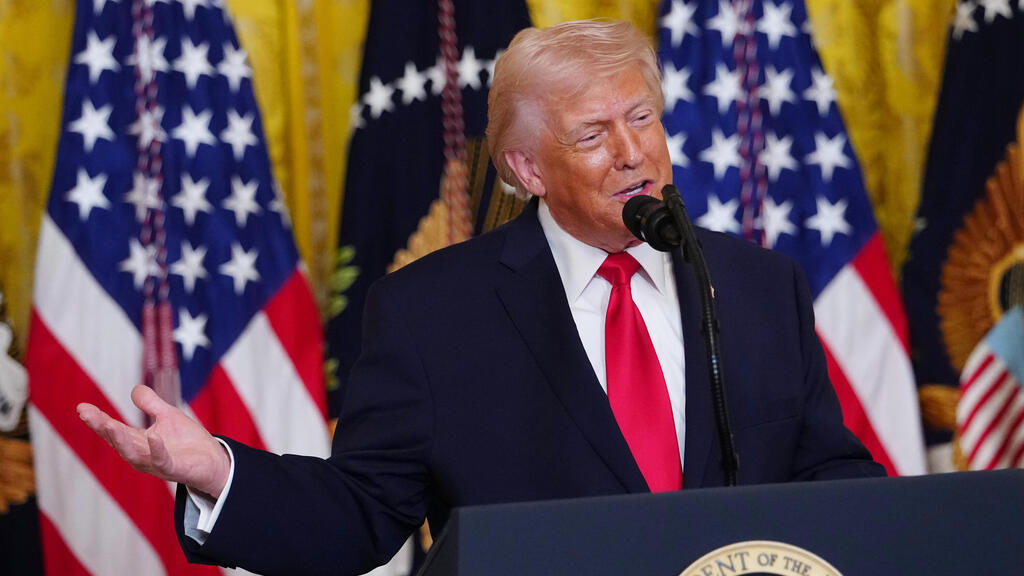
US President Donald Trump
(Photo: AP Photo/Julia Demaree Nikhinson)
“I have no tears, only anger,” Amir said. “Anger at this regime, and at them,” referring to the United States and Israel.
Other Iranians expressed outrage over damage to historical sites and cultural landmarks reported in cities such as Tehran and Isfahan.
“Is the message from outside Iran that because the regime doesn’t care, the world shouldn’t care either?” another student from Tehran asked. “Is the goal to erase our culture and history?”
Opponents of the regime say they are also closely following reports of civilian casualties from Israeli and U.S. strikes, including the deaths of children.
“Many people I spoke to changed their view about military intervention after seeing civilians killed,” one protester from Tehran said.
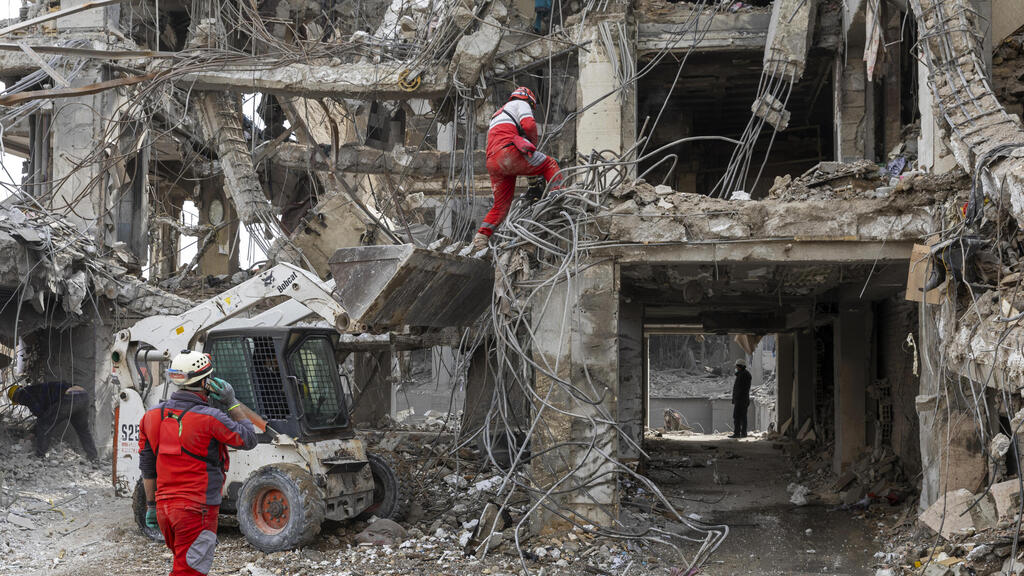
Tehran
(Photo: Majid Saeedi/Getty Images)
Mandana, a Tehran resident who spoke to the Financial Times, said she once believed foreign military intervention could bring down the regime after protests were violently suppressed in January.
When Iranian Supreme Leader Ali Khamenei was killed alongside several family members in the opening strike of the war, she said she initially believed historic change might be underway.
But the experience of living through weeks of airstrikes has shattered that optimism.
“They weren’t supposed to bomb us,” she said, her voice shaking after a powerful explosion near her home in Tehran.
Before the war, many Iranians hoped that outside military intervention could help end the rule of the clerical establishment. Now some say the conflict is creating new fears about what would come next.
“If they wanted to eliminate the supreme leader, why are they fighting a full-scale war?” one Iranian woman asked the Financial Times.
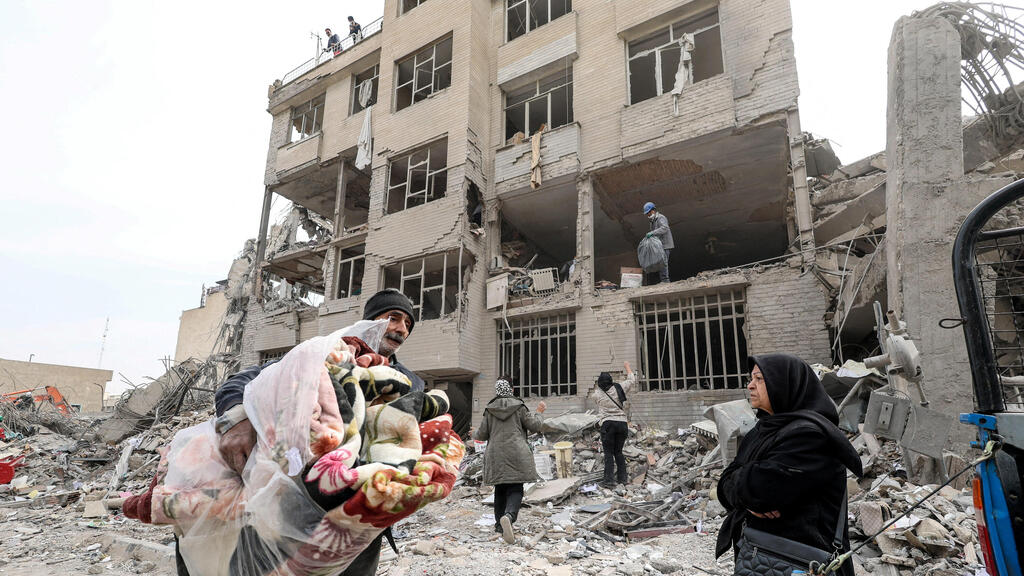
Searching through the ruins
(Photo: Alaa Al Marjani/ Reuters)
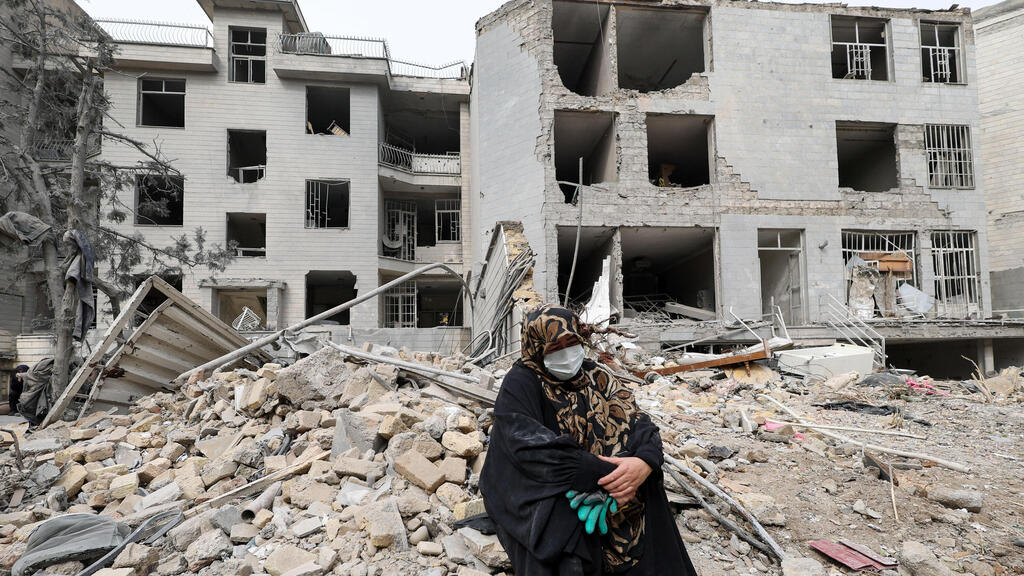
(Photo: Alaa Al Marjani/ Reuters)
Mahboubeh, a translator interviewed by the newspaper, said the war could leave the country worse off than before.
“If things continue like this, we will be in a worse situation than before the war,” she said. “A destroyed country, and Khamenei replaced by another Khamenei who is 30 years younger.”
Another woman, a housewife named Marjan, said she once hoped the regime would collapse after Khamenei’s death.
“Now I wonder,” she said, “even if the Islamic Republic falls, what will we inherit? A ruined country?”
War unites the public
Images of destruction in Tehran, including damaged schools, desalination facilities, passenger aircraft and historic sites, have shocked many Iranians.
According to a sociologist in Tehran, the war may be producing the opposite of what some outside observers expected.
Instead of fueling rebellion, the conflict is strengthening a sense of national unity.
“There is growing evidence of rising nationalism driven by the war,” the sociologist said, comparing it to earlier conflicts when Iranians rallied around the state despite internal dissatisfaction.
“The fear of Iran’s destruction is uniting more and more people who are worried about the consequences of a large-scale conflict,” he added.
Residents in Tehran told the BBC that the city suffered heavy damage in overnight strikes.
“Something exploded next to me and it shook my house,” a young woman said. “It has never been like this before. My heart was shaking.”
Another resident said he woke to the sound of explosions.
“I tried to sleep and woke up to a blast,” he said.
A man in his 30s told the broadcaster he had not left his home.
“It feels like a very dangerous day,” he said.