

The IDF is preparing for a “weakening round” against Hezbollah, even if it leads to several days of heightened clashes along the northern border, army officials said Thursday. The remarks came as the Security Cabinet convened to discuss the situation in Lebanon.
Meanwhile, panic spread across southern Lebanon, where residents received five evacuation warnings ahead of Israeli strikes in rapid succession, the first such alerts since Sept. 18.
IDF airstrikes in southern Lebanon


Israel said it “stepped up a notch” in its strikes on Hezbollah targets, launching three waves of attacks during the day: at noon against operatives from the terror group’s construction unit; at 3:57 p.m. against weapons depots and sites belonging to the group's elite Radwan Force; and at 7 p.m. against another Radwan command post and arms warehouse.
The military says Hezbollah’s fighting spirit and command-and-control capabilities are recovering — especially south of the Litani River and aided by smuggling from Syria — and that younger officers who replaced commanders killed in last year’s Israeli offensive on Lebanon have since gained experience and confidence.
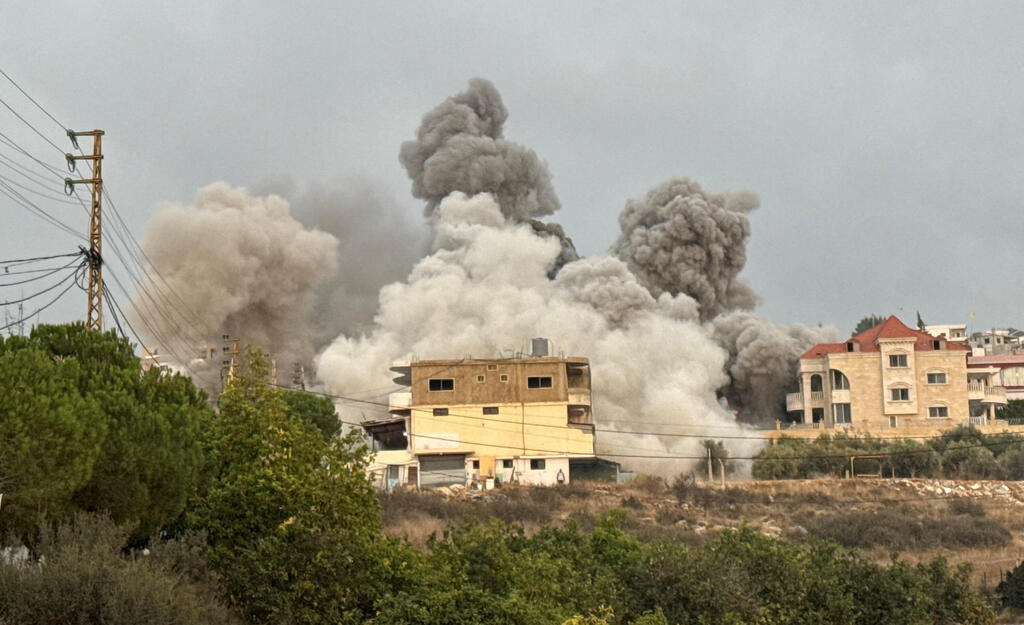
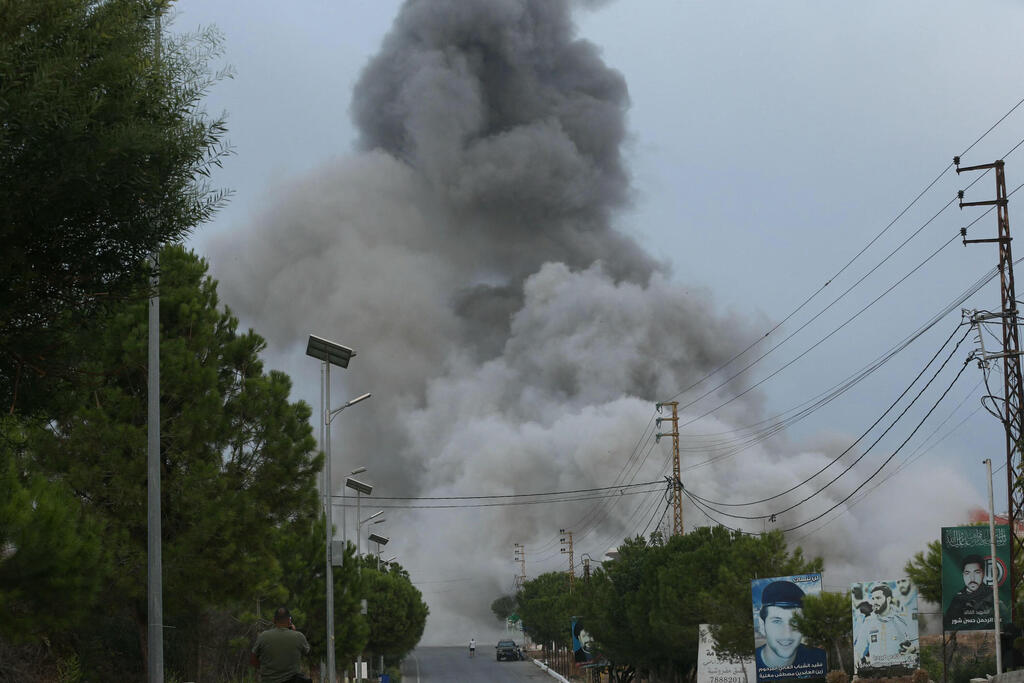
(Photo: Mahmoud ZAYYAT / AFP)
This increased activity comes as large swaths of Lebanon’s south remain devastated by the war, where Israeli forces previously maneuvered and demolished Hezbollah infrastructure built for raids into northern Israel. Under a ceasefire framework, the Lebanese army was tasked with disarming Hezbollah south of the Litani, but Israeli officials say progress has lagged, helping drive the latest escalation.
Lebanese President Joseph Aoun condemned the Israeli strikes as “a real crime,” accusing Israel of intensifying attacks whenever Beirut signals openness to peaceful negotiations. “Since the ceasefire took effect, Israel has spared no effort to show it rejects any agreed settlement. Your message has been received,” he said.
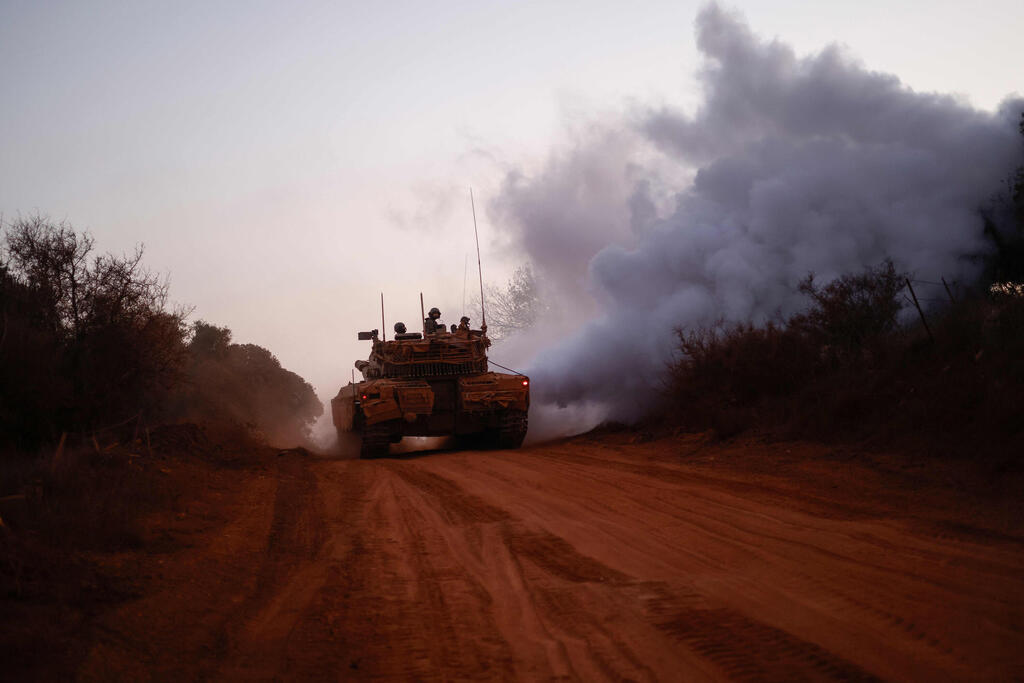
IDF forces at the Lebanese border
(Photo: Jalaa MAREY / AFP)
UNIFIL, the UN peacekeeping force along the border, called the latest Israeli attacks “constitute clear violations” of Security Council Resolution 1701 and warned they endanger civilians and jeopardize political progress. The mission urged Israel to halt the strikes immediately and called on Lebanese actors to avoid responses that could further inflame the situation. The Lebanese army — which presented a progress report Thursday on efforts to collect Hezbollah’s weapons — accused Israel of trying to destabilize the country, broaden destruction and perpetuate the war to prevent the army’s full deployment.
Last week, UNIFIL said a French contingent downed an Israeli drone near the border village of Kfarkela, opposite Metula on the Israeli side, and that an Israeli drone subsequently dropped a grenade near peacekeepers as tanks opened fire. The IDF denied the account, saying the drone was unthreatening and on a routine reconnaissance mission.
More than 5,150 Lebanese have been killed since the start of the war, according to Lebanese figures. Senior Israeli defense officials, speaking privately, voiced mounting frustration with what they called UN “overreach” and “hostility,” saying parts of the peacekeeping force are acting beyond their mandate and against Israeli troops.