


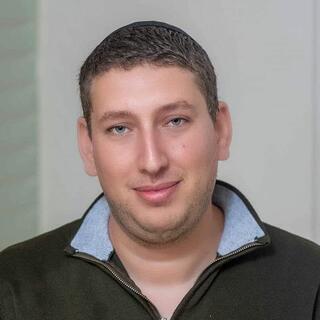
A senior rabbi in the ultra-Orthodox Shas party has warned that Jews who vote for Prime Minister Benjamin Netanyahu's Likud or another political party will have no place in the afterlife, escalating a fierce battle for religious voters ahead of next week's national election.
Rabbi Moshe Maya, the oldest member of Shas' Council of Torah Sages and a former lawmaker who served in the Knesset in the 1990s, made the declaration as the party sought to prevent supporters from defecting to other parties on the political right.
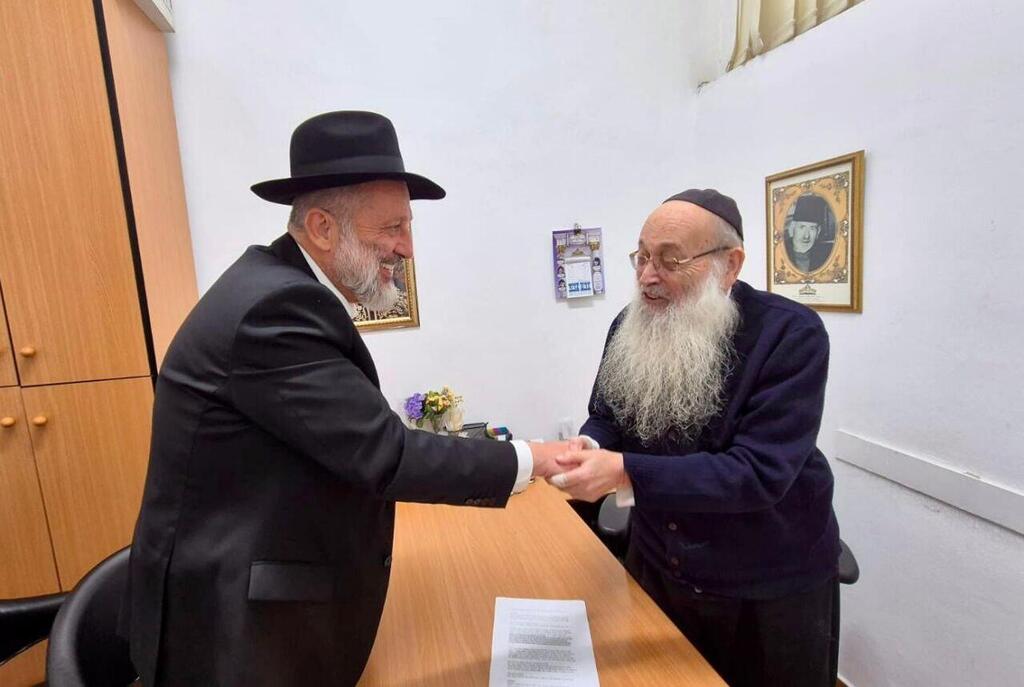
"Anyone who votes for Likud or another party has no share in the world to come," Maya said, invoking the Jewish religious concept of Olam HaBa, or the world to come, commonly associated with the afterlife and spiritual reward.
The remarks underscored the increasingly heated rhetoric among the ultra-Orthodox parties as they compete for votes with Likud and other right-wing factions.
Shas, which primarily represents Sephardic and Mizrahi ultra-Orthodox Jews, has traditionally relied on the authority of prominent rabbis to mobilize its electorate. Religious endorsements and rulings play a significant role in the party's election campaigns, particularly among voters who regard rabbinical guidance as binding.
Former chief rabbi renews attack on Ben-Gvir
In a separate speech in Jerusalem, former Sephardic Chief Rabbi Yitzhak Yosef, another influential Shas religious leader, warned that a victory by the opposition bloc would bring severe restrictions on the ultra-Orthodox community.
"If the left comes to power, it will create difficulties," Yosef said. "What we have now will be nothing by comparison. It will be many times worse. You cannot imagine the decrees that will come."
Yosef claimed that an opposition leader had proposed expanding compulsory military service to include religious women, in addition to ultra-Orthodox yeshiva students.
"One of the leaders of the left said, 'We are not finished. We will also introduce the conscription of women, not just yeshiva students, but women into the army,'" he said.
"That is something one must die rather than transgress," Yosef added, invoking a principle in Jewish religious law under which certain prohibitions must not be violated even at the cost of one's life.
Military conscription has long been one of the most contentious issues in Israeli politics. Most ultra-Orthodox men have historically received exemptions or deferments while studying in religious seminaries, an arrangement that has faced growing legal and political challenges.
The issue has become especially divisive amid the military's manpower needs and demands for a more equal distribution of the burden of national service.
Yosef also reiterated a religious ruling he issued earlier this week prohibiting his followers from voting for National Security Minister Itamar Ben-Gvir, whose far-right political movement competes with Shas for support among religious and nationalist voters.
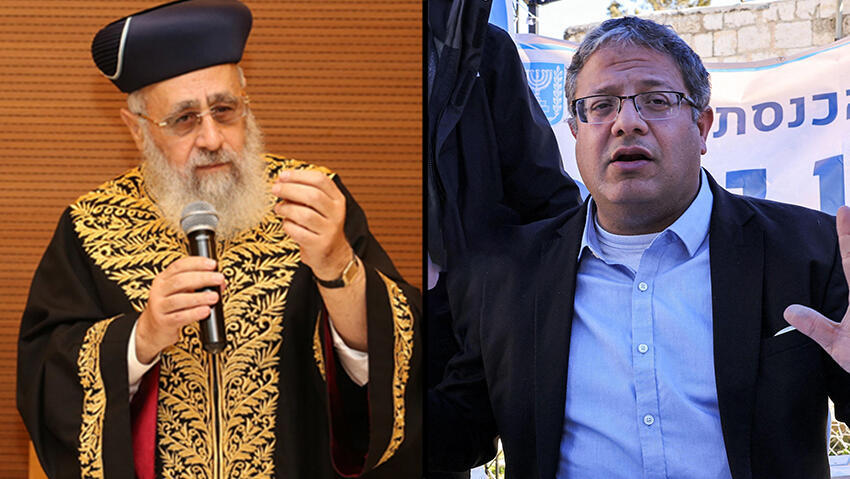
Former Sephardic Chief Rabbi Yitzhak Yosef, National Security Minister Itamar Ben-Gvir
(Photo: AFP, Yaakov Cohen)
"It is forbidden to vote for him," Yosef said. "Anyone who votes for him is as though he himself ascended the Temple Mount. A person's agent is considered equivalent to the person himself."
The Temple Mount, known to Muslims as the Al-Aqsa Mosque compound, is the holiest site in Judaism and the third-holiest in Islam. While Ben-Gvir has advocated Jewish prayer rights at the site, many leading ultra-Orthodox rabbis prohibit Jews from entering the compound because of religious restrictions concerning ritual purity and the location of the ancient Jewish temples.
Yosef's remarks reflected that longstanding religious disagreement with Ben-Gvir, whose visits to the site have repeatedly generated controversy.
The former chief rabbi also accused Ben-Gvir of failing to intervene against police violence toward ultra-Orthodox demonstrators.
"Look at how the police beat the ultra-Orthodox," Yosef said. "He is the minister responsible for the police. Has he said a word?"
Yosef alleged that Ben-Gvir benefited politically from confrontations between police and ultra-Orthodox protesters because they could weaken support for Shas representatives.
"He is happy about it because people will get angry with our representatives and his support will rise," Yosef said.
He further questioned Ben-Gvir's contributions to ultra-Orthodox religious institutions.
"Has he established a single religious school? A ritual bath? A synagogue?" Yosef asked.
Addressing young religious voters, particularly Sephardic yeshiva students considering supporting Ben-Gvir, he added: "How is that even a consideration?"
Ultra-Orthodox parties devise new voter-tracking system
Meanwhile, United Torah Judaism, the other major ultra-Orthodox party, is preparing an alternative voter-monitoring operation following a Supreme Court ruling barring polling station committee representatives from transmitting real-time information about voter turnout to party campaign headquarters.
The practice has been a central component of ultra-Orthodox election campaigns, particularly in tightly knit religious communities where parties use turnout information to identify supporters who have not yet voted and encourage them to cast ballots.
The court's restrictions prevent party representatives serving on official polling station committees from digitally transmitting such information in real time.
United Torah Judaism is now preparing a separate monitoring operation designed to collect information outside the official election administration system.
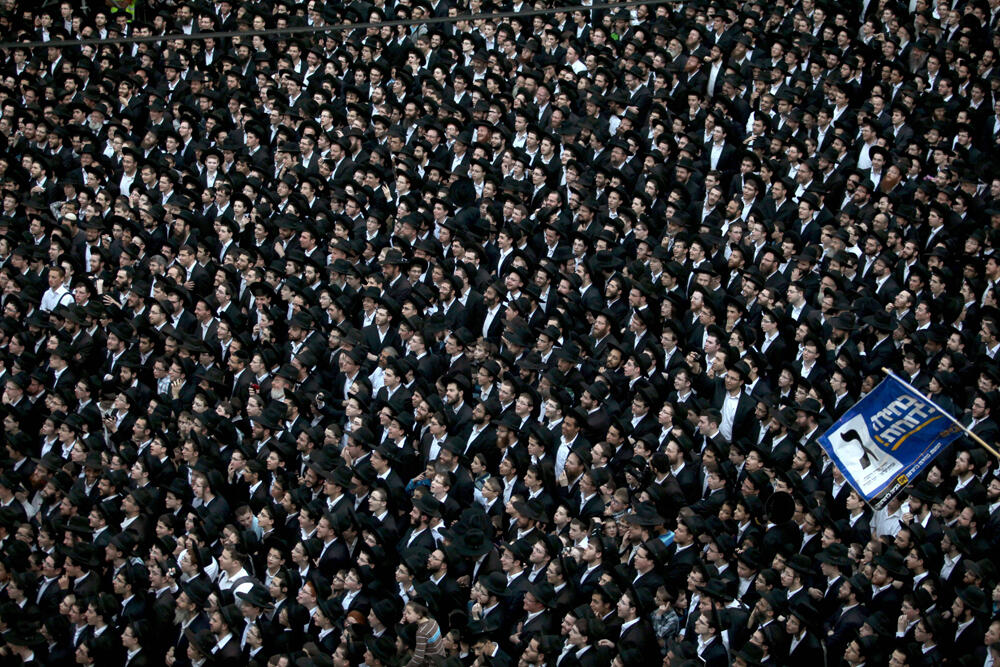
United Torah Judaism election rally, March 2015
(Photo: AFP)
Under the plan, a registration booth will be placed at the entrance to each polling station, outside the restricted area reserved for election officials and voters. Workers will record the identities of people entering to vote, with the information subsequently transferred to party headquarters without passing through the official polling station committee.
Agudat Yisrael, a Hasidic faction within United Torah Judaism, is preparing an additional system.
Party officials said they would establish dedicated tents at clusters of polling stations, staffed by married yeshiva students engaged in full-time religious study.
After casting their ballots, voters will be asked to visit the tents and report that they have voted using a designated digital platform.
To encourage participation, the faction has launched a campaign under the slogan, "If you voted but didn't report it, you didn't vote."
The initiative is being led by Jerusalem Deputy Mayor Tzachi Brim.
The arrangements are intended to preserve the parties' ability to monitor turnout and mobilize supporters despite the court-imposed restrictions on information sharing by official polling station representatives.